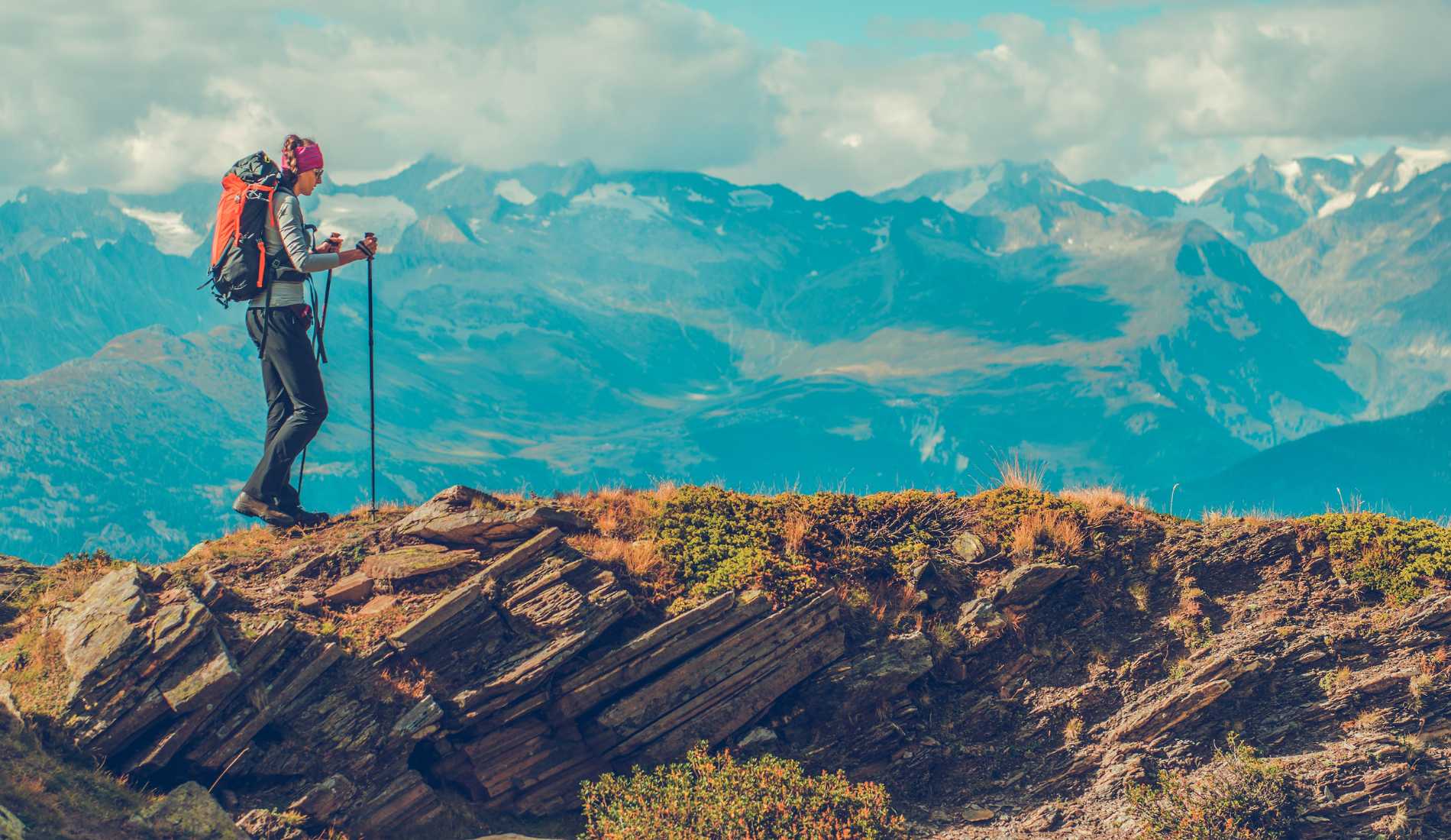
Packing for a Himalayan trek is different from packing for an ordinary hike. Temperatures can swing more than 20°C between a sunny midday trail and a teahouse at 4,000 meters after dark, and a missing piece of gear is much harder to fix once you're three days from the nearest road.
This trekking equipment list is built from what we actually ask our trekkers to bring, creating a practical Himalaya trekking equipment list for routes ranging from short teahouse treks near Kathmandu to remote journeys like the Lower Dolpo Trek and Upper Dolpo Trek, where careful packing is essential for safety and comfort, and it covers what to pack, why each item matters, and how the list changes with altitude, season, and trek style.
♦ Backpack or daypack suitable for your trek duration
♦ Waterproof trekking boots and moisture-wicking hiking socks
♦ Layered clothing, including base layers, a fleece, a down jacket, and a waterproof shell
♦ Sleeping bag (if required), sleeping bag liner, and camping gear for camping treks
♦ Trekking poles, a headlamp, and a power bank
♦ Water bottle or hydration bladder with water purification tablets or a filter
♦ First aid kit, personal medication, sunscreen, sunglasses, gloves, and a beanie
♦ Passport, trekking permits, travel insurance, and other essential documents
Your complete trekking equipment list depends on your trek's altitude, season, weather conditions, and whether you're staying in teahouses or camping. Use the detailed checklist below to pack confidently for trekking in Nepal and the Himalayas.
This is the full Nepal trekking equipment list and trekking packing list we give trekkers heading into the Nepal Himalaya, organized by category. Treat the items marked essential as non-negotiable regardless of route; treat the rest as dependent on season, altitude, and whether meals and shelter are provided along the way.
Your carrying system does the most day-to-day work of any item on this trekking gear list, so fit matters more than brand.
♦ Daypack (25–35 L): Carries what you need on the trail, including layers, water, snacks, a camera, and rain gear, while a porter or a duffel carries the rest.
♦ Duffel bag (70–90 L): For porter-carried treks, a durable, weather-resistant duffel with a lockable zip protects your main kit from rain and rough handling.
♦ Backpack (50–65L): Needed only if you are carrying your own full load, common on independent or self-supported treks.
♦ Dry bags (assorted sizes): line your duffel or pack with dry bags for electronics, documents, and sleeping bags. Teahouse roofs and duffel zips both leak more than you would expect.
Every trekking equipment list should include waterproof trekking boots, camp shoes, hiking socks, gaiters, and microspikes for snowy trails.
♦ Trekking boots: Mid-to-high ankle support, waterproof membrane, and a sole with real grip on loose scree and wet stone. Break them in on real hills, not a treadmill.
♦ Camp shoes or sandals: For evenings at teahouses, letting boots dry and feet breathe.
♦ Hiking socks (4–6 pairs): merino wool blends manage moisture better than cotton, which stays wet and causes blisters.
♦ Gaiters: Keep scree, snow, and mud out of your boots on high passes and off-trail sections.
♦ Microspikes: Worth carrying for early-morning ice on high-pass crossings such as Kang La or Baga La, especially outside peak season.
The layering system, not a single heavy jacket, is what actually keeps you comfortable as temperature swings from a warm valley morning to a windy pass at 5,000 meters, making it an essential part of any mountain trekking equipment list.
| Layer | Purpose | Example Items |
| Base layer | Moisture management next to skin | Merino or synthetic base top and bottom |
| Insulating layer | Trap body heat | Fleece jacket, lightweight down midlayer |
| Outer shell | Block wind and rain | Waterproof jacket, rain pants |
| Extreme cold layer | High altitude, early mornings, camp evenings | Down jacket, insulated trousers |
| Extremities | Hands, head, neck, eyes | Gloves, beanie, buff, sunglasses |
Whether you need this section depends entirely on the trek style. Teahouse treks provide a bed; camping treks do not.
♦ Sleeping bag: Rated to at least -15°C for teahouse treks above 3,500 m and -20°C or lower for demanding camping routes like the Inner Dolpo Trek, Mugu, or other high, exposed routes.
♦ Sleeping bag liner: Adds warmth and keeps the bag cleaner over multi-week treks.
♦ Sleeping mat: Camping treks only. Insulates you from the ground, which is more important than the air temperature on frozen ground.
♦ Tents: On our camping treks, tents and kitchen equipment are provided by the crew, so personal camping gear is limited to your sleeping system.
|
Dolpo Expert Tip: Upper Dolpo is primarily a camping trek, so you'll need a warmer sleeping bag (-20°C or below), extra batteries, and more backup clothing than on popular teahouse routes like Everest Base Camp or Annapurna Base Camp. |
These are the items that keep a trek running smoothly when you're days from the nearest shop or charging point, and most of them are small enough that there's no good excuse to leave them behind.
♦ Headlamp with spare batteries: Essential even on teahouse treks. Early starts for pass crossings and viewpoints happen before sunrise.
♦ Trekking poles: Reduce knee strain on long descents and add stability at river crossings and on scree.
♦ Power bank: Charging is limited or paid-for above the last road, and a 10,000-20,000mAh bank keeps your phone and camera running for several days.
♦ Water bottle or hydration bladder: Carry at least 2-3 liters of capacity between bottles and the bladder.
♦ Water purification tablets or filter: Boiled or filtered water is available at teahouses, but tablets or a filter are a reliable backup on camping treks and day hikes.
Altitude changes what "basic health kit" means. Sun exposure, hygiene, and medication access all behave differently above 3,000 meters than they do at sea level.
♦ First aid kit: Blister care, basic pain relief, altitude sickness medication if prescribed by your doctor, and any personal medication.
♦ Sunscreen (SPF 50+) and lip balm with SPF: UV exposure increases with altitude, and Himalayan sun burns faster than most trekkers expect.
♦ Sunglasses with UV and glacier protection: Important above the snowline and on high passes where light reflects off snow and ice.
♦ Hand sanitizer and biodegradable soap: Hygiene matters more on longer treks with limited washing facilities.
♦ Personal medication: Bring more than you think you need. Pharmacies disappear past the last road.
Trekking equipment lists often skip this category, but a forgotten document can stop a trek at a checkpoint as effectively as a forgotten boot.
♦ Passport with valid Nepal visa, plus photocopies stored separately from the original
♦ Passport-sized photos for permit applications
♦ TIMS card and any required national park, conservation area, or restricted area permits
♦ Travel insurance documents, including proof of high-altitude rescue and evacuation coverage
|
Permit Update As of 2026, both Upper Dolpo and Lower Dolpo allow solo trekkers to obtain Restricted Area Permits without joining another trekking group. However, trekking without a licensed guide is still not permitted. All permits must be arranged through a registered Nepali trekking agency, and a licensed guide is mandatory throughout the trek. As permit requirements and regulations may change, always confirm the latest rules with your trekking agency before departure. |
Planning a trek in Nepal? Explore our Dolpo Caravan Treks itineraries for expert-guided adventures across Upper Dolpo, Kanjiroba, Dhaulagiri, Mustang, and other remote Himalayan regions.
High-altitude trekking, generally above 4,000 meters, including passes and remote regions like Dolpo, needs a version of the standard list built with more warmth, more redundancy, and less reliance on resupply, because there is often nowhere to buy a forgotten item once you are past the last village.
♦ Sleeping bag rated -20°C or colder: For remote camping treks such as Upper Dolpo, choose a sleeping bag rated to -20°C or colder, as nighttime temperatures regularly fall below freezing.
♦ Insulated down jacket (700+ fill power): Worn at rest stops, camp, and pass crossings where wind chill is significant.
♦ Extra base layers: Limited laundry access at altitude means more spare layers than a lower, shorter trek.
♦ Buff and insulated gloves: Wind exposure on open passes is often more punishing than the cold itself.
♦ Microspikes or crampons: For icy sections on passes such as Kang La (Upper Dolpo), Numa La, or Kagmara La, particularly early or late in the season.
♦ Diamox or altitude medication (if prescribed): Discuss altitude sickness prevention with a travel doctor before a trek that climbs above 3,500 meters.
|
Important No packing list replaces proper acclimatization. Altitude sickness is caused by ascent rate, not fitness level, and it affects experienced trekkers as often as beginners. Build acclimatization days into your itinerary and know the early symptoms of Acute Mountain Sickness (AMS). |
A beginner trekking equipment list should cover the same core categories as any hiking trekking equipment list, just without over-investing in gear you may only use once. Rent or borrow the expensive, infrequently used items first, then buy as you trek more.
♦ Start with footwear and a daypack. These are worth buying properly even for a first trek, since fit is personal.
♦ Rent or borrow a sleeping bag, down jacket, and trekking poles for a first trip. Most trekking agencies and gear shops in Kathmandu and Pokhara offer rentals.
♦ Buy layering pieces gradually. A good base layer and a waterproof shell are the two items that make the biggest comfort difference.
♦ Ask your trekking company for a route-specific list rather than a generic one. A Poon Hill trek and an Upper Dolpo trek do not need the same gear.
♦ Test everything on a local day hike before you fly, including boots, pack fit, and rain gear.
What to pack for trekking in Nepal changes significantly by season, since Nepal's main trekking windows, spring and autumn, differ from the colder winter months and the wetter monsoon season.
| Season | Typical Conditions | Key Additions |
| Spring (Mar-May) | Mild days, cold mornings, possible rhododendron-season rain | Light rain shell, sun protection, layered mornings |
| Autumn (Sep-Nov) | Clear skies, stable weather, cold nights above 3,500m | Standard full layering system, warm sleeping bag |
| Winter (Dec-Feb) | Cold, some high passes may close with snow | Heavier down jacket, -20°C bag, microspikes |
| Monsoon (Jun-Aug) | Rain, humidity, leeches at lower elevation, limited visibility | Waterproofing priority, quick-dry layers, leech socks |
The biggest single factor that changes your trekking equipment list and overall trekking gear list is not the destination but the trek style. Teahouse treks lean on infrastructure that camping treks do not have.
| Item | Teahouse Trek | Camping Trek |
| Sleeping bag | Mid-weight, teahouse blankets supplement warmth | Heavier-rated bag essential, no backup bedding |
| Sleeping mat | Not needed | Required |
| Meals | Ordered from a teahouse menu | Prepared by the trekking crew |
| Bag type | Duffel + daypack | Duffel and daypack; the crew carries camp gear |
| Water source | Boiled or bottled water usually available | Purification tablets or filters are more important |
|
Local Insight Unlike the Everest and Annapurna regions, most Upper Dolpo treks are still camping-based because teahouses are limited along the route. This means trekkers need to carry a warmer sleeping system, extra clothing, backup power sources, and other camping essentials, making careful preparation even more important than on teahouse-supported treks. |
Planning a remote Himalayan trek? Meet Our Trekking Team of experienced local guides and discover the firsthand knowledge, local expertise, and support that make every Dolpo adventure safer and more rewarding.
Most packing problems we see on the trail come from a handful of repeatable mistakes, even when following a complete trekking packing list.
♦ Wearing brand-new boots on a trek: Even one blister on day one can affect the rest of a multi-day itinerary.
♦ Underestimating night-time cold: Daytime warmth on the trail is misleading. Temperatures drop fast after sunset at altitude.
♦ Overpacking clothing, underpacking safety items: Extra shirts add weight for no benefit; a first aid kit and purification method do not.
♦ Skipping sun protection because it is cold: UV exposure increases with altitude regardless of air temperature.
♦ Assuming camping-trek support gear is personal gear: Check with your operator what is provided, such as tents and kitchen equipment, versus what you need to bring yourself.
|
Budget Tip Renting a down jacket, sleeping bag, and trekking poles in Kathmandu or Pokhara typically costs far less than buying them for a single trek, and it's a practical option for anyone testing whether high-altitude trekking suits them before investing in gear. |
A gear list only gets you so far. The rest depends on who is organizing your trek. Dolpo Caravan Treks is run by people from Dolpo itself, so route planning, acclimatization schedules, and packing advice come from firsthand experience of these trails, not a template. A few things that come with trekking through us:
♦ Local knowledge: Our guides and crew grew up in and around the regions we lead treks through, including Dolpo, so advice on gear, weather windows, and trail conditions reflects real, current experience rather than generic recommendations.
♦ Camping treks done properly: For routes like Upper Dolpo where teahouses don't exist, our crews carry and manage tents, kitchen equipment, and logistics, so your personal packing list stays focused on what's actually yours to carry.
♦ Support for mountain communities: Guides and porters are hired from the communities these treks pass through, which keeps trekking income connected to the people who live along the route.
♦ Practical planning: We would rather tell you a route needs a colder-rated sleeping bag or an extra acclimatization day than oversell an itinerary. Responsible trekking means realistic planning, not just a good-looking package.
A solid trekking equipment list, whether you're using a Himalaya trekking equipment list or a mountain trekking equipment list, is based on a few repeatable principles: build a layering system rather than relying on one heavy jacket, match your sleeping gear and sun protection to your actual altitude and season, break in your boots well before departure, and never treat safety items, including a first aid kit, water purification, and travel insurance, as optional.
The exact Nepal trekking equipment list still shifts by route. A short teahouse trek and a multi-week camping trek in a restricted area like Dolpo do not need identical gear, which is why checking your itinerary against a route-specific list is worth the extra ten minutes.
Ready to plan your Himalayan adventure? Contact Dolpo Caravan Treks for expert trekking advice, personalized itinerary recommendations, permit guidance, and a route-specific trekking packing list from our local team.
A complete trekking equipment list includes 7 essential categories: backpacks and bags, footwear, clothing and layering, sleeping and camping gear, navigation and safety gear, health and hygiene essentials, and travel documents and permits. The exact items you need depend on your trek's altitude, season, weather, and whether you're staying in teahouses or camping.
A beginner list should prioritize properly fitted boots and a daypack, then rent higher-cost, infrequently used items like a down jacket and sleeping bag before buying them, and confirm the exact list with a trekking company familiar with the specific route.
Nepal treks involve a wider daily temperature range, higher UV exposure, and often multi-day remoteness from resupply points, so the list leans more heavily on layering, sun protection, and redundancy in essentials like water purification and batteries.
Yes, treks above roughly 4,000 meters need a colder-rated sleeping bag, a proper down jacket, insulated gloves, and often microspikes for icy sections on passes, along with a realistic acclimatization plan rather than gear alone.
In practice, the terms are used interchangeably. Both describe the full set of clothing, carrying equipment, and safety items needed for a trek. Some trekkers use "checklist" specifically for the printable, tick-box version used while packing.
Yes. Camping treks require a properly rated sleeping bag and mat since there's no teahouse bedding to supplement warmth, and personal gear needs to be more self-contained overall, since resupply options are limited once you're past the last village.
Yes. Kathmandu (particularly the Thamel area) has a wide range of gear shops selling and renting trekking equipment, from branded gear to reliable local-made alternatives, which makes it practical to fill gaps in your list after arrival.
A 7-day teahouse trek needs a scaled-down version of the full list, including 2–3 clothing layers you can re-wear, one warm layer, a rain shell, a daypack rather than a full duffel and pack system, and the same non-negotiable safety items as any longer trek.
It's still worth carrying purification tablets or a filter as a backup, particularly on camping treks or day hikes away from teahouses, since boiled water isn't always guaranteed to be available or convenient along every stretch of trail.