
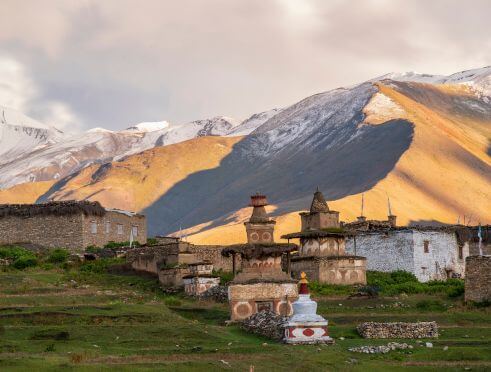
Dolpo People and Ethnic Groups
Dolpo is in one of the most isolated parts of Nepal, but not many people know the real story of the Dolpo People and Ethnic Groups. Many travelers visit Dolpo without understanding the people who live there, like their history, their struggles, their beliefs, their festivals, or even their daily routines.
Unintentionally, some visitors violate customs or misunderstand cultural practices due to unclear explanations. Learning about the Dolpo People and Ethnic Groups beforehand allows you to travel respectfully, appreciate their traditions, understand their values, and form genuine human connections. It also helps to preserve their culture through informed and ethical tourism.
The Dolpo region is one of the world's highest places to live, with villages frequently reaching elevations above 3,500 meters. As a result, the Daily life of Dolpo people is influenced by the geography of this place. This article will cover the history, culture, religion, food, clothing, festivals, and daily activities of the Dolpo people.
If you are hoping for a journey that feels personal, warm, and connected to local life, visit Dolpo Caravan Trek.
Overview of the Dolpo People and Ethnic Groups
Dolpa is one of our most remote areas, tucked deep within the Himalayas, where trails feel ancient, and villages sit quietly at 3,500 meters or higher. The Dolpo people and ethnic groups carry centuries-old traditions. The Dolpo people and ethnic groups are indigenous. In addition, Himalayan communities live in Nepal's far northwestern corner. Their culture is built around three strong pillars:
1. Community
In Dolpo, people depend on each other in ways city life cannot imagine. Families share food, help with herding, and come together during harsh winters.
2. Spirituality
Religion is not something separate. It shapes daily choices, farming routines, festivals, and even how people walk around sacred sites.
3. Connection to Nature
For the Dolpo people, nature is not just scenery; it is alive. Mountains (Himal), rivers, rocks, and winds have spirit and meaning.
This belief shapes their entire worldview.
Together, these pillars form the Dolpo way of life, which is simple yet deeply meaningful.
Where Do the Dolpo People Live?
Dolpo lies in the far northwest of Nepal. When people talk about “off-the-beaten-path”, Dolpo defines that phrase. Reaching there feels like stepping into a quieter world where everything slows down.
Some major places where the Dolpo People and Ethnic Groups live include:
- Upper Dolpo: known for preserved culture, ancient monasteries, and remote villages
- Shey Phoksundo National Park: home to the stunning turquoise lake
- High-altitude villages: Ringmo, Saldang, Tinje, Nyisal, and Dho Tarap
Because the region lacks proper roads, life depends heavily on walking trails. Supplies are carried by yak caravans. Herders move with their animals based on the seasons. Children walk long distances to visit relatives or monasteries.
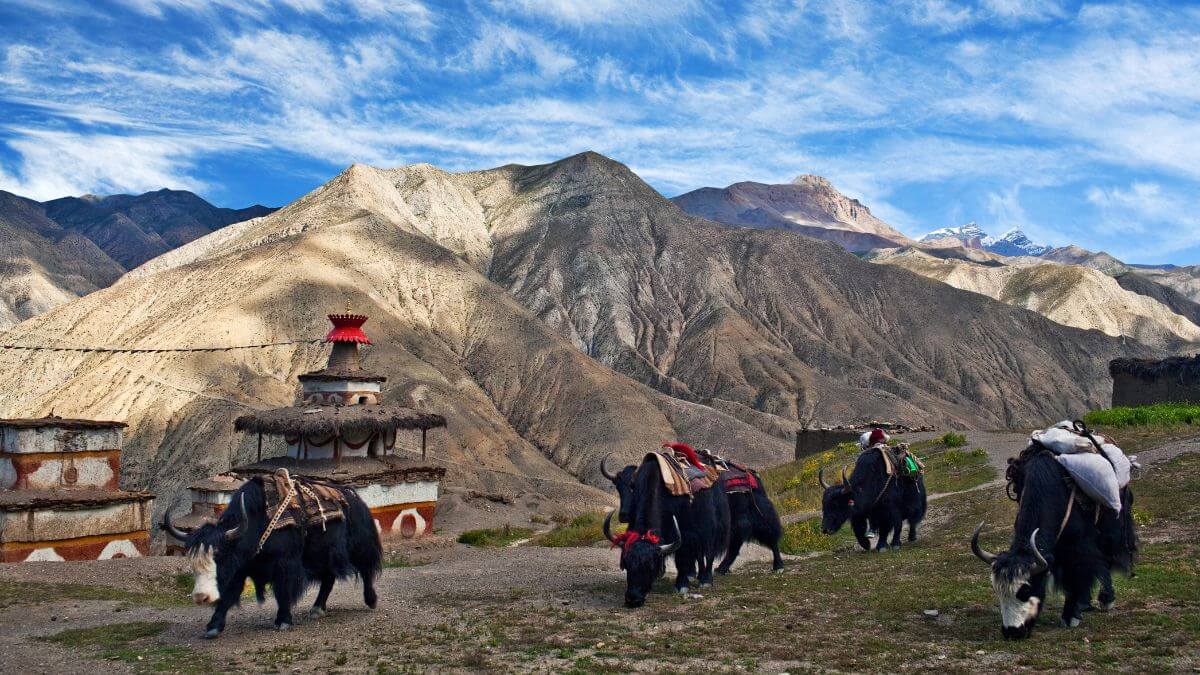
That’s why Dolpo’s landscape doesn’t just set the scene, it shapes the Daily life of Dolpo people.
If you ever want to see these remote villages with a local team that truly knows the land, explore the Dolpo region's Upper Dolpo Trek.
H2: The Ethnic Background of Dolpo Communities
The story of the Dolpo people and ethnic groups goes back many centuries. Their ancestors crossed the high Himalayan passes from Tibet long ago. They carried:
- Language
- Rituals
- Clothing
- Nomadic skills
- Farming Knowledge
- Belief systems
Over generations, these traditions blended with the Himal environment, forming the culture we now call Dolpo. Their unity, even today, helps preserve the Dolpo ethnic customs that make this region so unique.
Major Ethnic Groups in Dolpo
When people think about the Dolpo People and Ethnic Groups, we often imagine one single community living in the high Himalaya; still, Dolpo, home to several connected Himalayan groups, each carrying its own stories, rituals, and traditions. Together, they form the cultural foundation of Dolpo culture and traditions, which makes the region feel so unique, peaceful, and spiritually rich.
1. Dolpo People (Dolpo-pa)
The Dolpo-pa are the main Indigenous group of the region. They live in high-altitude villages where cold winds, quiet valleys, and sacred mountains influence their daily lives. The Daily life of Dolpo people in Dolpo-pa villages reflects simplicity, hard work, spirituality, and deep respect for nature. Their lifestyle reflects the true Dolpo way of life:
- Waking up early to feed yaks
- Lighting butter lamps in the monastery
- Spinning wool to make warm robes
- Preparing tsampa, thukpa, or yak butter tea
- Joining community gatherings
- Celebrating Dolpo festivals and celebrations with dance and drums
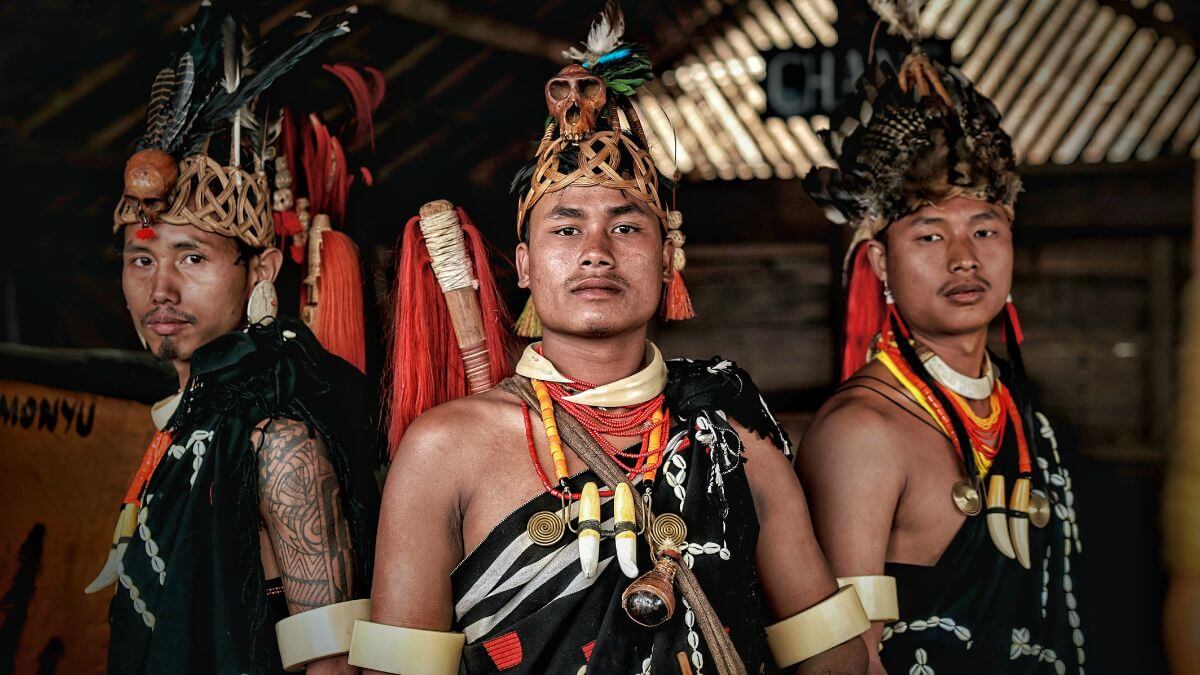
The Dolpo-pa are also known for preserving many Dolpo ethnic customs, especially in Upper Dolpo, where isolation has protected their culture for centuries. Their Dolpo traditional clothing includes woolen chubas, turquoise jewelry, coral beads, handwoven belts, and fur-lined boots.
2. Bhotia / Bhotey Groups
The Bhotia (or Bhotey) groups are another important part of the Dolpo People and Ethnic Groups. For centuries, they traveled across the Himal with yak caravans, connecting Dolpo and Tibet through trade routes. Their movement helped shape the Dolpo culture and traditions because trade brought new ideas, stories, and goods into the region.
Their lifestyle is closely tied to:
- Yak herding
- Wool weaving
- Salt trading
- Winter migration
- High-altitude farming
Many Bhotia families still wear traditional Tibetan-style clothing, including:
- Woolen chubas
- Handmade boots
- Prayer bead necklaces
- Colorful aprons worn by women
- Warm caps lined with lamb fur
Their homes are decorated with religious objects because spirituality shapes their identity. They actively participate in Dolpo festivals and celebrations, like masked dances, New Year ceremonies, and Bon rituals. The Bhotia groups contribute greatly to the survival of Dolpo ethnic customs, especially in places close to old trade paths.
3. Tibetan-Origin Ethnic Groups in Nepal
Dolpo has one of the strongest presences of Tibetan-origin Ethnic Groups in Nepal, who have protected Tibetan traditions for centuries. Because Dolpo is so remote, these families kept their cultural identity alive even when other regions experienced change.
They maintain:
- Tibetan-influenced dialects
- Buddhist and Bon rituals
- Prayer wheel spinning traditions
- Mountain spirit offerings
- Old-style farming techniques
- Yak caravan customs
- Elaborate Dolpo traditional clothing
Their presence is the reason Dolpo feels like a living museum of Himalayan culture.
4. Smaller High-Altitude Clans
Apart from the main groups, Dolpo also has several small clans living in very remote villages such as Nyisal, Tinje, Mukot, and Chharka Bhot. These people live in extremely isolated regions where the Himalayas protect their traditions from outside influence.
Their daily routines include:
- Collecting medicinal herbs
- Herding yaks and sheep
- Weaving wool and making ropes
- Carving sacred stones
- Performing seasonal rituals
- Celebrating Dolpo festivals and celebrations with simple, heartfelt offerings
They preserve unique Dolpo ethnic customs, such as
- Winter storytelling
- Ancient mountain-spirit worship
- Traditional weaving patterns
- Spiritual painting styles in monasteries
- Clan-specific clothing patterns
Religion and Spiritual Traditions in Dolpo
In Dolpo, religion is not something people practice only in temples. It is something they carry in their breath, their greetings, their farming, their clothing, and even their daily choices. Spirituality is woven into the Dolpo way of life just like threads woven into a warm woolen robe.
Dolpo is one of the few places in Nepal where the ancient Bon religion and Tibetan Buddhism still live together. These two belief systems blend so naturally that outsiders sometimes think they are one religion.
Buddhism includes compassion, meditation, prayer wheels, chanting, and the Buddha's teachings. Meanwhile, Bon practices nature worship, connects with mountain spirits, performs healing rituals, holds protection ceremonies, and preserves ancestral traditions. Together, they create spiritual harmony that guides the daily life of Dolpo people.
Monasteries: The Spiritual Guardians of the Himal
Every village in Dolpo has at least one monastery standing proudly on a hill or cliff. These monasteries aren’t just religious sites; they act as protectors, teachers, and community centers.
Some of the most important places include:
Shey Gompa: One of the most sacred pilgrimage sites in the Himalayas. People believe that visiting Shey with a pure heart can wash away negative karma. The Shey Festival, held once every twelve years, is one of the most powerful Dolpo festivals and celebrations.
Crystal Mountain: Crystal Mountain is also called the sacred mountain of Dolpo. Villagers walk around the mountain (kora) to seek blessings, protection, and good health.
Cliff-side Monasteries: Some monasteries are built directly into cliffs. They hold ancient scriptures, thangka paintings, and old masks used during rituals. When you visit these places, you feel something special, a silence that speaks, a stillness that teaches.
Bon Traditions Explained
The Bon religion is older than Buddhism and continues to play a powerful role in the identity of the Dolpo People and Ethnic Groups. In Upper Dolpo, Bon teachings shape daily behavior, community gatherings, and the way villagers understand the world around them.
Bon beliefs center on:
- Honoring nature, such as mountains, rivers, wind, and fire
- Respecting spirits of the land
- Maintaining balance between humans and nature
- Healing practices led by Bon priests
Daily Life and Traditional Practices
The Daily life of Dolpo people and ethnic groups flows with the rhythm of the mountains, where mornings begin with warm tea and soft conversations by the fire. Every day feels simple but meaningful, shaped by the deep Dolpo culture and traditions passed down for generations in places like Saldang and Dho Tarap.
- Yaks: Herding yaks is essential to survival because they provide families with warmth, milk, and a means of transportation through the Himalayas. Watching herders move slowly across the land shows how closely the Dolpo People and Ethnic Groups live with nature.
- Farming and Craftsmanship: Farming, crafting, and seasonal migration bring the community together as people grow hardy crops, weave warm clothing, and walk with their herds before winter settles in.
- Seasonal migration: As winter nears and the mountains become inhospitable for animals, numerous families from the Dolpo People and Ethnic Groups relocate with their yak herds to lower and more secure grazing regions.
Language and Oral Heritage
The people of Dolpo speak Tibetan-influenced dialects. Because villages are far apart, each community developed its own variations over time. Oral heritage is a treasure in Dolpo. Elders share:
- Legends of sacred mountains
- Tales of long yak caravans
- Memories of winter struggles
- Stories that teach kindness and courage
Monasteries help preserve language by teaching children to read scriptures and recite prayers. Through stories, the Dolpo People and Ethnic Groups keep their past alive.
Festivals and Celebrations in Dolpo
Festivals and celebrations help preserve the Dolpo festivals and celebrations that have shaped community life for centuries. They consist of:
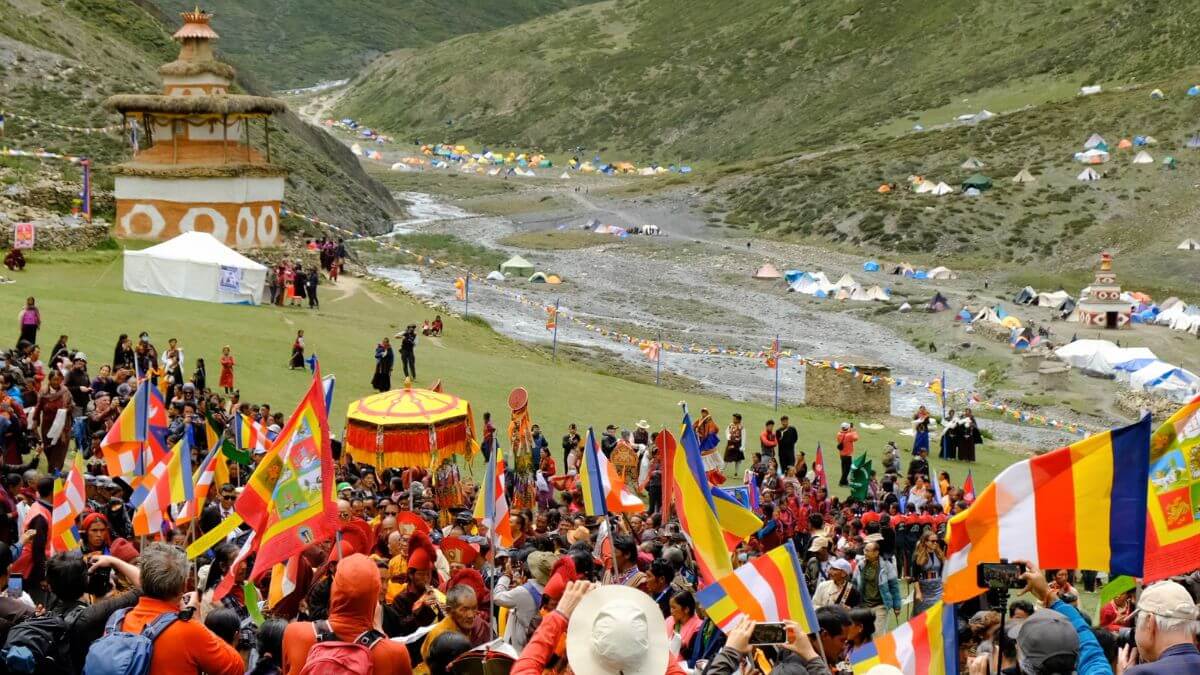
- Shey Festival: Villagers participate in monastic rituals, chant prayers, and circle the revered Crystal Mountain during this once-every-twelve-year event. It is a time of unity, blessings, and purification.
- Buddhist Ceremonies: This includes masked dances, bright costumes, and rhythmic drums, all of which create a joyful atmosphere.
- Seasonal Festivals: Planting, harvesting, and the arrival of spring are all celebrated with communal feasts, dances, music, and gifts.
Why Dolpo Culture Matters Today
The Dolpo People and Ethnic Groups live in a world that is gradually changing, with young people occasionally moving to cities for education. Cultural preservation matters because Dolpo’s identity is a rare treasure.
Sustainable Tourism and Cultural Respect
Depending on its practice, tourism can either benefit or cause harm. But Dolpo is fragile, and careless tourism can harm the very culture people come to see.
Something as simple as asking permission before taking a photo shows respect. Dressing modestly shows understanding. Staying on marked trails, walking quietly around monasteries, and learning basic village customs make a big difference. The mountains, rivers, and open fields are sacred to the community, so leaving no trash behind is one of the simplest yet strongest ways to honor the land.
Best Time to Visit Dolpo for Cultural Encounters
Dolpo experiences strong seasons, and each season changes how people live, farm, travel, and celebrate. Understanding the best times to visit will help you meet local families, witness traditions, and enjoy the daily rhythm of the Dolpo People and Ethnic Groups.
Best season: Spring is one of the best times for cultural travel because the snow melts, trails become navigable, and villages come to life with agricultural activity. In addition, autumn brings clear skies, bright colors, and comfortable temperatures, while harvest season inspires celebration and gratitude.
Off-season: Winter is bitterly cold, with snow covering most of the high passes. Furthermore, travel is difficult, but it gives you a unique opportunity to experience Dolpo's extreme solitude. Trails can get muddy during monsoon rains. This season is less suited to cultural interactions.
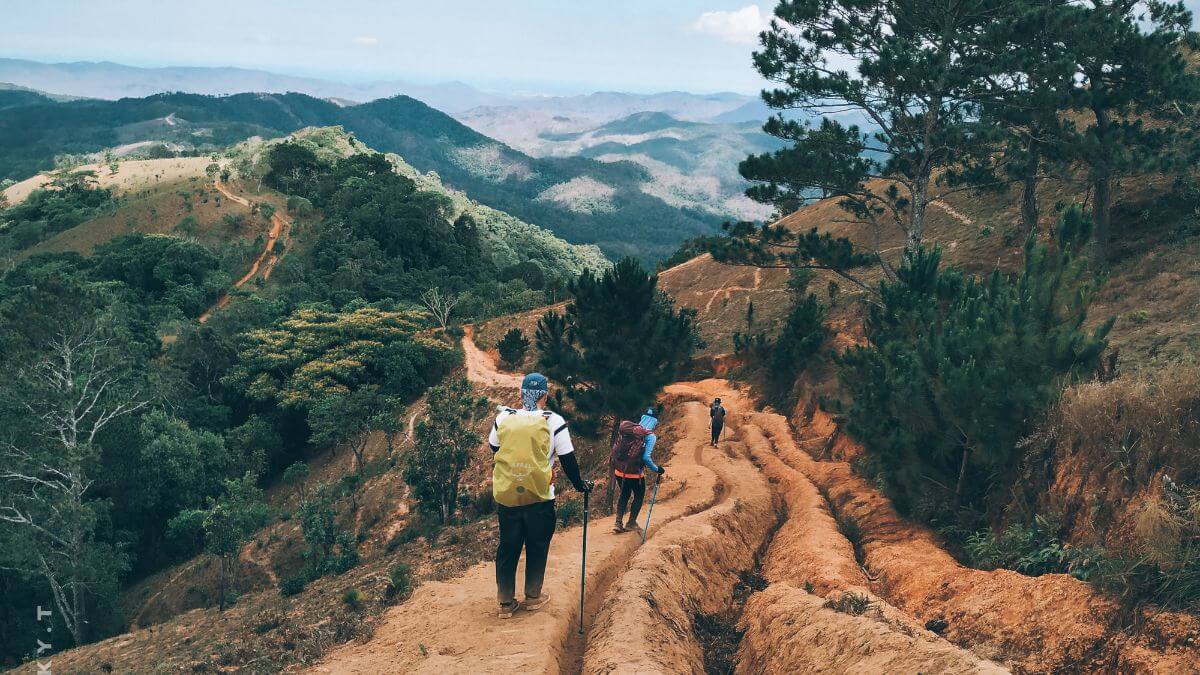
Tips for Respectful Travel in Dolpo
Dolpo is not just a place you visit; it is a home filled with families, memories, and traditions. Traveling respectfully helps protect the culture and ensures that your presence brings benefits, not disruption.
Here are gentle, practical tips for meaningful cultural travel:
- Greet Everyone Warmly
- Ask Before Taking Photos
- Respect Sacred Sites
- Travel with Local Guides
- Support Local Crafts
- Leave No Trace
- Dress Modestly
|
Did you know? One of the most reputable trekking companies, Dolpo Caravan Trek, has its own Dolpo program for 2026 that allows you to explore Dolpo while learning about its people and culture. |
Book with Dolpo Caravan
The Dolpo People and Ethnic Groups carry a heritage shaped by mountains, faith, silence, and time. Walking through Dolpo feels like stepping into a living museum of human resilience. Villages stand like ancient guardians.
If you choose to visit Dolpo, come with an open heart. Let the mountains guide your steps. Let the quiet moments show you the true rhythm of Himalayan life. When your journey ends, you will carry more than memories.
Experiencing Dolpo fully requires more than a route. Dolpo Caravan Treks is built by people deeply connected to the region. They understand the stories behind the mountains, the meaning of the rituals, and the rhythm of village life.
Final Thought
The Dolpo People and Ethnic Groups carry a heritage shaped by mountains, faith, silence, and time. Walking through Dolpo feels like stepping into a living museum of human resilience. Villages stand like ancient guardians. The Dolpo culture and traditions remind us of the wisdom of living slowly, thinking deeply, and appreciating simple joys.
If you choose to visit Dolpo, come with an open heart. Let the mountains guide your steps. Let the quiet moments show you the true rhythm of Himalayan life. When your journey ends, you will carry more than memories.
If you wish to plan your Dolpo journey with kindness and cultural respect, contact us!
All About Dolpo
Dolpo Region | Dolpo History | Dolpo Himalaya | Dolpo Geography | Dolpo Flora & Fauna | Bon Religion in Dolpo | Shey Festival | Shey Gompa | Shey Phoksundo National Park | Phoksundo Lake | Dolpo Yarsagumba | Dolpo Caravan Trade
Popular Dolpo Trekking Packages
Upper Dolpo Trek | Lower Dolpo Trek | Beni Dolpo Trek | Phoksundo Lake Tea House Trek | Phoksundo Bon Cultural Trek | Mugu Dolpo Trek | Jumla Kagmara Dho Tarap Culinary Trek
FAQs
Who are the Dolpo people?
They are Indigenous Himalayan communities living in northwestern Nepal, known for their Tibetan roots and mountain lifestyle.
What language do Dolpo communities speak?
They speak Tibetan-influenced dialects, which vary from village to village
How is the Bon religion different from Buddhism in Dolpo?
Bon focuses on nature spirits, ancient rituals, and harmony with natural forces, while Buddhism follows the teachings of the Buddha.
What is daily life like for the Dolpo ethnic group?
Life centers around yak herding, farming, crafting, and community cooperation.
Can tourists visit Upper Dolpo?
Yes, but special permits and licensed guides are required.
What festivals are unique to Dolpo?
The festivals that are unique to Dolpo include the Shey Festival, Buddhist masked dances, and seasonal celebrations.
Why is Dolpo culturally similar to Tibet?
The cultural similarities between Dolpo and Tibet stem from their shared language, religion, and spiritual traditions, as well as their ancient migration history.
How can visitors help preserve Dolpo culture?
You can preserve it by traveling respectfully, supporting local guides, and learning basic local customs.

Leave Your Comment