
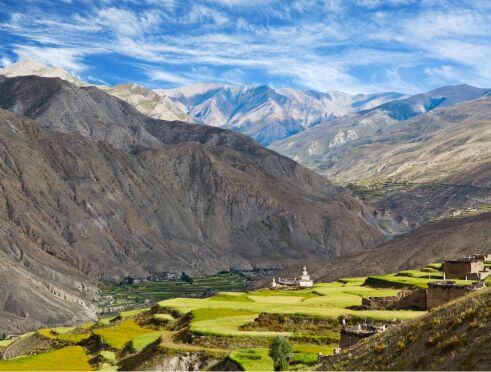
Dolpo Himalaya—The Hidden Highlands of Nepal
The Dolpo Himalaya is one of Nepal’s most remote and untouched regions. Unlike the well-trodden trails of Everest or Annapurna, Dolpo offers a raw and mystical Himalayan experience. From dry desert-like valleys to turquoise lakes and ancient stone villages, this region is a hidden gem for adventurers and nature lovers alike.
Moreover, by exploring Dolpo, you encounter culture, spirituality, and wildlife that have remained largely undisturbed for centuries.
Discover the raw beauty of the Dolpo Himalaya and explore its hidden valleys through the Dolpo Caravan Trek.
Where Is Dolpo Himalaya? A Remote Himalayan Realm
Dolpo Himalaya lies in the remote northwestern corner of Nepal, tucked between towering Himalayan peaks and the edge of the Tibetan Plateau. In addition, the remoteness and harsh terrain explain why the local culture has remained intact for centuries.
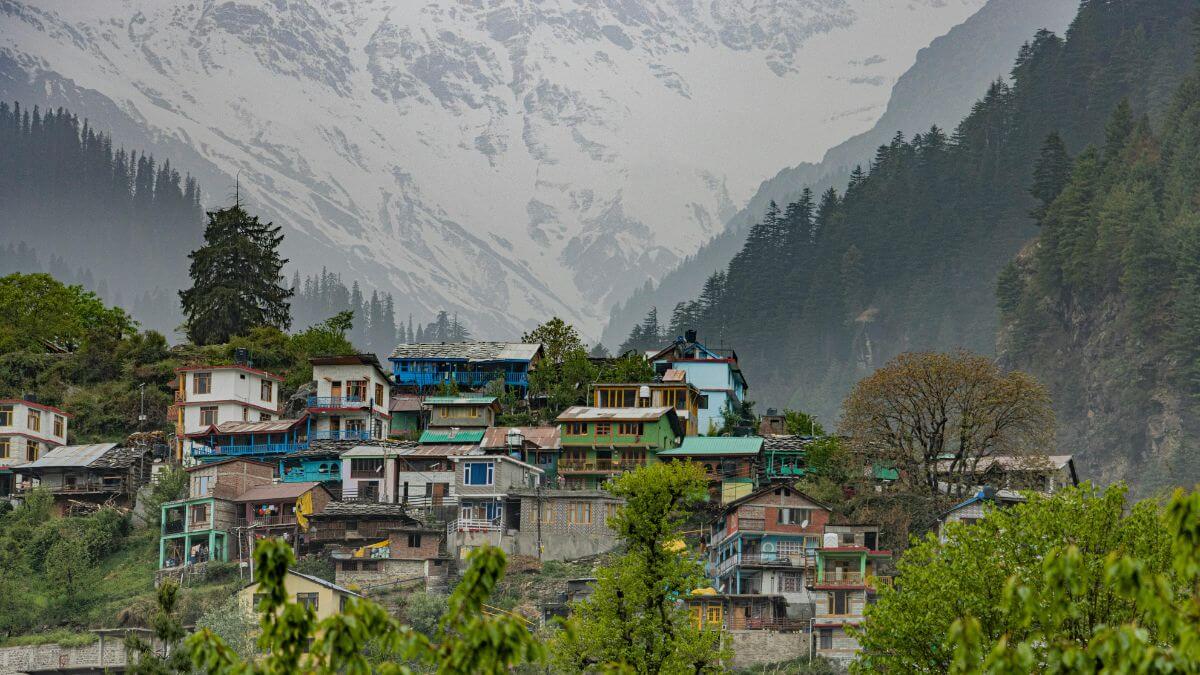
Location of Dolpo within the Nepal Himalayas
To begin with, Dolpo is located in northwestern Nepal, within the Dolpa District. Situated beyond the main Himalayan range, it falls into the Trans-Himalayan zone, which makes its climate and terrain distinct from central Nepal. Because it lies in the rain shadow of the Dhaulagiri and Annapurna ranges, Dolpo receives very little rainfall. Consequently, its valleys appear dry, while the high plateaus rise dramatically into snow-capped peaks.
Upper Dolpa Himalayas vs Inner Dolpo Highlands
Furthermore, Dolpo can be divided into two main zones:
- Lower Dolpo: More fertile valleys, scattered forests, and relatively accessible villages.
- Upper or Inner Dolpo: High-altitude plateaus, arid valleys, and villages preserving Tibetan-Bon cultural traditions.
This distinction is important for trekkers and researchers alike. While Lower Dolpo allows easier exploration, Inner Dolpo challenges visitors with high passes, isolation, and extreme landscapes, yet rewards them with authenticity and unparalleled natural beauty.
Make your dream of experiencing high-altitude passes, visiting monasteries, and witnessing sapphire coloured lakes with the Lower Dolpo Trek.
How Dolpo Differs from Other Himalayan Regions (Mustang, Everest)
Unlike Mustang or Everest, Dolpo’s isolation and preservation make it unique. First, access is limited, with very few roads leading into the region. Second, low tourist traffic has allowed wildlife and culture to remain largely undisturbed. Third, local traditions, especially the Bon religion, are strong and deeply connected to the landscape. Finally, its desert-like terrain contrasts sharply with the green valleys of Everest.
Therefore, Dolpo is scientifically distinct in terms of ecology and geography, while evoking admiration for its untouched beauty and spiritual depth.
Geological Formation & Landscape of the Dolpo Himalayas
Dolpo’s landscape is a striking combination of high plateaus, arid valleys, and towering peaks, shaped over millions of years by tectonic activity and glacial movements.
High Plateaus and Dry Desert-Like Valleys
Dolpo’s terrain is remarkable. Expansive high plateaus above 4,000 meters offer sweeping views of cliffs, winding rivers, and distant peaks. Furthermore, the valleys, though dry, teem with life in small patches of moss, shrubs, and hardy alpine plants adapted to the extreme environment.
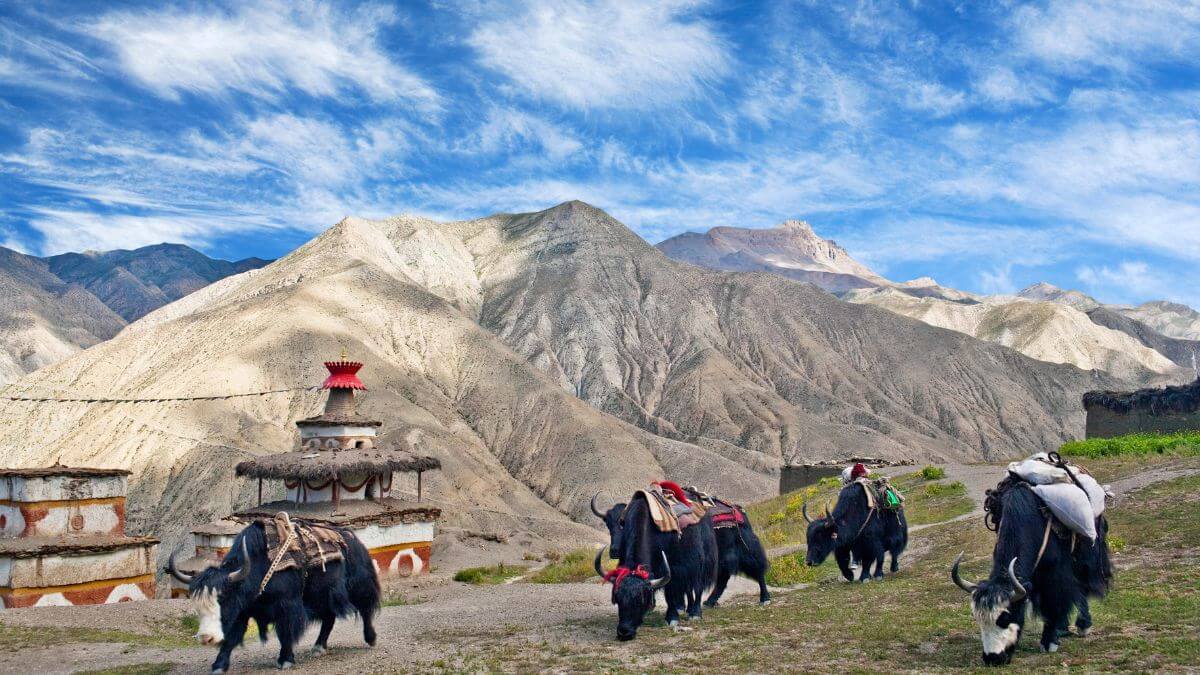
Consequently, trekkers often describe a sense of awe and solitude while traversing these lands, making Dolpo a rare escape from modern civilization.
Glacial Formations and Ancient Himalayan Sediments
Additionally, tectonic activity and glacial movements shaped Dolpo's landscape over millions of years. Evidence includes:
- Glacial valleys from ancient ice sheets
- Moraines lining riverbeds
- Sedimentary rock cliffs revealing geological history
- Mountain passes formed by tectonic shifts
These features make Dolpo a living laboratory for geologists, while also providing travelers with dramatic scenery.
Dolpo Himalaya Scenery Through Seasons
Moreover, each season in Dolpo offers unique experiences:
- Spring: Snowmelt creates flowing rivers, and alpine flowers bloom.
- Summer: Green meadows appear at lower elevations, with clear skies perfect for trekking.
- Autumn: Crisp air and golden grasslands create ideal trekking conditions.
- Winter: Snow blankets the high passes, offering a stark but stunning landscape.
Major Himalayan Peaks and Mountains in Dolpo
Dolpo is home to some of the most remote and majestic peaks in Nepal, offering both natural beauty and spiritual significance.
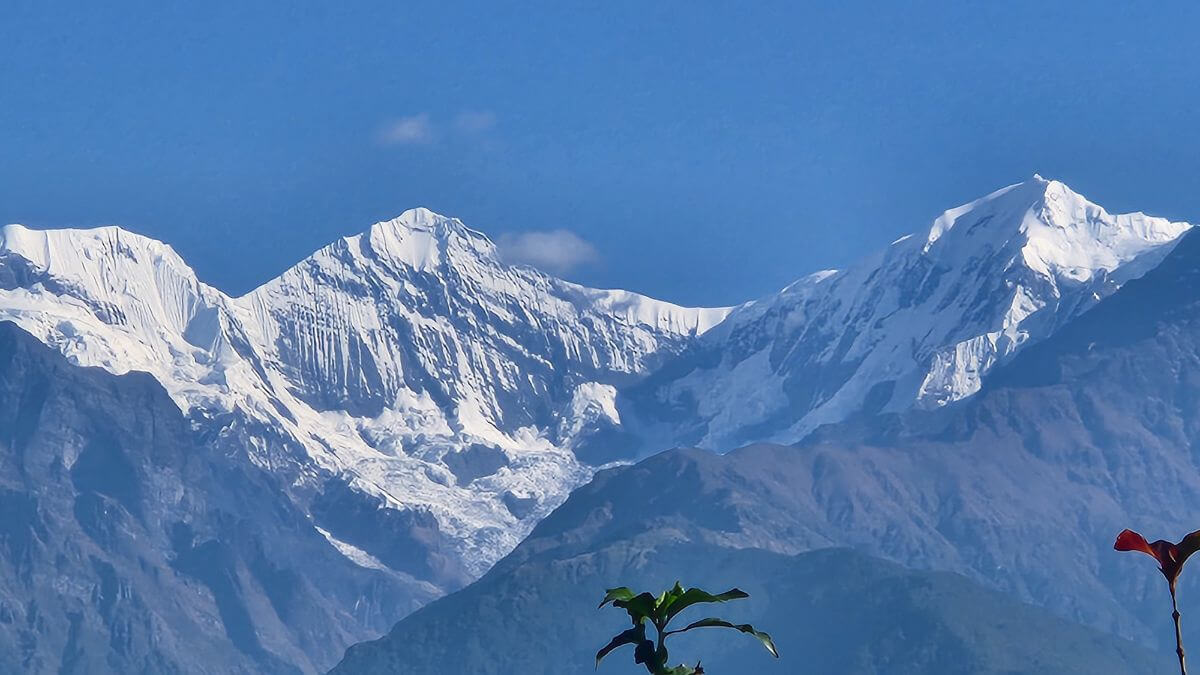
Crystal Mountain (Shel Ribo)—Sacred Himalayan Peak
Crystal Mountain is revered for its spiritual significance. Pilgrims walk around it in ceremonial rituals, believing it brings blessings. Its crystal-like mineral formations add to its mystique, and locals protect it carefully.
Kanjirowa Himal – The Towering Guardian of Dolpo
Kanjirowa Himal dominates northern Dolpo, its glaciers feeding rivers that sustain villages below. Moreover, it influences local climate patterns, creating wind corridors and natural protection. Consequently, Kanjirowa is seen as a guardian of Dolpo, both physically and culturally.
Hidden Peaks of Upper Dolpa Himalayas
Furthermore, Upper Dolpo contains several peaks rarely explored. Their remoteness preserves the ecological balance and enhances the sense of adventure for trekkers seeking solitude. Verified mountaineering reports confirm that these peaks remain largely unclimbed, adding mystery and allure.
Plan your Upper Dolpo Trek for the most surreal experience that you will ever have.
Natural Wonders of Dolpo Himalaya
Dolpo Himalaya is home to some of Nepal’s most extraordinary natural landscapes, offering trekkers and travelers a rare combination of beauty, culture, and adventure.
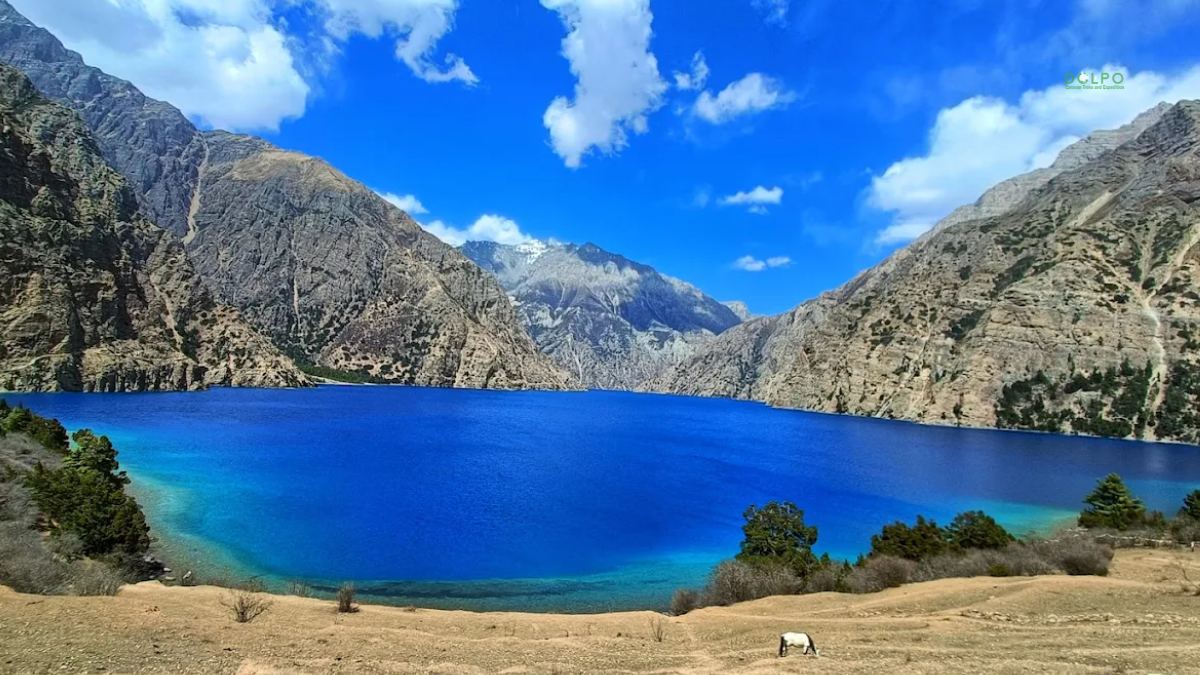
Shey Phoksundo Lake—The Himalayan Jewel
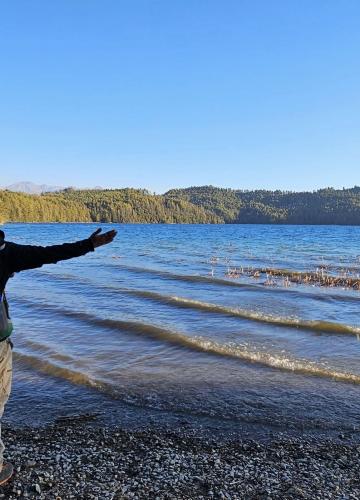
Shey Phoksundo Lake is an emerald-blue jewel amidst rugged cliffs. Not only is it Nepal’s deepest lake, but it also serves as a sacred site for Bon practitioners. Consequently, it blends natural beauty with spiritual significance, captivating visitors and scholars alike.
High Passes and Plateaus Above 5,000 Meters
Crossing Dolpo’s high passes challenges trekkers physically but rewards them with panoramic views of untouched valleys and peaks. These passes, often covered with snow or wind-carved rocks, highlight both logos (geographic reality) and pathos (emotional achievement).
Alpine Meadows and Wild Himalayan Landscapes
During the warmer months, alpine meadows bloom, providing habitats for rare Himalayan wildlife. These areas demonstrate nature’s resilience, logos-supported by ecological studies, while inspiring pathos through beauty and tranquility.
Climate & Ecosystem of the Dolpo Himalayas
The cold desert climate of Inner Dolpo Himalaya experiences various climatic conditions throughout the year, such as:
- Minimal rainfall
- Cold winds
- Harsh winters
- Dry high valleys
These conditions explain why the ecosystem is specialized and why the landscape remains largely barren yet striking.
Unique Flora of the High Himalayan Ridge
Additionally, Dolpo’s flora is exceptional for the following reasons:
- Blue pine and birch in the lower valleys
- Juniper and medicinal herbs at higher altitudes
- Alpine shrubs and rare flowers on high plateaus
Research confirms that these species have adapted uniquely to the extreme environment, highlighting ethos and scientific credibility.
Wildlife in Dolpo Himalaya (Snow Leopard, Blue Sheep)
Dolpo’s wildlife includes:
- Snow Leopard, an endangered predator
- Blue Sheep (Bharal), primary prey for predators
- Musk Deer, Himalayan Wolf, and Tahr
- Rare Himalayan birds
Cultural Harmony with Himalayan Nature
Dolpo is known for its beautiful scenery and the way its people live in harmony with nature. Over centuries, the inhabitants of Dolpo have developed cultural and spiritual practices that allow them to thrive in one of the harshest regions of the Himalayas. Their traditions reflect a deep respect for the land, the mountains, and the Dolpo wildlife, forming a bond between humans and nature that is rare in the modern world.
Bon Beliefs Rooted in Mountains and Spirits: The Bon religion, which came before Tibetan Buddhism, is one of the most fascinating parts of Dolpo's culture. Bon teaches that sacred spirits inhabit mountains, rivers, and lakes, and humans should treat these natural features with deep respect and reverence.
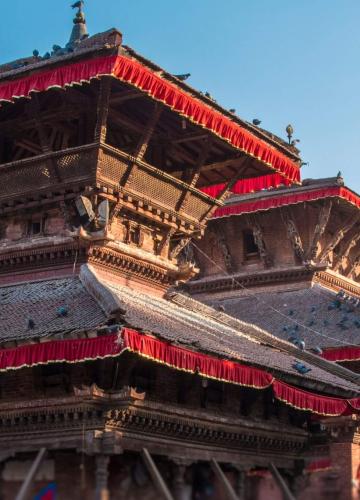
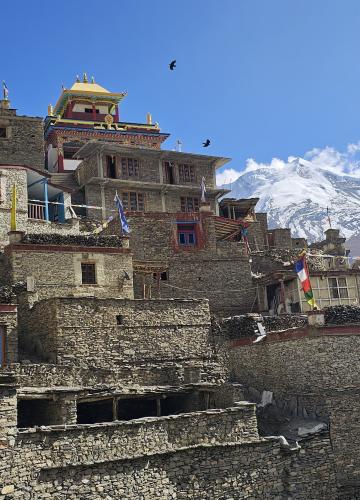
Ancient Himalayan Settlements and Stone Villages: Dolpo’s villages are built with local stone and mud, blending seamlessly into the surrounding landscape. The architecture is highly functional, as the thick walls protect against freezing temperatures, flat rooftops allow snow to melt safely, and settlements are positioned near water sources and grazing lands to maximize resources.
Pilgrimage Sites & Mountain Worship Traditions: Monasteries, stupas, and holy lakes in Dolpo show how people and nature are spiritually connected. Shey Phoksundo Lake, for instance, is not only a natural wonder but also a revered pilgrimage site. Local rituals performed at the lake reflect a profound respect for its waters and the protective spirits believed to reside there.
Sustainable Practices in Daily Life: The people of Dolpo practice sustainable living out of both necessity and tradition. Livestock grazing is carefully managed to prevent overuse of pasturelands. Medicinal herbs are harvested in small, sustainable quantities. Barley cultivation follows seasonal cycles that maintain soil fertility.
The Symbiosis of Nature and Culture: Ultimately, the harmony between Dolpo’s culture and environment represents a living symbiosis. People depend on the land for sustenance, while their spiritual beliefs, architecture, and traditions protect it. This balance ensures that Dolpo remains one of the last untouched regions of the Himalayas, where nature and culture thrive together.
Mystique & Myths of Dolpo Himalaya
Dolpo Himalaya is not only a land of stunning landscapes but also a region steeped in culture, spirituality, and ancient traditions. Dolpo’s valleys are among the most remote in Nepal. As a result, local communities have preserved centuries-old traditions. Sacred lands and monasteries, such as Shey Gompa, reflect deep cultural and spiritual values.
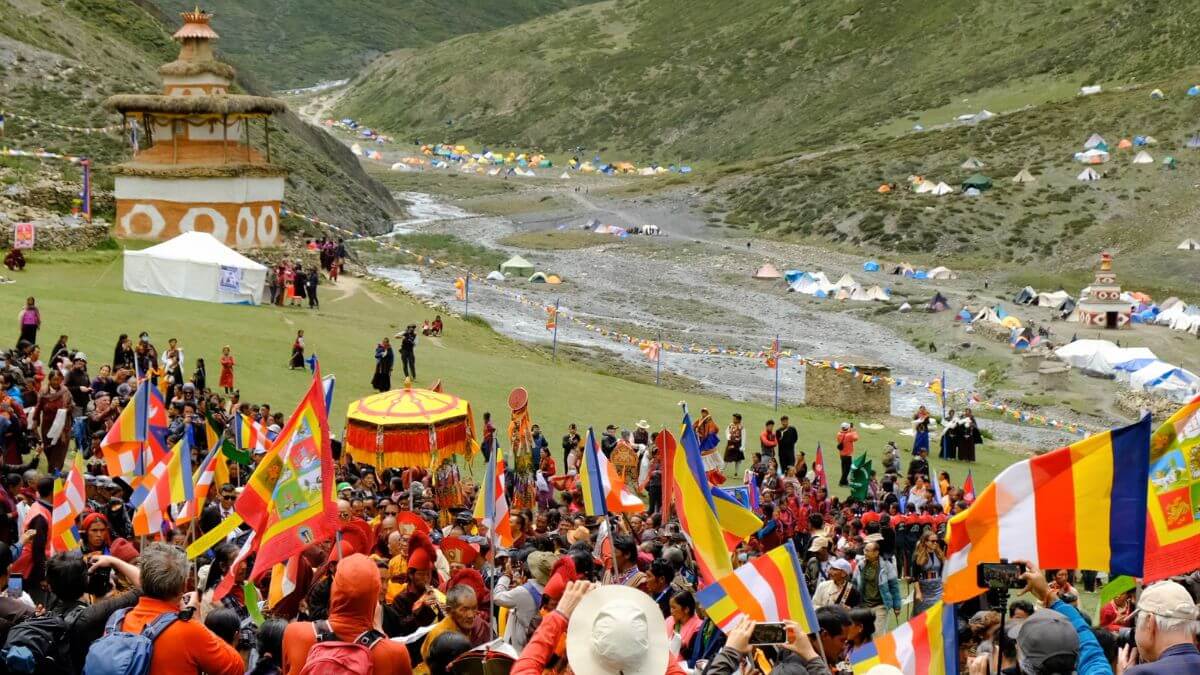
Consequently, travelers experience authentic cultural life, not imagined myths, which creates a lasting emotional connection (pathos) to the region.
Caravan Routes Across the Himalayan Mountains
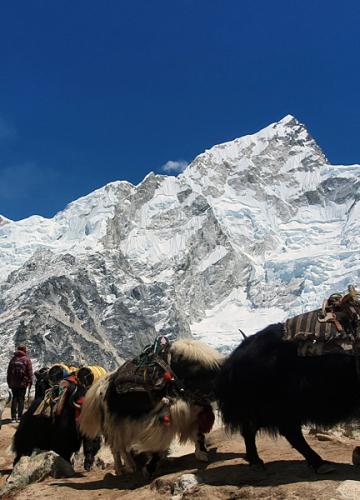
Historically, Dolpo served as a vital trade corridor between Nepal and Tibet. Specifically, traders carried salt, wool, and barley over high mountain passes. Moreover, these routes highlight human ingenuity in adapting to harsh Himalayan conditions, which adds historical depth and credibility to Dolpo’s story.
Folklore of Snow Spirits and Mountain Deities
Local beliefs emphasize respect for mountains and natural guardians. In addition, residents maintain monasteries and honor mountain deities, which reveals their spiritual bond with the environment. Thus, these traditions help preserve culture while allowing visitors to understand the spiritual life of Dolpo.
The Future of Dolpo Himalaya
The future of Dolpo depends on a careful balance. If communities, visitors, and policymakers work together, the region can preserve its unique landscapes, traditions, and wildlife. Ultimately, understanding Dolpo’s challenges and participating in responsible practices ensures that future generations can experience the same awe-inspiring environment and culture that travelers enjoy today.
Climate Challenges in a Fragile Himalayan Zone
Dolpo faces significant environmental challenges due to climate change. For example, melting glaciers, unpredictable rainfall, and rising temperatures threaten local ecosystems and wildlife. Consequently, understanding these risks illustrates the importance of sustainable practices and responsible tourism.
Conservation of the Dolpo Himalayas Landscape
To address these threats, local communities and organizations have taken active steps to protect Dolpo’s natural and cultural heritage. For instance, Shey Phoksundo National Park preserves endangered species, forests, and high-altitude wetlands. Furthermore, such efforts encourage visitors to explore Dolpo in ways that support conservation rather than harm it.
Balancing Preservation and Exploration
People who visit Dolpo can enjoy its beauty while also protecting the environment. By following eco-friendly trekking practices, such as staying on designated paths and minimizing waste, visitors help reduce environmental impact. In addition, respecting local traditions and customs ensures that culture remains strong. Thus, this balance appeals to both pathos and logos: travelers feel connected emotionally to the land while understanding the practical importance of preservation.
Final Thoughts
Dolpo Himalaya is more than a destination; it is a living testament to the power of nature, culture, and resilience. Its high plateaus, sacred lakes, ancient stone villages, and untouched wildlife create a unique blend of adventure, spirituality, and ecological wonder. By exploring Dolpo responsibly, travelers not only witness its raw beauty but also honor centuries-old traditions and help protect a fragile ecosystem. The region teaches us that true exploration goes hand in hand with respect for both nature and culture.
Are you ready to discover Nepal’s hidden highlands? Plan your journey to Shey Phoksundo Lake, trek past sacred peaks like Crystal Mountain, and experience the remote beauty of Dolpo Himalaya. Join our eco-friendly expeditions and travel responsibly while supporting local communities.
Travel to the untouched lands of Dolpo and witness the ancient civilization with Dolpo Caravan Treks. Contact us today to get started on your journey.
All About Dolpo
Dolpo Region | Dolpo History | Dolpo Geography | Dolpo People & Ethnic Groups | Dolpo Flora & Fauna | Bon Religion in Dolpo | Shey Festival | Shey Gompa | Shey Phoksundo National Park | Phoksundo Lake | Dolpo Yarsagumba | Dolpo Caravan Trade
Popular Dolpo Trekking Packages
Upper Dolpo Trek | Lower Dolpo Trek | Beni Dolpo Trek | Phoksundo Lake Tea House Trek | Phoksundo Bon Cultural Trek | Mugu Dolpo Trek | Jumla Kagmara Dho Tarap Culinary Trek
FAQs
What makes Dolpo Himalaya different from other Himalayan regions?
Dolpo region or Dolpo Himalaya's desert-like climate, Tibetan-influenced culture, and low tourism make it unique and different from other Himalayan regions.
Which famous mountains are found in Dolpo?
The famous mountains in Dolpo include Crystal Mountain, Kanjirowa Himal, and the hidden Upper Dolpa peaks. But there are many other smaller ones to watch for in this region as well.
What is the geography of Inner Dolpo like?
Inner Dolpo’s geography combines high-altitude plateaus, arid valleys, alpine meadows, and snow-capped peaks. Making this geography one of the most unique ones all over Nepal.
Is Dolpo part of the Trans-Himalayan range?
Yes, Dolpo lies north of the main Himalayan chain and is part of the Trans-Himalayan range.
What wildlife is found in Dolpo?
Dolpo is often home to snow leopards, blue sheep, musk deer, Himalayan wolves, and rare birds. These wildlife are hard to encounter and often rarely seen, but if you get to witness it, consider yourself very lucky.
Why is Crystal Mountain sacred?
Crystal Mountain is considered sacred because the local Bon and Buddhist traditions consider it spiritually powerful. The mountain has been worshipped for generations, and the local customs have been passed down from generation to generation, keeping the traditions alive.
How does Dolpo remain isolated?
Dolpo still remains isolated because the harsh terrain, high altitude, and limited access protect it from mass tourism. As one of the restricted areas due to it being a historically significant place, there are multiple steps before anyone can step onto the Dolpo trekking area.

Leave Your Comment