
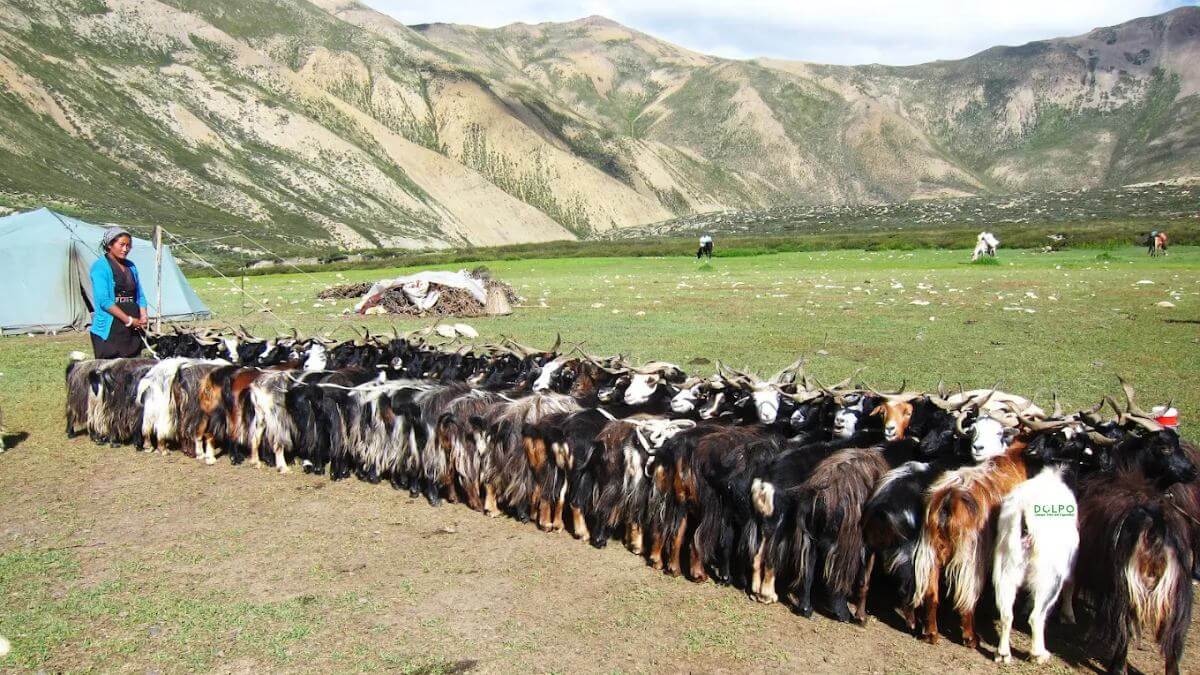
Dolpo Flora and Fauna – Exploring Himalayan Biodiversity
Dolpo is one of the most remote and untouched regions of Nepal. Dolpo lies in the far west, hidden behind the mighty Dhaulagiri range. This land is known for its dramatic landscapes, turquoise lakes, and high passes. But more than that, Dolpo is also home to a rich variety of plants and animals.
Most of Dolpo falls inside Shey Phoksundo National Park. This is Nepal’s largest national park and a true treasure for nature lovers. The mix of high mountains, deep valleys, and dry Tibetan plateaus makes Dolpo a rare ecosystem in the Himalayas. Travelers who come here are amazed by the biodiversity they discover.
Flora of Dolpo – Alpine Plants and Medicinal Herbs
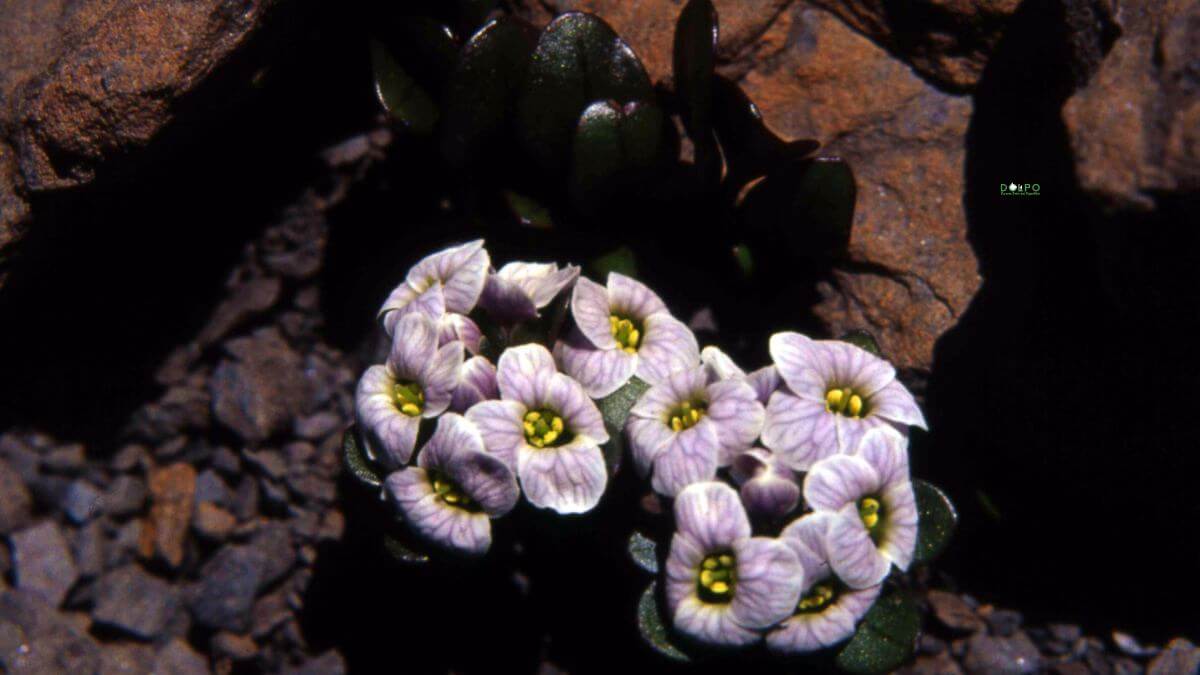
Walking through Dolpo, you quickly notice how the land changes with every step uphill. Lower valleys are dotted with pine, juniper, and birch trees, their branches twisted by mountain winds. Higher up, rhododendrons color the slopes in spring, while hardy shrubs cling to rocky soil where little else can grow.
Dolpo is also famous for its medicinal herbs. Local people collect yarsagumba (a caterpillar fungus prized in traditional medicine) and jatamansi, a fragrant root used for healing. These plants are not only important for the ecosystem but also play a role in the livelihood of Dolpo’s communities.
Seasons change the way Dolpo looks. In spring and summer, the meadows bloom with flowers and herbs. In winter, most plants disappear under snow. The land becomes bare and silent. This cycle of life makes Dolpo’s flora special and worth seeing at different times of the year.
Fauna of Dolpo – Rare Wildlife and Endangered Species
Dolpo is just as rich in wildlife as it is in plants. The most famous resident is the elusive snow leopard, which silently roams the cliffs. Spotting one is rare, but just knowing it’s nearby adds a sense of mystery to the journey.
Dolpo is home to some of the most unique Himalayan animals. Trekkers often spot wildlife during quiet walks across meadows and near Shey Phoksundo National Park. Some of the key mammals include:
- Snow leopard – rare and elusive predator of Dolpo
- Blue sheep (bharal) – often seen grazing on high ridges
- Himalayan wolf – adapted to the cold Dolpo climate
- Musk deer – known for their musk pod, found in forests
- Himalayan tahr – wild goat-like animal found on cliffs
(Shey Phoksundo National Park covers 3,555 sq. km and shelters over 200 bird species and 29 mammal species, making it one of Nepal’s richest biodiversity zones.)
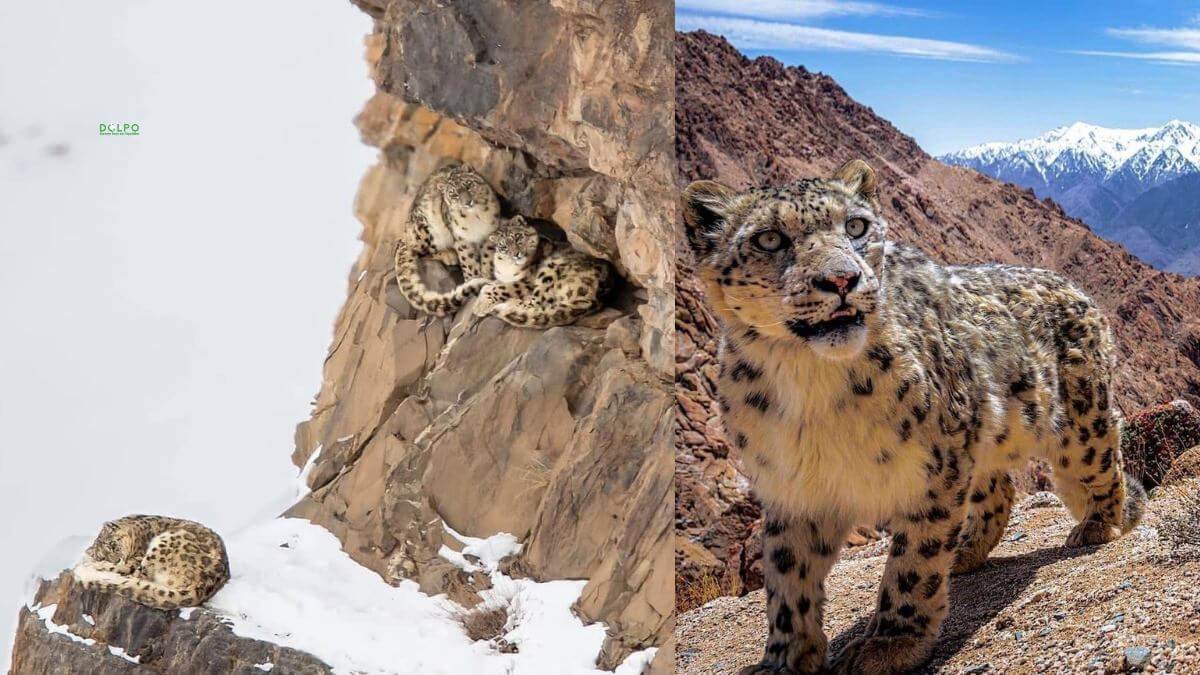
The most famous animal of Dolpo is the snow leopard. It is rare, shy, and hard to spot, but it lives in the rocky cliffs of Upper Dolpo. Other animals include blue sheep, also called bharal, which are often seen on grassy slopes. Musk deer hide in the forests, and Tibetan wolves roam the wild valleys.
If you want to maximize your chances of spotting this elusive big cat, a Snow Leopard Trek in Dolpo can be tailor made for wildlife lovers.
Birdlife in Dolpo
Dolpo is also rich in birdlife. You can find Himalayan monals, the colorful national bird of Nepal. Huge Himalayan griffons glide in the skies, while Tibetan snowcocks run across the slopes. Near Phoksundo Lake, many migratory birds can also be seen.
Endangered Wildlife in Shey Phoksundo National Park
Shey Phoksundo National Park protects many endangered species. Snow leopards, musk deer, and Himalayan tahr all find shelter here. This makes Dolpo an important area for global conservation.
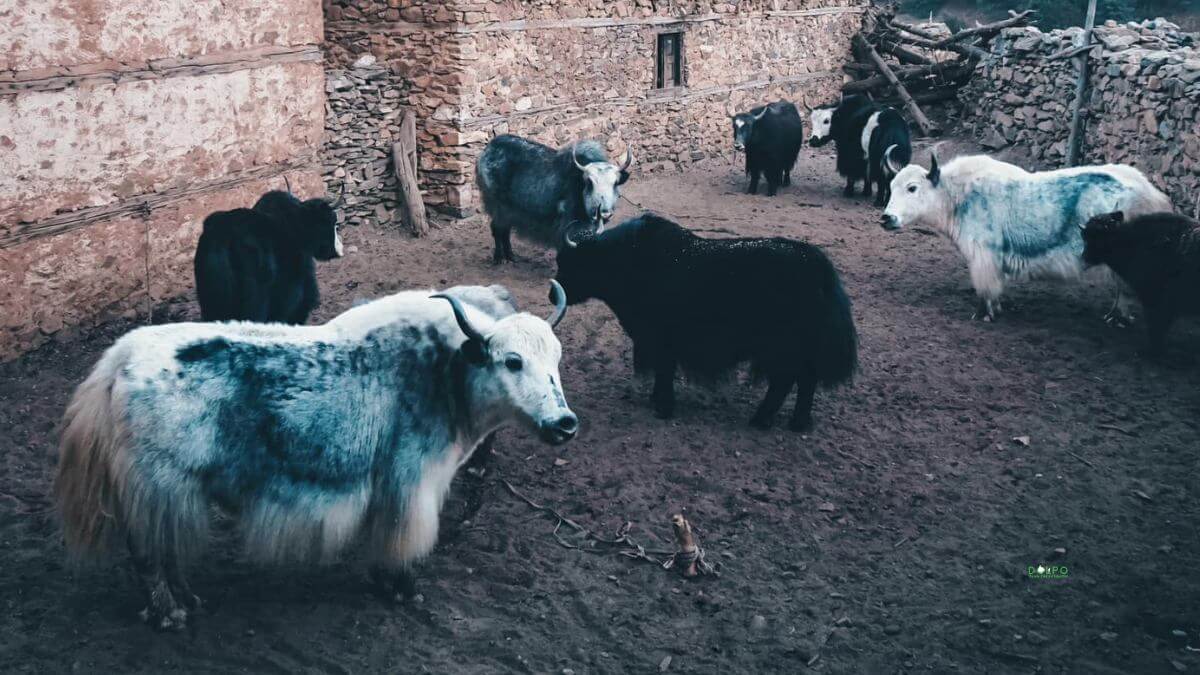
Shey Phoksundo National Park Flora and Fauna
Most of Dolpo’s wildlife is protected within Shey Phoksundo National Park, Nepal’s largest national park, covering over 3,500 square kilometers. The park shelters more than 200 species of birds and nearly 30 species of mammals. Trekkers often see blue sheep grazing on high ridges, and with luck, even signs of snow leopards.
A Phoksundo Lake Tea House Trek is one of the best ways to explore this rich biodiversity while visiting the iconic Phoksundo Lake.
Upper Dolpo Flora and Fauna – The Remote Wilderness
Upper Dolpo is even more remote. Life here has adapted to dry winds and cold temperatures. Plants are low and sturdy, and animals powerful enough to make their way through the thin air. Blue sheep are often seen in herds, climbing steep cliffs with ease. Snow leopards follow them as their main prey. To the tourists, these animals seem like they have entered into another dimension seeing them in the wild.
Trekkers who choose the Upper Dolpo Trek often describe it as a journey into a living museum of nature and culture.
Conservation Challenges in Dolpo
Dolpo region biodiversity is under pressure. Climatic change is moving to vegetation areas. Wildlife faces threats from poaching and shrinking habitats. At the same time, overharvesting of medicinal herbs puts local plants at risk.
But there is hope. Local communities, together with the national park, are working to protect this land. Trekking tourism also helps, as part of the income goes into conservation. Responsible travelers play a role in keeping Dolpo’s ecosystem safe for the future.
Trekking in Dolpo – Where to Spot Flora and Fauna
Spring and autumn are the best times to explore Dolpo’s nature. In spring, flowers bloom and animals move around more freely. Autumn offers clear skies and a higher chance of seeing wildlife in the open.
Trekkers can enjoy nature on routes like the Phoksundo Lake trek, the Upper Dolpo trek, and the journey to Shey Gompa. Along the trails, you may see rare flowers, herds of blue sheep, or soaring birds. Carrying binoculars makes the journey even more exciting.
Conclusion – Why Dolpo Flora and Fauna Matters
Dolpo is more than just mountains and trails. It is a living land where rare plants and animals still exist. Each and every corner of Dolpo has something to tell, starting from quiet woods down to the land of high deserts. Protecting this rich biodiversity is not only important for Nepal but also for the whole world. Visiting Dolpo gives travelers a chance to witness one of the last untouched ecosystems in the Himalayas.
If you dream of exploring Dolpo’s wild beauty, consider a tailor-made Snow Leopard Trek or the Upper Dolpo Trek. These journeys give you the chance to see rare wildlife and connect deeply with this untouched corner of the Himalayas.
All About Dolpo
Dolpo Region | Dolpo History | Dolpo Himalaya | Dolpo Geography | Dolpo People & Ethnic Groups | Bon Religion in Dolpo | Shey Festival | Shey Gompa | Shey Phoksundo National Park | Phoksundo Lake | Dolpo Yarsagumba | Dolpo Caravan Trade
Popular Dolpo Trekking Packages
Upper Dolpo Trek | Lower Dolpo Trek | Beni Dolpo Trek | Phoksundo Lake Tea House Trek | Phoksundo Bon Cultural Trek | Mugu Dolpo Trek | Jumla Kagmara Dho Tarap Culinary Trek
FAQs
What plants are found in Dolpo?
Dolpo is a combination of alpine forests, shrubs and high altitude grassland. Common plants include juniper, birch, and rhododendron. The region is also famous for medicinal herbs like yarsagumba and jatamansi, which locals use in traditional healing. These plants thrive in different elevations, making Dolpo rich in unique Himalayan flora.
Which animals live in Dolpo?
The Dolpo region is home to rare Himalayan wildlife. Snow leopards, blue sheep, musk deer, and Tibetan wolves are some of the most iconic mammals found here. Trekkers can also spot smaller animals like pika and marmots in the grasslands. This mix of species makes Dolpo a natural haven for wildlife lovers.
Where can I see flora and fauna in Dolpo?
The best place to see Dolpo’s biodiversity is Shey Phoksundo National Park. The park covers forests, alpine meadows, and high plateaus where many species live. Visitors trekking near Phoksundo Lake and Upper Dolpo valleys often encounter rare plants and animals. It is considered one of Nepal’s most pristine natural areas.
Is Dolpo good for birdwatching?
Yes, Dolpo is an excellent destination for birdwatching. Himalayan monals, Tibetan snowcocks, and Himalayan griffons are common sightings. Around Phoksundo Lake, migratory birds visit seasonally, adding to the diversity. Bird lovers often find Dolpo rewarding because of its untouched habitats.
When is the best time to explore Dolpo’s flora and fauna?
Spring (April to June) and autumn (September to November) are the ideal seasons to see Dolpo’s biodiversity.During the springtime, there are flowers and herbs blooming upon the grassland. And during the autumn, the weather is clear and wildlife can be observed effortlessly. Choosing the right season makes the experience more enjoyable.




Leave Your Comment