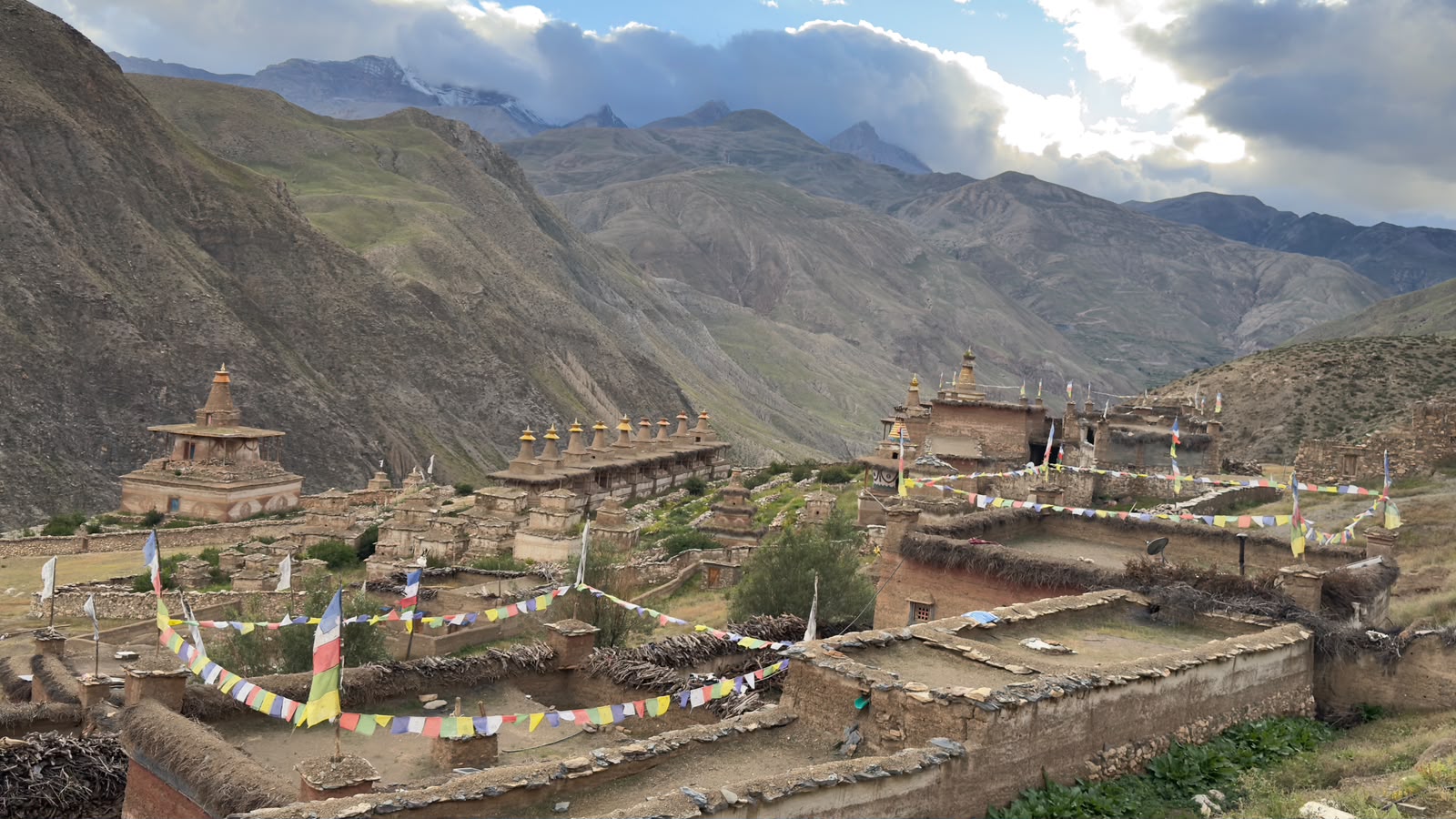
Upper Dolpo Trek

Trip Facts

Duration:
25 days
Trekking Region:
Dolpo Region
Max. altitude:
5,350m
Grading:
Moderate to Demanding
Best Time:
April to June & Sep to Nov
Group size:
Min 2 Pax
Accomodation:
Camping and Lodge
Meals:
Lunch, Breakfast and Dinner
Trasportation:
Flight and Private vehicles

Trip Highlights

  • Trek through one of Nepal’s most remote and least visited areas
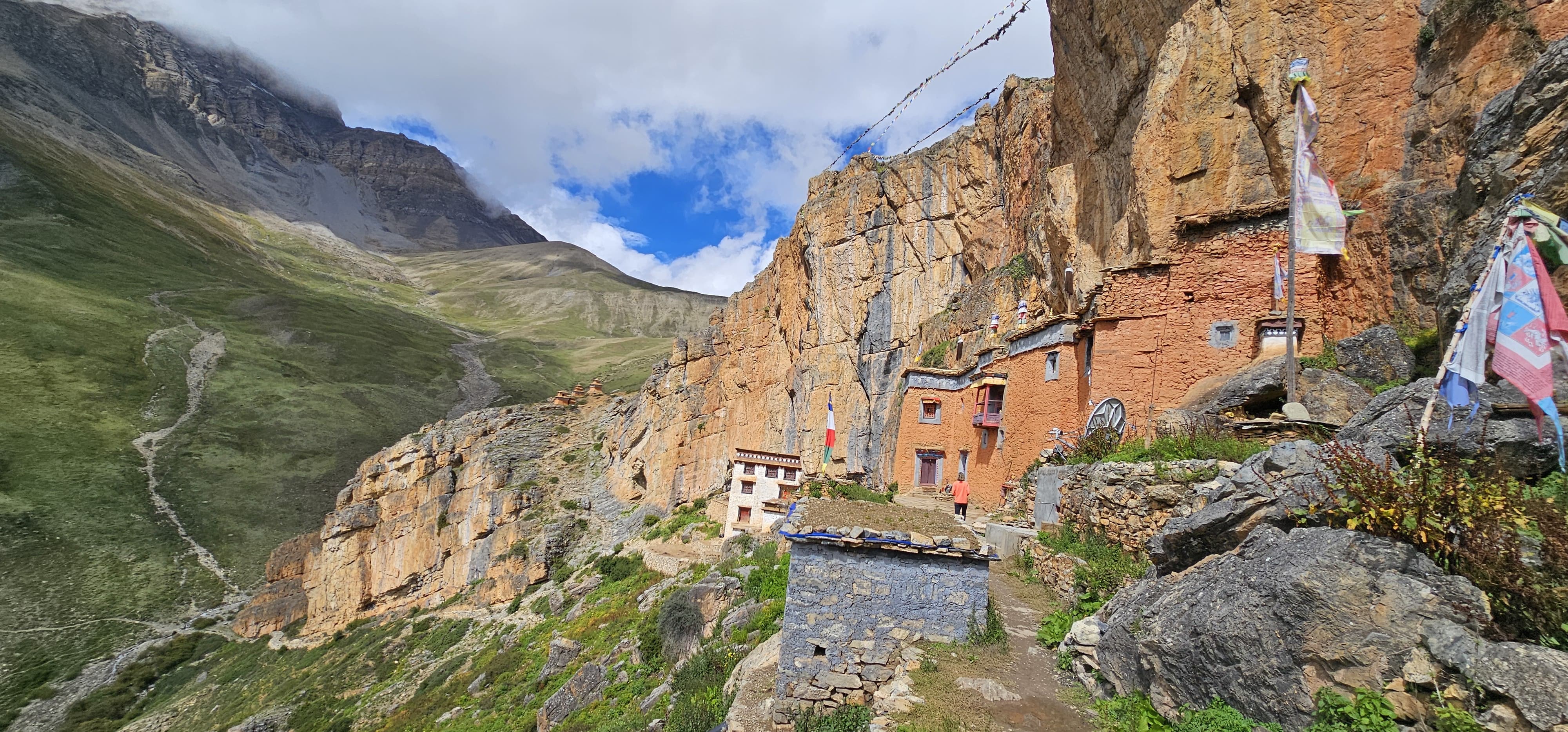
  • Visit Shey Gompa, one of the oldest monasteries in Upper Dolpo
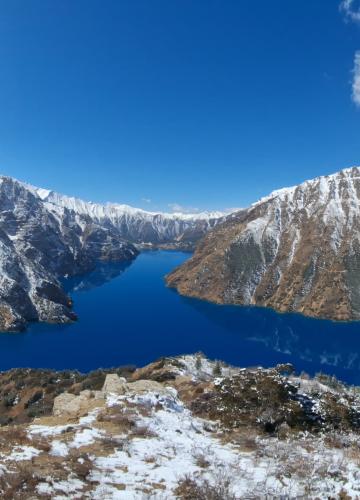
  • Explore Phoksundo Lake and the cliffs around it
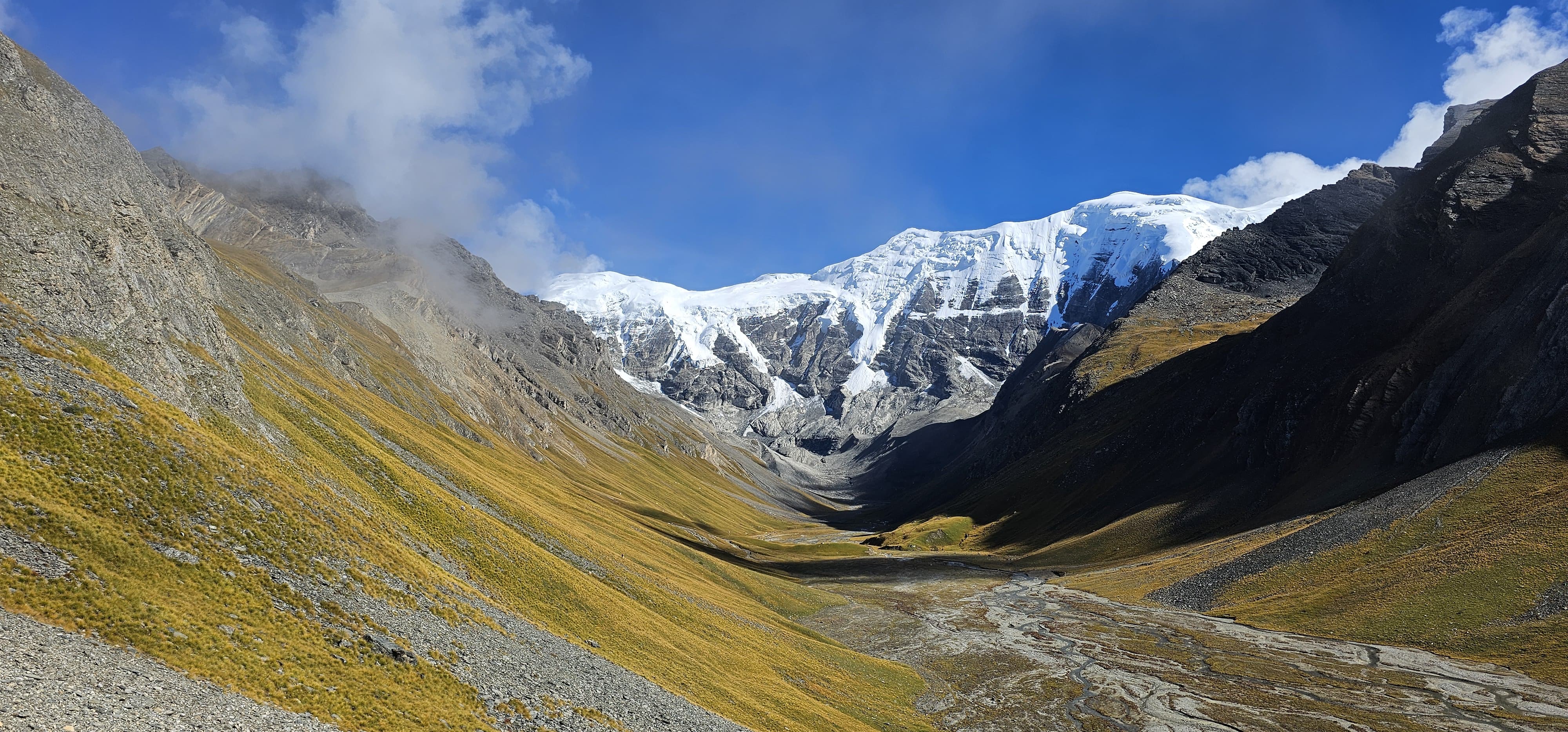
  • Cross high Himalayan passes, including Larkye La Pass
  • Visit the Shey Phoksundo National Park
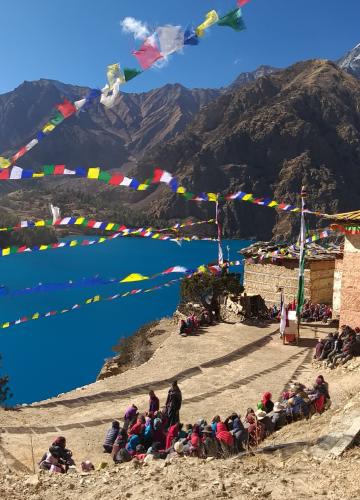
  • See the Bon and Tibetan-influenced culture that’s still preserved
  • Walk along old trade routes that connect the remote villages
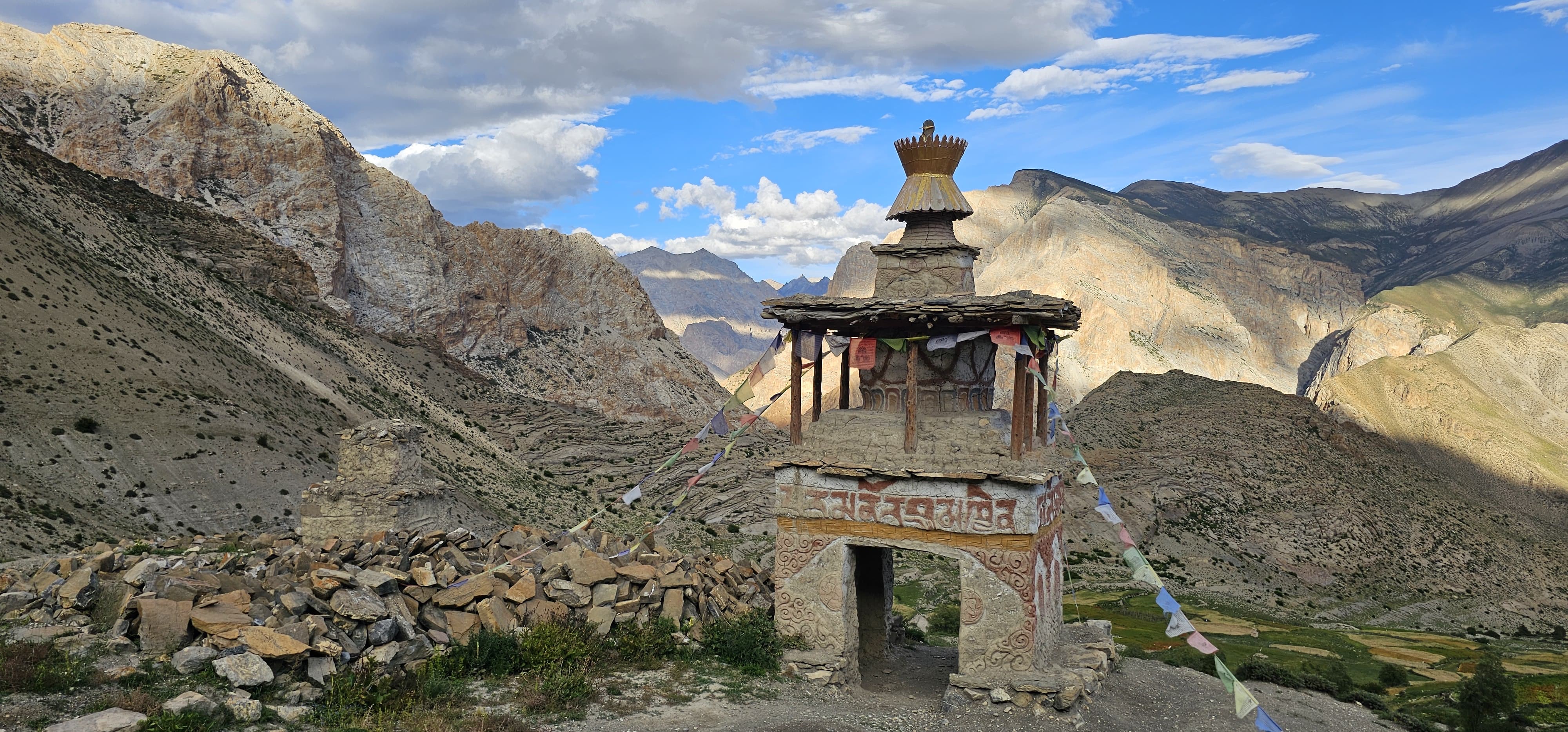
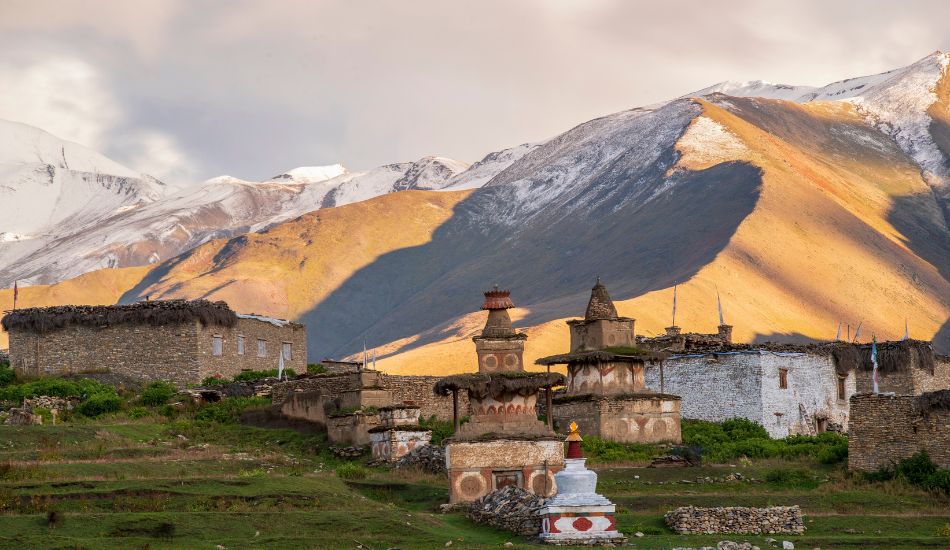
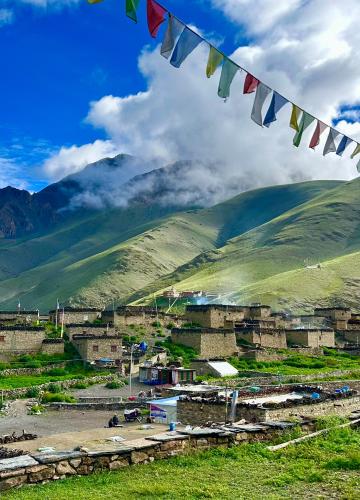
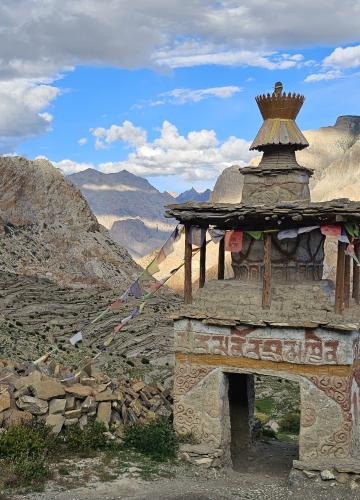
  • Check out traditional Dolpo villages, chortens, and mani walls

Trip Overview

The Upper Dolpo Trek is one of Nepal’s most remote adventures, located far in western Nepal near the Tibetan plateau. This trek takes you well away from busy trails into a place where getting in is limited, villages are rare, and people still live as they have for hundreds of years. The land is open and wild, shaped by wind, high altitude, and being so far from other people, not by tourists.

This is a long, high-altitude trek where you camp all along the way. It’s meant for trekkers who have experience and want remoteness, culture, and a challenge more than comfort. The trek usually lasts about three to four weeks, depending on the route and how you adjust to the altitude. Because it’s tricky to organize, having a fully supported trek with trained guides, proper gear, and careful planning is really important for safety and for enjoying the trip.

Start planning your Upper Dolpo journey with Dolpo Caravan Treks, a team that knows the region inside out.

Upper Dolpo Trek Overview

The Upper Dolpo Trek follows a planned route through high valleys, river gorges, alpine plateaus, and several mountain passes. Starting from lower villages, the trail slowly climbs into the upper Dolpo area, with landscapes that feel more like Tibet than central Nepal.

The trek keeps changing, from narrow valleys carved by rivers to wide open highlands with mountains far away. A big part of the trip is the culture, with visits to traditional villages, chortens, mani walls, and monasteries that are important in local life. Since Upper Dolpo is a restricted area, only a few people can go there, which helps protect both the land and the local culture.

Explore the highlands and attractions, as well as the pathways through the Upper Dolpo Trek Map.

Why Choose the Upper Dolpo Trek?

The Upper Dolpo Trek presents a new experience in possibly the most isolated and uncharted region of Nepal. Trekking will take place through harsh terrains, significantly through the wilderness, and over difficult passes such as the Kang La and Jeng La passes, all beneath great Himalayan giants. This region abounds with Tibetan Buddhism, and there are many monasteries, such as Shey Gompa, which give visitors a glimpse of the old culture of people that still prevails even today.

One of the main attractions is Phoksundo Lake which has very clear water of an intense blue. Contrary to other well-known trekking areas, Dolpo is relatively untouched, meaning you can fully enjoy peace and serenity. Also, for wildlife lovers, the region offers Snow Leopard and Blue Sheep animals, which are very rare breeds. But it is a challening trek that requires physical strength, so be prepared. This trek is usually a good route for experienced trekkers.

Detail Itinerary

Upon arrival at Tribhuvan International Airport, you are welcomed and transferred to your hotel in Kathmandu. After check-in, you have time to rest or take a short walk around the lively streets of Thamel.

In the evening, meet your trekking guide for a detailed briefing about the Upper Dolpo journey. Permits, gear, and logistics are reviewed to ensure everything is ready for departure.

  • Travel Distance: Tribhuvan International Airport to hotel ~6–8 km
  • Travel Type: Private Vehicle
  • Meals: Dinner (depending on arrival time)
  • Accommodation: Hotel

Today you take a late afternoon flight to Nepalgunj in western Nepal. The landscape changes dramatically as you descend from the hills to the flat Terai region. Nepalgunj has a warmer climate and a different cultural feel compared to Kathmandu.

After hotel check-in, the team prepares for the early morning mountain flight to Juphal.

  • Travel Distance: Kathmandu to Nepalgunj ~365 km (by air)
  • Travel Type: Domestic Flight + Private Transfer
  • Meals: Breakfast, Dinner
  • Accommodation: Hotel

An early morning scenic flight takes you to Juphal, the gateway to Dolpo. From the air, you see deep valleys and rugged mountain terrain. The trek begins with a gradual descent toward the Thuli Bheri River before following riverside trails.

You pass small villages and cultivated fields, getting your first real taste of rural Dolpo life before reaching Kageni for overnight camp.

  • Travel Distance: Flight ~145 km | Trek ~8–9 km
  • Travel Type: Flight + Trek
  • Meals: Breakfast, Lunch, Dinner
  • Accommodation: Camping

The trail follows a mix of riverbanks and forested sections with steady elevation gain. Suspension bridges connect small settlements along the way. You begin to feel the remoteness of the region as traffic disappears and the landscape becomes quieter. The day ends at Rechi, a peaceful stop surrounded by hills and farmland.

  • Travel Distance: ~10–12 km
  • Travel Type: Trek
  • Meals: Breakfast, Lunch, Dinner
  • Accommodation: Camping

Today you enter the protected area of Shey Phoksundo National Park. The trail climbs through pine forests and narrow cliffside paths before revealing the stunning turquoise waters of Phoksundo Lake.

The view feels almost unreal, like a hidden jewel in the mountains. You camp near Ringmo village, a traditional settlement influenced by Tibetan culture.

  • Travel Distance: ~12–14 km
  • Travel Type: Trek
  • Meals: Breakfast, Lunch, Dinner
  • Accommodation: Camping

This acclimatization day allows your body to adjust to the altitude. You explore Ringmo village and visit the ancient Bon Gompa overlooking the lake. The Bon religion is older than Tibetan Buddhism and still practiced here.

Short hikes around the lakeside help improve acclimatization while offering incredible scenery.

  • Travel Distance: 3–5 km (exploration walks)
  • Travel Type: Short Hike
  • Meals: Breakfast, Lunch, Dinner
  • Accommodation: Camping

Leaving the lake behind, the trail becomes more rugged and less traveled. You follow narrow paths carved into rocky slopes with dramatic views of deep valleys. Vegetation begins to thin as you gain altitude. The environment shifts toward a dry, high-altitude landscape as you reach Lakey Dunga.

  • Travel Distance: ~10–11 km
  • Travel Type: Trek
  • Meals: Breakfast, Lunch, Dinner
  • Accommodation: Camping

Today’s trek is more demanding as you climb steadily toward high camp. The terrain becomes barren and windswept, typical of the trans-Himalayan region. Camps are set in open alpine terrain with wide mountain views.

Early rest is important in preparation for crossing the high pass tomorrow.

  • Travel Distance: ~8–10 km
  • Travel Type: Trek
  • Meals: Breakfast, Lunch, Dinner
  • Accommodation: Camping

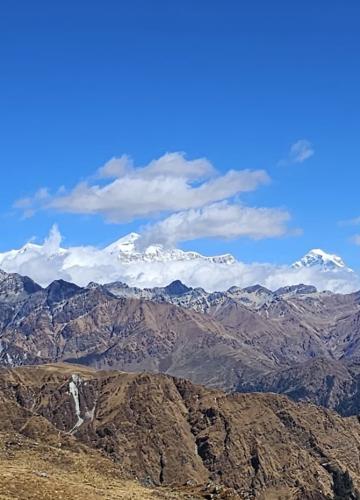
You start early to cross Nagdalo Pass at 5,350 meters. The climb is steady but rewarding, offering panoramic Himalayan views at the top. After enjoying the scenery, you descend carefully toward Shey Gompa.

This ancient monastery is one of the most sacred sites in Dolpo and a major spiritual highlight of the trek.

  • Travel Distance: ~12–13 km
  • Travel Type: Trek (High Pass Crossing)
  • Meals: Breakfast, Lunch, Dinner
  • Accommodation: Camping

Today is for exploration and cultural immersion. You hike to Tsakang Gompa, perched dramatically on a hillside above the valley. The monastery holds deep religious significance and offers stunning views.

The rest of the day is spent exploring the surroundings and learning about local traditions.

  • Travel Distance: 4–6 km (round trip hike)
  • Travel Type: Hike
  • Meals: Breakfast, Lunch, Dinner
  • Accommodation: Camping

The trail moves across dry ridges and wide valleys shaped by wind and time. The landscape feels open and vast, with scattered settlements along the way. Namgung village sits beneath rocky cliffs and features an old monastery worth visiting.

  • Travel Distance: ~10–12 km
  • Travel Type: Trek
  • Meals: Breakfast, Lunch, Dinner
  • Accommodation: Camping

This is a relatively moderate walking day across open plateau terrain. The path is less steep but exposed to sun and wind. Saldang is one of the largest villages in Upper Dolpo and an important trade center with strong Tibetan cultural roots.

  • Travel Distance: ~10–11 km
  • Travel Type: Trek
  • Meals: Breakfast, Lunch, Dinner
  • Accommodation: Camping

The route follows dry valleys and remote trails used by traders and locals. You see traditional stone houses and prayer walls along the way. The sense of isolation increases as you move deeper into Upper Dolpo’s heartland.

  • Travel Distance: ~11–12 km
  • Travel Type: Trek
  • Meals: Breakfast, Lunch, Dinner
  • Accommodation: Camping

A gradual descent leads through agricultural fields and scattered villages. The terrain feels calmer compared to previous high passes. Shimengaon is quiet and peaceful, offering insight into daily mountain life.

  • Travel Distance: ~12 km
  • Travel Type: Trek
  • Meals: Breakfast, Lunch, Dinner
  • Accommodation: Camping

The trail climbs again through rugged terrain and dry hillsides. You may encounter yak caravans carrying goods across remote routes. Tingue is a small settlement often used by traders and herders.

  • Travel Distance: ~12–13 km
  • Travel Type: Trek
  • Meals: Breakfast, Lunch, Dinner
  • Accommodation: Camping

You enter high pasture land used seasonally for grazing yaks and livestock. The environment is open and windswept with very little vegetation. Camps are set in alpine meadows surrounded by dramatic mountain backdrops.

  • Travel Distance: ~9–10 km
  • Travel Type: Trek
  • Meals: Breakfast, Lunch, Dinner
  • Accommodation: Camping

Another high pass crossing awaits at Chhoila La. The ascent is steady and demanding but manageable with a good pace. After crossing the pass, you descend into the beautiful Tarap Valley and reach Dho village.

  • Travel Distance: ~14–15 km
  • Travel Type: Trek (High Pass Crossing)
  • Meals: Breakfast, Lunch, Dinner
  • Accommodation: Camping

A full acclimatization and cultural day in Tarap Valley. You explore monasteries and traditional homes. The valley is wide and scenic, offering a different feel from the high barren ridges.

  • Travel Distance: 3–5 km (local walks)
  • Travel Type: Short Hike
  • Meals: Breakfast, Lunch, Dinner
  • Accommodation: Camping

The trail descends through narrow gorges and river valleys. The walking becomes easier as altitude drops. Forest sections begin to reappear.

  • Travel Distance: ~12–14 km
  • Travel Type: Trek
  • Meals: Breakfast, Lunch, Dinner
  • Accommodation: Camping

Continue descending along riverside trails and through wooded sections. The air becomes thicker and warmer as you lose elevation.

  • Travel Distance: ~12–13 km
  • Travel Type: Trek
  • Meals: Breakfast, Lunch, Dinner
  • Accommodation: Camping

Reach Dunai, the district headquarters of Dolpo. After days in remote villages, Dunai feels lively and connected. This marks the end of the remote Upper Dolpo section.

  • Travel Distance: ~14 km
  • Travel Type: Trek
  • Meals: Breakfast, Lunch, Dinner
  • Accommodation: Camping

A final gradual walk back to Juphal along familiar trails. You reflect on the journey through one of Nepal’s most remote regions.

  • Travel Distance: ~8–9 km
  • Travel Type: Trek
  • Meals: Breakfast, Lunch, Dinner
  • Accommodation: Camping

Early morning flight to Nepalgunj and onward to Kathmandu. Transfer to your hotel and enjoy a comfortable evening in the city.

  • Travel Distance: Juphal to Nepalgunj ~145 km | Nepalgunj to Kathmandu ~365 km
  • Travel Type: Domestic Flights + Private Transfer
  • Meals: Breakfast, Dinner
  • Accommodation: Hotel

Reserved in case of flight delays due to mountain weather. If not needed, you can relax, shop, or explore heritage sites.

  • Travel Distance: Local city travel as required
  • Travel Type: Private Vehicle
  • Meals: Breakfast
  • Accommodation: Hotel

Transfer to the airport for your international departure, marking the end of your Upper Dolpo adventure.

  • Travel Distance: Hotel to Airport ~6–8 km
  • Travel Type: Private Vehicle
  • Meals: Breakfast (depending on flight time)

Cost Includes

  • 3-night hotel in Kathmandu on a bed-and-breakfast basis
  • Domestic flights from Kathmandu - Nepalgunj and return airfare
  • One expert trek leader with a local assistant
  • All meals ( the best and healthiest food in the local tea houses) And accommodations
  • Trekking permit and national park fees
  • Trekking equipment -Mattresses, Member tents, and Kitchen utensils.
  • Three-time meals during a trek, along with Tea/coffee and snacks.
  • Staff's salary, food, insurance, and clothing.
  • Farewell dinner in Kathmandu.

Cost Excludes

  • Nepal Visa 
  • International flights
  • Personal expenses and meals in Kathmandu.
  • Travel insurance (It's mandatory to have for Rescue and evacuation ).
  • Tips and gratitude for staff and guide. 
  • Donation and local entrance fee.
  • Extra baggage weight on domestic flight
  • Personal expenses like Alcohol, Local fabric, and Local monuments.

Departure Dates

Join Our Fixed Trip Starting Date

TRIP DATES AVAILABILITY PRICE SPACE LEFT
Start date: 10-Mar, 2026
End date: 05-Apr, 2026
USD 3900
Book Now
No Departure Found

Equipments

Packing the right way is really important for a remote, camping-based trek like Upper Dolpo. Once you’re on the trail, it’s hard to get supplies, so you need to be self-sufficient.

Managing weight and layering clothes properly helps with changing temperatures, while guides and porters carry group gear like tents and food. Trekkers are responsible for their own personal items and daily gear.

Clothing for High Altitude & Weather

  • Base layers that keep sweat away from your skin
  • Warm fleece or down jackets
  • Waterproof and windproof jackets and pants
  • Trekking pants, thermal leggings, and warm socks
  • Warm hat, sun hat, and gloves

Footwear

  • Strong trekking boots for rough trails
  • Camp shoes or sandals for around camp
  • Extra socks for cold weather

Trekking Gear & Equipment

  • Big backpack or duffel bag for porters to carry
  • Smaller daypack for things you need each day
  • Trekking poles for support
  • Headlamp with spare batteries
  • Water bottles or hydration system

Sleeping & Camping Essentials

  • Sleeping bag for all seasons
  • Sleeping bag liner for extra warmth
  • Optional personal pillow for comfort

Personal Items & Toiletries

  • Quick-dry towel and basic toiletries
  • Biodegradable soap
  • Sunscreen, lip balm, sunglasses
  • Toilet paper and other hygiene items

Health, First Aid & Medications

  • Prescription medicines and a small first aid kit
  • Medicine for altitude sickness if needed
  • Blister care items and pain relief

Documents & Money

  • Passport with Nepal visa
  • Copies of trekking permits
  • Cash for personal expenses

Optional but Recommended Items

  • Power bank or solar charger
  • Camera or binoculars
  • Snacks or energy bars

Useful Information

Upper Dolpo Trek Cost

The Upper Dolpo trekking package for 25 days costs about USD 3,900 per person. This includes restricted area permits, domestic flights, camping setup, and a full support team needed for safe travel in one of Nepal’s most remote areas.

Cost Inclusions

  • Restricted area and national park permits
  • Licensed trekking guide, porters, and support staff
  • Domestic flights to and from Juphal and internal transport
  • All meals during trekking days and camping gear
  • Accommodation in Kathmandu and Nepalgunj

Additional or Optional Costs

  • Personal trekking gear and clothes
  • Travel insurance and emergency evacuation coverage
  • Tips for guides and porters
  • Optional itinerary changes or extra services

Contact us for a detailed cost breakdown to plan your Upper Dolpo trek with confidence.

Food & Accommodation

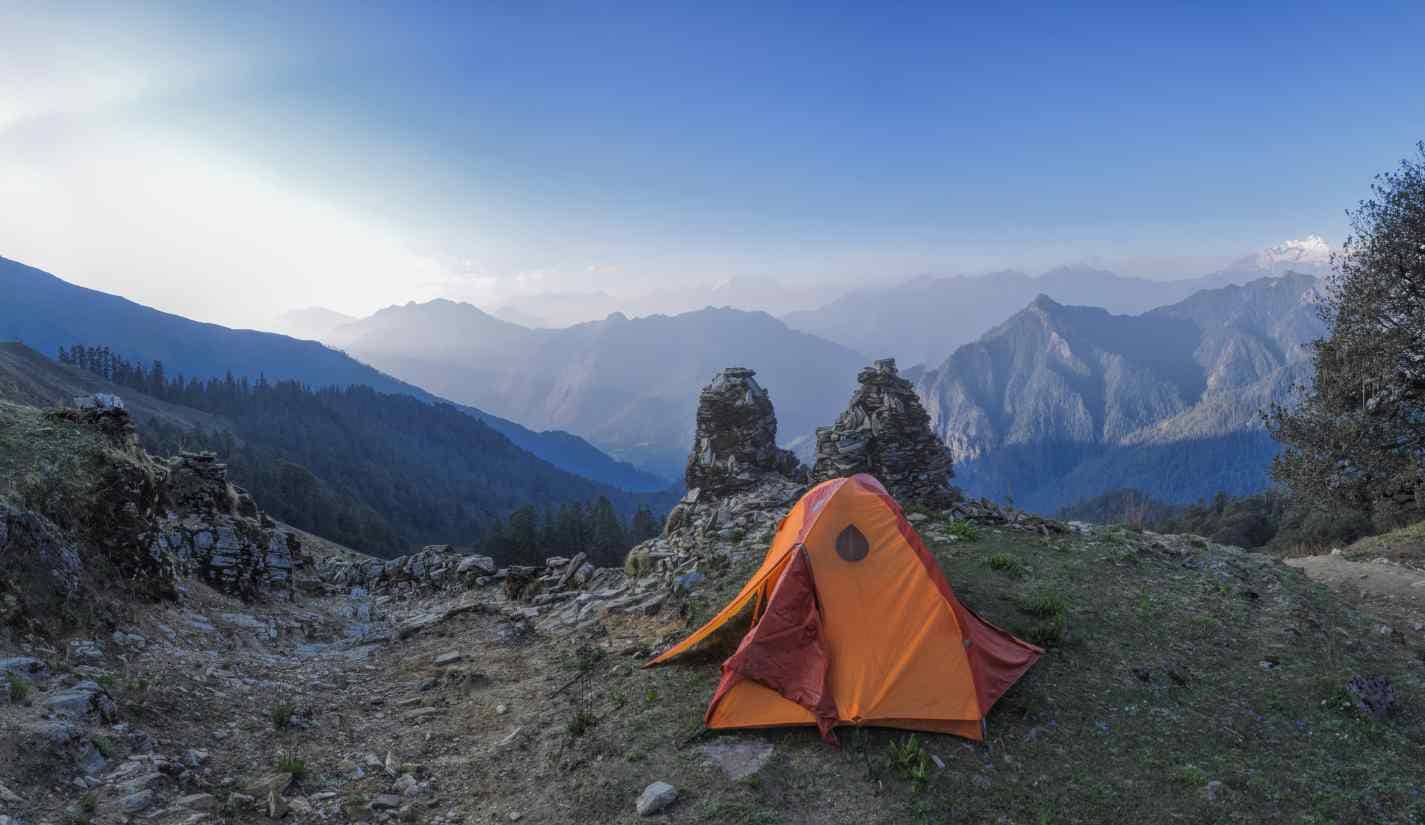
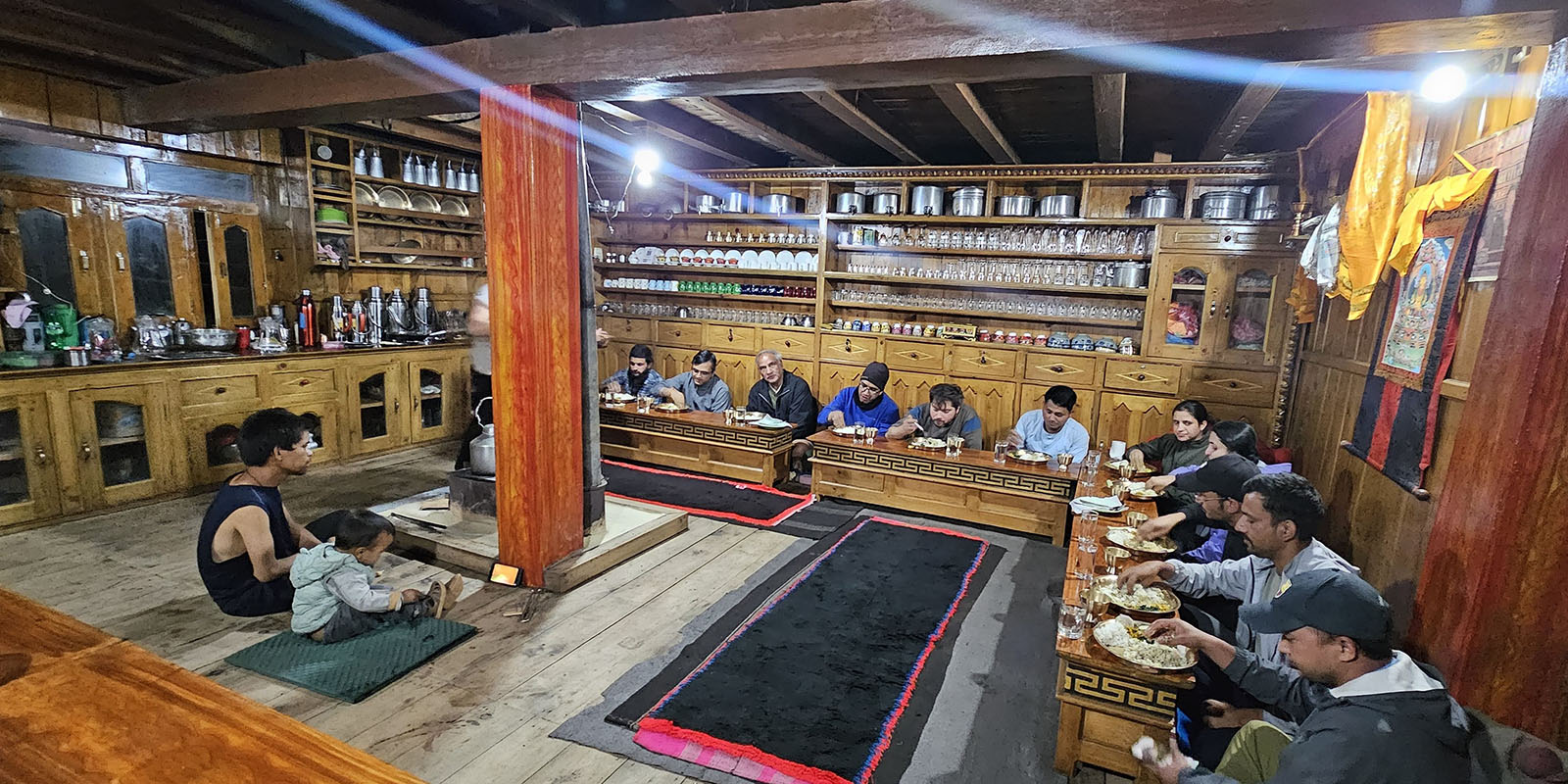
The Upper Dolpo Trek is fully camping-based because permanent lodges are almost nonexistent along this remote route. Daily life on the trek is centered around tents, campsites, and meals made by the trekking crew.

Accommodation:

  • Trekking tents include sleeping tents for each person, dining tents, and a kitchen tent.
  • Sleeping tents usually fit 2 people, with options for solo use if needed. Mats or foam pads are provided to keep you insulated from the cold ground.
  • Campsites are chosen near water sources or flat areas close to villages when possible. This helps with safety, stability, and access to natural resources.

Meals and Cooking:

  • Professional trekking cooks prepare meals daily and are experienced with high-altitude cooking.
  • Breakfast usually includes porridge, eggs, bread, or local options.
  • Lunch is light but nutritious, often rice, noodles, or vegetables.
  • Dinner is hearty, with dal (lentils), rice, vegetables, and sometimes meat if available.
  • Snacks, tea, and hot drinks are served throughout the day to keep energy levels up.

Best Time for Upper Dolpo Trek

The best time for Upper Dolpo Trek is influenced by Dolpo’s unique rain shadow location, altitude, and temperature variations. Understanding seasonal differences helps in planning a safe and enjoyable trek.

Autumn (September - November):

  • Clear skies and stable weather make this the most popular trekking period.
  • Daytime temperatures are moderate, while nights can be cold at high altitudes.
  • Snow is minimal on passes, and views of the surrounding peaks are excellent.
  • Wildlife activity is moderate; the landscape is dry and accessible.

Spring (April - May):

  • Mild temperatures and blooming high-altitude flora create visually rewarding scenery.
  • Snow from winter has melted, making trails generally easier to navigate.
  • Clear visibility allows for panoramic mountain views.
  • Slight chance of pre-monsoon rain, but Dolpo remains drier than eastern Nepal.

Winter (December - February):

  • Extremely cold conditions, especially at high passes and alpine plateaus.
  • Snow accumulation may block passes, making parts of the route inaccessible.
  • Daytime temperatures can be bearable at lower camps, but nights drop well below freezing.
  • Trekking in winter is suitable only for well-prepared, experienced trekkers.

Monsoon (June - August):

  • Dolpo receives very little rain compared to the lower regions due to its rain shadow, but occasional showers can occur.
  • Trails can become slippery, and rivers may swell unexpectedly.
  • High-altitude trekking is possible, but visibility may be limited due to clouds or haze.

Temperature & Altitude Considerations:

  • Night temperatures can drop below -10°C at high camps even in spring and autumn.
  • Daytime temperatures are generally 10 - 20°C in valleys, cooling with altitude.
  • Proper layering, sleeping bags rated for sub-zero temperatures, and insulated mats are critical for comfort and safety.

Make the best of the season, and journey to the ancient cities of Dolpo at the best time with Dolpo Caravan Treks.

Upper Dolpo Trek Permits & Safety

The Upper Dolpo trek needs several official permits, all organized through a registered Nepali trekking operator. These permits are required, and make sure you enter legally and follow conservation rules. Trekking in this remote area also requires strict safety measures because of the high altitude, isolation, and weather.

Upper Dolpo Restricted Area Permit (RAP)

This is the main permit required to enter Upper Dolpo’s remote restricted zones.

  • Fee: USD 500 per person for the first 10 days
  • Additional days: USD 50 per person per day
  • Minimum group: 2 trekkers with a licensed guide
  • Required for entry into Upper Dolpo’s restricted areas

Lower Dolpo Restricted Area Permit

Many Upper Dolpo treks pass through Lower Dolpo first, so a separate permit is needed for this region.

  • Fee: USD 20 per person per week
  • Additional days: USD 5 per person per day
  • Required if trekking through Lower Dolpo before or after Upper Dolpo

Shey‑Phoksundo National Park Permit

This permit allows access to areas within the Shey‑Phoksundo National Park, including Phoksundo Lake and surrounding valleys.

  • Fee: USD 30 per person
  • Covers trekking inside the national park, including Phoksundo Lake and surrounding valleys

TIMS Card

A TIMS card can provide additional tracking and safety documentation, though it is usually optional in restricted areas.

  • Fee: USD 10 - 20
  • Usually included by the trekking agency; optional for restricted areas

Safety Measures

Trekking in Upper Dolpo involves remote and high-altitude terrain, so safety planning is essential.

  • Experienced guides familiar with local terrain and weather
  • Satellite phones or emergency communication devices
  • Proper acclimatization schedules and contingency plans
  • Emergency evacuation and medical support to be provided by the trekking crew

Upper Dolpo Trek Difficulty & Preparation

The Upper Dolpo Trek is very challenging because of long trekking days, several high passes, and spending a lot of time at altitudes up to 5,350 meters. Trekkers walk on uneven, rocky trails with steep climbs and descents, through remote areas with very few facilities, often walking 6 to 9 hours a day.

The weather can be tough, with cold nights, strong winds, and sometimes snow, which makes it even harder physically and mentally. Doing well on this trek needs gradual acclimatization, good fitness, and mental strength to handle long, remote stretches with limited support.

Preparation Tips:

  • Gain prior high-altitude trekking experience to handle altitude changes safely.
  • Build physical fitness through long hikes, stair climbing, and strength training.
  • Plan for gradual acclimatization with proper rest days.
  • Pack essential warm clothing, sturdy boots, and water purification supplies.
  • Prepare mentally for long remote stretches with limited accommodation and food options.

Learn more about Upper Dolpo Trek Difficulty with our detailed guide for the best preparation.

Booking Process

The booking process starts with an inquiry and a talk about itinerary options based on your time, experience, and interests. Once everything is confirmed, permit processing and paperwork follow a set timeline.

Payments are made in stages, and you get final confirmation once the permits are ready. Before the trek, there’s a briefing that goes over logistics, packing, and final preparation for the trip.

Why Book with Dolpo Caravan Treks

Dolpo Caravan Treks focuses on trips across the Dolpo region, with lots of local knowledge gained over years of experience. Our team of experts follows responsible trekking practices that respect local culture and the fragile environment.

We pay close attention to safety, logistics, and making sure you have real experiences instead of rushed itineraries.

Travel with confidence with Dolpo Caravan Treks by choosing a team dedicated to Dolpo trekking excellence. Contact us to start your adventure to the ancient cities.

All About Dolpo

Dolpo Region  | Dolpo History | Dolpo Himalaya | Dolpo Geography | Dolpo People & Ethnic Groups | Dolpo Flora & Fauna | Bon Religion in Dolpo | Shey Festival | Shey Gompa | Shey Phoksundo National Park | Phoksundo Lake | Dolpo Yarsagumba | Dolpo Caravan Trade

Popular Dolpo Trekking Packages

Lower Dolpo Trek | Beni Dolpo Trek | Phoksundo Lake Tea House Trek | Phoksundo Bon Cultural Trek | Mugu Dolpo Trek | Jumla Kagmara Dho Tarap Culinary Trek

FAQs

The Upper Dolpo Trek is considered a strenuous trek due to its long duration, high altitudes, and rugged terrain. Experience in trekking and good physical fitness are essential.

The best time to trek is during spring (April to June) and autumn (September to November) when the skies are clear and the weather is stable. This is because the high passes have little to no snowfall during these warmer months.

Basic accommodation is usually provided in tents or teahouses. Prepare for simple living arrangements as there aren't many facilities, just shared rooms and basic toilets, but they're enough for hikers' needs.

Some hikers decide to camp, but this means carrying your own cooking supplies and camping equipment.

Indeed, the Upper Dolpo Trek includes several religious and cultural attractions, such as the Shey Gompa and Crystal Mountain. These websites provide an opportunity to learn about the Dolpo region's Tibetan Buddhist spirituality and culture.

Due to the physical demands of the Upper Dolpo Trek, physical preparation is essential before starting the adventure. Exercises like jogging, weightlifting, and trekking can be used for both strength and cardio training. Before undertaking the Upper Dolpo Trek, it's crucial to increase your endurance by going on shorter climbs or treks.

Dolpa, also known as Dolpo, is famous for its remote and unspoiled natural beauty, rich Tibetan Buddhist culture, and challenging trekking routes. It features stunning landscapes like Shey Phoksundo Lake, ancient monasteries such as Shey Gompa, and diverse wildlife within Shey Phoksundo National Park. The region's isolation has preserved its unique traditions and lifestyles, making it a captivating destination for adventurous trekkers and cultural enthusiasts.

Upper Dolpo reaches its maximum height at Kang La Pass, which stands at 5,350 meters (17,552 feet) above sea level, presenting a significant challenge and remarkable views for trekkers exploring this remote region of Nepal.

Yes, trekkers need a Restricted Area Permit for Dolpo, along with a Shey Phoksundo National Park permit and TIMS card.

Due to the restricted nature of the Dolpo region, trekkers must be accompanied by a registered guide, and it is not permitted to trek solo.

Yes, due to the high altitudes reached on this trek, altitude sickness can be a concern. It's important to acclimatize properly and listen to your body during the trek.

Yes, the permit cost reflects the restricted status of the region and helps protect its culture and environment. For trekkers seeking true remoteness and cultural depth, the experience often justifies the expense.

Upper Dolpo is significantly more remote, with fewer settlements and no lodge infrastructure. Once on the trail, access to roads and services is extremely limited.

No, camping is required as there are no reliable lodges throughout the route. A full camping setup is essential for accommodation and meals.

A significant portion of the trek is above 4,000 meters, often lasting more than a week. This is why acclimatization days are built into the itinerary.

Emergency support includes trained guides, communication systems, and evacuation planning. However, response times can be longer due to the region’s remoteness.

Electricity is very limited and unreliable. Most trekkers rely on power banks or solar chargers.

Mobile networks are mostly unavailable once you enter Upper Dolpo. Internet access should not be expected during the trek.

Delays are common due to the weather. Itineraries are planned with buffer days, and flexibility is important.

Yes, solo trekkers can often join scheduled group departures to share costs and logistics.

Cash needs are limited but should cover personal expenses, tips, and travel days. Your operator can advise on a reasonable amount before departure.

Review

Leave Your Review

whatsapp