
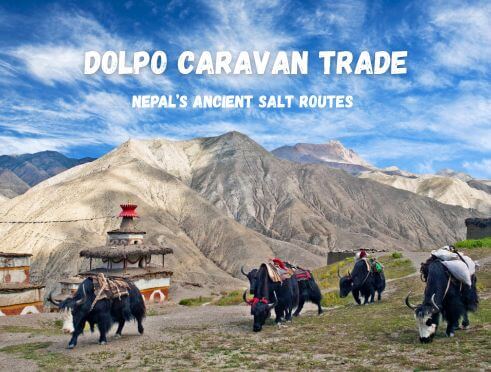
Dolpo Caravan Trade: Nepal's Ancient Salt Routes
The Dolpo region in Nepal has old trade routes that have been used for hundreds of years. Traders and their yaks carried salt and other goods across high mountain passes, connecting different cultures and communities.
These paths tell many stories about the lives of the people who traveled them and the special bonds they created. Walking these routes today lets you experience the history, beauty, and traditions of this remote Himalayan area.
Have you ever thought about what it’s like to walk where traders did hundreds of years ago? Welcome to the Dolpo caravan trade routes, where each mountain pass tells a story and every stone shares the history of traders who connected two cultures.
Join us to walk these trails yourself, the same paths where salt, faith, and adventure met.
What is the Dolpo Caravan Trade?
The Dolpo caravan trade is one of Nepal’s most fascinating cultural legacies, a lifeline that connected Tibet’s salt-rich plateaus with Nepal’s fertile valleys for over a thousand years. trans-Himalayan trade between Tibet and Nepal’s Karnali region.
Even today, elders in Dolpo recall walking these trails as children, their yaks loaded with salt bound for the valleys below.
The Salt That Built Empires
Before, salt was more valuable than gold. Tibet had lots of salt from its old lakes, but Nepal had plenty of grain. Dolpo traders used this chance to trade “white gold” (salt) over high mountain passes for barley, rice, and cloth. Historians say that by the 1700s, more than 2,000 yak caravans crossed these routes every year.
It was one of the last surviving examples of the trans-Himalayan barter economy. Money was rare, and trust was everything.
- One measure of salt for two measures of grain
- Wool for honey or tobacco
- Mountain herbs for Indian spices
This barter economy bound families in lifelong partnerships, a trade system built on honor, not profit. The same spirit of exchange still lives on in Dolpo’s local festivals, where salt and grain are symbolically shared.
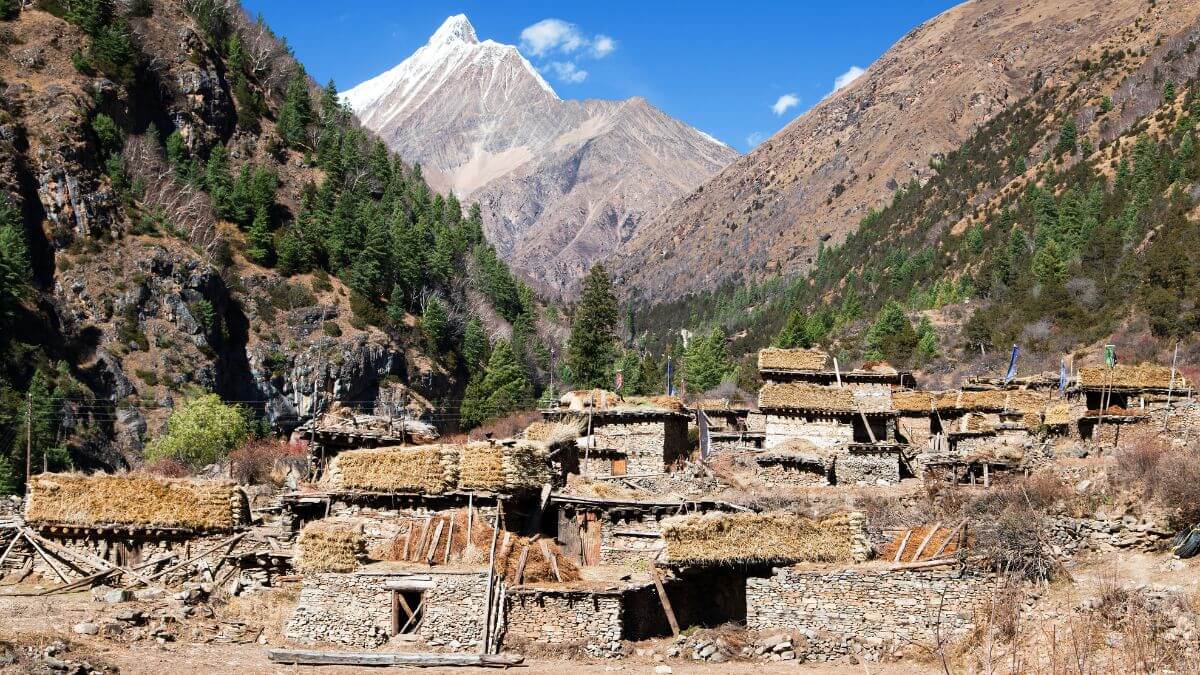
When you trek these paths, you walk the same salt trails that shaped Himalayan history.
Inspiration Behind the Caravan Movie: Dolpo
The world glimpsed Dolpo through Eric Valli’s Oscar-nominated film Himalaya (Caravan), which portrays the same salt-trading tradition. Watching it before your trek adds depth; you’ll recognize the same rugged paths and resilient people in real life.
You can visit the real locations featured in the Caravan movie during our Upper Dolpo Trek, a cinematic journey made real.
The Historic Caravan Routes of Dolpa
The Dolpo caravan routes were many connected paths that joined villages and trading spots in the Himalayas. Imagine guiding yaks over mountains higher than 5,000 meters, where breathing is very hard. These traders were not just sellers; they were brave heroes who risked their lives to keep trade alive between different places.
Today, these ancient paths are part of our Upper Dolpo and Great Himalayan Trail itineraries.
Upper Dolpo: The Heart of Salt Trading
Traders from Upper Dolpo would load their yaks in Saldang, journey past turquoise Phoksundo Lake, and head toward Jumla. Every stop, Ringmo, Rimi, Kaigaun, was a heartbeat in this living supply chain.
The Taklakot Gateway
Taklakot (Burang), the Tibetan border hub, was the gateway of heaven for Dolpo merchants. From Humla, Limi, and even Bajhang, caravans converged here, exchanging goods, stories, and survival itself.
The Southern Exchange Points
Down in the valleys, Nechang and Tarali Magar traders played their part, driving vast sheep caravans (“bakhes”) loaded with salt to Rukum and Jajarkot. There, the salt was swapped for grain, and the wool transformed into belts, rugs, and sweaters traded as far as Calcutta and Kalimpong.
Each of these routes formed the arteries of Dolpo’s economic life from Upper Dolpo’s Saldang village to the Taklakot gateway on the Tibetan plateau.
Explore our Dolpo Caravan Route Map for key passes and ancient villages that shaped this trade.
Why Did the Caravan Trade Decline?
By the 1960s, this tradition that had lasted a thousand years began to end. As the Chinese were overtaking Tibet, a millennium-old tradition had ended.
- 1950s – Trade was free across Tibet
- 1960 – China took control of Tibet
When China took control, the old mountain paths turned into guarded borders. Traders who used to move freely now had to pay taxes, get permission, and deal with patrols. The trust they had for many years was lost fast.
Modern Roads and Indian Salt
1970s – New roads replaced the old salt paths. At the same time, Nepal built new roads and started getting cheaper salt from India. The Nepal Salt Trading Corporation began flying salt into the mountains, which helped stop goiter but hurt the old caravan trade.
The Cultural Cost
When the trade ended, many parts of life changed. Families shifted, farming slowed, yak herding decreased, weaving became rare, and the busy barter trade of Dolpo became just a memory.
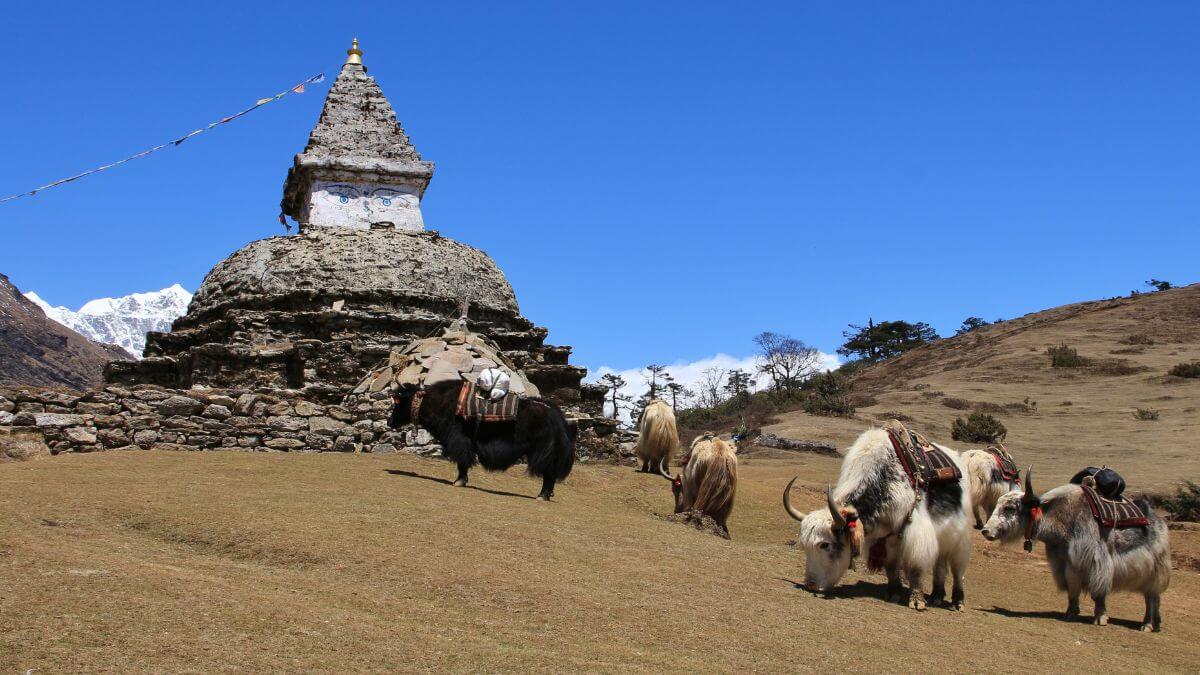
Note: For many Dolpo families, the end of the caravan trade wasn’t just economic; it meant the fading of songs, rituals, and community bonds.
Why Trek the Caravan Dolpo Route Today
Unlike the busy trekking routes like Annapurna or Everest, the Dolpo caravan route is still natural and quiet. It feels wild and spiritual, perfect for trekkers who want a peaceful and real experience.
Our Upper Dolpo Trek (25–30 days) follows the authentic caravan routes crossing Kang La and Sela passes, visiting Shey Gompa, and meeting families who still remember their trading past. You’ll see real yak caravans, echoes of the old days still moving through the wild.
Cultural Encounters in Remote Dolpa Villages
You’ll meet people who still follow ancient customs blending Bon and Tibetan Buddhism, living in harmony with the mountains. These cultural exchanges enrich your trek with meaning beyond scenery.
In just 12 days, trek through Do Tarap, where life moves at an ancient rhythm. Villages here preserve Bon traditions, centuries-old architecture, and oral stories that make the past tangible.
Breathtaking Views Along the Caravan Dolpa Trail
You’ll see a turquoise Phoksundo Lake glimmering under ice cliffs, endless brown plateaus framed by snow peaks, and the sound of yak bells echoing across the valleys. Every step reveals something cinematic like trekking inside a caravan movie, Dolpo.
Short on time? The Phoksundo Lake trek (5–6 days) captures the spirit of caravan Dolpo in miniature, a glimpse of turquoise waters, ancient monasteries, and timeless silence. Our Dolpo Caravan Treks are designed for explorers who want to blend adventure with purpose, walking ancient trails while supporting local guides and yak herders.
Ready to follow the ancient yak caravans? Explore our customizable itineraries for Dolpo routes with expert local guides.
The Living Legacy of Caravan Trade
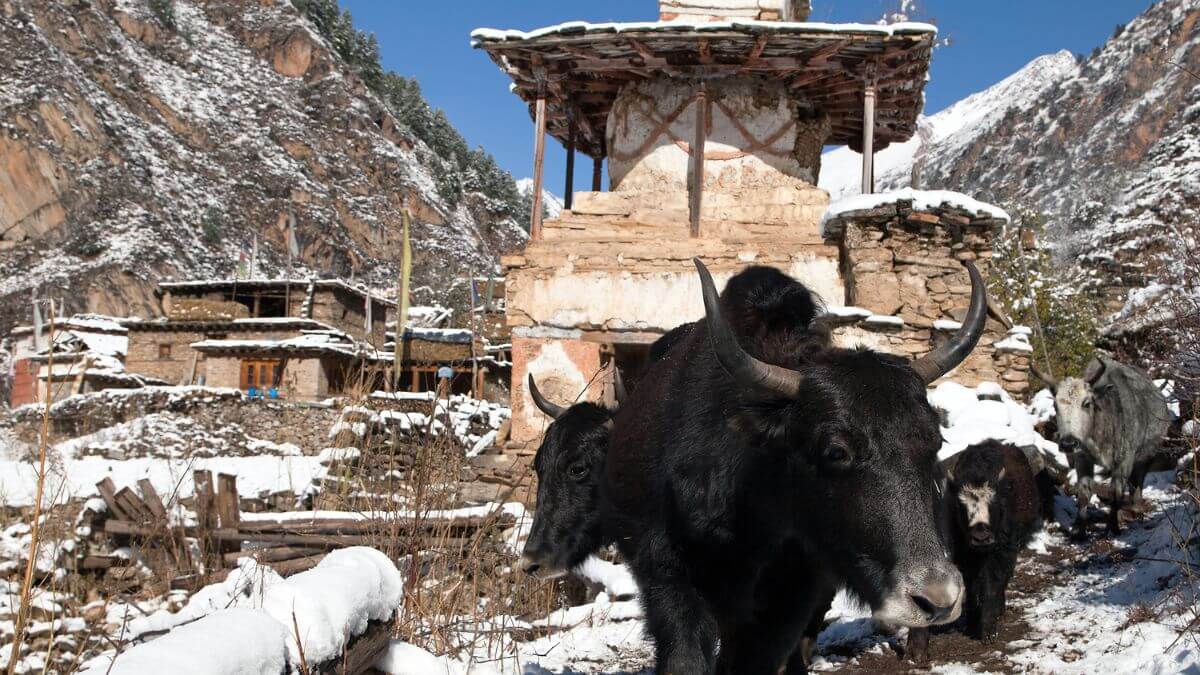
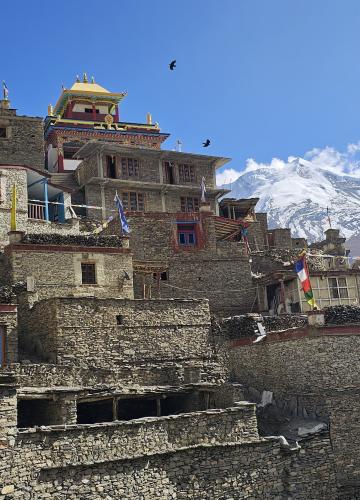
Some families in Dolpo still use yaks to carry things like solar panels, clothes, and food along the same old paths. Watching them is like seeing history come to life again. As for cultural preservation, villages like Saldang and Dho keep their stone houses, monasteries, and Bon traditions alive. Their festivals tell stories from trading days through dance and song.
At night, local people share stories about lost caravans, love between valleys, and spirit protectors of the mountain passes. You will see that this trek is more than just walking; it’s like reading a living history book.
Final Thoughts
Every trail in Dolpo tells a story of trade, faith, and survival. By walking the Dolpo caravan trade route, you become part of that story, carrying its spirit into the present. Don’t just trek in Nepal. Live its legacy.
Ready to Walk the Ancient Caravan Routes? As a licensed Nepal trekking agency with years of experience in Dolpo, we ensure comfort, safety, and authentic cultural immersion.
Your Next Steps
- Contact our Dolpo Caravan Trek to design your personalized itinerary trek
- Limited 2026 departures available. Talk to our experts today
- Visit our free Dolpo Trek Guide itinerary, packing list & tips
- Explore more Dolpo routes or plan a private group trek
Don’t let the story of the Dolpo caravan trade stay in the past — live it. Join us, and carry this ancient legacy forward.
Contact us today to plan and customize your personal itinerary for the Dolpo region and begin your Dolpo adventure.
All About Dolpo
Dolpo Region | Dolpo History | Dolpo Himalaya | Dolpo Geography | Dolpo People & Ethnic Groups | Dolpo Flora & Fauna | Bon Religion in Dolpo | Shey Festival | Shey Gompa | Shey Phoksundo National Park | Phoksundo Lake | Dolpo Yarsagumba
Popular Dolpo Trekking Packages
Upper Dolpo Trek | Lower Dolpo Trek | Beni Dolpo Trek | Phoksundo Lake Tea House Trek | Phoksundo Bon Cultural Trek | Mugu Dolpo Trek | Jumla Kagmara Dho Tarap Culinary Trek
FAQs
How do I get to Dolpo, Nepal?
You can get to Dolpo with a flight from Kathmandu to Juphal, followed by trekking through Dunai and Shey Phoksundo National Park. You’ll pass alpine forests and highlands, visiting places like Saldang and Shey Gompa, the spiritual center of Dolpo.
What are the main highlights of the Dolpo Caravan trek?
The main highlights of the trek are:
- Phoksundo Lake (3,611 m), a stunning blue lake
- Shey Phoksundo National Park
- Shey Gompa (4,200 m), known as the “Crystal Monastery”
- Kang La Pass (5,350 m), offering breathtaking views
Who is the Dolpo trek suitable for?
It is best for experienced trekkers to comfortably walk above 4,000 meters and camp in remote valleys. It suits those ready for a challenging adventure.
When is the best time to go to Dolpo?
The best season to visit Dolpo is May to October, with open passes and clear skies. You’ll need permits like the Lower Dolpo Restricted Area Permit and a Shey Phoksundo National Park permit.
How much does a Dolpo caravan trek cost?
Costs range between $3,000–$4,500, depending on duration and permits (Upper Dolpo permit $500 for 10 days).
How long were the original caravan trade routes?
The Dolpo caravan trade routes varied from 200-400 kilometers one way, taking traders 15-30 days to complete, depending on weather and loads. Modern trekkers follow similar distances but typically move more slowly for acclimatization and cultural exploration.
Can I still see active caravans in Dolpo?
Yes! While dramatically reduced from historical peaks, a handful of families still run small yak caravans, especially between September and November. Your trek has a 20-30% chance of encountering modern caravans carrying goods between Tibet and lower valleys.
What's the difference between Upper and Lower Dolpo for caravan routes?
Upper Dolpo held the main salt trading centers like Saldang and Shey, with direct access to Tibetan salt sources. Lower Dolpo served as the southern exchange zone where salt was traded for grain. Upper Dolpo permits cost significantly more ($500 vs $20 per week), and access is more restricted.
Is the Dolpo caravan trade completely dead?
Not entirely. While the salt-for-grain barter system ended in the 1970s-80s, small-scale trading continues. Modern caravans now carry Chinese goods, solar panels, and supplies rather than salt. The traditional routes, skills, and some cultural practices survive through tourism and limited trade.
Which movies featured the Dolpo caravan trade?
The most famous movie, "Himalaya" (1999), also known as "Caravan," won César Awards and depicted traditional salt-caravan life. The documentary "The Salt Men of Tibet" (1997) also featured Dolpo region traders. These films helped bring international attention to this vanishing culture.
What permits do I need for caravan route treks?
For the complete caravan of Dolpo Nepal routes, you'll need:
- Lower Dolpo RAP: $20 per week
- Upper Dolpo RAP: $500 per 10 days + $50/day after
- Shey Phoksundo National Park: ~$30
- TIMS card: Required

Leave Your Comment