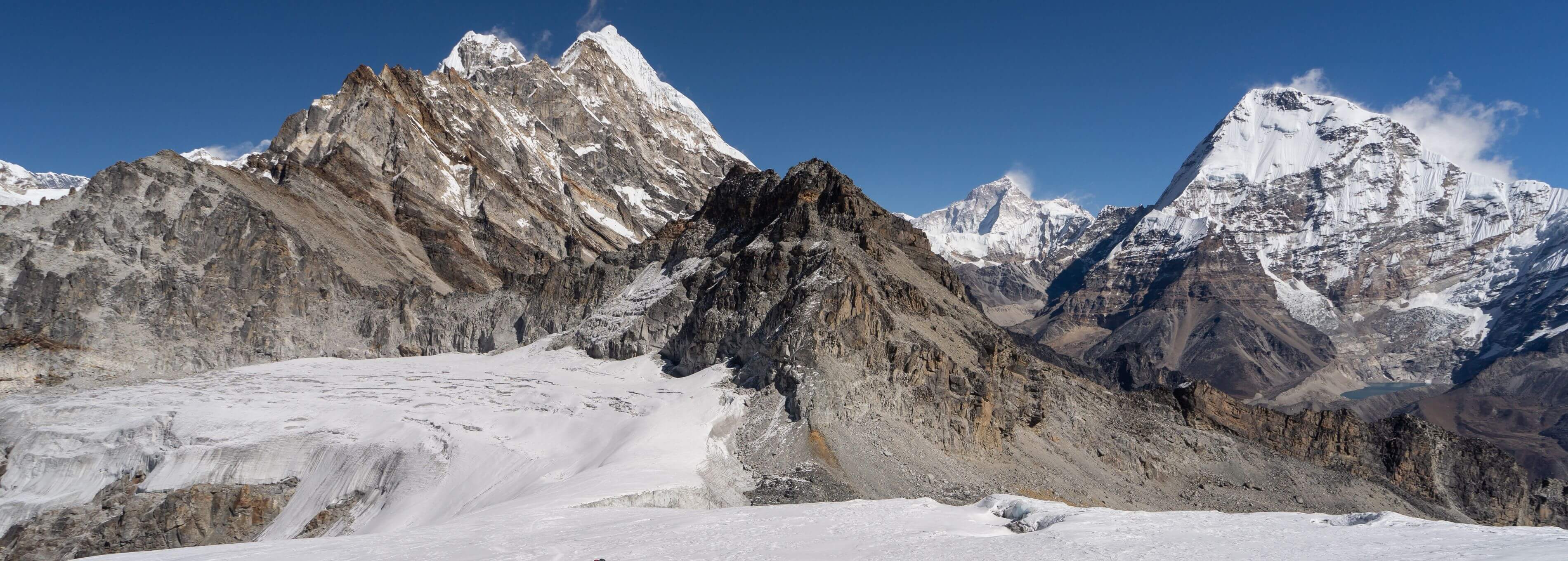
Mera Peak Climbing 18 Days: Complete Expedition

Trip Facts

Duration:
18 days
Trekking Region:
Nepal
Max. altitude:
6,476 m / 21,246 ft
Grading:
Moderate to Demanding
Best Time:
Spring & Autumn
Group size:
2-10 pax
Accomodation:
Teahouse/Lodge
Meals:
Breakfast, Lunch, Dinner
Trasportation:
Flight and Private vehicles

Trip Highlights

  • Summit Mera Peak (6,476 m), the highest trekking peak in Nepal
  • Ideal for beginners with non-technical snow and glacier climbing
  • Well-paced 18-day itinerary for safe acclimatization and higher success rate
  • Includes climbing training at Khare with certified guides and Sherpas
  • Trek through the remote Hinku Valley, away from crowded Everest trails
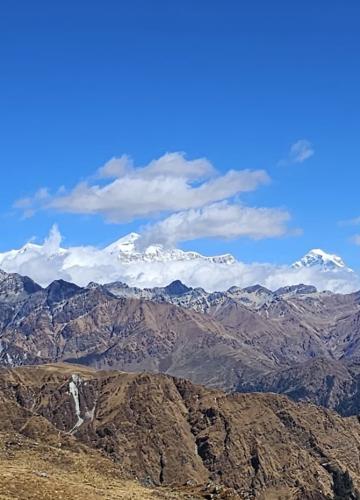
  • Spectacular summit views of Everest, Lhotse, Makalu, Cho Oyu, and Kanchenjunga
  • Combination of teahouse trekking and high-camp expedition experience

Trip Overview

Mera Peak is a dream climb for many people who want to step into high-altitude mountaineering. This 18-day journey is designed to move slowly, stay safe, and give climbers the best chance to reach the summit.

With Dolpo Caravan Treks, this trip is planned with care. The route allows enough time for walking, resting, and learning basic climbing skills. Instead of rushing, the itinerary follows the rule of the mountains: go slow to go far. This approach helps the body adjust to thin air and reduces health risks.

The journey combines quiet trekking days with exciting climbing moments. You walk through remote valleys, cross glaciers, and finally stand on a high Himalayan summit. For many climbers, this feels like a true expedition rather than just a trek.

Trip Facts: Mera Peak Climbing 18 Days

  • Trip Duration: 18 Days
  • Peak Name: Mera Peak
  • Maximum Elevation: 6,476 meters
  • Region: Hinku Valley, eastern Nepal
  • Trip Type: Trekking peak climbing expedition
  • Start / End Point: Kathmandu
  • Best Seasons: Spring and autumn
  • Difficulty Level: Moderately challenging
  • Climbing Style: Non-technical glacier and snow climb
  • Accommodation: Teahouses during trek, tents at high camp
  • Guide Support: Certified climbing guides and experienced Sherpas
  • Ideal For: Well-prepared trekkers and first-time peak climbers

What Makes Mera Peak Special Among Nepal’s Climbing Peaks

Mera Peak (6,476 m) offers a high-altitude climbing experience without extreme technical demands. Many choose it as their first mountaineering peak because it focuses more on endurance than advanced climbing skills.

It is one of Nepal’s highest trekking peaks, meaning it can be summited without technical gear. Other trekking peaks include Island Peak (6,189 m), Lobuche East (6,119 m), and Pokalde Peak (5,806 m), but Mera Peak stands out for its stunning views of Everest, Kanchenjunga, and Makalu.

The climb is challenging yet manageable. You gain height gradually, giving your body time to acclimatize while learning how it reacts to altitude. The route stays away from crowded trails, passing through quiet forests and open valleys, allowing climbers to focus and enjoy nature while building mental strength.

Where Mera Peak Is Located

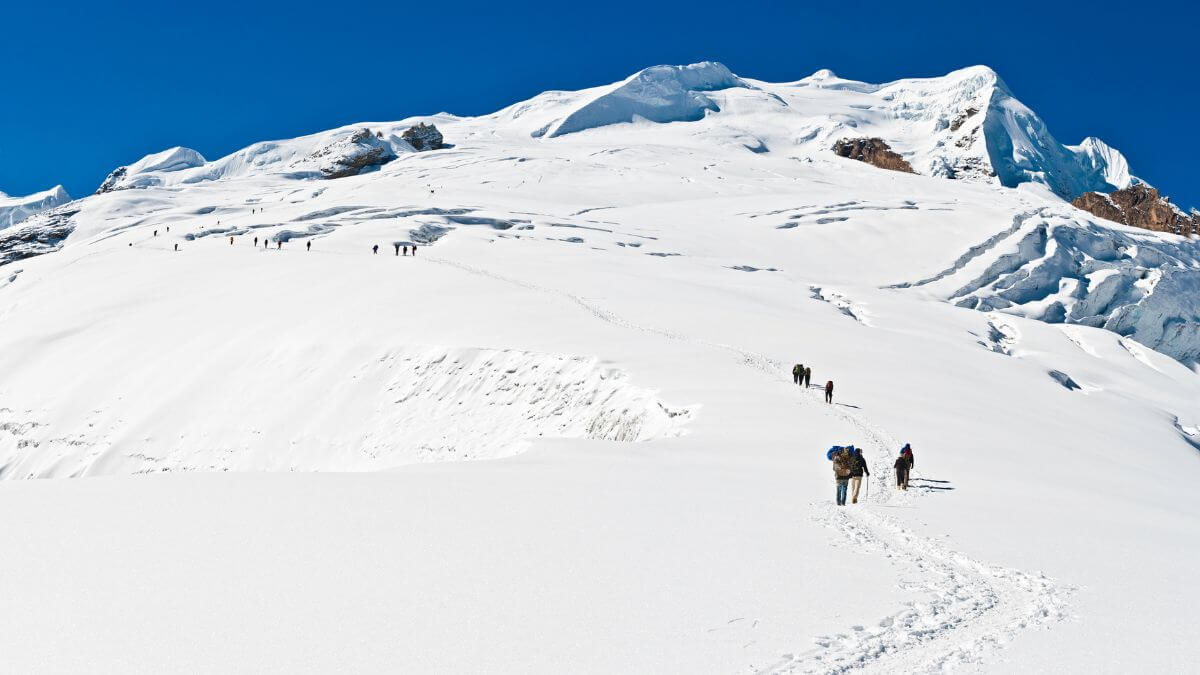
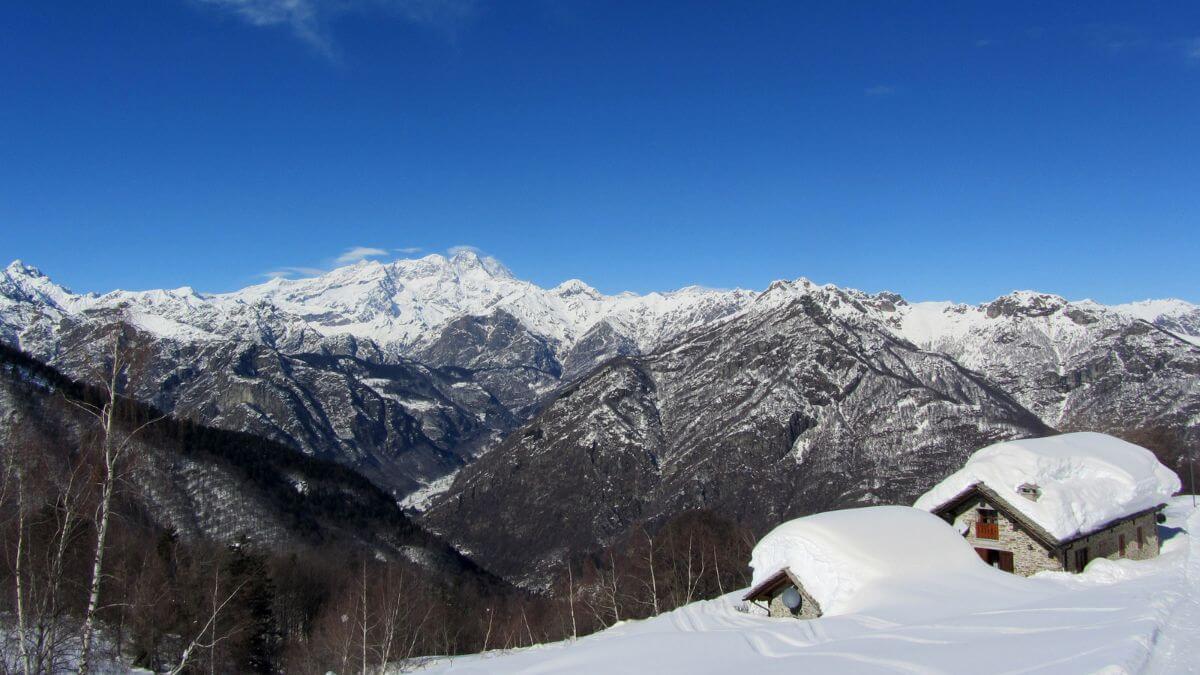
Mera Peak lies in the Hinku Valley, one of the most remote trekking areas in eastern Nepal. The journey begins with a flight to Lukla, but instead of following the busy Everest trail, the route turns south and east into a quieter region.
mountain-view-from-mer...

The Mera Peak height is 6,476 meters, which makes altitude the main challenge of this climb. At this level, the air is thin, and every step takes effort.

Geographically, the mountain features:

  • Wide glaciers
  • Gentle snow slopes
  • A long summit ridge
  • Open terrain with steady ascent

Why Choose the 18-Day Itinerary Over Shorter Options

Short itineraries often rush the ascent. That increases risk and reduces enjoyment. The 18-day plan takes a different approach. Altitude is the main challenge, not technical climbing. A longer schedule gives your body time to adapt. This improves safety and increases summit success.

This itinerary allows:

  • Proper acclimatization
  • Extra rest days at higher elevations
  • Time for basic climbing practice
  • Flexibility for weather changes
Detail Itinerary

Arrive in Kathmandu and transfer to your hotel. Meet the team from Dolpo Caravan Treks for a briefing, itinerary review, and gear discussion. Overnight in a hotel.

This day is used for permit processing, final equipment checks, and last-minute shopping. Your guide explains safety rules, altitude concerns, and the climbing plan.

Early morning flight to Lukla (2,840 m). Start trekking toward Pangkongma through villages and forest trails. Overnight in a teahouse.

The trail crosses ridges and farmland with gradual ups and downs. This day helps build walking rhythm and stamina. Overnight in Nashing Dingma.

Enter a more remote section of the trail. Forests thin out as altitude increases. Walk at a slow and steady pace. Overnight in Chalem Kharka.

Descend slightly and follow the Hinku River. Khote is a key village with lodges and basic facilities. Overnight in a teahouse.

Rest and acclimatization day. A short hike to higher ground is planned, then return to Khote. This day helps manage the Mera Peak climbing difficulty later.

Follow the river valley upward. Trees disappear, and the landscape becomes alpine. Overnight in Thangnak.

Another important rest day. Short hikes help the body adjust before moving higher. Preparation for glacier travel begins.

Cross moraines and rocky terrain. Khare sits at the foot of the mountain and is a major staging point. Overnight in a lodge.

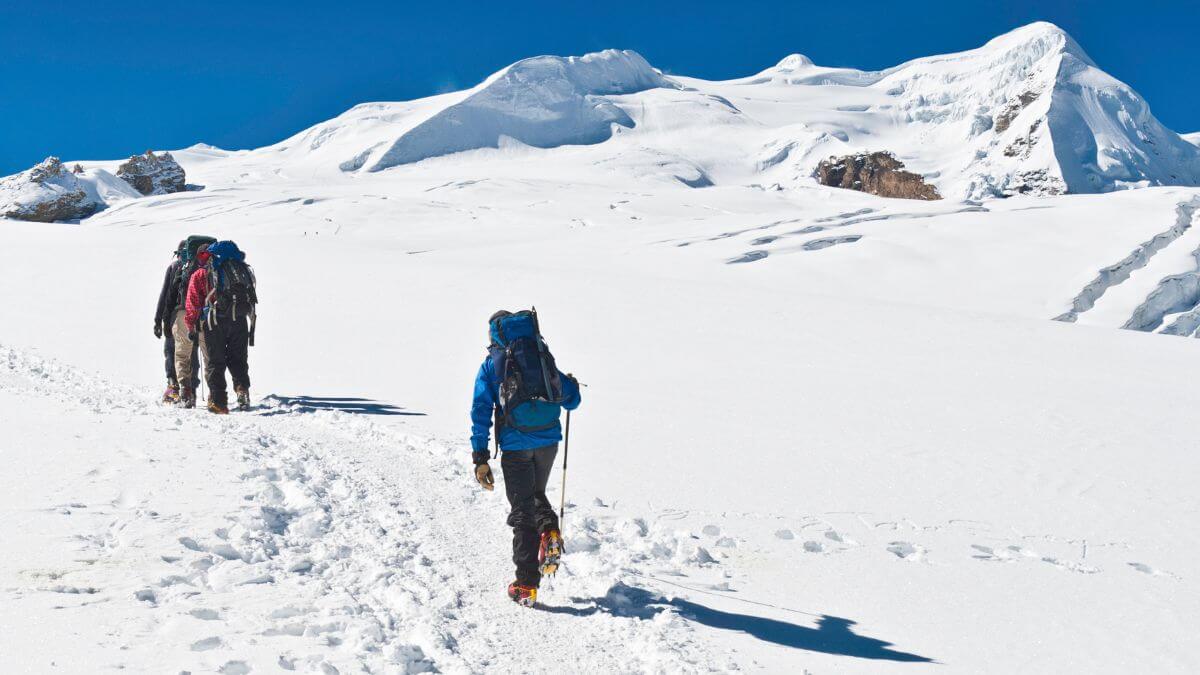
Climbing practice day. Learn how to use crampons, ice axe, harness, and ropes. This day is especially helpful for Mera Peak climbing for beginners.

Short but demanding walk across glacier terrain. Camp is set up at base camp. Overnight in tents.

A challenging ascent on snow and ice. High camp is exposed and cold but crucial for summit success. Overnight in tents at Mera Peak high camp.

Early morning summit push to the top of Mera Peak. Enjoy wide Himalayan views before descending carefully back to Khare.

Long descent day. Oxygen levels increase, making breathing easier. Overnight in Khote.

Final trekking day through familiar trails and villages. Celebrate the successful climb in Lukla.

Morning flight back to Kathmandu. Transfer to hotel. Free time for rest or shopping.

Transfer to the international airport for departure, or continue with other travel plans.

Cost Includes

  • Airport transfers in Kathmandu (arrival and departure)
  • Hotel accommodation in Kathmandu with breakfast
  • Domestic flights between Kathmandu and Lukla
  • All ground transportation as per the itinerary
  • Accommodation in teahouses during the trek
  • Tent accommodation at base camp and high camp
  • Three meals per day during trekking and climbing days
  • Experienced, licensed trekking and climbing guide
  • Professional climbing Sherpa support
  • Group climbing equipment (ropes, ice screws, snow bars)
  • First aid medical kit carried by the guide
  • All required climbing and trekking permits
  • National park and local area entry fees
  • Government taxes and official service charges

Cost Excludes

  • International airfare to and from Nepal
  • Nepal entry visa fees
  • Personal travel and rescue insurance
  • Personal climbing gear and clothing
  • Alcoholic and bottled drinks during the trek
  • Extra meals and accommodation in Kathmandu
  • Personal expenses (laundry, phone calls, Wi-Fi, charging)
  • Tips for guides, Sherpas, and support staff
  • Costs due to flight delays or weather-related changes

Useful Information

Cost Breakdown of a Standard 18-Day Mera Peak Climb

The Mera Peak climbing cost depends on trip length, staff support, logistics, and safety standards. This 18-day package is priced to include proper acclimatization, experienced guides, and essential services without cutting corners.

Dolpo Caravan Treks focuses on clear and transparent pricing, so you know exactly what is included and what is not before booking.

Best Season for Mera Peak Climbing

The best time for Mera Peak climbing is the spring and Autumn season. Choosing the right season is very important for a safe and successful Mera Peak expedition. Weather, snow conditions, and visibility change a lot during the year. Some months offer stable climbing conditions, while others demand extra experience and flexibility.

Peak Season (Spring and Autumn)

Peak season includes spring (March to May) and autumn (September to November). These months offer the most stable and reliable conditions for Mera Peak climbing.

Key features of peak season:

  • Stable weather with clear climbing windows
  • Dry trails and safer glacier conditions
  • Comfortable temperatures during the day
  • High summit success rates
  • Better visibility of the surrounding mountains

mera-peak-climb-route.jpg

Spring brings warmer days and blooming forests on the lower trail, while autumn offers crisp air and very clear mountain views after the monsoon. Both seasons are ideal for climbers attempting their first high-altitude summit and those who want the best overall experience.

Off-Season (Winter and Monsoon)

Off-season includes winter (December to February) and monsoon (June to August). These periods come with extra challenges and are less predictable.

Key features of off-season:

  • Harsher or unstable weather conditions
  • Lower number of climbers on the route
  • Increased need for flexibility and experience
  • Higher physical and mental demands

Winter is marked by extreme cold and strong winds near high camp, while the monsoon brings rain at lower elevations and cloudy skies. Although climbs are possible, these seasons are better suited for experienced climbers who are well prepared and adaptable.

Difficulty and Acclimatization Strategy for Mera Peak Climbing

Mera Peak is a moderately challenging climbing peak. The route is not highly technical, but the high altitude makes the climb demanding. Long trekking days, cold conditions, and thin air require good fitness and mental strength. For this reason, Mera Peak climbing difficulty is more about endurance and altitude than technical climbing skills.

The 18-day itinerary is designed to manage this challenge safely. Altitude is gained slowly, with planned acclimatization days at places like Khote, Thangnak, and Khare. Short hikes during rest days help the body adjust, while guides monitor health and encourage proper rest, food, and hydration. This approach makes the climb safer and suitable for Mera Peak climbing for beginners with basic preparation.

Key points to manage difficulty and altitude:

  • Moderate technical level with high-altitude demands
  • Gradual ascent and built-in acclimatization days
  • Short hikes on rest days to support adaptation
  • Close health monitoring by experienced guides
  • Immediate action if altitude sickness symptoms appear

mera-peak-en-route-vil...

Equipment and Gear Checklist for Mera Peak

Having the right gear is essential for a safe and comfortable climb on Mera Peak. Weather changes fast, temperatures drop sharply at higher camps, and proper equipment helps manage cold, wind, and altitude. This Mera Peak packing list focuses on function, warmth, and safety, nothing fancy, just what works.

Dolpo Caravan Treks reviews your gear in Kathmandu and again at higher camps to make sure everything is suitable for the climb.

Personal Clothing and Footwear

  • Insulated down jacket
  • Waterproof and windproof shell jacket and pants
  • Thermal base layers (top and bottom)
  • Fleece or insulated mid-layer
  • Trekking pants and warm climbing pants
  • Warm hat, sun hat, and neck gaiter
  • Insulated gloves and inner liner gloves
  • High-quality trekking boots
  • Double or insulated mountaineering boots
  • Warm socks and liner socks

Technical Climbing Gear

  • Crampons (compatible with climbing boots)
  • Ice axe
  • Climbing harness
  • Helmet
  • Ascender (jumar)
  • Carabiners and belay device
  • Headlamp with spare batteries

Group

  • Safety Equipment
  • Fixed ropes for glacier sections
  • Snow anchors and ice screws
  • First aid and emergency medical kit
  • Communication equipment

Carrying the correct gear makes a real difference at high altitude. A well-prepared Mera Peak packing list improves comfort, confidence, and safety from start to summit.

Food and Accommodation During the Expedition

Good food and proper rest are important for keeping energy levels high while climbing Mera Peak. The expedition is planned so that climbers get regular meals and safe places to sleep throughout the journey, even in remote areas.

Food During the Trek and Climb

Meals are simple, warm, and designed to support energy and recovery. During the trekking days, food is served in local teahouses. At higher camps, meals are prepared by the support team.

You can expect:

  • Breakfast with items like porridge, eggs, bread, or pancakes
  • Lunch with rice, noodles, soups, or local dishes
  • Dinner with warm, filling meals rich in carbohydrates
  • Hot drinks such as tea, coffee, and soup

Accommodation on the Route

Accommodation changes as you move higher. During the trek, you stay in basic but comfortable teahouses with shared rooms. These lodges provide beds, blankets, and a warm dining area.

At higher elevations:

  • Base camp and high camp use tented accommodation
  • Sleeping tents are shared and designed for cold conditions
  • Dining tents are used when the weather allows

While facilities are simple, they are safe and practical for high-altitude travel. Dolpo Caravan Treks ensures that accommodation is chosen carefully to support rest and recovery after long days.

Permits Required for Mera Peak Climbing

Climbing Mera Peak requires official permits issued by the Nepal government and local authorities. These permits are mandatory and must be arranged before the expedition begins. All permits listed below are standard requirements for the commonly used Hinku Valley route and are typically handled by the trekking agency as part of the package.

Required permits:

  • Mera Peak Climbing Permit (NMA)
  • Makalu Barun National Park Entry Permit
  • Local Area / Rural Municipality Permit (Hinku Valley)
  • Sagarmatha National Park Entry Permit (route-dependent)

Weather Conditions and Temperature Expectations

The weather on Mera Peak changes clearly with altitude and season. Temperatures drop as you move higher, and summit day is always the coldest part of the expedition. Understanding these temperature ranges helps climbers prepare the right clothing and manage expectations during the climb.

trekkers-on-mera-peak-...

Below is a realistic breakdown of temperatures at key locations during the trek and climb. These are average ranges during peak climbing seasons (spring and autumn). Winter conditions are colder and more severe.

Temperature by Location (Spring & Autumn Average)

Lower Trekking Areas (Lukla – Khote | 2,800–3,600 m)

  • Daytime: 10°C to 18°C (50°F to 64°F)
  • Nighttime: 0°C to 5°C (32°F to 41°F)

These areas are relatively mild, especially during sunny days.

Mid-Altitude Camps (Thangnak | ~4,350 m)

  • Daytime: 5°C to 10°C (41°F to 50°F)
  • Nighttime: -5°C to 0°C (23°F to 32°F)

Cold mornings and evenings are common. Layers become essential here.

Khare (Training Camp | ~5,045 m)

  • Daytime: 0°C to 5°C (32°F to 41°F)
  • Nighttime: -8°C to -12°C (18°F to 10°F)

This is where climbers first feel strong cold effects and thinner air.

Mera Peak Base Camp (5,300 m)

  • Daytime: -2°C to 3°C (28°F to 37°F)
  • Nighttime: -10°C to -15°C (14°F to 5°F)

Temperatures drop quickly after sunset. Down jackets are required.

High Camp (5,800 m)

  • Daytime: -5°C to -10°C (23°F to 14°F)
  • Nighttime: -15°C to -20°C (5°F to -4°F)

Wind chill makes it feel colder. This is one of the toughest sleeping nights.

Summit Day (6,476 m)

  • Early morning: -20°C to -25°C (-4°F to -13°F)
  • With wind chill: can feel like -30°C (-22°F) or colder

Summit day is extremely cold, especially before sunrise. Clear weather helps, but strong winds can increase difficulty.

Environmental Responsibility and Leave-No-Trace Practices

Climbing Mera Peak is not only about reaching the summit. It is also about protecting a fragile mountain environment. The Hinku Valley is remote and untouched, and even small actions can have long-term impacts. Responsible behavior helps keep this region clean, safe, and sustainable for future climbers and local communities.

Dolpo Caravan Treks follows strict environmental guidelines throughout the expedition. Waste is managed carefully, camps are kept clean, and climbers are guided on how to reduce their footprint. Respect for nature, wildlife, and local culture is treated as a core part of the climbing experience, not an extra rule.

Book Mera Peak Climbing with Dolpo Caravan Treks

If you are planning to climb Mera Peak, choosing the right team matters as much as your fitness and preparation. Dolpo Caravan Treks offers a carefully designed 18-day expedition that focuses on safety, proper acclimatization, and realistic summit planning. The itinerary is not rushed, and every detail is arranged to support climbers at high altitude.

With experienced guides, trained climbing Sherpas, and transparent services, Dolpo Caravan Treks ensures you climb with confidence. From permits and logistics to food, accommodation, and safety systems, everything is handled professionally so you can focus on the journey ahead.

Why book with Dolpo Caravan Treks:

  • Well-paced 18-day itinerary for better acclimatization
  • Experienced guides and certified climbing Sherpas
  • Clear cost structure with no hidden charges
  • Strong focus on safety, health monitoring, and support
  • Responsible trekking and environmental practices

If you want a reliable, well-managed, and safety-focused Mera Peak climbing experience, this package is built to give you the best chance of a successful and memorable summit. 

Reach out to Dolpo Caravan Treks to start planning your climb.

FAQs

Mera Peak stands at 6,476 meters (21,247 feet), making it the highest trekking peak in Nepal.

The standard itinerary takes 18 days, including trekking, acclimatization, climbing training, and summit day.

The best time to climb Mera Peak is during spring (March–May) and autumn (September–November), when the weather and visibility are most stable.

No advanced climbing experience is required. Basic trekking experience and good fitness are recommended. Climbing skills are taught during the trip.

You need a Mera Peak climbing permit, a Makalu Barun National Park permit, and a local area permit. These are arranged by the agency.

At high camp and on summit day, temperatures can drop to -20°C to -25°C (-4°F to -13°F), with colder wind chill.

Success rates are high when climbers follow a full itinerary with proper acclimatization and experienced guide support.

Mera Peak is higher but less technical. Island Peak is lower but involves more technical climbing sections.

You should be able to walk 5–7 hours a day on mountain terrain and have good cardiovascular fitness.

No. A licensed guide is required for permits and safety regulations.

Altitude sickness is a real risk but is well managed with slow ascent, acclimatization days, and early response to symptoms.

Review

Leave Your Review

whatsapp