Pikey Peak Trek – Best Everest Region Trek

Trip Facts

Duration:
7 days
Trekking Region:
Everest Region
Max. altitude:
4,065 meters
Grading:
Easy to Moderate
Best Time:
Spring and Autumn
Group size:
2-16 pax
Accomodation:
Teahouse Lodges
Meals:
Lunch, Breakfast and Dinner
Trasportation:
Private Vehicle and Porters

Trip Highlights

  • Iconic sunrise from Pikey Peak summit
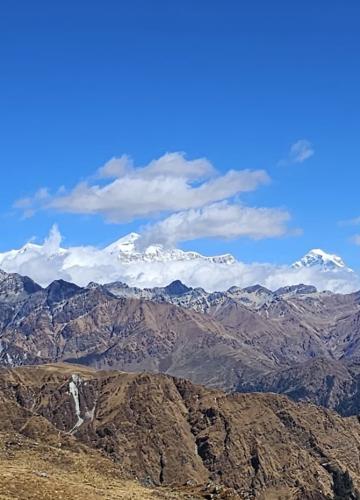
  • Himalayan views of Everest and surrounding peaks
  • Traditional Sherpa villages and monasteries
  • Rhododendron forests and alpine landscapes
  • Comfortable teahouse accommodation
  • Off the beaten path for the Everest region trekking experience

Trip Overview

The Pikey Peak Trek is one of the most rewarding short treks in the Everest region of Nepal. If you are searching for breathtaking Himalayan views without the long duration and heavy crowd of Everest Base Camp, this trek is the perfect alternative.

Located in the lower Solu-Khumbu region, the Pikey Peak Trek offers a rare combination of panoramic mountain scenery, authentic Sherpa culture, peaceful forest trails, and moderate hiking. The main highlight is the legendary Pikey Peak sunrise view, where Mount Everest, Lhotse, Makalu, Kanchenjunga, and even Annapurna can be seen stretching across the skyline.

Unlike high-altitude expeditions, this trek reaches a comfortable maximum altitude of 4,065 meters, making it ideal for beginners and time-limited travelers.

Book your Pikey Peak Trek with Dolpo Caravan Trek and start your Himalayan journey.

Pikey Peak Trek Overview

The Pikey Peak Trek is a short Everest region trek made for trekkers who want big mountain views without pushing their limits too hard. It sits in the Solu area of the Khumbu region, south of the busy Everest Base Camp trail. So you still get that Everest feeling, just without the heavy traffic.

What really makes this trek stand out is its balance. You get stunning Himalayan views, a comfortable altitude profile, deep Buddhist culture, and a true off-the-beaten-path experience, all packed into a shorter journey.

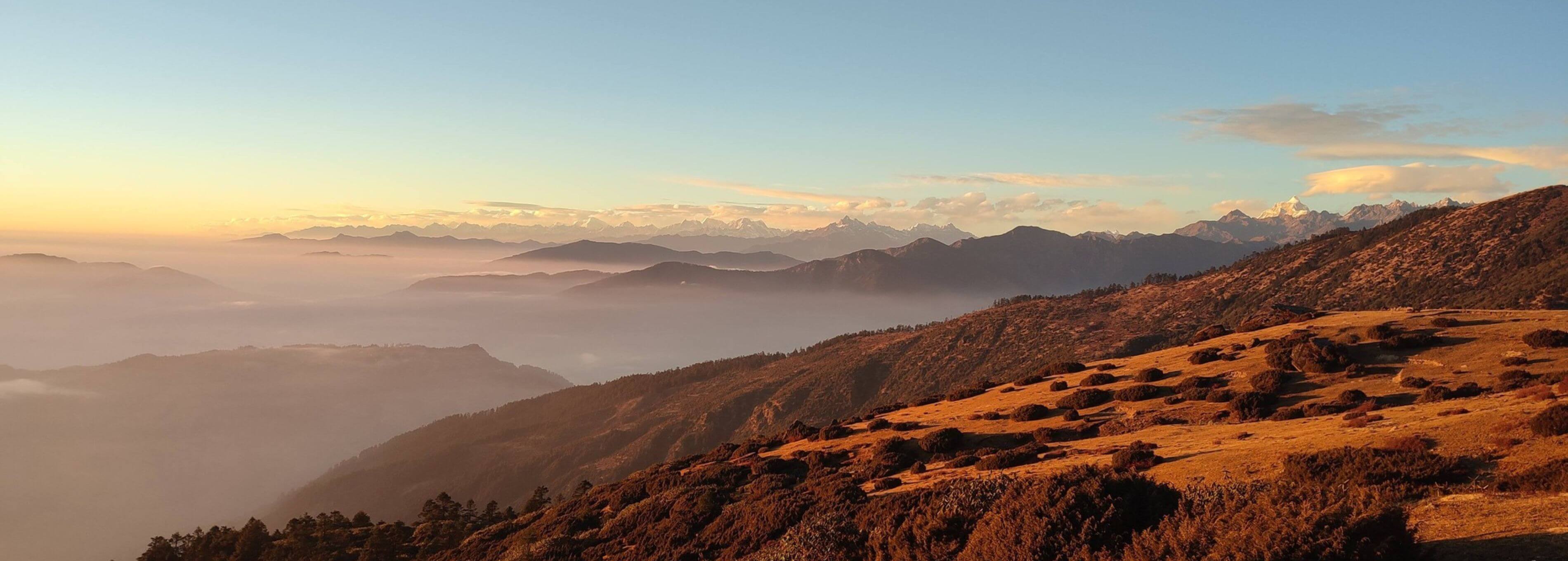
The Pikey Peak height is 4,065 meters, and from the top, you get one of the widest mountain panoramas in Nepal. The Pikey Peak sunrise view is the real highlight. Many experienced trekkers even say it gives a better skyline than Kala Patthar.

If you want a short Everest adventure that blends culture, comfort, and unforgettable scenery, the Pikey Peak Trek is a solid choice.

Trek at a Glance

  • Trek Name: Pikey Peak Trek
  • Region: Solu-Khumbu (Lower Everest Region)
  • Highest Point: Pikey Peak (4,065 m)
  • Pikey Peak Height: 4,065 meters
  • Duration: 6 - 9 Days
  • Difficulty: Easy to Moderate
  • Accommodation: Teahouse Lodges
  • Best Time: Spring and Autumn
  • Access: Drive from Kathmandu or Flight to Phaplu

The trek starts either with a scenic drive from Kathmandu or an optional short domestic flight. This flexibility makes the Pikey Peak Trek from Kathmandu accessible and convenient.

Why Choose Pikey Peak Trek?

As one of the Best Everest Panorama Viewpoints, the Pikey Peak Trek attracts both international travelers and local Nepali trekkers. And once you reach the top, it’s easy to see why. The summit gives you a full 360-degree Himalayan view. On a clear day, you can spot:

  • Mount Everest
  • Lhotse
  • Makalu
  • Kanchenjunga
  • Annapurna
  • Dhaulagiri

The Pikey Peak sunrise view is really the moment everyone waits for. Watching Everest turn golden as the sun rises is something you don’t forget anytime soon. It’s quiet. It’s powerful. And it feels worth every step.
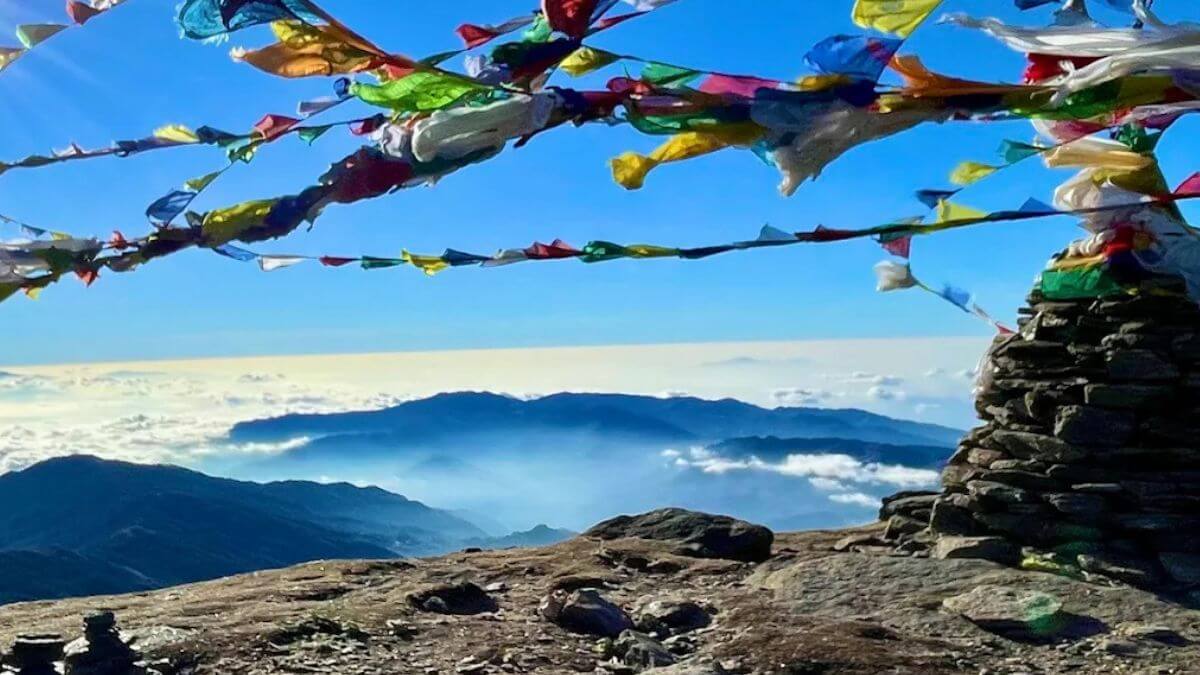
pikey-peak-summit.jpg

Lower Altitude, Lower Risk

With the Pikey Peak Trek max altitude reaching 4,065 meters, the risk of altitude sickness is lower compared to the Everest Base Camp, which sits at 5,364 meters. That makes this trek a better option for beginners, families, or anyone who wants mountain views without needing to go through extreme altitude gain.

Authentic Sherpa Culture

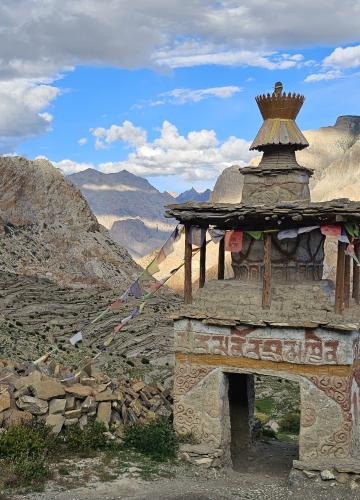
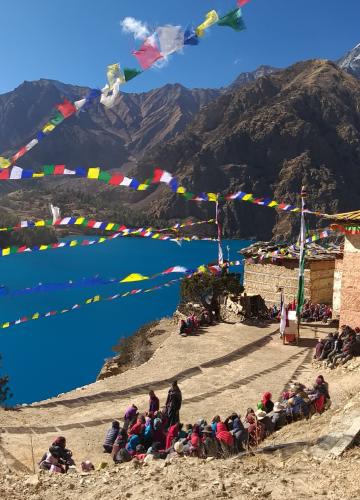
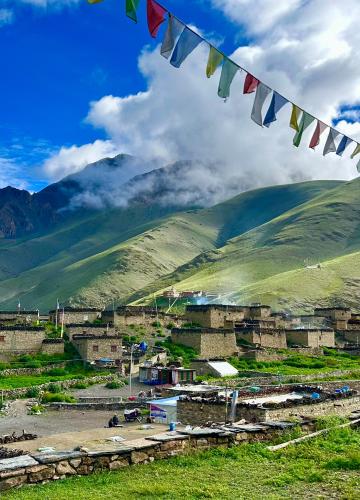
The trail passes through traditional Sherpa villages like Jhapre and Junbesi. Along the way, you’ll see monasteries, prayer wheels, chortens, and simple village life in the Himalayas. It feels real and untouched, not staged for tourists.

Short Duration

The Pikey Peak Trek itinerary usually takes about 6 to 9 days. So if you’re short on time but still want those Everest views, this trek fits nicely into your schedule.

Less Crowded Trails

Unlike the busy Everest Base Camp route, the Pikey Peak Trek stays peaceful. The trails are quieter, less commercial, and honestly more relaxing.

Detail Itinerary

You land in Kathmandu, and someone from the team picks you up at the airport. After checking into your hotel, there’s a short briefing about the Pikey Peak Trek. Nothing overwhelming. Just a simple rundown of what to expect, what to pack for the next morning, and a chance to ask questions. The rest of the day is free.

  • Max altitude: 1,400 meters / 4,593 feet
  • Meals: Dinner (Optional)
  • Transportation: Airport pickup by private vehicle
  • Trek duration: N/A
  • Accommodation: Hotel in Kathmandu

This is where the journey really begins. If you drive, it’s a long but scenic ride through hills, rivers, and small roadside towns. You see rural Nepal every day along the way. If you choose the flight, it’s short and saves time. Either way, you reach the lower Everest region by the end of the day.

  • Max altitude: Dhap 2,850 meters / 9,350 feet or Phaplu 2,413 meters / 7,917 feet
  • Meals: Breakfast, Lunch, Dinner
  • Transportation: Private jeep drive or domestic flight
  • Trek duration: N/A
  • Accommodation: Teahouse

The real walking starts today. The trail moves through terraced farms and pine forests. It’s steady but not too hard. As you gain height, distant views of Everest begin to show up. That first sight always hits differently.

  • Max altitude: 2,920 meters / 9,580 feet
  • Meals: Breakfast, Lunch, Dinner
  • Transportation: On foot
  • Trek duration: 4 to 5 hours
  • Accommodation: Teahouse

You walk through open hills and alpine meadows. The air feels thinner, but the climb is gradual. By the time you reach Pikey Base Camp, the landscape feels more wild and open. You rest early because the next morning starts before sunrise.

  • Max altitude: 3,640 meters / 11,942 feet
  • Meals: Breakfast, Lunch, Dinner
  • Transportation: On foot
  • Trek duration: 5 to 6 hours
  • Accommodation: Teahouse or basic lodge near base camp

It’s an early start. Still dark. Headlamp on, slow steps, steady breathing. The climb to the top is gradual but exciting because you know what’s waiting up there. Reaching the summit at the Pikey Peak height of 4,065 meters / 13,336 feet feels like a real achievement.

Then comes the moment everyone talks about, the Pikey Peak sunrise view. The sky changes color, and the Himalayan range slowly lights up. Everest and the surrounding peaks glow in gold. You stand there quietly for a bit. It’s worth it.

After soaking it all in, you begin the long descent toward Junbesi at 2,700 meters / 8,858 feet. The trail drops through open hills and forest sections before reaching the village. By the time you arrive, your legs are tired, but it’s the good kind of tired.

  • Max altitude: 4,065 meters / 13,336 feet
  • Meals: Breakfast, Lunch, Dinner
  • Transportation: On foot
  • Trek duration: 6 to 7 hours, including the summit and descent
  • Accommodation: Teahouse in Junbesi

Today is a steady descent toward Phaplu at 2,469 meters / 8,100 feet. The trail passes through forests, open hillsides, and small Sherpa settlements along the way. You’ll cross farmland, see stone houses, and maybe even spot locals working in the fields. It feels calm and grounded, a nice shift after the higher elevations.

The walk is not too demanding, but it’s long enough to feel like you’ve earned your dinner. As you get closer to Phaplu, the landscape slowly opens up, and the air feels thicker again.

  • Max altitude: 2,700 meters / 8,858 feet
  • Meals: Breakfast, Lunch, Dinner
  • Transportation: On foot
  • Trek duration: 5 to 6 hours
  • Accommodation: Teahouse in Phaplu

This is the wrap-up day of your Pikey Peak Trek. The morning starts easily with a short walk around Phaplu, just enough to stretch your legs one last time. No big climbs. No pressure. Just a calm finish.

After reaching Phaplu at 2,413 meters / 7,917 feet, you switch from trekking boots to travel mode. You either catch a flight or hop into a private jeep for the drive back. The hills slowly fade behind you as you return to Kathmandu at 1,400 meters / 4,593 feet.

By evening, you’re back in the city. Traffic, noise, warm showers. It feels different after days in the mountains. And yeah, your body might be tired, but it’s the kind of tired that comes with good memories.

  • Max altitude: 2,413 meters / 7,917 feet
  • Meals: Breakfast, Lunch
  • Transportation: On foot, then flight or private jeep
  • Trek duration: 3 to 4 hours walking
  • Accommodation: Hotel in Kathmandu

This flexible Pikey Peak Trek itinerary can be adjusted into 6-day, 7-day, 8-day, or 9-day options, depending on your pace and how much time you want to spend in the mountains.

Cost Includes

  • Accommodation in the Lodge (dinner, breakfast and lunch)
  • 3 nights of city accommodation (Kathmandu) with breakfast.
  • All transportation, including airport pickup and drop-off.
  • Trekking permit in the national park and TIMS Card
  • Expert trekking leader, assistants guide (1 assis. for 4 guests), Porters (1 porter for 2 customers)
  • First aid medical kit (Your guide will carry the medical kit but we also advise you to bring it for your use)
  • All government and local taxes.
  • Nepalese team insurance
  • Farewell dinner

Cost Excludes

  • Nepal entry visa at immigration at Tribhuwan International Airport (TIA) (approximately 50 USD) per person per month (For this trek 15 days of visa is enough)
  • Trekking equipment such as sleeping bags, down jackets, trekking poles, etc.
  • Shower, Wi-Fi, cell phone and device charging
  • Unexpected costs due to health, flight cancellation, weather conditions, etc.
  • All kinds of drinks and snacks.
  • Tips for the guide and porter after the trek.
  • Insurance
  • International flight

Equipments

The weather in the Everest region can flip quickly. Sunny one minute, chilly the next. So packing right is not about stuffing your bag with everything you own.

It’s about carrying the right layers and smart gear. Think warm, light, and practical. If you pack well, the Pikey Peak Trek feels a lot more comfortable from start to finish.

Clothing:

  • Base layers: Thermal top and leggings
  • Mid layer: Fleece jacket or pullover
  • Outer layers: Waterproof shell and down jacket
  • Trekking pants: Lightweight or convertible pants
  • Socks and gloves: Wool socks and insulated gloves
  • Footwear: Broken in trekking boots and camp shoes

Accessories:

  • Warm hat and sunhat
  • UV protection sunglasses
  • Neck gaiter or buff
  • Trekking poles
  • Gaiters for mud or snow

Gear:

  • Sleeping bag minus 10°C or minus 5°C in warmer months
  • Headlamp with extra batteries
  • Backpack 40 to 50L with rain cover
  • Daypack 15 to 20L
  • Rain poncho or pack cover
  • Water bottles or hydration bladder with purification tablets

Other Essentials:

  • First aid kit with altitude medication
  • Energy snacks and rehydration salts
  • High SPF sunscreen and lip balm
  • Camera or phone with power bank
  • Copies of ID and Pikey Peak Trek permit
  • Basic toiletries
  • Map, compass, or GPS
  • Multi tool or Swiss Army knife
  • Emergency whistle
  • Hand and foot warmers for cold seasons

Useful Information

Pikey Peak Trek Cost & Booking Options

The Pikey Peak Trek cost depends on a few simple things. It’s not one fixed price for everyone. It changes based on how you plan your trip.

  • Duration: 7-day, 8-day, or 9-day package
  • Group size
  • Transportation choice: Drive or flight
  • Private or group booking

If you travel in a bigger group, the cost per person usually goes down. If you choose a flight instead of a long drive, the price goes up a bit. Pretty straightforward.

Typical inclusions usually cover:

  • Transportation
  • Guide and porter
  • Accommodation
  • Meals during trek
  • Required permits

So most of your main expenses are already bundled in. That makes budgeting easier. We keep the Pikey Peak Trek cost clear and transparent. No surprise fees popping up later. 

If you want an exact breakdown based on your dates and group size, just reach out, and we’ll customize it for you.

Accommodation and Meals

Along the Pikey Peak Trek, you’ll stay in local teahouse lodges. The rooms are simple but comfortable. Usually, twin beds, clean blankets, and shared bathrooms. Nothing fancy, but after a long day of walking, it feels just right.

Meals are filling and warm. You’ll find Nepali dal bhat, noodles, rice dishes, soups, and even some continental options in most places. The food is basic, but it does the job. And honestly, hot dal bhat at altitude just hits differently.

What really stands out, though, is the hospitality. You get to experience genuine Sherpa warmth along the trail, and that makes the stay feel more personal, not just another overnight stop.

Best Time for Pikey Peak Trek

The Pikey Peak Trek's best time is during spring and autumn. That’s when the weather behaves nicely, and the mountain views really show off.

Spring (March to May)

This season feels fresh and colorful. The skies are usually clear, and the rhododendron forests bloom in red and pink. Temperatures stay mild, not too hot and not freezing either. It’s a comfortable time to walk, especially if you enjoy greenery and flowers along the trail.

Autumn (September to November)

Autumn is the most popular season. The weather stays stable, and the mountain views are at their sharpest. After the monsoon washes the dust away, the skies turn deep blue. If you want the clearest Pikey Peak sunrise view, this is a great time to go.

Winter (December to February)

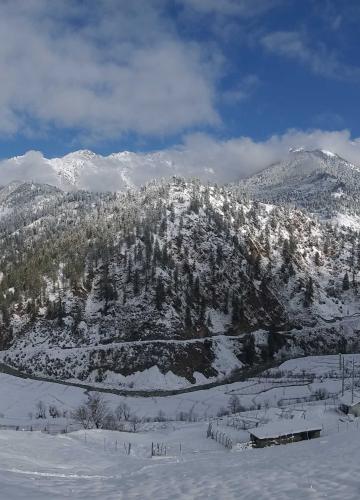
Winter brings snow to higher areas, especially near the Pikey Peak height. The trails are quieter, and you’ll see fewer trekkers. But nights get cold. Really cold. If you don’t mind bundling up, it can still be a peaceful experience.

Monsoon (June to August)

Everything turns green and alive during the monsoon. The hills look lush, and the air feels fresh. But clouds often block mountain views, and trails can be muddy. So it’s possible, just not the first choice for clear Himalayan panoramas.

Pikey Peak Trek Permit & Logistics

For the Pikey Peak Trek permit, you’ll need a few basic documents before heading into the region. Nothing too complicated, but they are mandatory.

  • TIMS Card
  • Local area entry permit
  • Gaurishankar Conservation Area permit, depending on the route

That’s it. And the good news is, you don’t need any climbing permit. The Pikey Peak height is 4,065 meters, but it’s a trekking summit, not a technical climbing peak. So no ropes, no mountaineering paperwork, none of that.

If you’re booking through a team, they usually handle all permits and logistics for the Pikey Peak Trek from Kathmandu. That means transport, documents, and route planning are taken care of. You just focus on walking, enjoying the views, and adjusting safely to the altitude.

Pikey Peak Trek Difficulty

The Pikey Peak Trek difficulty is usually described as easy to moderate. It’s not a walk in the park, but it’s also not one of those extreme high altitude expeditions that push you to the edge. Most people with decent fitness can handle it just fine.

  • Daily walking hours: 5 to 7 hours
  • Terrain: Forest trails, stone steps, gradual ascents
  • Technical Climbing: None

You’ll be walking uphill and downhill like any Himalayan trek, but the climbs are steady, not brutal. There’s no rope work, no ice climbing, nothing technical. Just good old-fashioned trekking.

If you’re in good health and have basic stamina, this trek works well. You don’t need previous trekking experience. Just a bit of preparation, comfortable shoes, and the right mindset.

Pikey Peak Trek Map & Gallery

The Pikey Peak Trek map shows the full route starting from Dhap or Phaplu, then moving through Jhapre, up to Pikey Base Camp, down to Junbesi, and back again. It gives you a clear picture of how the trail flows, where you gain altitude, and where you rest along the way. Simple and easy to follow.

Our gallery highlights some of the best moments from the journey:

  • Pikey Peak sunrise view
  • Himalayan panorama
  • Sherpa villages
  • Forest trails

Why Book with Dolpo Caravan Treks

When you choose Dolpo Caravan Treks for your Pikey Peak Trek, you’re not just booking a package. You’re trusting a local team that knows these trails inside out. And that makes a big difference once you’re actually up there walking.

  • Experienced local guides
  • Licensed and trained trekking staff
  • Transparent pricing
  • Flexible itinerary customization
  • Strong safety management

The guides aren’t just there to lead the way. They share stories, explain local culture, and keep an eye on your health as you gain altitude. The team is properly licensed and trained, so you’re in safe hands from start to finish.

Pricing stays clear. No hidden extras waiting at the end. Plus, the Pikey Peak Trek itinerary can be adjusted to match your pace and schedule, whether you want it shorter or a bit more relaxed. At the end of the day, the focus is simple. Quality service, personal care, and a real Himalayan experience, not something rushed or overly commercial.

If the mountains are calling, secure your Pikey Peak Trek and send us an inquiry.

Challenge Yourself

Mera Peak Climbing | Island Peak Climbing | Norbu Kang Peak Climbing | Putha Hiunchuli Peak Climbing

FAQs

The summit of Pikey Peak is at an altitude of 4,065m. This is an incredible panoramic viewpoint of the Himalayan range. From the summit, you can see Mount Everest, Mount Numbur, and Mount Lhotse. The late Sir Edmund Hillary once said "Pikey Peak is the most astounding place to gaze at Mt.

Pikey Peak trekking route lies in the mesmerizing Lower Khumbu region of Nepal, in Solukhumbu District. The trekking route starts from Dhap, which is only a 6-7 hour drive away from Kathmandu. You can also reach the trekking destination by a 30-minute flight to Phalpu from Kathmandu. 

Yes, there are teahouses and lodges available throughout the Pikey Peak Trek route, providing accommodation and meals. You don't need to carry a tent or cooking equipment.

Pikey Peak's altitude is relatively moderate, making it less prone to altitude sickness. However, it's still crucial to acclimatize properly, stay hydrated, and be aware of the symptoms of altitude-related issues.
 

The Pikey Peak Trek is considered to be of moderate difficulty. It involves daily walks of 5-7 hours over varied terrain, including some steep ascents and descents. While it doesn’t require prior trekking experience, excellent physical fitness is necessary to enjoy the trek. The altitude is also manageable, with the highest point being Pikey Peak itself at 4,065 meters (13,336 feet), which reduces the risk of altitude sickness compared to higher treks in Nepal.


The best time to trek to Pikey Peak is during the spring (March to May) and autumn (September to November). During these seasons, the weather is stable with clear skies, offering the best conditions for viewing the Himalayan panorama. The spring season is terrific as the rhododendron forests are in full bloom, adding vibrant colors to the trek.


The Pikey Peak height is 4,065 meters. High enough for big mountain views, but not as intense as some higher Everest region treks.

Yes. For the Pikey Peak Trek permit, you need a TIMS card and local area permits. These are standard requirements for trekking in this region.

Yes, beginners with good physical fitness can complete this trek. You don’t need past trekking experience, just stamina and preparation.

Review

Leave Your Review

whatsapp