

Everest Base Camp Trek in January
Doing the Everest Base Camp trek in January feels different from any other month. The trails feel quiet, the mountains look extra sharp, and the whole place has this calm winter vibe that many people never get to see. You do need to be ready for real cold, fewer open teahouses, and a bit of snow or ice on the path.
This guide explains everything in a simple way so you can plan your winter adventure. You will learn about weather, gear, itinerary ideas, safety, and what makes the Everest Base Camp in winter so special.
If you already feel excited for the Everest Base Camp trek in January, you can reach out to Dolpo Caravan for support any time.
Why Trek to Everest Base Camp in January
January is the quietest time of the year on the EBC trail. The Everest Base Camp trek in January often feels calmer because fewer trekkers are around, so every stop feels more peaceful. Teahouses are quieter, and it is easier to enjoy the mountains without noise or crowds.

The skies are usually very clear in winter, which means you get long open views of peaks like Ama Dablam and Everest. Many photographers choose January because the air is dry and clean. You may also find lower prices or extra rooms since most trekkers avoid the cold season. Along the way, you can also enjoy Sherpa culture more closely because the monasteries feel calmer.
January Weather & Trail Conditions
Winter weather in the Everest region is cold but also very steady. Most days stay clear with bright sunshine, but the nights drop to freezing levels fast. Doing the Everest Base Camp trek in January means you will be dealing with freezing mornings, bright days, and short daylight hours, so planning your walking hours matters a lot.
Temperatures & Climate
Temperatures at higher points can fall as low as minus twenty degrees at night. This is why people doing the Everest Base Camp trek in January need proper insulation layers and a strong sleeping bag. Lower down the trail, daytime temperatures can feel warmer when the sun is out, but UV rays feel stronger because of the snow reflection.
The wind can make everything feel colder, and the air is dry with very low humidity. The days are shorter, so you start walking earlier and sleep earlier. These patterns are the same across the Everest Base Camp in winter every year.
Trail Conditions & Hazards
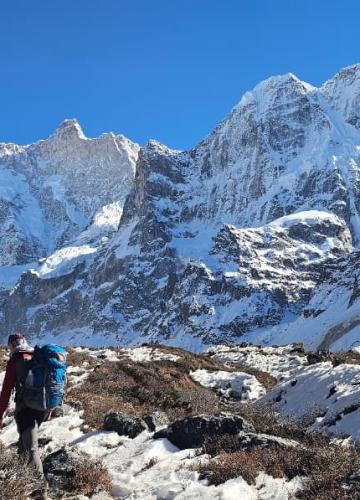
Snow and ice appear on many parts of the path, especially above Tengboche and near the glaciers. Using trekking poles helps a lot, and footwear with good grip is important. Icy stretches can appear anytime, which is why winter Everest Base Camp trek guides always check the surface before moving forward.
Sometimes trails shift a little because snow covers certain sections, and in deep winter, some teahouses stay closed. The Everest Base Camp trek in January is safer with a guide who knows which places are open and which areas are more slippery.
Looking for a bigger challenge? Explore the Gokyo Kala Patthar trek for stunning views and adventure beyond EBC.
Planning & Preparation
Planning makes a big difference in January because the weather, flights, and teahouse openings can change things quickly. A simple plan keeps the Everest Base Camp Trek in January smooth and safe.
Permits, Logistics & Itinerary Adjustments
You still need the same permits as the regular EBC route, including the Sagarmatha National Park entry. Lukla flights may be delayed by fog or low visibility, so adding extra buffer days is important.
Because this is the Everest trek in January Nepal season, a guide is helpful for checking open teahouses and making smart route choices. They also adjust the pace so you stay safe on cold days.
Physical Fitness & Acclimatization
Cold weather makes walking feel a bit harder, so you need steady fitness for this winter Everest Base Camp trek. Proper acclimatization is still important, with rest days in Namche Bazaar and Dingboche.

Altitude sickness can affect anyone, no matter how strong they are. Learning the signs and slowing down when the body asks for rest helps keep the Everest Base Camp trek in January safe and steady.
Safety & Insurance
January brings risks like frostbite, hypothermia, and wind chill. Wearing warm layers, keeping your hands and feet dry, and stopping if you feel numbness helps a lot.
Altitude sickness problems like AMS, HACE, or HAPE must be taken seriously. If symptoms rise, descending is the best choice. Good travel insurance should cover high altitude trekking and emergency evacuation because winter can bring unpredictable changes.
Gear & Packing for January Trek
Packing right can make the Everest Base Camp trek in January much safer and more comfortable. Winter gear keeps you warm at night and steady on icy ground.
Clothing & Sleeping Bag
- Bring warm base layers, insulating jackets, and a waterproof outer shell so your body stays warm even when temperatures drop fast.
- Carry thick gloves, a warm hat, and gaiters to keep your hands, head, and boots protected in windy or snowy sections.
- A four-season sleeping bag rated for very low temperatures is necessary to handle cold nights inside teahouses.
- Sunglasses or glacier goggles and sunscreen help you deal with strong UV reflection from the snow during the day.
Technical & Safety Gear
- Trekking poles help you stay balanced on icy or uneven ground, especially at higher elevations.
- Crampons or microspikes are helpful for icy sections where normal boots cannot grip properly.
- A first aid kit, altitude medicine, insulated water bottles, and water purification tools help keep you healthy throughout the trek.
- Bring a power bank, solar charger, and extra batteries because cold weather drains electronics much faster.
Other Essentials
- Extra socks, hand warmers, and foot warmers help keep your feet and hands comfortable during long, cold days.
- A map, GPS device, or your guide’s directions keep you on track in areas where snow covers the trail.
- Toiletries, tissues, and a small towel make daily routines easier even when teahouses feel basic in winter.
Not sure what to pack? Check our essential Everest Base Camp gear checklist to stay safe and warm.
Is January Right for You?
January has things people love and things people find difficult. This short list helps you decide if the Everest Base Camp trek in January fits you.
Benefits:
- No crowds and peaceful trails: The route feels quiet and relaxed, letting you enjoy the mountains without pressure or noise.
- Crisp mountain views: Dry winter air makes the peaks look sharp and clear, which is great for photography.
- Possible cost savings: Fewer trekkers mean some teahouses offer better rates or easier room availability.
- Unique winter experience: You get a calm, snowy Himalayan setting that most trekkers never see.
Challenges:
- Very cold nights: Temperatures can drop well below freezing, making warm layers and good sleep gear necessary.
- Some teahouses closed: Not every lodge stays open, so options for food and rooms can be limited.
- Short daylight hours: You must start early since walking time is shorter each day.
- Flight delays at Lukla: Winter fog and wind can push flights back or cancel them completely.
Standard 17 Day January Everest Base Camp Trek Itinerary
Trekking in January feels a bit different because the trails are quieter, the air is sharper, and the views stay clear almost all day. This short day-by-day outline gives you a simple idea of how the trek usually flows in winter.
- Day 1: Arrival in Kathmandu - You land in Kathmandu, settle into your hotel, and rest from the flight. Most people also check their gear because winter trekking needs extra warm layers.
- Day 2: Kathmandu Tour and Final Prep - You visit a few famous heritage sites and do a last-minute gear check for the January cold. Evening is usually free.
- Day 3: Fly to Lukla and Trek to Phakding - The morning flight to Lukla is chilly but very scenic. The trail to Phakding is gentle and a good warm-up for the colder days ahead.
- Day 4: Phakding to Namche Bazaar - You walk through forests and cross high bridges. The final climb to Namche is steep, and the temperature drops fast after sunset.
- Day 5: Acclimatization in Namche - You stay in Namche to adjust to the altitude. Most people hike to the Everest View Hotel or Khumjung. The wind here can feel strong in January.
- Day 6: Namche to Phortse / Phortse Thanga - The trail goes above Namche with wide views of snowy peaks. Nights in this area are much colder in winter.
- Day 7: Phortse to Pangboche and Dingboche - You follow a peaceful route to Pangboche Monastery and then continue to Dingboche. The village gets very cold once the sun goes down.
- Day 8: Acclimatization in Dingboche - You take a short hike to a ridge or towards Chhukung. Clear winter weather makes the mountains look close and sharp.
- Day 9: Dingboche to Lobuche - You climb towards Dughla Pass and walk past the memorial stones. Snow patches on the trail are normal in January.
- Day 10: Lobuche to Gorak Shep and Everest Base Camp - You reach Gorak Shep and then walk to Everest Base Camp. The ground is often frozen, and the walk feels tougher because of the cold air.
- Day 11: Kala Patthar Sunrise and Trek to Pheriche - You start early to reach Kala Patthar before sunrise. The morning is very cold, but the views are bright and clear. Then you head down to Pheriche.
- Day 12: Pheriche to Tengboche and Kyanjuma - The trail passes forests, open slopes, and Tengboche Monastery. Winter afternoons here are calm and quiet.
- Day 13: Kyanjuma to Namche and Down to Monjo - You return to Namche and then continue down to Monjo, where the air feels warmer again.
- Day 14: Monjo to Lukla - This is your last walking day. The winter sun makes the final stretch feel easier.
- Day 15: Fly Back to Kathmandu - You take the flight back to Kathmandu and enjoy a relaxed day in the city.
- Day 16: Free Day in Kathmandu - You can rest, buy souvenirs, or explore at your own pace.
- Day 17: Final Departure - You head to the airport and fly home.
Attractions & Experiences in January
January gives mountain views that look very clear and crisp, especially from Kala Patthar and EBC itself. With fewer people around, monasteries like Tengboche or Pangboche feel peaceful and easy to explore.
You also get more time to talk to Sherpa families and learn about local life because everything is calmer in the Everest Base Camp in winter season. Frozen rivers, bright snow fields, and open skies make the Everest Base Camp trek in January feel like a special winter story.
Wondering when to visit Everest Base Camp? Learn the best time for the EBC trek, including tips for winter adventures.
Comparing to Other Treks | Winter Alternatives
The Everest region has several winter-friendly routes, but each one feels different in January. The Everest Base Camp trek in January is the most popular, yet some trekkers look for harder or easier alternatives depending on their experience level.
The Everest Three High Passes trek becomes much tougher in January because the high passes often get covered in thick snow. This makes the route risky, and only very experienced trekkers should attempt it with a strong winter guide. The views are great, but the difficulty level is much higher than the normal EBC route.
The Gokyo Lakes Trek is a safer alternative for people who want clearer views without attempting all the high passes. The frozen lakes look beautiful in winter, and the trail feels quiet like EBC. Some steep sections can still get icy, but the overall route is more manageable than the high passes.
When Not to Do the January Trek
Skip January if you do not like extreme cold or if you do not have winter trekking experience. Strong cold makes the Everest Base Camp trek in January feel tougher.

If you depend on full-service teahouses, this month might not fit because some places stay closed. People with very tight schedules should also avoid this season since delays can happen.
Book with Dolpo Caravan for your EBC Trek
The Everest Base Camp trek in January is a unique winter adventure with quiet trails, crisp mountain views, and a peaceful Himalayan experience. With Dolpo Caravan, you get experienced winter guides who know which teahouses are open, help adjust your itinerary for snow or cold, and recommend or provide essential gear.
From acclimatization tips to handling icy trails, we make sure your January trek is safe, smooth, and memorable.
Ready to make your winter Everest dream real? Contact Dolpo Caravan today and start your adventure.
FAQs
Is the Everest Base Camp Trek in January safe?
Yes, it is safe when you have proper winter gear, enough acclimatization, and a guide who knows the winter trail.
How cold does it get during an EBC trek in January?
Night temperatures at higher points can fall to minus twenty degrees, while daytime feels warmer under the sun.
Will teahouses be open on the EBC route in mid‑January?
Some remain open, but others close, so a guide helps you find places that still offer food and rooms.
What gear is absolutely essential for a January trek?
Warm layers, a strong sleeping bag, poles, microspikes, gloves, and UV protection are must-haves.
How many days are recommended for acclimatization in winter?
At least two rest days are recommended for acclimatization in winter, usually in Namche Bazaar and Dingboche.
Are Lukla flights reliable in January?
Flights happen, but fog and low visibility can delay or cancel them, so buffer days help a lot.
What are the chances of snow delaying the trek?
Snowfall can delay parts of the trail, especially above Tengboche, but clear days are also common.
Do I need special insurance for a winter EBC trek?
Yes, your insurance must cover high-altitude trekking and emergency evacuation.
Can beginners do the Everest Base Camp Trek in January, or is winter trekking only for experienced mountaineers?
Beginners can do the Everest Base Camp Trek in January or in winter with a guide, enough preparation, and the right mindset.

Leave Your Comment