
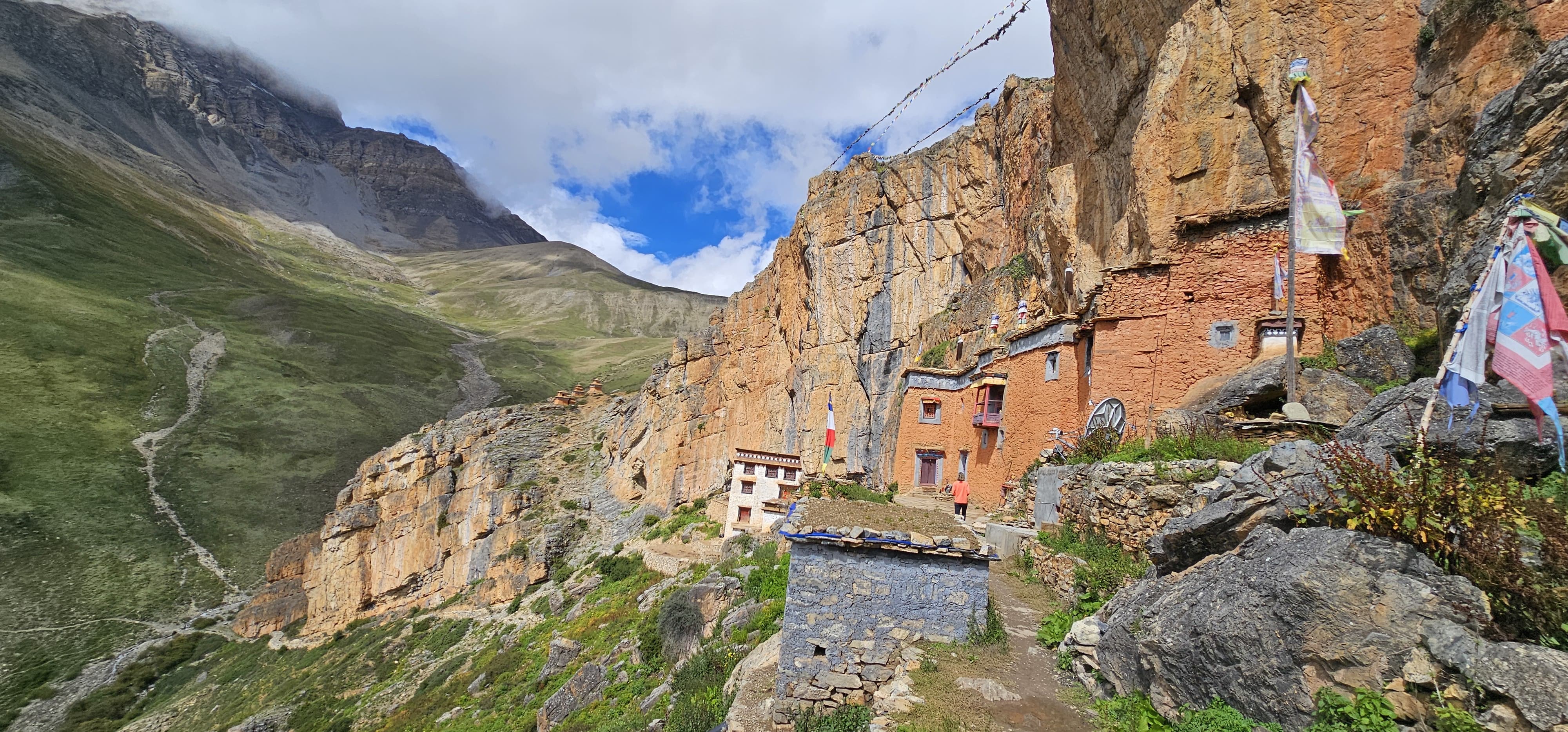
10 Things to Know Before Trekking Dolpo
Trekking in Dolpo isn’t just another Himalayan journey, it’s an adventure into one of Nepal’s most remote and mystical regions.
From untouched landscapes to ancient Tibetan culture, Dolpo offers a truly off-the-beaten-path trekking experience. But before you pack your bags, there are some things to know before trekking Dolpo that can make or break your trip.
This isn't Everest Base Camp or Annapurna Circuit with their established trails and cozy teahouses. Dolpo demands respect, thorough preparation, and a deep understanding of what you're getting into.
In this guide, we’ll cover the 10 most important things you need to know including permits, costs, terrain, altitude, culture, and safety so you can trek with confidence.
Ready to explore the forbidden kingdom of Dolpo? Contact our Dolpo trekking experts for personalized itinerary planning and comprehensive support throughout your journey.
1. Trekking Permits and Costs
Dolpo is a restricted area, which means you’ll need special permits. Dolpo isn't a region you can simply walk into with a basic TIMS card. As one of Nepal's restricted areas, trekking here requires multiple permits and significant financial investment.
Permits are only issued through registered trekking agencies like Dolpo Caravan, and you must trek with a licensed guide. This rule is in place to protect the fragile culture and environment of Dolpo.
Required Permits for Dolpo
Lower Dolpo Permits:
- Lower Dolpo Restricted Area Permit (RAP): USD 20 per person per week, plus USD5 for each additional day
- Shey Phoksundo National Park Entry Permit: USD 30 per person
Upper Dolpo Permits:
- Upper Dolpo Restricted Area Permit: USD 500 per person for the first 10 days, then USD 50 per additional day.
- Lower Dolpo RAP: Required for transit through Lower Dolpo. Costs around USD 20 per person per week.
- Shey Phoksundo National Park Entry: Also required. Around USD 30 per person.
Where to Apply and Requirements
You cannot obtain these permits independently.
Here's what you need to know:
- All permits must be processed through a registered Nepali trekking agency.
- Minimum 2 people for restricted area permits.
- Licensed Guide is mandatory for all Dolpo treks.
- It takes 3-5 business days for permit processing in Kathmandu.
The total permit cost for Upper Dolpo can easily reach USD 600+ per person, making it one of the most expensive trekking destinations in Nepal. However, this exclusivity preserves Dolpo's pristine environment and authentic culture.
Budget around USD 3,500–5,500 for a full Dolpo trek (including guides, porters, camping, food, permits, and flights) from Dolpo Caravan Treks.
2. Trek Difficulty and Terrain
Let's be honest: Dolpo trekking is not for beginners. It’s remote, rugged, and demanding. This is advanced high-altitude trekking through some of Nepal's most challenging terrain.
Physical Demands
- Walking 6–8 hours daily
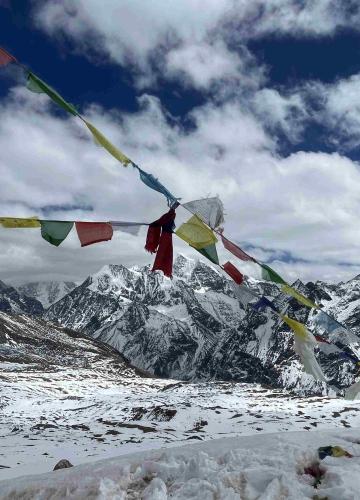
- Crossing high passes over 5,000 meters (like Kang La Pass and Shey La Pass)
- Elevation Gain: Often 800-1200 meters per day
Terrain Challenges:
- Loose scree slopes and unstable rock
- Multiple river crossings (sometimes without bridges)
- Steep ascents and technical descents
- High-altitude desert conditions
For more in details, learn on "How Difficult is upper Dolpo Trek?"
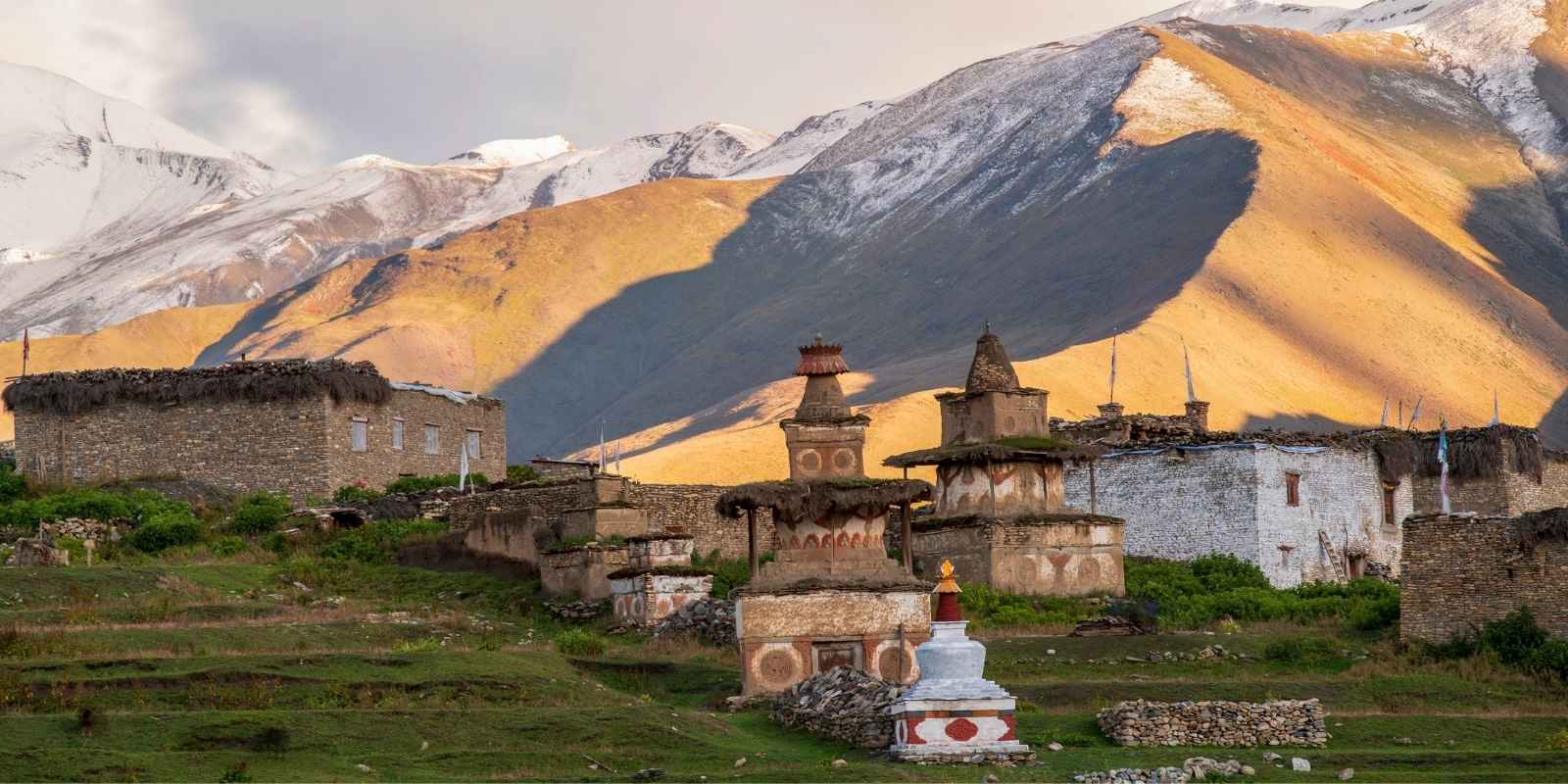
Difficulty Comparison
The Dolpo trek is more physically demanding and logistically challenging than the Everest Base Camp or Annapurna Circuit treks. You will traverse isolated areas without quick escape routes, so mental strength is as important as physical fitness. Major passes like Numa La (5,360m) and Baga La (5,190m) push trekkers to their limits.
Physical Fitness Requirements:
- You should be able to hike 8 or more hours daily for 2 to 3 weeks.
- Experience with multi-day backpacking helps, as does strong cardiovascular fitness.
- Previous high-altitude trekking experience highly recommended to handle tough terrain and altitude.
This trek calls for good endurance, strength, and mental resilience to enjoy the unique and remote landscapes of Dolpo. The remoteness means if something goes wrong, help is days away. Your physical preparation could literally be life-saving.
Learn on How to get to Dolpo from Pokhara.
3. Best Time to Trek in Dolpo
Timing your Dolpo trek is important - get it wrong, and you might face impossible conditions or closed passes.
Optimal Trekking Seasons
The best seasons are:
- Autumn (September–October): September and October are the greatest months and the best time to trek in Dolpo, with clear skies and pleasant temperatures.
- Clear mountain views
- Stable weather patterns
- Comfortable temperatures during the day
- Minimal precipitation
- Spring (April–May): Mid-April to early May offers easier conditions for less experienced trekkers
- Spring warmth melts lower-elevation snow
- Longer daylight hours
- Rhododendrons bloom in lower regions
Things to Know Before Trekking Dolpo in Winter
Unless you’re an experienced high-altitude winter trekker, avoid Dolpo in winter. The weather window for Dolpo is narrow - plan accordingly and have backup dates.
- Winter (December–February) means deep snow, blocked passes, freezing nights, and limited food supply. It is not recommended.
Only lower Dolpo villages are accessible. Upper Dolpo treks are nearly impossible.
Winter Challenges:
- Heavy snowfall makes passes closed and diffululty in camping, even locals migrate to lower elevations
- Temperatures drop to -20°C (-4°F) at night
- Short daylight hours require careful day planning
- Emergency evacuation becomes nearly impossible
- Most villages empty as residents move to warmer areas
Monsoon Season (June-August): Also Challenging
- Muddy, slippery trails
- Leech problems in lower elevations
- Limited mountain views due to clouds
- Risk of landslides and washouts
4. Trek Duration and Itinerary Options
Dolpo has various trekking experiences based on the extent to which you want to explore this mystical land. Your choice depends on how much time, budget, and stamina you have. Dolpo isn’t a quick getaway, it is a serious commitment.
Lower Dolpo Trek
- Duration: 12 to 18 days
- Highlights: Shey Phoksundo Lake, traditional Bon villages, easier travel logistics
- Start Point: Juphal Airport
- Highest Point: About 4,500 meters
- Difficulty: Moderate to challenging
Route:
You’ll fly from Kathmandu to Nepalgunj, then to Juphal. Then, trek through Dunai to Shey Phoksundo Lake and visit villages like Ringmo and Tshowa. And return the same way to Juphal.
Featured Trip:Lower Dolpo Trek - 18 Days
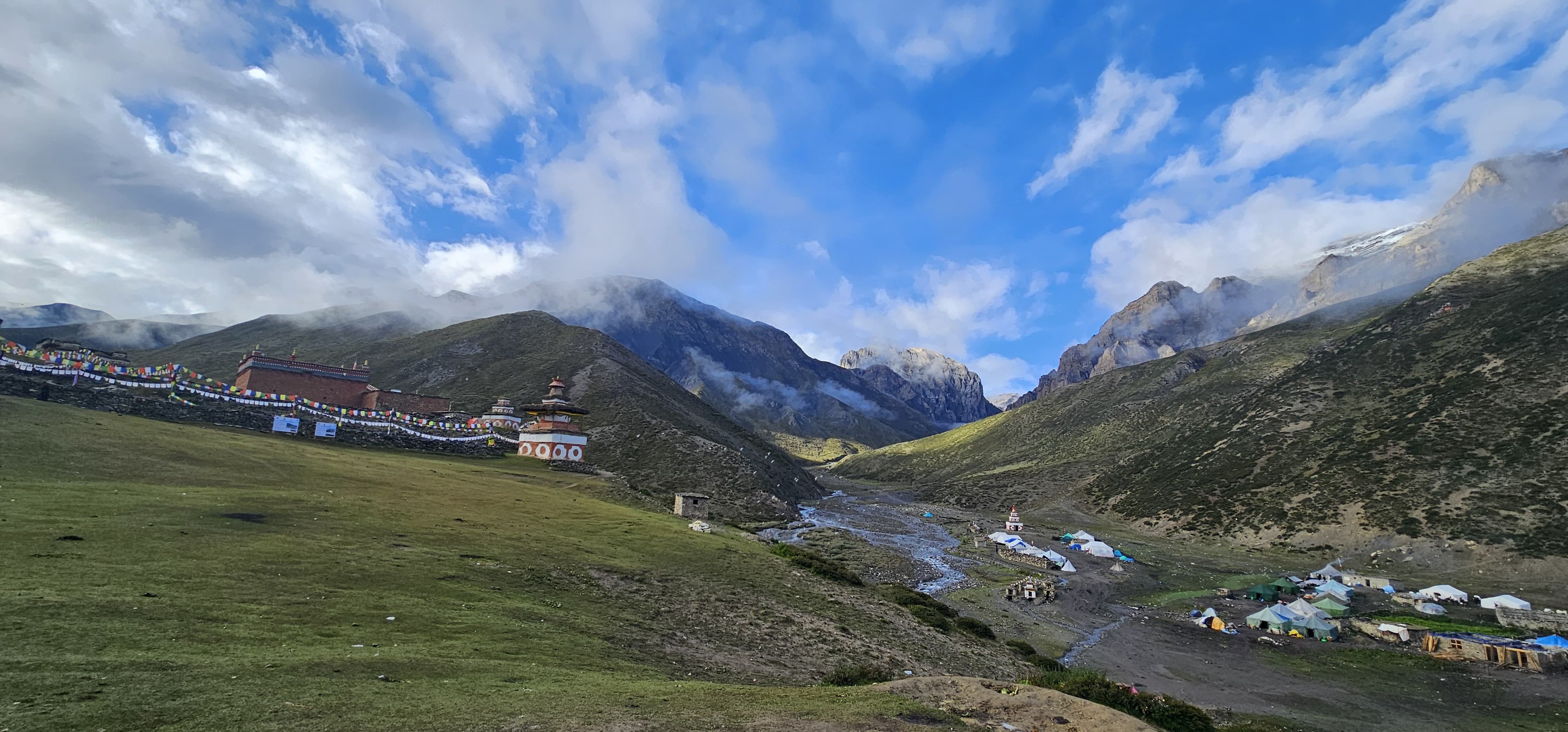
Upper Dolpo Trek
- Duration: 25 to 30 days
- Highlights: Shey Gompa monastery, Crystal Mountain, ancient trade routes, Can connect with the Great Himalayan Trail
- Start Point: Lower Dolpo
- Highest Point: 5,000 to 5,500 meters at high mountain passes
- Difficulty: Very challenging
Route:
You’ll start with the Lower Dolpo trek section, then cross Numa La Pass (5,190m) into upper valleys. Visit Shey Gompa and Crystal Mountain, cross Sela Pass (5,094m) to complete the circuit. You can also connect this trek with Mustang or other nearby regions.
Featured Trip: Upper Dolpo trek - 27 Days
Entry Points and Connections
Entry is usually through Juphal (flight from Nepalgunj) and routes may connect with the Great Himalayan Trail.
- Primary Access: Juphal Airport (2,475m)
- Only airport serving the Dolpo region
- Weather-dependent flights
- Alternative overland access from Dunai
- Great Himalayan Trail Connection: Upper Dolpo connects with this epic long-distance trek, allowing for extended adventures across western Nepal's remote regions.
Always build buffer days into your itinerary. Weather, altitude, and logistics in Dolpo don't follow schedules.
5. Altitude and Acclimatization Tips
Altitude is one of the biggest challenges in Dolpo. You’ll be crossing passes between 5,000–5,500 meters. Dolpo High-altitude problems are real - the right acclimatization can turn it into success or in dangerous situations.
Key Elevations:
- Juphal Airport: 2,475m
- Dunai: 2,140m
- Shey Phoksundo Lake: 3,611m
- Numa La Pass: 5,190m
- Baga La Pass: 5,214m
- Sela Pass: 5,094m
Recommendation read: How to Prepare for a High-Altitude Trek in Dolpo
Acclimatization Strategy
Essential Rest Days
- Spend at least 2 nights at Phoksundo Lake to help your body adjust.
- Always include rest days before crossing major mountain passes.
- Take it slow at high camps and don’t rush through high-altitude sections.
Altitude Sickness Prevention
- Ascend gradually: do not gain more than 500 meters in sleeping elevation per day above 3,000 meters.
- Drink plenty of water, around 4 to 5 liters daily, to stay hydrated.
- Eat high-carbohydrate meals to help your body get used to the altitude.
- Consider taking medication like Diamox, but talk with your doctor first.
Symptoms of Acute Mountain Sickness (AMS):
- Headache
- Dizziness
- Shortness of breath
- Nausea
Prevention tips:
- Take rest/acclimatization days (especially above 3,500m)
- Drink plenty of water
- Ascend slowly (no more than 500m gain per day above 3,000m)
- Carry Diamox or prescribed medication
Remember: AMS can affect anyone, no matter your fitness level.
6. Accommodation: Camping vs Teahouses
Unlike Everest or Annapurna, Dolpo has very few teahouses. Dolpo is primarily a camping adventure .
This makes Dolpo even more of an expedition-style trek, adding to its raw adventure appeal.
- Upper Dolpo: It is almost entirely camping-based. We will provide tents, kitchen staff, and porters.
- Lower Dolpo: Some basic teahouses exist, but don’t expect luxury wooden beds, shared rooms, and limited facilities.
Dolpo Caravan gives its own Eco Lodge in Dolpo: Shey Phoksundo Gateway Hotel for travellers.
Accommodation Reality
Camping-Based Trekking (90% of nights) Most Dolpo trekking involves sleeping in tents due to the region's remoteness and sparse population.
What to Expect:
- High-quality mountain tents (provided by Dolpo Caravan)
- Sleeping in sub-zero temperatures at high camps
- Basic toilet facilities (or none at all)
- Communal dining tents for meals
Limited Teahouse Options
Teahouses in Dolpo are basic and simple. You will stay in shared rooms with thin walls, so expect little privacy. Bedding is basic, and it’s best to bring your own sleeping bag for warmth and comfort.
There are no heating systems, so nights can be quite cold. Toilets are shared among guests and are often outside. Food options are limited, usually with a small menu to choose from. Overall, teahouses provide essential shelter and rest but are not luxurious.
Lower Dolpo Villages Only:
- Dunai: Basic guesthouses available
- Ringmo (near Phoksundo Lake): Simple homestays
- Few villages along main routes: Very basic accommodation
Comfort Level Expectations
Camping on the Dolpo trek gives you more privacy and control over your environment. You’ll have a professional camp set up by guides and porters, with better food preparation than in teahouses.
Comfort Reality Check:
- Camping also offers flexibility to change your route if needed. However, be prepared for cold nights with temperatures between -10°C to -20°C.
- Showers are not available for days, so wet wipes become essential.
- Toilet facilities can be very basic or sometimes nonexistent.
- Washing clothes and gear is difficult, so light packing.
Mentally, camping in Dolpo will test your comfort limits, but the amazing natural beauty you experience will make it worth the challenges.
7. Food, Water, and Safety Precautions
Expect simple meals like:
Typical Dolpo Trek Meals:
- Dal Bhat (rice and lentils)
- Noodles, soup, Tibetan bread, momos
- Occasional dried yak cheese and potatoes
- Dal Bhat: Rice, lentils, vegetables (the staple)
- Tibetan Bread: Fried flatbread with jam or honey
- Noodle Soup: Instant noodles with vegetables
- Tsampa: Roasted barley flour (traditional Tibetan food)
- Yak Cheese: When available in villages
Cooking on the Dolpo trek is done by our trek staff using portable stoves. Ingredients are brought from lower elevations, so fresh vegetables are only available in the first few days. Higher up, you’ll mostly eat canned or dried foods.
To stay safe, always eat freshly cooked meals, avoid raw fruits and vegetables, be careful with dairy, and trust your guide’s food advice. It’s best to avoid caffeine and alcohol at high altitudes like Dolpo. These drinks can dehydrate you and make altitude sickness worse. Instead, drink plenty of water and tea to stay hydrated and help your body adjust.
For water:
At high altitude, drink 4 to 5 liters of water daily to stay hydrated, and remember to carry extra water for cooking and washing. Because you urinate more at altitude, keep these water needs in mind and always boil or filter water before drinking to stay safe and healthy on the trek.
- Never drink untreated water from streams or taps, as it may contain harmful parasites. Always drink boiled water provided by trek staff, or carry your own purification tablets as a backup.
- Use insulated water bottles to stop the water from freezing in the cold mountain climate.
Safety tips:
Food poisoning or water-borne illness may turn into a grave problem because of the remoteness of Dolpo. Prevention is your best strategy.
- Pack a comprehensive first-aid kit
- Make sure that your guide will have satellite phone in case of an emergency.
- Be cautious with hygiene remote treks mean medical help isn’t nearby
- Prescription Medications: Bring extra supplies
- Hygiene: Hand sanitizer and wet wipes crucial
- Sun Protection: Extreme UV exposure at altitude
8. Packing Essentials for Dolpo
However, the Dolpo packing necessitates a compromise of weight limit and the need to survive in extreme climatic conditions.
Packing light but smart is essential. Porters carry gear, but weight limits apply.
Here’s what you must bring:
- Warm layers: Down jacket, thermal wear, gloves, and woolen socks
- Sleeping bag: -20°C comfort rating
- Trekking boots: Waterproof, broken-in
- Headlamp and extra batteries
- Power bank and solar charger (no electricity in most places)
- Trekking poles
- Water purification tablets
- Snacks/energy bars
Remember: In Dolpo, your gear might save your life. Don't compromise on quality for weight or cost.
Also, Know about where to buy trekking gear in Nepal.
9. Local Culture and People of Dolpo
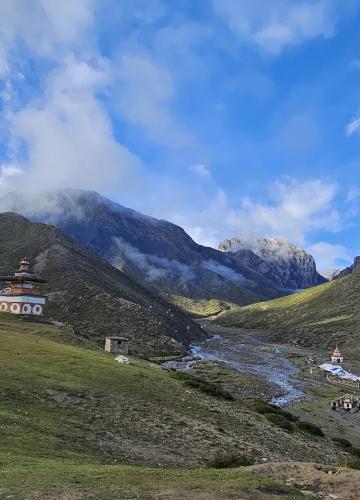
Dolpo isn’t just about mountains, it is connected with warm, resilient people. It's also a living cultural treasure where ancient traditions thrive in isolation.
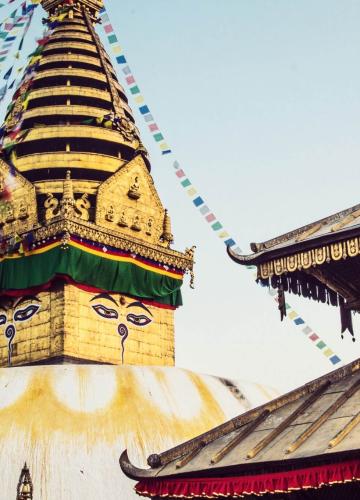
Dolpo is home to people deeply influenced by Tibetan Buddhism and Bon religion. Dolpo is one of the last strongholds of Bon, Tibet's pre-Buddhist shamanistic religion. While Bon traditions remain strong, Tibetan Buddhism has also flourished, creating a unique spiritual blend found nowhere else.
You’ll encounter:
- Shey Gompa Monastery (a sacred site in Upper Dolpo)
- Crystal Mountain (Kagmara): Sacred to both Bon and Buddhist traditions
- Bon shrines and chortens
- Village Monasteries: Small gompas dot the landscape maintaining precious manuscripts, artifacts, and spiritual practices passed down through generations.
Ethnic Diversity:
- Dolpo-pa: The primary inhabitants, practicing agro-pastoralism
- Tibetan Refugees: Families who fled Tibet in the 1950s-60s
- Seasonal Traders: Following ancient trans-Himalayan trade routes
The people of Dolpo have maintained their authentic lifestyle despite outside influences. Few locals speak English but most speak Nepali. Our guide serves as a cultural interpreter and communication bridge.
Traditional Lifestyle:
- Yak and sheep herding in summer pastures
- Barley and buckwheat cultivation in valleys
- Salt trading with Tibet (historic routes)
- Seasonal migration between summer and winter settlements
Respect local culture by:
- Asking before taking photos. Never photograph inside monasteries without permission.
- Remove hats when entering monasteries
- Walking clockwise around monasteries and prayer wheels
- Dressing modestly.
10. Connectivity, Guides, and Safety Measures
Dolpo is in a communication void. It is important to learn about this isolation in order to be safe and to be calm.
Communication Reality
- No Wi-Fi or reliable mobile coverage—be ready to disconnect. (Learn about Dolpo Geography).
- Emergency Communication: Available only through satellite devices or specific locations
Mandatory Guide Requirements
Guides are mandatory for permits, but also critical for safety and navigation.
All Dolpo treks require licensed guides - this isn't optional. The restricted area permits cannot be obtained without professional guide services.
Guide Services Include:
- Permit processing and logistics
- Route navigation and safety management
- Cultural interpretation and language assistance
- Emergency response and evacuation coordination
Safety and Emergency Considerations
Emergency evacuation is limited. Juphal has a small airstrip, but bad weather can delay flights.
- Emergency evacuation in Dolpo is limited and depends heavily on the weather.
- Helicopter rescue is the main option, but is expensive (USD 3,000–8,000+) and weather-dependent.
- Few safe helicopter landing zones exist in the region.
- Walking evacuation to road access can take several days.
- Health posts are basic and available only in Dunai; Juphal has the main airstrip.
- Communication options include satellite devices and police posts in larger villages.
The remoteness that makes Dolpo special also brings risks. Proper safety planning, good guides, and quality insurance are essential for a safe adventure.
Solution: Always take travel insurance that covers helicopter evacuation above 5,000m.
This helps keep you safe in one of Nepal’s most remote trekking regions.
Safety First: Book with certified Dolpo specialists who prioritize your safety with proper emergency protocols and insurance coverage.
Final Thoughts
Dolpo is a special and unforgettable trek. It is remote and challenging but offers amazing views, old monasteries, and a unique culture you won’t find anywhere else in Nepal.
You need to be fit, prepared, and have the right gear and guides to enjoy the trek safely. Respecting local traditions and being flexible will help you have the best experience.
If you’re excited to explore Dolpo, we’re here to help! Contact us today to plan your trip with expert guides and full support. Let’s make your Dolpo adventure happen!
Explore Dolpo Caravan Dolpo Trek Packages:
FAQs
Is Dolpo trek difficult?
Yes, Dolpo trek is one of the most challenging treks in Nepal due to its remote location, high altitude, and rugged terrain. It requires good physical fitness, prior high-altitude experience, and strong mental resilience.
Do I need a permit for Dolpo trek?
Yes, multiple permits are required and must be arranged through registered Nepali trekking agencies. A licensed guide and a minimum group size are mandatory for trekking in Dolpo.
What is the best time for Dolpo trek?
The best time to trek Dolpo is from September to October for clear weather, with April to May as a secondary option. Avoid winter and monsoon seasons due to harsh weather and trail conditions.
How long does Dolpo trek take?
Lower Dolpo treks usually take 12-18 days, while Upper Dolpo can take 25-30 days or more depending on the route and acclimatization needs. Planning extra days for weather and altitude adjustment is recommended.
Can I trek Dolpo without a guide?
No, trekking Dolpo without a licensed guide is not allowed. Guides are essential for permits, navigation, and safety in this restricted and remote area.
How much does Dolpo trek cost?
Dolpo trekking costs range from USD 2,500 to over USD 6,500 per person, depending on the region and services. Permit fees, guides, porters, flights, and equipment contribute to the higher cost.
What makes Dolpo different from other treks in Nepal?
Dolpo offers a unique experience with its remote, high-altitude desert landscape, authentic Tibetan-Bon culture, and camping accommodations. It is less developed and more challenging than popular treks like Everest or Annapurna.

Leave Your Comment