
Best Time to Visit Phoksundo Lake - Travelers Guide
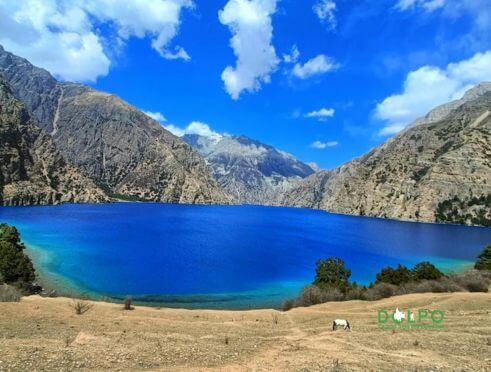
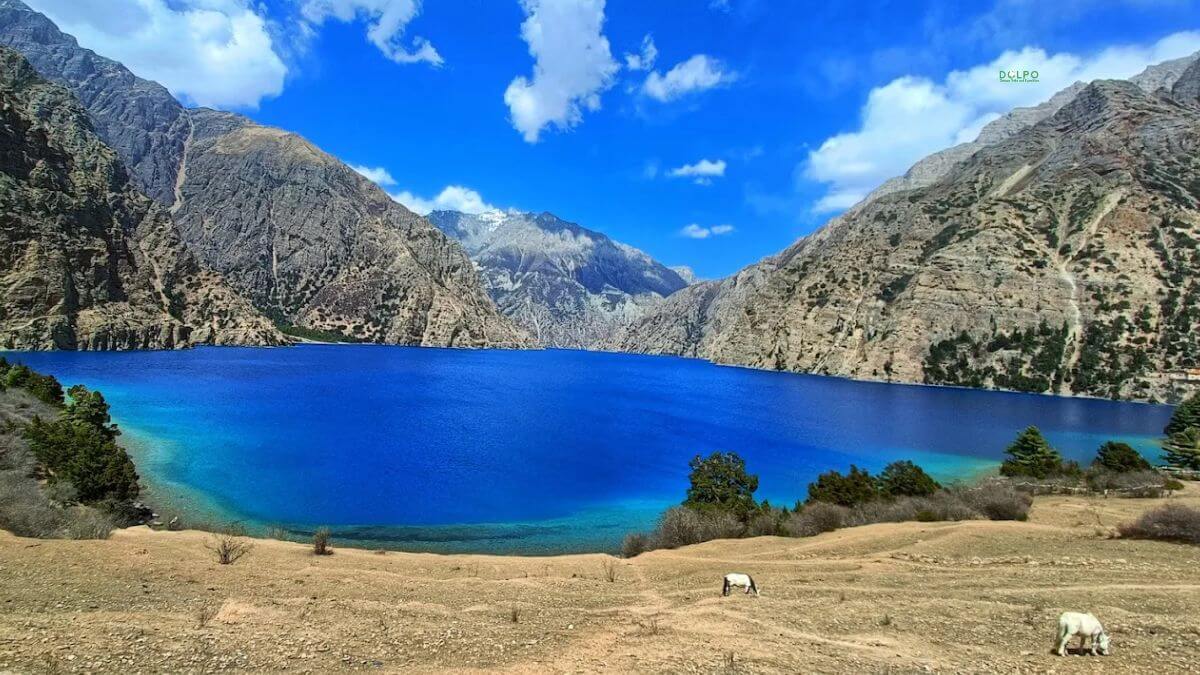
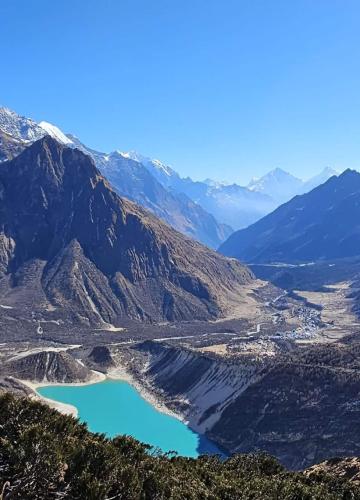
Deep in Nepal's untamed and isolated Dolpo region, Phoksundo Lake is located within Shey Phoksundo National Park. This stunning turquoise lake is 3,611 meters above sea level.
It is surrounded by high mountain peaks, old Tibetan stupas, and a thriving local culture. Nestled in Nepal's largest national park, the Phoksundo lake provides a unique glimpse into a region where ecology, culture, and spirituality all coexist harmoniously.
Many trekkers ask about the best time to visit Phoksundo Lake and Shey Gompa. The best time to visit Phoksundo Lake and Shey Gompa is during spring (March–May) and autumn (September–November). These months offer stable weather, clear skies, and safe trekking conditions. Winter is cold and challenging, while the monsoon brings rain and flight delays.”
Featured Trip: Phoksundo Lake Tea House Trek
One of the most important choices you will have to make if you want to journey here is when to go. Dolpo Caravan Team has guided many travelers through Dolpo’s hidden trails, this detailed guide will provide you the best time to visit Phoksundo Lake.
When is the Best Season to Visit Phoksundo Lake?
The best time to visit Phoksundo Lake is in spring (March to May) and autumn (September to November). During these months, the weather is steady, the skies are clear, and the temperatures feel just right for trekking. The best time for the Phoksundo Lake trek is during spring and autumn when weather conditions are ideal for trekking and sightseeing.
In spring, you’ll see beautiful rhododendron flowers and wild blooms along the trails. Autumn brings fresh, crisp mountain air and amazing views of the snow-covered Himalayan peaks.
You should avoid the monsoon season (June to August) because heavy rains make the paths slippery and sometimes cause landslides. Winter can be really cold with chilly nights and strong winds, so it’s only preferred for experienced trekkers who are ready for tough conditions.
The right season means you’ll have a safer, more fun trip and get to enjoy the stunning nature and unique culture around Phoksundo Lake in Nepal’s Dolpo region. The best season to visit Shey Phoksundo National Park, which includes Phoksundo Lake, is spring and autumn due to stable weather and vibrant natural beauty.
Seasonal Breakdown – Weather, Trekking & Tips
Phoksundo Lake weather in spring is mild, with temperatures ranging from 5°C to 15°C which is ideal for trekking. The Dolpo trek's best time aligns with Nepal's best trekking months, which are spring and autumn, offering the most favorable weather and trail conditions.
| Season | Weather & Conditions | Trekking Considerations | Highlights |
| Spring | Mild, clear skies | Best trail conditions, moderate crowds | Blooming rhododendrons, wildlife sightings |
| Autumn | Crisp, dry, scenic views | Most popular trekking period | Golden landscapes, cultural celebrations |
| Winter | Cold, snowy, challenging | Limited teahouses need proper gear | Solitude, snow-covered Himalayan scenery |
| Monsoon | Wet, muddy, unpredictable | Flight delays, slippery trails | Lush greenery, dramatic skies |
Spring (March–May)
Spring is the best time to visit Phoksundo Lake, and there are many reasons why this season stands out above the rest. During spring, Ringmo Village, an ancient Bon settlement by Phoksundo Lake, comes alive with traditional practices, surrounded by blooming rhododendrons. You can stay in local teahouses and experience authentic Dolpo hospitality.
Weather and Temperature:
During spring months, Phoksundo Lake temperature begins to warm up after the winter, with daytime. The temperatures ranges from 5°C to 15°C (41°F to 59°F). The nights remain cool but are far more comfortable than winter months. The weather is stable and predictable, with clear skies dominating most days.
Trekking Conditions:
You can discover some of the greatest trail conditions of the year in the spring. Most of the winter's snow has melted, making the paths safer to use and more accessible. Avalanche risk is less, and the steady weather patterns reduce the likelihood of being caught in unexpected storms.
Natural Beauty:
Shey Phoksundo National Park really comes to life during this season. Rhododendrons blossom in breathtaking displays of red, pink, and white, illuminating the surrounding alpine meadows. The valleys are covered in wildflowers, making them a photographer's dream come true. It is really stunning to see the contrast between the vibrant blossoms and the blue lake waters.
Explore our package: Phoksundo Bon Cultural Trek
Wildlife Activity:
Migratory birds return to the Dolpo region, and wildlife becomes more active after the dormant winter months. You have better chances of spotting blue sheep, musk deer, and, if you're extremely fortunate, the elusive snow leopard. The increased daylight hours also provide more opportunities for wildlife observation.
Cultural Experiences:
Many local Bon and Tibetan Buddhist festivals occur during spring months. It offers visitors unique insights into the rich cultural heritage of the Dolpo people. These celebrations add a spiritual dimension to your trek that you won't find during other seasons. You often see yak caravans carrying supplies through the blooming rhododendron forests. It is an experience unique to Dolpo. Learn about Dolpo Geography.
Why Spring Stands Out:
The combination of stable weather, blooming landscapes, active wildlife, and cultural richness makes spring the most rewarding season for most visitors. It's also less crowded than popular trekking routes in other parts of Nepal.
Autumn (September–November)
Autumn represents the second best time to visit Phoksundo Lake. You will observe crystal-clear mountain views during this season which is perfect for photography.
Autumn is also the best time to visit Shey Gompa, offering clear skies and stable trails for a memorable spiritual journey. Shey Gompa is the spiritual heart of Dolpo, often called the ‘Crystal Monastery.’ The route offers golden landscapes and panoramic Himalayan views.
Weather and Temperature:
Post-monsoon autumn brings some of the clearest skies you'll ever see in the Himalayas. The daytime temperatures range from 8°C to 18°C (46°F to 64°F), with crisp, dry air that's perfect for trekking. Nights are chilly but it’s manageable with proper gear.
Trekking Conditions:
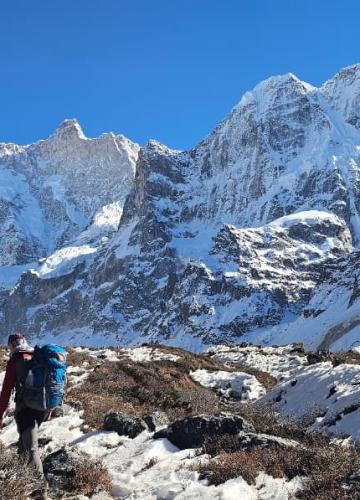
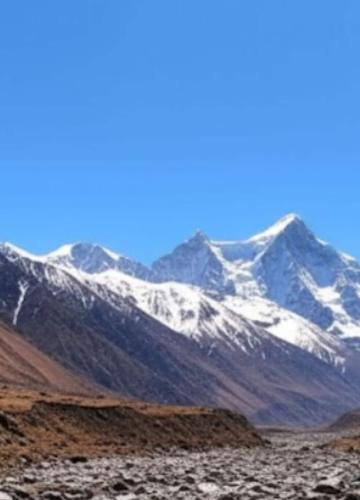
The trails are dry and stable after the monsoon. It would have cleared away dust and debris. The atmosphere creates clear conditions for photography. You will witness stunning panoramic views of the Kanjiroba and Dhaulagiri mountain ranges.
Scenic Beauty:
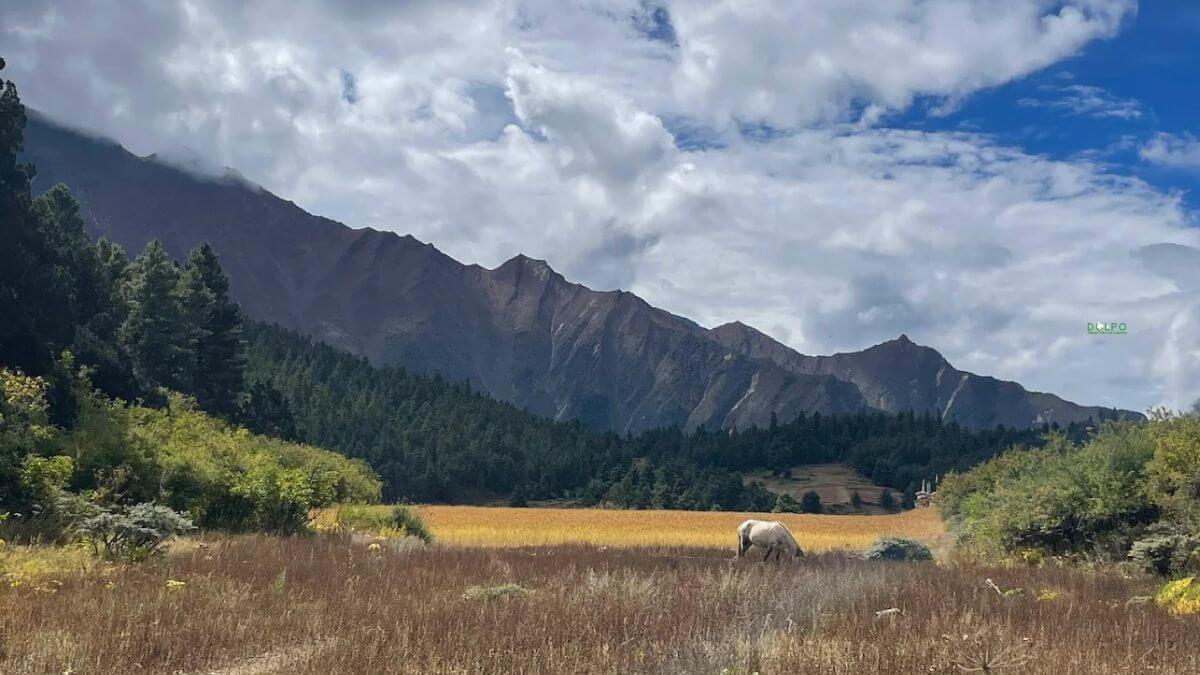
The scenery turns into a golden-brown and alpine flowers get colored. The contrast between the deep blue lake, golden hillsides, and snow-capped peaks creates scenery in the Himalayas. This is the best time for landscape photography.
Wildlife and Nature:
Autumn is an active period for wildlife preparing for winter. Animals are more visible as they prepare for the cold months ahead. Birdwatchers will appreciate the migratory patterns of various species passing through the region.
Cultural Aspects:
Local communities celebrate the completion of the harvest season and you can witness authentic cultural practices and traditional celebrations during autumn season. During autumn you can enjoy joining local harvest festivals, where you can experience traditional dances and ceremonies that bring the Dolpo culture to life.
Considerations for Autumn:
Even while autumn provides great trekking conditions, the days start to get much shorter. It becomes essential to plan your daily schedule in order to avoid getting caught on paths after dark. Please keep in mind that autumn is the busiest seasons among all, so accommodations are more crowded.
Winter (December–February)
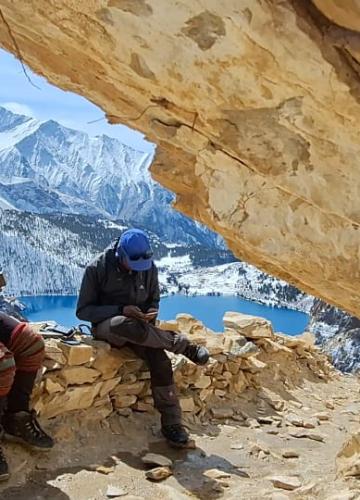
Winter at Phoksundo Lake is not for everyone, but it offers something truly special for those ready for it. The landscape is snow-covered, with frozen lakes and frosted peaks.
Weather and Temperature:
Temperatures drops to -10°C (14°F) or lower at night and get over 5°C (41°F) at daytime during the winter. There is a lot of snowfall which offers beautiful white landscape but it is difficult for you to travel in those heavy snowfall.
Trekking Challenges:
You should have serious preparation and experience while trekking to Phoksundo Lake during winter. Snow can block trails, making navigation difficult and sometimes dangerous. Many teahouses and lodges are closed during winter. Also, Flights to Juphal airport, the gateway to Dolpo, are frequently delayed or cancelled due to weather.
Unique Advantages:
If you’re an experienced winter trekker or an adventurous person, the rewards are extraordinary. The area is incredibly peaceful and almost deserted, offering a truly off-the-beaten-path experience throughout the trek. You will see the frozen lake and snow-covered landscape unlike any other season. You will also have spectacular stargazing opportunities at night during clear skies.
Who Should Consider Winter:
Highly experienced mountaineers and trekkers with proper cold-weather gear and winter trekking experience can trek during winter. You should hire a local guide familiar with winter conditions for safety.
Monsoon/Summer (June–August)
Monsoon season in Dolpo is a double-edged sword. The rains bring lush green valleys that look spectacular from afar, with blooming monsoon flowers adding bursts of color to the landscape.
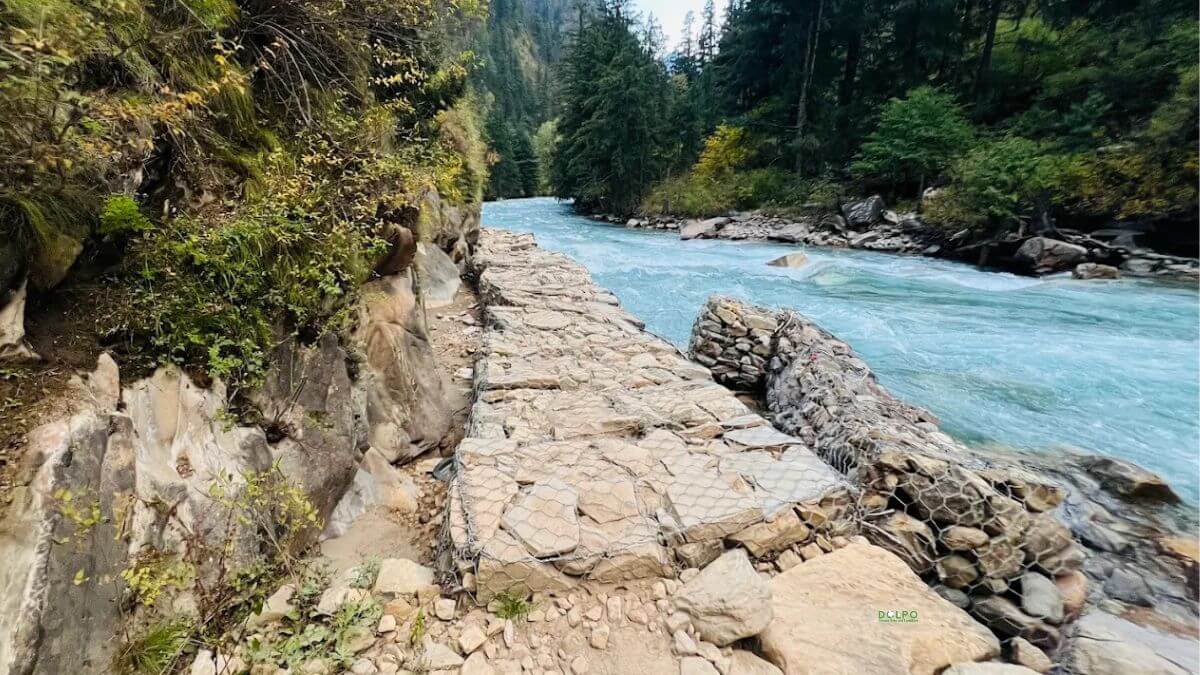
But those soaking rains also make the trails muddy and dangeous. There is high chance of landslides, swollen streams, and slippery paths. The cloud cover and fog hides the mountain views.
Weather Conditions:
The region experiences increased rainfall during monsoon months, particularly in June and July. While Dolpo lies in the rain shadow and receives less precipitation than other parts of Nepal, the monsoon still brings enough moisture to affect trekking conditions significantly.
Trekking Difficulties:
Trails are muddy and slippery which increasing the risk of accidents. Swollen rivers can block passages, and the risk of landslides increases in certain areas. Persistent clouds and fog often obstructs the stunning mountain views that you can’t witness.
Limited Visibility:
One of the main drawbacks of monsoon trekking is reduced visibility. You might not be able to observe the dramatic mountain vistas and clear Phoksundo lake views due to clouds and mist.
Unique Aspects:
If you’re seeking solitude and accept challenging conditions, monsoon offers a unique experience. The landscape are vibrant with vegetation, and dramatic cloud formations can create interesting photographic opportunities.
Aslo, learn about Phoksundo Matri Ceromony.
Best Months to Plan Your Trip
Top Months to Visit
March to May - Spring Highlights:
The best time of year to hike to Phoksundo Lake in the spring is during these months. While May gives the most consistent weather patterns and the hottest temperatures of the spring, April brings the first significant rhododendron blossoms. Trails are mostly free of snow, but the scenery still has its new, post-winter splendor.
During these months, you'll experience:
- Comfortable daytime temperatures (10-15°C)
- Minimal precipitation
- The blooming season of rhododendrons.
- Active wildlife and bird migration
- Consistency of the weather is the best when trekking.
September to November - Autumn Highlights:
Trekking in Nepal is particularly popular during these months, and Phoksundo Lake is no exception. The most stable weather before winter arrives occurs in October, whereas the clearest post-monsoon sky are found in September.
What makes these months special:
- Crystal-clear mountain visibility
- Comfortable trekking temperatures (12-18°C)
- Golden autumn colors throughout the landscape
- Harvest festivals and cultural celebrations
- Dry and stable trail conditions
Why These Months Stand Out
The months of March, April, May, September, and October offer the perfect balance of favorable weather conditions, scenic beauty, and minimal risks.
These periods provide:
Balanced Weather Patterns:
There are fewer temperature extremes during these months. You won't face the bitter cold of winter or the unpredictable conditions of the monsoon. The weather is stable enough for safe trekking while still providing the mountain environment that makes Phoksundo Lake special.
Optimal Scenic Beauty:
Spring months bring the nature's renewal with blooming flowers and active wildlife, while autumn months offer the clearest mountain views and golden landscapes. Both seasons provide excellent photography opportunities and memorable natural experiences.
Cultural Richness:
The Dolpo region's significant cultural seasons fall in both spring and autumn. Religious festivals and spiritual festivities take place in the spring, while harvest festivals and customary rites take place in the fall. These aspects of culture give your hiking experience more depth and significance.
Safety Considerations:
These months offer the safest trekking conditions with stable weather, clear trails, and reliable access to the region. Emergency evacuation, if needed, is more feasible during these periods compared to winter or monsoon seasons.
Month-by-Month Tips for Visiting Phoksundo Lake
January – February (Winter Peak)
- Expect heavy snow and frozen trails.
- Only suitable for expert trekkers with proper winter gear.
- Flights to Juphal are often delayed by plan buffer days.
March (Early Spring)
- Trails start to clear, though higher passes may still have snow.
- Great time for fewer crowds and early rhododendron blooms.
- Pack warm layers for chilly mornings and evenings.
April (Spring Peak)
- Perfect balance of mild temperatures and blooming rhododendrons.
- Wildlife sightings increase, and blue sheep and rare birds are more active.
- A very photogenic month with stable weather.
May (Late Spring)
- Warmest spring month; trails are fully open.
- Best time to combine Phoksundo Lake with side trips to Shey Gompa.
- Carry sun protection, as days are warmer at altitude.
June (Early Monsoon)
- Trails get muddy, and the risk of leeches increases.
- Could still hike up with ease and good rain equipment.
- Less people when you want to be alone.
July – August (Monsoon Peak)
- Risk of landslides and swollen rivers.
- Avoid unless you are an experienced trekker seeking off-season adventure.
- Amazing greenery and cloud formations for photographers.
September (Early Autumn)
- Post-monsoon freshness, crystal-clear skies.
- Perfect visibility of Kanjiroba and Dhaulagiri ranges.
- Best month for stable flights and trail conditions.
October (Autumn Peak)
- The most popular month for trekking in Nepal.
- Comfortable temperatures and vibrant autumn colors.
- Booking teahouses in advance can get crowded.
November (Late Autumn)
- Clear nights still, but colder.
- Lucky people who want fewer trekkers than are on in October.
- Bring blankets in case it is frosty.
December (Early Winter)
- Quiet trails with occasional snow on higher paths.
- Many teahouses start to close.
- Good for solitude-seekers who can handle cold conditions.
Additional Planning Tips
Accessibility & Permit
The journey to Phoksundo Lake begins with a flight from Kathmandu to Nepalgunj, followed by a flight to Juphal airport in Dolpo. Weather conditions significantly affect flight schedules, with spring and autumn months offering the most reliable air access.
Phoksundo Lake lies within Shey Phoksundo National Park, so a park permit is required. Dolpo is a restricted area, so you’ll need a special Restricted Area Permit.
You need to hire a local guide for navigation, cultural interpretation, and safety. In remote areas like Dolpo, guides are often mandatory.
Required Permits:
- Shey Phoksundo National Park entry permit
- Dolpo region special trekking permit
- TIMS (Trekkers' Information Management System) card
The permit process can take several days, so plan accordingly. Costs vary depending on the season and your nationality, with foreign visitors paying higher fees than SAARC nationals.
Cultural & Environmental Awarness
The Dolpo region is home to people practicing ancient Bon and Tibetan Buddhist traditions. You need to respect local customs, dress modestly when visiting monasteries, and ask permission before photographing people or religious sites.
- Ringmo Village: Gateway to Phoksundo Lake, known for its Bon traditions, authentic Dolpo hospitality, and teahouses right by the turquoise waters.
- Shey Gompa: A sacred 800-year-old monastery, also called the “Crystal Monastery.” If you trek further, autumn is the best time to visit Shey Gompa as skies are clear, trails are stable, and local festivals bring the Dolpo culture to life.
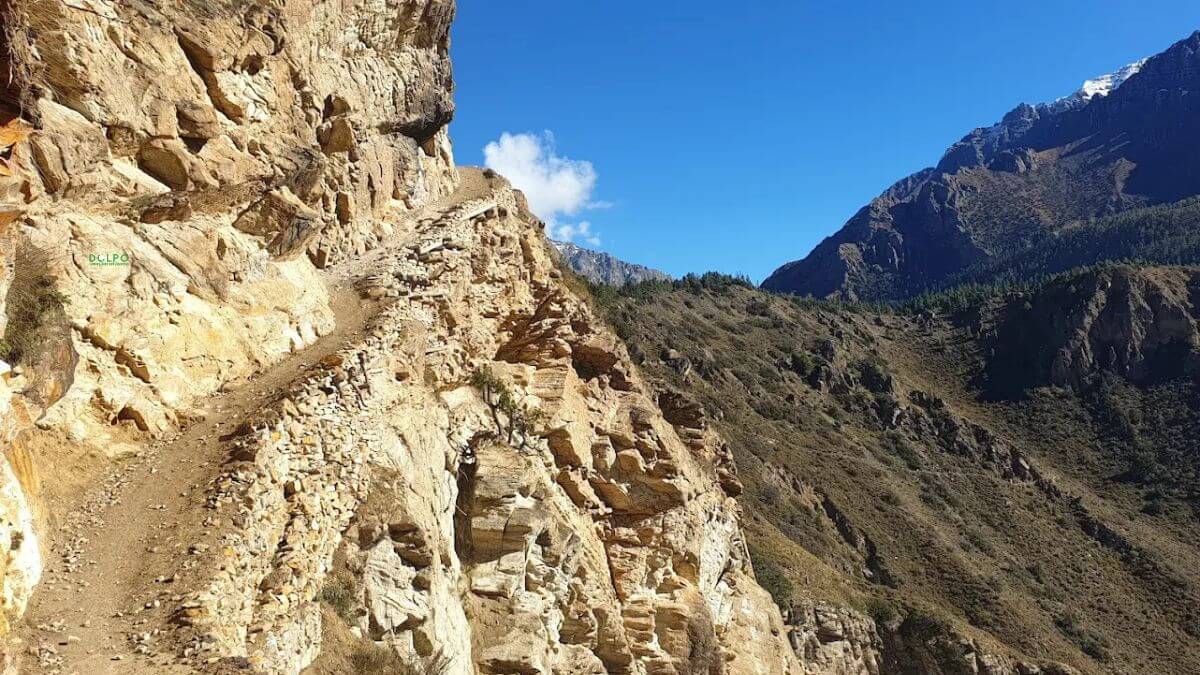
The environment around Phoksundo Lake is delicate at high elevations. Observe the Leave No Trace guidelines:
- Remove all of the rubbish.
- Make use of the designated camping spots.
- Keep a safe distance and show consideration for wildlife.
- Avoid disturbing the shoreline or lake waters.
- Encourage local eco-friendly lodging whenever you can.
Before you travel, familiarize yourself with the traditions and customs of the area. Respecting the culture of the Dolpo people, who have preserved their traditional way of life for centuries, improves your trip and promotes environmentally friendly travel.
Safety & Travel Preparation
Physical Preparation:
Trekking to Phoksundo Lake needs high physical fitness and enough acclimatization. The high altitude (3,611 metres) can harm anyone, regardless of fitness level. Prepare by doing regular cardiac exercises and, if possible, altitude training.
Essential Gear:
Your gear requirements vary significantly by season:
Spring/Autumn Essentials:
- Layered clothing system
- Warm sleeping bag (rated to -10°C)
- Water and wind resistant jacket
- Sturdy trekking boots
- Sun protection (sunglasses, hat, sunscreen)
- Altitude sickness medicine and first aid kit.
Winter Additions:
- Extreme cold weather gear
- Four-season sleeping bag
- Microspikes or crampons
- Emergency bivvy and extra supplies
Health and Safety
- Keep full travel insurance that includes coverage for trekking at high altitudes.
- Bring medication for altitude sickness (see your physician).
- Bring a complete first aid kit.
- Think about employing knowledgeable local guides who are accustomed to the terrain.
- Maintain communication devices and backup batteries like power banks and emergency evacuation preparations.
Tip: Always, check the weather forecast and be ready to change your plans if necessary. Because mountain weather can change quickly, your first concern should always be safety.
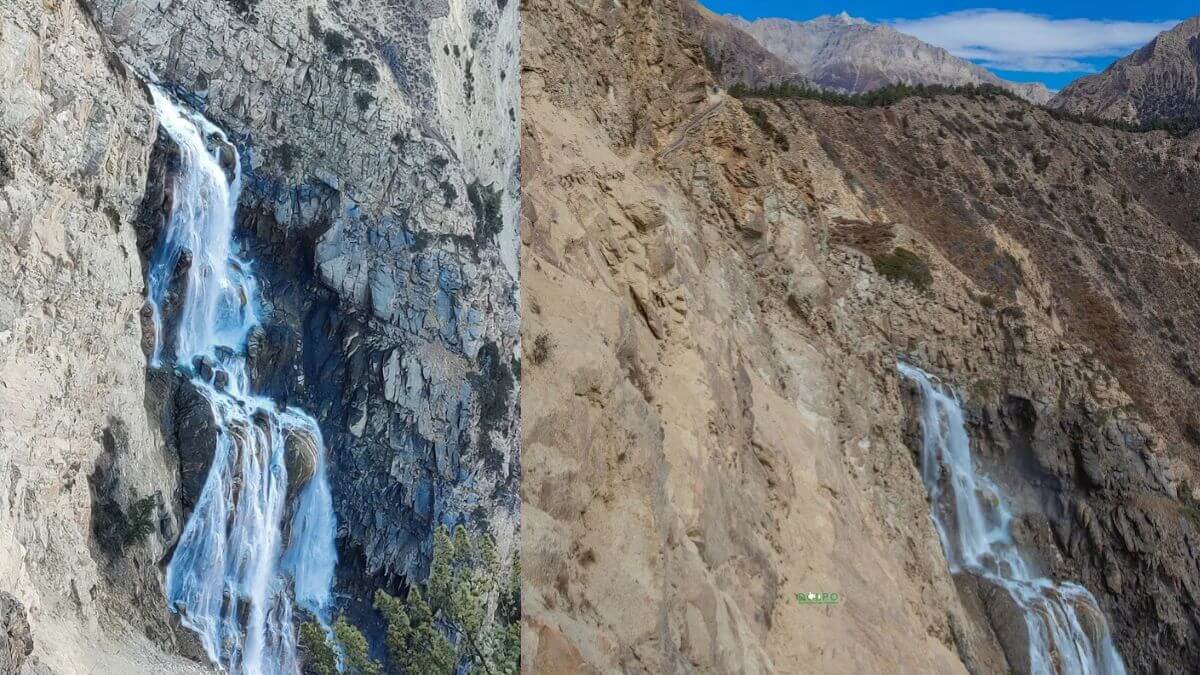
Final Thoughts
One of Nepal's most remarkable hidden treasures is Phoksundo Lake, which combines rich, vibrant culture with unspoiled natural beauty. The bright springs or cool autumns are the ideal seasons for most hikers to explore its trails because of the stunning scenery, secure routes, and friendly locals.
While the greenery of the monsoon tempts those who value tranquility over ease, winter beckons the courageous with its snow-dusted seclusion. You may enjoy the finest of this remote Himalayan gem at any time of year if you plan ahead, prepare well, and show consideration for this delicate ecosystem.
Ready to plan your adventure? Contact the Dolpo Caravan Trek Team for guided itineraries, permit assistance, and expert advice to make your Phoksundo Lake trek unforgettable.
FAQs
When is the best time to visit Phoksundo Lake?
The best season for visiting Phoksundo Lake is spring (March–May) or autumn (September–November), when the weather at Phoksundo Lake is clear and temperatures are mild.
What is the best season for visiting Phoksundo Lake?
The best season for visiting Phoksundo Lake is spring (March–May) and autumn (September–November), offering clear skies and comfortable temperatures.
What are the least favorable times to go?
The least favorable times are during the monsoon season (June to August) because heavy rains can make trails slippery and dangerous. Winter (December to February) can also be tough due to cold temperatures and possible snow blocking paths.
Which months are the most recommended?
March to May and September to November are the most recommended months. These periods offer comfortable weather, beautiful landscapes, and fewer chances of rain or snow.
Do I need special permits to visit?
Yes, you need multiple permits to visit Phoksundo Lake: a Shey Phoksundo National Park entry permit, a Dolpo region special trekking permit, and a TIMS card. The permit process can take several days, and costs vary by nationality and season. It's recommended to arrange permits through a registered trekking agency or apply well in advance.
Can beginners trek to Phoksundo Lake?
Yes, beginners can trek to Phoksundo Lake during the best time for Phoksundo Lake trek but it is still a challenging high-altitude trek suitable for intermediate to advanced trekkers. Beginners should have prior trekking experience, good physical fitness, and consider joining guided groups. The remote location, high altitude (3,611m), and long distances make proper preparation essential.
What if I travel in winter or monsoon?
Winter travel requires extensive cold-weather experience, specialized gear, and local guides familiar with winter conditions. Many facilities close, flights are frequently cancelled, and trails can be dangerous. Monsoon travel means dealing with muddy trails, reduced visibility, and potential flight delays, but it offers solitude and lush landscapes for adventurous trekkers willing to accept the challenges.
What cultural or scenic highlights can I expect?
You can expect stunning turquoise waters of the lake, beautiful mountain views, and unique wildlife. Culturally, you’ll find traditional Tibetan-style villages and ancient monasteries that offer a glimpse into local life and spirituality.

Leave Your Comment