
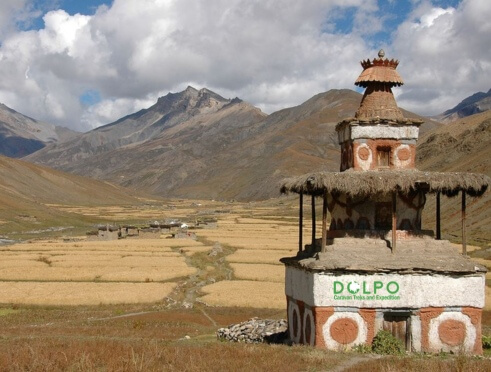
Why Dolpo is in Restricted Region?
Dolpo is a restricted region in Nepal because of its sensitive location along the Tibetan border, its fragile Himalayan ecosystem, and its ancient cultural heritage. This hidden gem in Nepal's remote northwest has captured the hearts of many adventure seekers worldwide, yet it remains one of Nepal's most protected regions.
This remote area features rugged mountains, high plateaus, and limited resources, making it challenging to access and manage safely. The local communities follow ancient Bon religion practices,one of the oldest spritial tradirtions in the Himlayas that needs careful protection.
The government has issued a special permit rules to control the number of tourists and keep the region state. Restrictions preserve its unique culture, natural beauty, and traditional way of life.
Unlike Everest or Annapurna, where thousands trek every year, Dolpo stays untouched because only a few with special permits can enter. These restrictions help to:
- Protect Dolpo’s unique culture from mass tourism.
- Preserve endangered wildlife inside Shey Phoksundo National Park.
- Ensure border security along Nepal’s frontier with Tibet.
- Manage limited resources in an isolated and harsh environment.
- Supports the traditional lifestyle of the Dolpo people, who mostly work as farmers and herders.
Thanks to the limited access, Dolpo offers a once-in-a-lifetime chance to experience untouched landscapes and ancient traditions, but only with the right permits and preparations.
Thinking about Dolpo? This guide explains why Dolpo is restricted, permit requirements, trekking rules, and what makes it worth the effort.
Understanding Restricted Areas in Nepal
According to the Nepal Department of Immigration, restricted areas are created to protect cultural heritage and border security. Nepal has some trekking areas that are restricted regions to protect cultural identity, border security, and environmental balance.
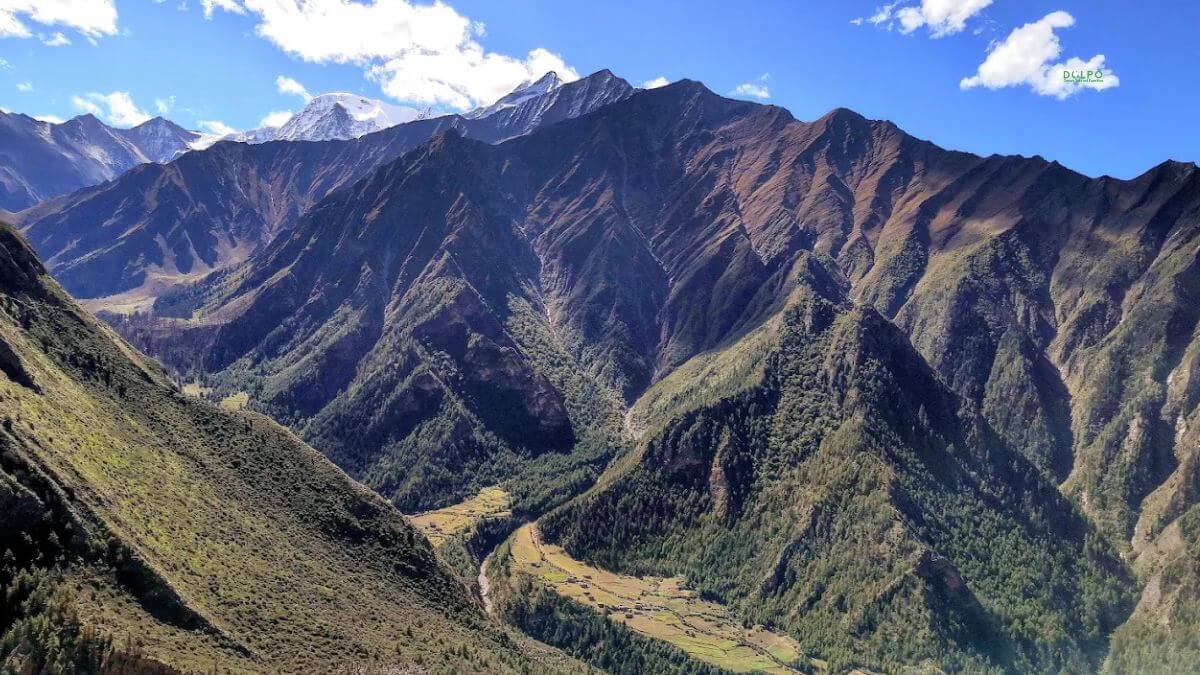
These regions need special permits to enter, which are different from the usual trekking permits. These zones often require:
- Border Security: Many of these restricted areas are near sensitive borders, especially with Tibet (China). The government keeps a close watch here to protect the country and stop illegal crossings.
- Cultural Preservation: Places like Dolpo are home to old and unique cultures that could be disturbed by too many visitors. By limiting the number of tourists with permits, local people can keep their traditions and way of life safe.
- Protecting Nature: These areas have fragile environments. With fewer visitors, Nepal can protect plants, animals, and the land from damage and overcrowding.
The Dolpo permit system allows you to explore special places while keeping them safe and beautiful for the future.
Explore Dolpo Region Trekking Packages by Dolpo Caravan Treks
Why Dolpo is Classified as Restricted
The number of trekkers visiting Dolpo in the year 2019 was around 500, which is compared to over 30,000 crossing the Everest region. A number of aspects make Dolpo classified as a restricted area which makes it one of the trekking destinations in Nepal to be highly controlled.
Border Proximity with Tibet (Security Concerns)
Dolpo has a very long border with Tibet. In the past, this area had been the place where Tibetan merchants, monks, and even freedom fighters were moving. Because of this history and its close location to Tibet, special security measures are always in place. To prevent illegal crossings and safeguard Nepal’s sovereignty, the government keeps Dolpo under restricted region status.
Border areas like Dolpo sometimes face political tensions, and when China closed its borders with high Himalayan districts, it hurt local trade. People in Dolpo used to buy and sell goods with Tibet easily, but now it’s harder, which affects their jobs and daily lives. That’s why the government manages this sensitive border area between Nepal and Tibet.
You can feel reassured knowing that their Dolpo trek is monitored and safe thanks to these security measures.
Preserving Ancient Tibetan Culture & Traditions
Dolpo is called "a living museum of Tibetan Buddhism and Bon religion". One big reason Dolpo is restricted is to protect its ancient Tibetan culture. The Dolpo people are generally adherents of Bon, a religion whose origins predate Buddhism, and the remote region has preserved its Tibetan culture in relatively pure form.
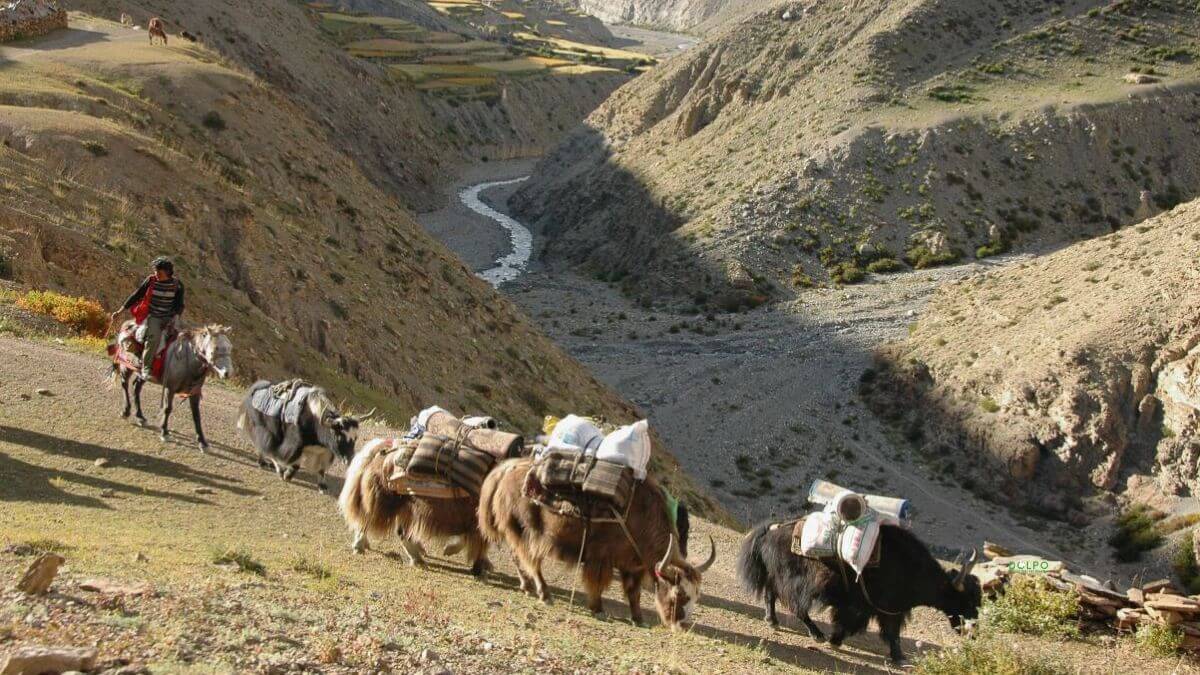
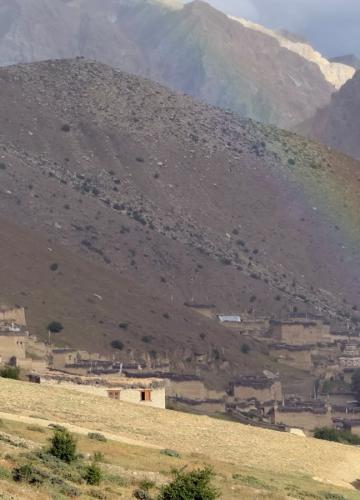
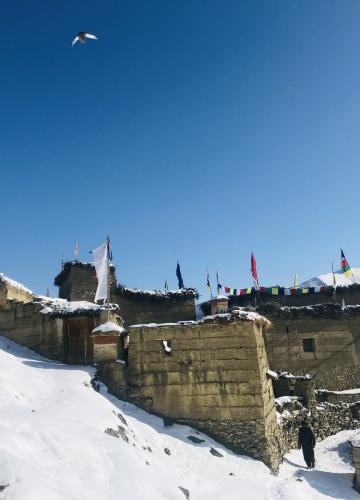
The people here still practice rituals, wear traditional clothing, and live in stone-built villages that feel centuries old. This cultural uniqueness makes Dolpo incredibly valuable for anthropological and historical research. Inhabitants near the Tibet border have close cultural and religious ties with Tibet, following Bon and Tibetan Buddhism, with valleys containing centuries-old monasteries.
To prevent cultural erosion from mass tourism, the government has limited access to the visitors. Temples, monasteries, and sacred sites are preserved with fewer outsiders. By requiring permits and guides, authorities ensure visitors respect local customs while communities can gradually adapt to tourism income without losing their cultural identity.
Environmental Protection in Dolpo
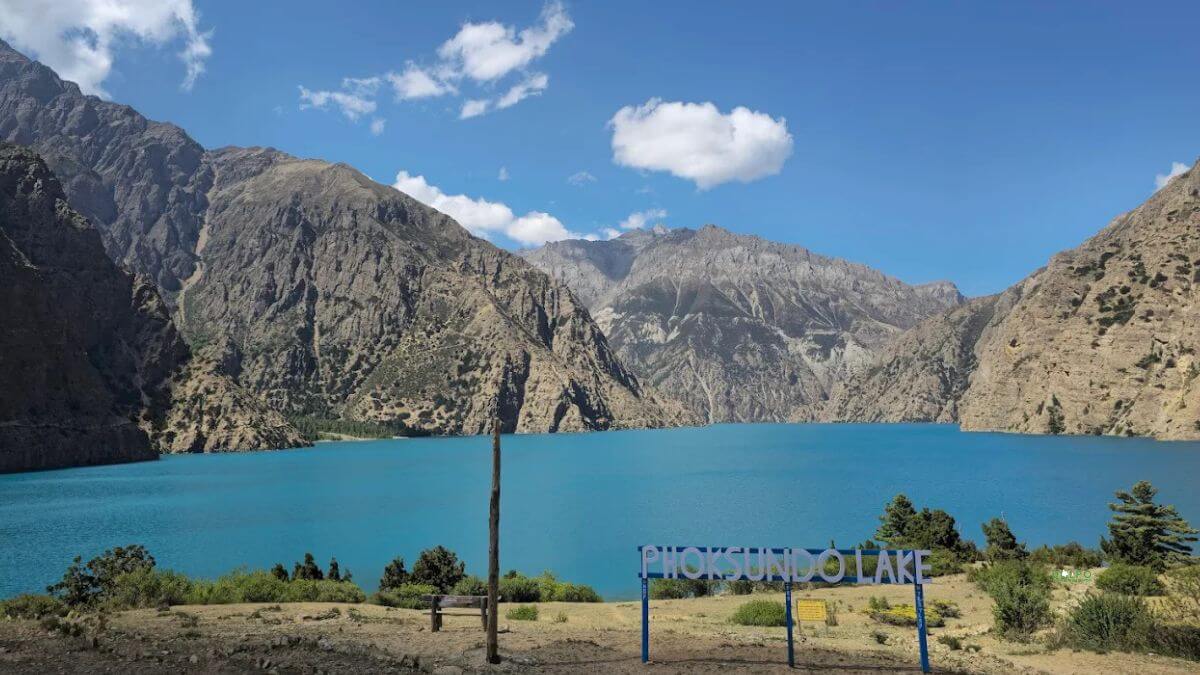
Dolpo falls inside Shey Phoksundo National Park, home to snow leopards, blue sheep, musk deer, and rare Himalayan herbs. It is also home to Nepal’s deepest lake Phoksundo lake. The high-altitude plateau is extremely fragile too many trekkers could disturb wildlife and damage trails.
The environmental issues are critical in the explanation of the prohibitions of Dolpo. They reduce the ecological pressure and conserve Dolpo as a wilderness reserve. Through reducing mass tourism a delicate balance can be maintained in the ecosystem and at the same time these small groups of responsible trekkers can enjoy this natural wonder.
Permit Rules & Trekking Regulations in Dolpo
To enter Dolpo, you must follow specific permit requirements and Dolpo trekking rules.
Restricted Area Permit (RAP) Requirements
Every Dolpo visitor must obtain a Dolpo RAP through a registered Nepal trekking agency. Solo applications aren't permitted; you must book through them.
Dolpo permit cost varies significantly between regions:
- Lower Dolpo: USD 20 per person per week plus USD 5 for each additional day
- Upper Dolpo: USD 500 for the first 10 days and USD 50 per person per day for additional days
Where to apply: All RAP applications must be processed through the Department of Immigration in Kathmandu via registered trekking agencies. The process typically takes 1-2 days for processing.
Duration considerations: You need to plan your itinerary carefully, as permit costs increase for longer stays, especially in the Upper Dolpo region.
| Permit | Cost (per person) | Duration | Where to Apply | Extra Notes |
| Upper Dolpo RAP | USD 500 (first 10 days), USD 50/day after | Min 10 days | Kathmandu (via agency) | Must be 2+ trekkers |
| Lower Dolpo RAP | USD 20 per week | Flexible | Kathmandu (via agency) | Must be 2+ trekkers |
| Shey Phoksundo NP | USD 30 | Whole trek | Entry gate | Paid separately |
Not sure how to get these permits? Our team handles all Dolpo paperwork for you stress-free.
Group Trekking Rule (2+ Trekkers with Guide)
Solo trekking is not allowed in Dolpo. A minimum of two trekkers plus a licensed guide is required. This ensures:
- Safety in remote trails.
- Support in case of altitude sickness or emergencies.
- Cultural respect with a guide to mediate.
Solo trekking is not allowed for safety reasons because this area is remote and has high mountains. If a you get sick or lost, it is very hard to find and help quickly whereas the guides from Dolpo Caravan Treks knows the local area well and priortize your safety and rescue.
You also have to make sure your trekking follows managing waste and protecting the environment. This system keeps helps preserve the special beauty of Dolpo.
Group trekking in Dolpo requires a minimum of two trekkers accompanied by a registered guide. This Dolpo guide requirement serves multiple purposes:
Why is solo trekking prohibited?
Solo trekking is prohibited due to safety concerns in remote, high-altitude environments where rescue operations are extremely difficult. There is higher risks of altitude sickness, weather emergencies, and getting lost on unmarked trails on solo trek. Therefore, to prevent this, solo trek is banned.
Role of registered agencies
The certified operators provide the training guides who are familiar with the conditions, emergency measures, and cultural sensitivities of the localities. They also ensure that there is good waste management and responsible tourism.
Additional Fees (TIMS & National Park Entry)
Besides RAP, trekkers must pay:
- Shey Phoksundo National Park Entry Fee: USD 30 for foreigners, NPR 1500 for SAARC nationals, and NPR 100 for Nepali visitors
- Trekkers Information Management System (TIMS) Card: Required unless the RAP covers details.
TIMS vs RAP differences: While most Nepal treks require TIMS (Trekkers' Information Management System) cards, some restricted areas like Dolpo may have different requirements. Always confirm current regulations with your trekking agency.
Recommended tip: Budget an extra 10-15% beyond quoted permit fees to give room to any policy change or even any other local charges.
Upper Dolpo vs Lower Dolpo Restrictions
Dolpo has two main trekking zones:
| Feature | Upper Dolpo | Lower Dolpo |
| Permit Cost | High (USD 500+) | Low (USD 20/week) |
| Accessibility | Remote, fewer villages | Easier access from Juphal |
| Culture | Strong Bon & Tibetan influence | Blend of Hindu & Buddhist |
| Restriction Level | Very strict | Less strict |
| Trek Popularity | Less crowded | Moderately visited |
Tip: If you want deeper cultural isolation and raw wilderness, Upper Dolpo is the trek. If you want a more affordable and slightly easier option, Lower Dolpo is for you.
Why Upper Dolpo is more restricted than Lower Dolpo
The Upper Dolpo trek is more restricted than the Lower Dolpo trek due to several factors:
- Extreme remoteness: Upper regions have minimal infrastructure and extremely challenging access routes
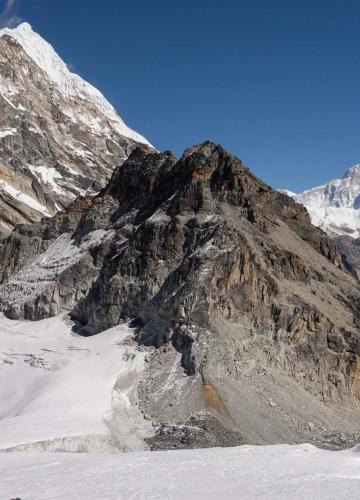
- Higher altitude: Most areas exceed 4000m, requiring specialized guides and emergency equipment
- Cultural sensitivity: Upper Dolpo is inhabited mainly by Buddhist Valley groups sharing Tibetan culture and language, with semi-nomadic Tibetan-speaking Dolpali people maintaining unique ancient cultures
- Border proximity: Closer to Tibet with heightened security concerns
Lower Dolpo trek rules are more relaxed, with shorter minimum stays and lower daily fees. It is more budget-friendly than the Upper Dolpo Trek while still providing authentic cultural experiences.
Learn about "how to get to Upper Dolpo"
Historical Background of Dolpo Restrictions
Did you know Dolpo once sheltered Tibetan freedom fighters? That’s one reason the Nepal government restricted entry.
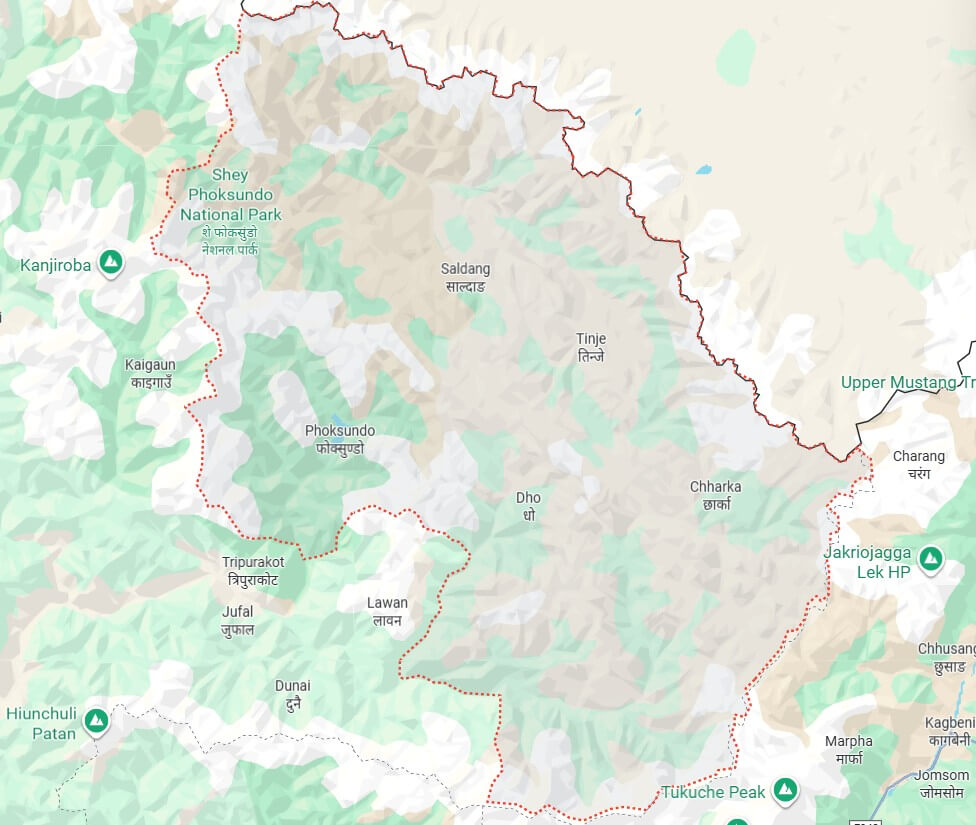
Dolpo’s restriction roots go back decades. The history of Dolpo restrictions reflects Nepal's evolving approach to border security and tourism management. In the 1960s–70s, Tibetan guerrillas used Dolpo’s high passes. Nepal tightened border surveillance with China, enforcing permits. Over time, cultural preservation became equally important, especially after tourism started growing in the 1990s.
Origins of restriction policy
Initially implemented during the 1960s as Nepal established formal relations with China and needed to secure its northern borders.
Influence of Tibet-Nepal relations
Political changes in Tibet during the mid-20th century created refugee movements and security concerns that influenced Nepal's border policies.
How rules evolved
What began as complete closure gradually opened to limited, controlled tourism in the 1990s. The current permit system balances economic opportunities with preservation goals.
Dolpo stayed hidden from outsiders for centuries, but today the rules help balance tourism and protection.
How Dolpo Restrictions Impact Travelers
Dolpo Trek requires different permits and costs more compared to the other treks. It is also one of the longest treks, from 18-24days. So, the challenges of the Dolpo trek you might face are:
Higher Costs for Trekkers
Dolpo is one of the most expensive treks in Nepal. Permit fees, guide requirements, and flight tickets raise costs.
Dolpo logistics creates significant expenses:
- High permit fees (especially Upper Dolpo)
- Mandatory agency and guide costs
- Limited flight schedules increase accommodation and food expenses
- Remote location means higher supply costs
The higher cost means exclusivity; you’ll trek where only a handful of outsiders go each year.
Budget reality check: Expect to spend 2-3 times more than popular routes like Everest Base Camp or Annapurna Circuit.
Limited Accessibility
You must fly to Juphal airstrip via Nepalgunj, then trek for days to reach villages. Roads are scarce, lodges are basic, and weather delays are common.
- Remote flights to Juphal: The flights from Nepalgunj create scheduling uncertainties. Fog, wind, and visibility issues frequently delay or cancel flights.
- Infrastructure challenges: A lack of accommodation, simple facilities and the significant distances between the settlements require careful planning and realistic assumptions.
Benefits for Travelers
The limitations have their disadvantages, but possess exceptional benefits, such as:
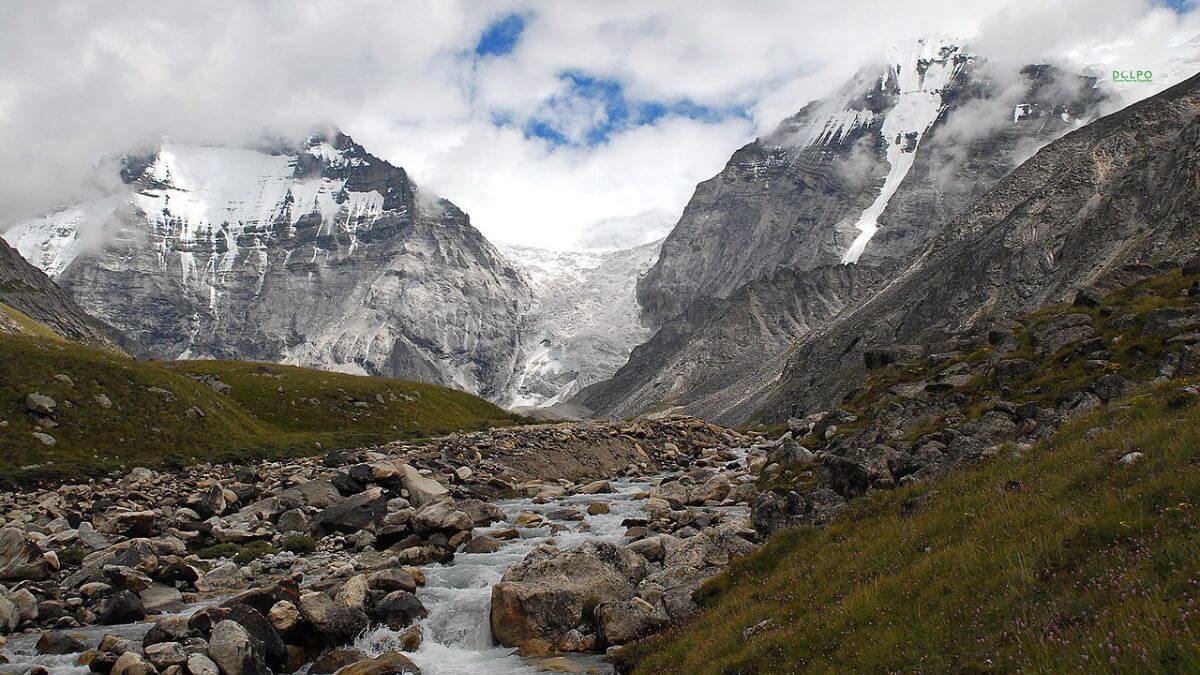
- Less crowded trails: The trails are empty compared to the Everest or Annapurna trek. You'll encounter a few other trekking groups. The trek provides genuine wilderness experiences impossible on popular routes.
- Authentic cultural immersion: The culture resonates with Tibetan influences where Buddhist and Bon cults prevail, offering interactions with communities largely unchanged by modern influences. You’ll get a chance to see authentic Tibetan culture.
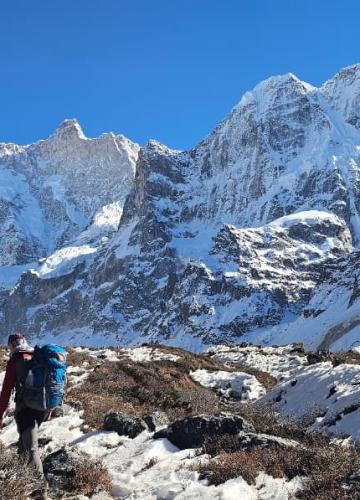
- Pristine natural beauty: You’ll witness majestic views of Shey Phoksundo Lake and Kanjiroba Himal. Protected ecosystems showcase Nepal's raw Himalayan magnificence without tourism-related environmental damage.
Want to escape the crowds? Dolpo offers peace, purity, and adventure like no other trek in Nepal.
Comparison with Other Restricted Regions in Nepal
Dolpo is not the only restricted region. Mustang restricted area, Manaslu permit, and Kanchenjunga restricted trek are also restricted regions in Nepal.
Similarities: They all require RAP permits, mandatory guides, and group trekking rules. Each region protects unique cultures and sensitive border areas.
Key differences:
- Upper Mustang: It has more developed infrastructure, easier access, and Tibetan Buddhist culture. The permit is USD 500 for 10 days.
- Manaslu: It was recently opened and has more established trekking routes. It has a border zone with a strict RAP, but it is cheaper than Dolpo.
- Kanchenjunga: It is a remote eastern trek with high security restrictions. It has longer duration requirements and pristine wilderness focus.
Compared to these, Dolpo feels the most untouched, with far fewer trekkers. Dolpo stands out for its Bon religious heritage, extreme isolation, and the highest permit costs among Nepal's restricted regions.
Wondering about the best time to explore dolpo. Read our blog on "Best season for Upper Dolpo Trek".
Final Thought
Dolpo remains a restricted region in Nepal not to discourage tourism, but to protect what makes it so unique its Tibetan culture, sacred landscapes, and border security. The restricted region Nepal trekking experience in Dolpo offers something increasingly rare in our connected world - genuine adventure in a preserved ancient culture.
The Dolpo cultural value extends far beyond individual trekking experiences. You’ll contribute to a sustainable tourism that supports local communities. Also, preserving irreplaceable heritage for future generations.
Why Dolpo is restricted isn't about keeping people away - it's about ensuring this magical realm survives and thrives. The permit system, guide requirements, and group regulations all serve this greater purpose.
The restrictions may feel like obstacles, but they actually ensure that Dolpo stays exclusive, authentic, and pristine. If you dream of experiencing a Himalayan world frozen in time, Dolpo is worth the effort.
Dolpo is rare, remote, and rewarding. If you want an authentic Himalayan journey, let us design your Dolpo trek with permits, guides, and flights arranged so you only focus on the adventure.
FAQs
Why is Dolpo a restricted area in Nepal?
Dolpo is restricted to protect its unique Bon and Tibetan Buddhist culture, secure the sensitive Nepal-Tibet border, and preserve fragile high-altitude ecosystems. The region's extreme remoteness and limited infrastructure also require controlled access for visitor safety.
What permits are required to trek in Dolpo?
You need a Restricted Area Permit (RAP) through a registered trekking agency, Shey Phoksundo National Park entry permit, and potentially TIMS cards. Lower Dolpo costs USD 20 per week plus USD 5 daily, while Upper Dolpo requires USD 500 for 10 days plus USD 50 daily thereafter.
Can I trek solo in Dolpo?
No, solo trekking is prohibited in Dolpo. You must trek in groups of at least two people with a registered guide. This rule ensures safety in remote, high-altitude conditions where rescue operations are extremely difficult.
How much does the Dolpo trekking permit cost?
Lower Dolpo permits cost USD 20 per person per week, plus USD 5 for additional days. Upper Dolpo permits are significantly more expensive at USD 500 for the first 10 days and USD 50 for each additional day. Additional fees include national park entry (USD 30) and agency costs.
Is Dolpo worth visiting despite restrictions?
Absolutely. The permits may cost more, but in return, you get untouched landscapes, rare Tibetan culture, and trails with almost no other trekkers. Few places in Nepal give you this level of authenticity

Leave Your Comment