
How to Travel Dolpo to Limi Valley
To travel from Dolpo to Limi Valley, you have to fly from Kathmandu to Simikot, then trek through villages like Dharapori, Kermi, Yalbang, and Tumkot, crossing high mountain passes, until you reach the remote Limi Valley near the Tibetan border in northwestern Nepal.
Are you dreaming of Dolpo to Limi Valley travel that takes you far from crowded trails? This offbeat trekking Nepal experience offers something truly rare: a journey through landscapes and cultures that feel frozen in time.
In this guide, we’ll walk you through everything you need to know: the route, permits, timing, challenges, and highlights. By the end, you’ll see exactly how to plan your Dolpo to Limi Valley journey with confidence.
Why Choose the Dolpo to Limi Valley Route?
The Dolpo to Limi Valley trek stands as one of the world's last great wilderness adventures. Here's why this route captivates adventurous trekkers from around the globe:
- Off-the-beaten-path adventure: This trek takes you way off the usual tourist paths, to places where hardly any hikers go. While thousands visit Everest Base Camp each year, fewer than 100 people complete the full Dolpo to Limi Valley journey. This rare experience lets you see Nepal as it truly is: wild, untouched, and deeply touching.
The Dolpo to Limi Valley distance spans approximately 200-250 kilometers depending on your exact route and side trips. Over 20-25 days, this route connects Upper Dolpo to Limi Valley through a series of high mountain passes, each offering its own spectacular rewards. The journey isn't measured just in kilometers, but in the profound cultural and natural encounters along the way. - Untouched landscapes: Glacier streams, high passes in Dolpo, alpine deserts, hidden valleys, you’ll feel like you’re exploring a secret world. Western Nepal reveals itself through dramatic high passes, crystal-clear alpine lakes, and vast plateaus that stretch endlessly toward Tibet. The terrain changes dramatically as you progress from Dolpo's turquoise jewel, Phoksundo Lake, to Limi Valley's barren yet beautiful moonscape.
- Cultural richness: The region is steeped in Tibetan Buddhism & Bon tradition, remote monasteries, and ancient caravan routes. Cultural richness flows from Tibetan Buddhism and the Bon tradition preserved in centuries-old monasteries and traditional villages. You'll encounter communities that maintain their ancestral ways of life, offering glimpses into a culture largely unchanged by modern influence.
- Part of the Great Himalayan Trail, Dolpo: This route is part of the bigger GHT trail. This route is an important component of the legendary GHT trek, one of the highest and most difficult long-distance trekking trails in the world.. Walking these ancient trade routes connects you to countless generations of traders, pilgrims, and adventurers who've crossed these same passes.
- Deep spiritual and natural experience: More than just walking, you get to absorb Himalayan culture, silence, and space.
Ready for this life-changing adventure? Contact Dolpo Caravan Trek expert today for personalized trip planning.
Also Learn about Hidden Trials of West, Nepal.
Geographic Overview of Dolpo and Limi Valley
Understanding the geography of your goal increases appreciation for the road ahead. The Dolpo hiking region and Limi Valley are two different yet interconnected Himalayan ecosystems.
Where is Dolpo?
Dolpo lies in the mid-western high Himalaya of Nepal, divided into Upper Dolpo and Lower Dolpo. Shey Phoksundo Lake and Shey Phoksundo National Park (Nepal's largest protected area covering 3,555 square kilometers) being a major landmark. It’s extremely remote, high altitude, with difficult terrain and limited infrastructure.
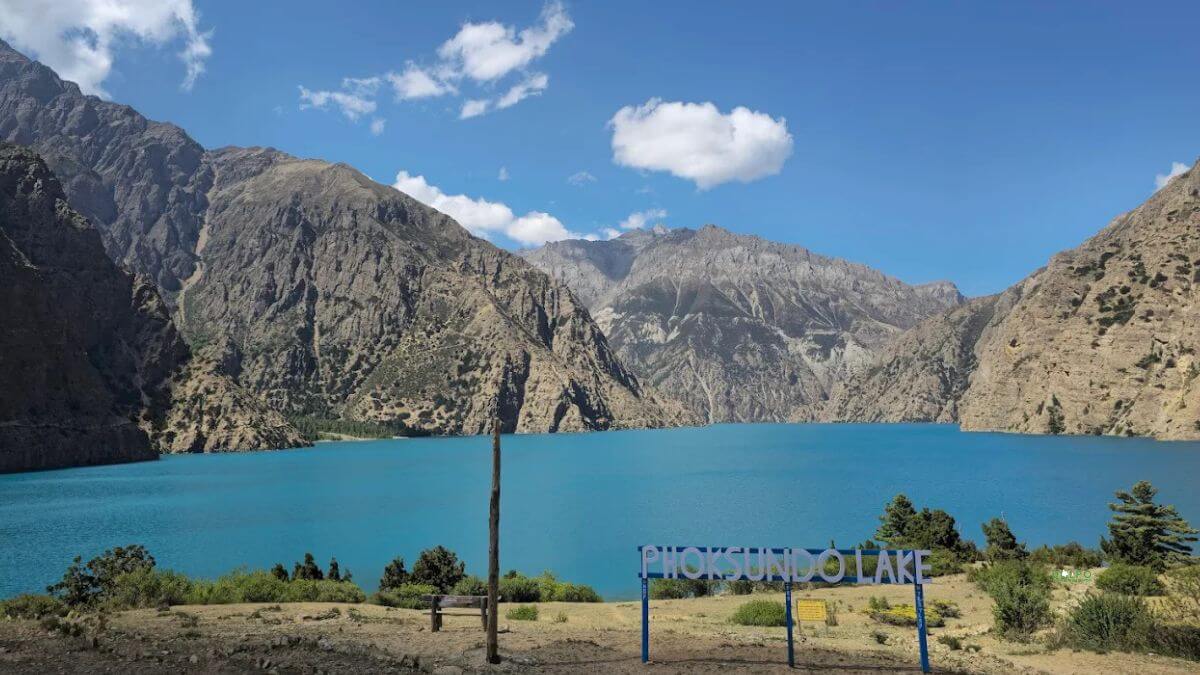
Shey Phoksundo Lake serves as Dolpo's crown jewel a pristine alpine lake stretching 4.8 kilometers long and plunging over 600 meters deep, making it Nepal's deepest lake. The lake's ethereal turquoise waters reflect surrounding snow peaks, creating postcard-perfect scenes.
The Upper Dolpo is much deeper into the rain shade, the scenery being extreme and almost Tibetan in appearance. This limited area needs special permits and it gives access to some of the old Bon monasteries, traditional villages and and wildlife, including the elusive snow leopard.
The Dolpo to Limi Valley route is also the most extreme route of Nepal with passes rising above 4,500 meters on a regular basis. The average elevation of Upper Dolpo is 4,000-5,000 meters and the maximum altitude of trekking is Nyalu LaPass of 4,950 meters above sea level.
For detailed information on all permit requirements and costs, visit our comprehensive Nepal Trekking Permit Information guide.
Where is Limi Valley?
Limi Valley is in the Humla district’s far northwest, bordering Tibet. Villages like Til, Halji, and Jang lie in this valley. It’s a high, isolated region that was historically part of caravan and pilgrimage routes. This remote valley maintains strong cultural connections to Tibet through centuries of trade and religious exchange.
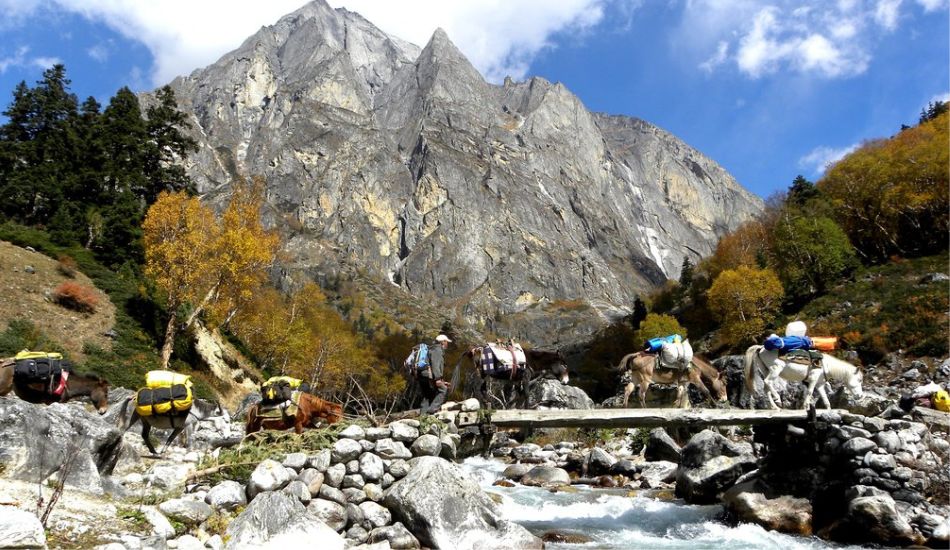
It has a unique culture which was determined by the strategic position of the valley in the ancient trade routes of salt between Tibet and lower Nepal. Such villages today remain as a monument to the old Tibetan architecture, Buddhist monasteries, and traditions barely changed over the generations.
Border proximity with Tibet means stunning views of sacred Mount Kailash on clear days, adding spiritual significance to your trek. The landscape here transitions from Nepal's green valleys to Tibet's high desert terrain.
If you are wondering about the trek then, read our ultimate Guidebook for Limi Valley Trek.
Connecting Dolpo to Humla
The journey between these regions traverses high passes including Nyalu La (4,950m), Nara La (4,620m), and Kang La, each offering spectacular mountain vistas and challenging terrain. Ancient trade and pilgrimage trails used to link Humla and Limi.
Remote caravan trails wind through landscapes so pristine they appear untouched by time. These paths follow ancient trade routes where yak caravans once carried salt, barley, and goods between Tibet and Nepal's lower valleys. Explore Tailor-made trails of Dolpo Caravan.
Don't let permit complications delay your dream trek; our experienced team handles all documentation while you focus on preparing for adventure.
Dolpo to Limi Valley Travel Guide
Planning your Dolpo access requires careful coordination of flights, permits, and logistics. The journey begins in Kathmandu but involves multiple stages to reach your starting point.
Flights follow a specific sequence: Kathmandu → Nepalgunj → Juphal for Dolpo access, while Limi Valley requires flights to Simikot. Weather frequently delays mountain flights, so building buffer days into your itinerary prevents disappointment.
Flights & Entry Points
Your Dolpo access journey follows this sequence:
- Kathmandu → Nepalgunj: Domestic flight (approximately 1 hour, costs $100-150 USD)
- Nepalgunj → Juphal/Simikot: Mountain flight (30-45 minutes, costs $150-250 USD)
- Road alternative: Kathmandu to Nepalgunj by bus (12-14 hours, costs $10-20 USD but saves flight costs)
Simikot serves as the key gateway for the Limi Valley side (Humla district), while Juphal provides access to the Dolpo region.
Build in buffer days: Weather delays are common, especially during monsoon and winter. Add at least 2-3 extra days to your itinerary for potential flight cancellations. Most trekkers lose 1-2 days waiting for mountain weather to clear.
Also, Learn about "How to get to Dolpo from Pokhara" and for Kathmandu, click here.
Travel Arrangements
Because Dolpo access involves restricted areas, working with a reliable trekking agency like Dolpo Caravan Trek is essential for permits and remote logistics. Solo travelers cannot obtain the necessary Restricted Area Permits without agency support.
Mountain flights operate on tight weather windows. Book seats 2-3 months in advance during peak seasons (April-May, September-November) as availability is extremely limited.
For comprehensive coverage in remote areas, check our Travel Insurance options designed specifically for high-altitude trekking. Our Why Travel With Us page explains how we handle
Trekking Route from Dolpo to Limi Valley
The Dolpo to Limi Valley path that runs along the upper Dolpo valley covers about 200-250 kilometers of the most amazing and difficult landscape within the Himalayas. This offbeat trekking Nepal tour will take you through several high passes that will provide a different view of the Himalayan wilderness.
The journey connecting these great locations offers various vistas, cultural contacts, and difficult terrain that tries even the most experienced hikers.
Dolpo to Limi Valley Route Highlights
- If you start from the Dolpo side, Shey Phoksundo is your first taste of Dolpo's magic. It is through Nepal's deepest lake, surrounded by dramatic cliffs and sacred sites. The monastery perched above the lake has inspired pilgrims for centuries.
- Crystal Mountain stands as a geological wonder and sacred site where Bon practitioners have worshipped for over 1,000 years. The crystal formations create rainbow colors when sunlight strikes the mountain face.
- The Bon monasteries are located all across Dolpo and Limi Valley regions and provide a view into the ancient pre-Buddhist religion Bon that is still surviving within the remote Himalayan communities. These monasteries hold priceless artifacts and old manuscripts that preserve ancient wisdom and spiritual knowledge. They are important centers for practicing and learning the unique rituals, meditation, and teachings of the Bon tradition.
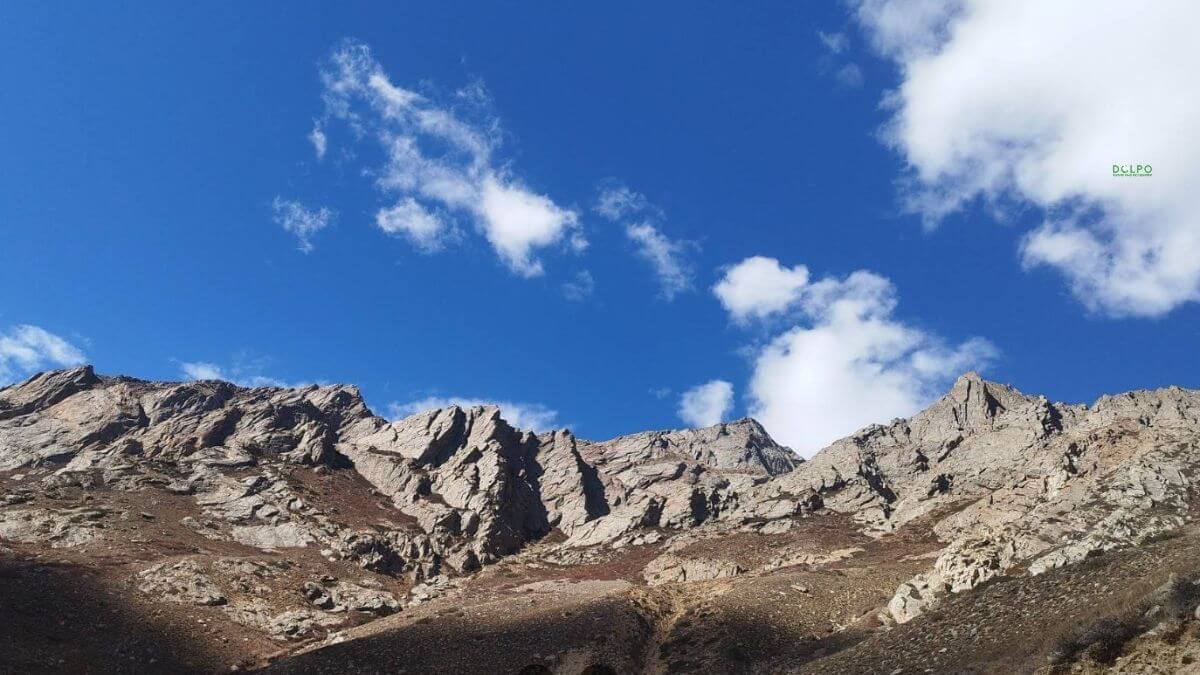
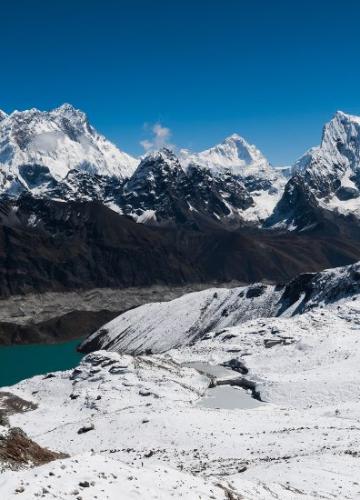
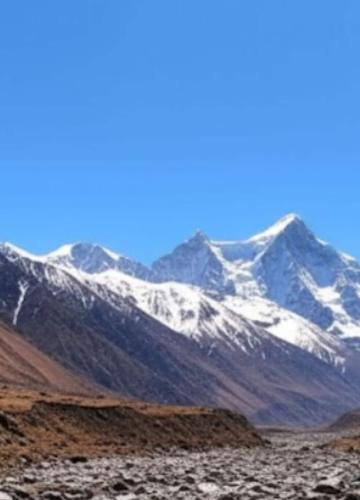
- High passes and alpine wilderness challenge your endurance while rewarding you with views that photographers spend lifetimes trying to capture. Each pass reveals new vistas of snow-capped peaks and vast valleys. Crossing passes such as Nyalu Pass (≈ 4,995 m)
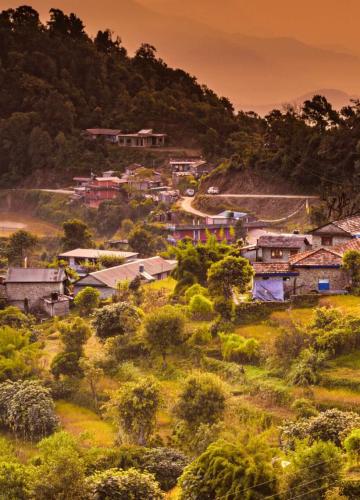
- You’ll pass through Limi Valley traditional Tibetan-style villages like Til, Halji, and Jang, each rich in culture and surrounded by barley fields and towering mountains.
- As you trek closer to the Tibetan border, you’ll enjoy stunning views of high desert landscapes and distant sacred mountains like Mount Kailash.
Recommended read: How to go to Dolpo from Mustang
Suggested Itinerary (Day by Day)
A typical 20–25 day route allows proper acclimatization while providing time to appreciate cultural and natural highlights. The Dolpo to Limi Valley trek itinerary balances challenging trekking days with rest stops for exploration.
| Day | From → To | Approx Elevation / Highlights |
| 1 | Kathmandu → Nepalgunj | Rest, gear check |
| 2 | Nepalgunj → Juphal / Simikot | Flight + overnight |
| 3 | Trek toward the first village/camp | Gradual ascent |
| 4–6 | Continue the Dolpo side, pass(s) | Enter high terrain |
| 7 | Cross major pass (e.g., Nyalu La) | Highest point, panoramic views |
| 8 | Enter Limi Valley, Talung, or nearby | First villages, rest |
| 9–12 | Visit Halji, Jang, Til | Explore monasteries, culture |
| 13–15 | Return on the alternate side or the back route | Retrace or loop |
| 16–18 | Return to Simikot / Juphal | Descend, finalize trek |
| 19–20+ | Fly back to Nepalgunj → Kathmandu | Wrap up the journey |
The Dolpo to Limi Valley distance varies daily from 8-16 kilometers, but elevation gain and difficult terrain make each day physically demanding. High passes like Nyalu La (4,950m), Nara La (4,620m), and Kang La (5,150m if included) require slow, steady pacing for safe acclimatization."
This is flexible; some itineraries propose ~18–21 days for Limi Valley only (Humla side). But when starting from Dolpo, add extra days for the approach.
The mix of camping and tea house offers flexibility and comfortable accommodation as far as it is possible. There are tea houses on the way, but much of the way must be camped through.
Trek Difficulty & Fitness Level
The trekking difficulty of Dolpo is rated as challenging to extreme because of the altitude, weather challenges, and technical trek path. This Dolpo trek demands:
- Excellent physical fitness
- High altitude experience
- Mental resilience
Be prepared to face rough weather: cold nights, cold wind, snow or rain.
High altitude challenges begin immediately with multiple passes exceeding 4,500 meters. Proper acclimatization prevents serious altitude sickness, but all trekkers must understand symptoms and risks.
Required experience includes previous multi-day treks above 4,000 meters, comfortable camping in all weather conditions, and the ability to walk 6-8 hours daily carrying a daypack.
Nepal remote trekking experience proves invaluable for psychological preparation. Pack lighter but efficiently; acclimatization days are vital.
Best Time to Travel from Dolpo to Limi Valley
The upper Dolpo to Limi Valley climate is influenced by its location in the rain shadow of the Himalayas, creating high-desert conditions with extreme temperature variations. Understanding seasonal patterns is crucial for this Great Himalayan Trail Dolpo segment.
Timing your trek correctly means the difference between spectacular adventure and dangerous conditions. The best time Dolpo trek occurs during specific seasonal windows.
- Spring (April-May) offers stable weather, blooming rhododendrons, and clear mountain views. Snow may still block high passes early in the season, but conditions generally improve by late April.
- The weather of the Great Himalayan Trail Dolpo area in autumn (September-November) is most reliable with clear skies and daytime temperatures around 12-18°C. Nevertheless, nights are freezing, and it may be -10°C or even less at high camps.
Why avoid monsoon and winter
The upper Dolpo to Limi Valley route becomes extremely dangerous during monsoon (June-August) when cloud cover obscures passes, trails become muddy and slippery, and river crossings swell dangerously. Winter (December-March) brings extreme cold (-20 to -30°C at night), heavy snowfall that blocks passes entirely, and serious avalanche risks on steep sections.
Limi Valley weather patterns follow high desert characteristics with dramatic temperature swings between day and night. Even during optimal trekking seasons in Nepal, nighttime temperatures can drop well below freezing.
Plan your trek during optimal weather windows; Visit Dolpo Caravan Trek to ensures perfect timing for your adventure.
Permits to travel Dolpo to Limi Valley
One of the most difficult aspects of organizing this expedition is determining the necessary navigation permits. Multiple restricted places require certain documentation and costs. This is one of the more challenging portions.
Restricted Area Permits
Navigating permits is one of the most complex aspects of planning this trek. Multiple restricted zones require specific documentation:
Dolpo RAP (Restricted Area Permit):
- Lower Dolpo: USD $20 per person per week (minimum 1 week)
- Upper Dolpo: USD $500 the first 10 days, plus 50/day after that.
Humla RAP (for Limi Valley access):
- USD $50 per person for the first 7 days
- USD $7 per person per day after the first week
Shey Phoksundo National Park Entry:
- USD $30 per person (foreign nationals)
Additional Requirements:
- TIMS Card (Trekkers' Information Management System): USD $20 per person
- Some areas may require a place related officer, adding $15-20 per day to costs
- Permits must beprocessed through a registered Nepali trekking agency
Processing time: Processing in Kathmandu will take 3-5 business days to process the permit. To ensure hassle-free Dolpo entry, ensure that you apply at least 1 week prior to departure.
Permits can take a few days to process, so apply early to skip any hold-ups. Skip the permit stress our team handles all the paperwork for easy access to restricted spots.
Wondering about permit process? read blog "How to Obtain Nepal Trekking permit".
Cultural and Natural Highlights
The trek's true value lies in extraordinary cultural and natural encounters unavailable elsewhere in Nepal.
Tibetan Buddhist & Bon Traditions
Bon monasteries in Dolpo preserve Tibet's ancient pre-Buddhist religion through magnificent monasteries like Shey Gompa and Yangze Gompa. These sacred sites contain priceless manuscripts, ancient murals, and ritual objects used in ceremonies unchanged for centuries.
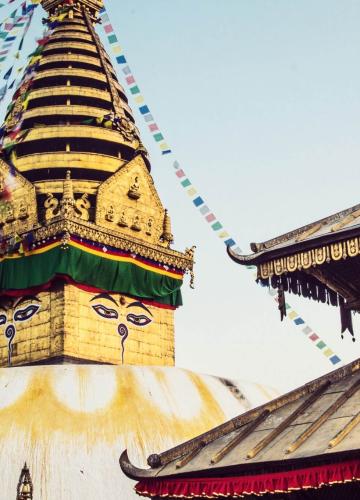
Tibetan culture in Nepal thrives in remote villages where traditional architecture, customs, and languages survive modern influences. Prayer wheels, colorful prayer flags, and chanting monks create deeply spiritual atmospheres.
When visiting monasteries, always show respect. It is common to give small donations that help support the monks and keep the buildings in good shape. Before taking photos inside sacred places, ask for permission first, and be careful to follow their religious customs.
Wildlife and Landscapes
The Dolpo wildlife trek offers chances to spot rare Himalayan species, including blue sheep, snow leopards, Tibetan wolves, and Himalayan black bears. Exotic animals include Himalayan bears, wild horses, blue sheep, musk deer, mountain eagles, and many more, with rare sightings of snow leopards possible.
The scenery shifts a lot from thick, green forests around Phoksundo Lake to bare, high desert that looks like Tibet's plateau. Each area has its own unique plants and animals, all tough enough to survive the extreme conditions.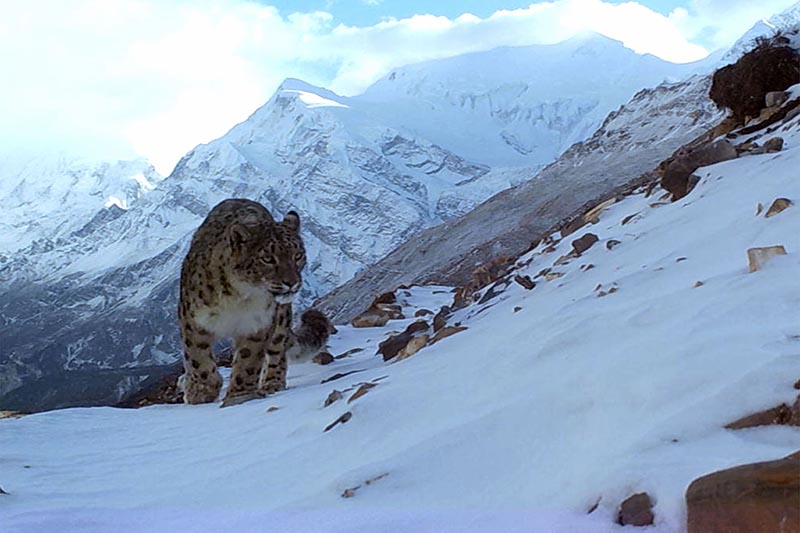
Birdwatchers enjoy exceptional opportunities spotting Himalayan species including golden eagles, lammergeiers, and colorful pheasants found nowhere else on Earth.
Explore the Dolpo tailor-made Snow Leopard Trek in Dolpo.
People & Villages of Limi
The valley of Limi has three major villages, i.e. Til, Halji, and Jang. Tour old monasteries and have a direct experience with Tibetan culture. The locals have a conventional way of life, as they farm barley, rear yaks and also carry trade with Tibet. This increase is a rare chance to become familiar with Tibetan Buddhism and Bon practices in the gorgeous rural Nepal.
The villages show Tibetan style in their buildings with flat roofs, detailed wood carvings, and Buddhist symbols on the doorways. Local festivals, harvest parties, and religious events give you a real look at their vibrant traditions.
Even with few resources, the locals are incredibly welcoming. They often share meals and stories with trekkers who visit. Picking up a few basic Tibetan words can make your interactions even better.
Local festivals bring these remote communities to life. The Saga Dawa festival (usually May/June) celebrates Buddha's birth, enlightenment, and death with elaborate ceremonies and colorful processions. Losar (Tibetan New Year, February/March) features traditional dances, special foods, and monastery rituals that welcome travelers to join. The Yartung Horse Festival in August showcases horsemanship skills passed down through generations.
The experience of this cultural trek in Nepal is authentic experience of Tibetan Buddhism and Bon culture. There are villages such as Halji that host ancient Rinchenling Monastery which was built in the 11 th century and houses invaluable murals and manuscripts. The Selwa Monastery is in Til and Jang is made of traditional Tibetan design with carved wooden window and door opening in detail and painted with symbols of Buddhism.
Discover real Himalayan culture our guide helps you build genuine connections with the communities.
Practical Travel Tips
Successful completion of this difficult expedition necessitates extensive preparation in numerous areas.
Packing & Gear
Your trekking gear for Dolpo needs to stand up to tough weather, high altitudes, and long stays in the wild. Good gear turns tough high-altitude challenges into an enjoyable adventure instead of a struggle.
Here are the must-haves:
- Clothing: A four-season jacket and pants for mountaineering, warm layers underneath, a hat and gloves, sun protection like a hat and shades, plus tough waterproof boots for hiking and comfy shoes for camp.
- Camping gear: A good sleeping bag that works down to -15°C, an insulated mat to sleep on, a solid headlamp with spare batteries, and your own tent if you're camping on your own.
- Other essentials: Trekking poles to help on uneven ground, something to purify your water, high-SPF sunscreen, and glacier glasses to block the strong UV rays.
Learn on where to buy trekking Gear in Nepal.
Safety & Health
The upper Dolpo to Limi Valley route's extreme remoteness means medical help is days away. Comprehensive first aid knowledge becomes essential. Your kit should include medications for altitude sickness (Diamox/acetazolamide), pain relievers (ibuprofen), antibiotics for infections, anti-diarrhea medication, and supplies for treating blisters, sprains, and cuts. Many trekkers also carry dexamethasone for severe altitude sickness emergencies
Altitude sickness is a serious risk when trekking above 3,500 meters in Nepal. It can cause headaches, nausea, dizziness, and loss of appetite, and if ignored, it can become life threatening.
Communication & Emergency
This hike is very remote which implies that you will be out of contact with the rest of the world over long durations. Safety is essential in comprehending communication limitations and emergency procedures.
No Network Coverage: Cell phone service is nonexistent throughout most of the upper Dolpo to Limi Valley route. The last reliable signal is usually in Nepalgunj or Juphal/Simikot. Expect 15-20 days without any phone connectivity.
Emergency Communication Options:
- Satellite phones: Rent or bring a satellite phone (Thuraya or Iridium networks work in Nepal). Costs approximately $50-100 to rent for the trek duration.
- GPS messengers: Devices like Garmin inReach allow two-way text messaging and SOS alerts even without cell coverage.
- Emergency procedures: Establish check-in schedules with your agency. If you miss a check-in, rescue procedures should activate automatically.
Rescue Considerations: Helicopter rescue from this region costs $5,000-10,000 USD and depends entirely on weather conditions. Some passes and valleys cannot be reached by helicopter. Ensure your travel insurance specifically covers high-altitude helicopter evacuation up to 6,000 meters.
Dolpo to Limi Valley Safety Tips:
- Never delay to report to your guide whenever you develop symptoms that are altitude sickness.
- Always keep a written contact card on emergency contact to carry your agency contacts, insurance contacts, and embassy numbers.
- Solar chargers keep GPS devices and satellite phones operational when needed most
- Download offline maps (Maps.me or Gaia GPS) covering the entire route
- Keep a whistle for signaling in case of separation from your group
Sustainable Trekking Practices
Sustainable trekking in Nepal protects pristine environments for future generations while supporting local communities economically.
Leave No Trace practices include packing out all waste, using established campsites, minimizing campfire impacts, and respecting wildlife habitat. Human waste disposal requires special attention in fragile high-altitude environments.
Support local economies by purchasing supplies in villages, hiring local guides and porters, and respecting cultural customs. These practices ensure tourism benefits remote communities sustainably. Aslo explore our own eco lodge in Dolpo.
The preservation of these delicate ecosystems is done through water conservation, energy efficient practices and low impact camping practices on the environment.
Guide & Porter Requirements
The remote and challenging nature of this trek makes professional support crucial for safety and success.
What to Ask Your Guide:
- Certifications: search guides whose qualification is TAAN (Trekking Agents Association of Nepal) or NMA (Nepal Mountaineering Association).
- Experience: Minimum 5+ years guiding in restricted areas like Dolpo and Humla
- First aid training: Current Wilderness First Responder (WFR) or Wilderness First Aid (WFA) certification
- Emergency protocols: Inquire about their satellite communication devices and evacuation plans.
- Local knowledge: Dolpo or Humla guides can offer invaluable cultural and language expertise.
- Insurance: Confirm they carry proper guide insurance covering accidents and emergencies
Local guides and agency-arranged teams have different benefits. Local guides know the routes, weather, and culture very well, things you can't find in guidebooks. They give a personal, inside look at the area.
On the other hand, agency-arranged teams follow standard training, provide insurance, and have emergency support ready. This makes the trip safer and more reliable, especially in remote areas.
Choosing between them depends on whether you want deep local knowledge or more organized support and safety during your trek.
The role of guides in safety and navigation could not be overestimated in areas where there were no obvious routes and GPS signals. Knowledgeable guides will know changes in weather, complex terrain and cultural interpretation that will add to your experience.
Porter support allows you to carry minimal weight while ensuring adequate supplies for extended wilderness travel. Fair porter treatment includes proper equipment, reasonable loads, and fair wages supporting local families.
Ensure professional support for your safety, our certified guide provides expert local knowledge and emergency support.
Communication & Safety in Remote Areas
Understanding communication limitations and safety protocols proves essential for remote area travel.
- No network coverage exists throughout most of the trek route. Most of the trek has no cell signal, so you'll be cut off from the outside world for weeks. This break from tech can feel freeing, but get your mind ready for total disconnection.
- Satellite phones and solar chargers: Solar chargers and satellite phones have emergency communication functions which need effective training and additional power supply. GPS receivers that are loaded with map navigation provide a backup of navigation in case of poor visibility.
- First aid and altitude sickness prevention knowledge becomes critical when help lies days away. Comprehensive first aid training, quality medical supplies, and evacuation insurance provide essential safety nets.
Emergency procedures must involve set check-in times, evacuation plans and emergency contacts that are provided to trusted individuals.
Dolpo to Limi Valley vs Other Remote Treks
This epic journey from Dolpo to Limi Valley is one of Nepal’s toughest treks, chosen by serious and experienced trekkers. It’s much harder than popular routes like the Annapurna or Everest Base Camp treks due to high altitudes (many passes above 5,000 meters), rugged terrain, long days of trekking, and complete isolation from towns or services.
- Dolpo to Mustang trek offers similar cultural richness but with more established infrastructure and easier access. The Mustang route provides excellent preparation for the more challenging Dolpo-Limi journey.
- Beni Dolpo Via Dhorpatan approaches Dolpo from the south, offering different perspectives on these remote regions while avoiding some of the highest passes.
- Mugu Dolpo Via Great Himalayan Trail connects Dolpo with western Nepal's other remote regions, creating extended adventures for experienced trekkers seeking ultimate wilderness experiences.
- The Great Himalayan Trail Dolpo Humla section represents one of the most challenging and rewarding segments of this legendary long-distance route.
Compare different remote trekking routes with our clear route guide to find the best adventure that fits your experience and what you want to achieve.
Dolpo to Limi Valley vs Lower Dolpo Trek
In case the Dolpo to Limi Valley route sounds too ambitious, the Lower Dolpo Trek is a nice alternative. The Lower Dolpo is shorter 12-15 days, and hits Phoksundo Lake, visiting Bon monasteries, and needs less complex permits (USD 20/week vs. USD 500+ to visit Upper Dolpo). But you will miss the Tibetan villages of Limi Valley and the utter wilderness which so endears the upper route.
The Lower Dolpo option works well as preparation for tackling the full route in a future season. Explore the Lower Dolpo Trek option for comparison.
Dolpo to Limi Valley vs Dolpo to Mustang
The Dolpo to Mustang trek covers similar distances (200-250 km) and also crosses multiple high passes through Tibetan Buddhist regions. However, Mustang offers more established infrastructure with tea houses, easier permits (USD $500 for 10 days), and slightly lower maximum elevations. The Great Himalayan Trail Dolpo to Limi section remains wilder, more isolated, and culturally purer due to its extreme remoteness.
Other Great Himalayan Trail Dolpo Options
The Great Himalayan Trail Dolpo Humla section offers various routing options:
- Mugu Dolpo Via Great Himalayan Trail: Links Dolpo with the western Nepal via Mugu district and this will add 7 to 10 days to your trip.
- Beni Dolpo Via Dhorpatan: The south: Coming in by the Dhorpatan Hunting reserve and skating around some of the highest passes, but with opportunities of wildlife viewing.
For more offbeat trekking Nepal alternatives, visit our Off The Beaten Trails page showcasing Nepal's most remote adventures.
Final Thoughts
The Dolpo to Limi Valley trek represents one of Nepal's last true wilderness adventures, offering intrepid trekkers an authentic experience of Himalayan culture and landscapes that have remained largely unchanged for centuries. This Great Himalayan Trail Dolpo section rewards those who prepare properly with memories and insights that last a lifetime.
This tough trip pays off big for those who get ready for it with memories and lessons that last a lifetime.
- Key Challenges: high altitude, limited infrastructure, permit complexities.
- Safety Reminders: carry permits, prepare for weather, hire certified guides.
To make it work, plan carefully, build up your fitness, and show respect for the environment and the local people you meet. Putting in the time, work, and money is worth it for experiences you can't find anywhere else on the planet.
As one of the world's most exclusive trekking routes, the Dolpo to Limi Valley adventure connects you with Nepal's deepest cultural traditions while challenging your limits in some of the planet's most spectacular wilderness settings.
Want to start planning your dream Himalayan adventure? Contact us Dolpo Caravan Trek/ expert team. Get in touch with our expert team today for Off The Beaten Trails, a personalized chat and custom itinerary.
FAQs
How long does it take to trek from Dolpo to Limi Valley?
It takes 20-25 days to trek from Dolpo to Limi Valley, depending on your specific route, acclimatization needs, and time spent exploring cultural sites. Most itineraries include buffer days for weather delays and rest periods essential for high-altitude trekking success.
Do I need special permits for Dolpo and Limi Valley?
Yes, you need multiple Restricted Area Permits (RAP). Dolpo access requires separate permits for Upper (USD $500 for 10 days) and Lower Dolpo (USD $20/week), while Limi Valley needs Humla RAP (USD $50 for 7 days). Additional permits include Shey Phoksundo National Park (USD $30) and TIMS card (USD $20). Visit our Nepal Trekking Permit Information page for current costs and requirements.
What is the trek difficulty level?
This trek is difficult as it requires excellent fitness, high-altitude experience, and mental resilience. You will have to travel through multiple passes exceeding 4,500 meters, with challenging terrain, camping requirements, and potential weather exposure. Previous experience with multi-day high-altitude treks proves essential for safe completion.
Is camping required on this trek?
Yes, camping is required for this trek. Most of the route has limited tea house accommodation in remote areas. Some villages offer basic lodging, but trekkers must be prepared for extended camping in challenging conditions. Quality camping gear rated for high-altitude conditions is mandatory.
What is the best season for this trek?
Spring(April-May) and Autumn(September-November) are the best season to trek. Avoid monsoon season (June-August) due to dangerous conditions and winter months (December-March) when extreme cold and snow block passes.
How do I reach Dolpo from Kathmandu?
You can reach Dolpo from Kathmandu by flying from Kathmandu to Nepalgunj, then to Juphal . Always check the weather because there is high chance of delays in flight due to weather. Alternative approaches might involve road travel to Nepalgunj, followed by mountain flights or extended overland routes.
Do I need a guide or porter?
Yes, guides are mandatory by government regulation for this upper Dolpo to Limi Valley route. The law requires at least two people for this trek, so you must hire either a guide or porter for safety and compliance. Beyond legal requirements, the extreme remoteness, lack of marked trails, and complex navigation make professional guidance essential. Learn more about guide requirements on our Can I Trek in Nepal Without a Guide? Page.
What is the Dolpo to Limi Valley distance?
The Dolpo to Limi Valley distance is around 200-250km with your specific path, including or excluding side trips, and including loops or not. The typical trekking distance every day is between 8-16 kilometers although the terrain and the rise in altitude are slow. A safe journey of 20-25 days is considered an acceptable time to make the trip successfully and with proper acclimatization.

Leave Your Comment