

Treks in Dolpo Himalaya
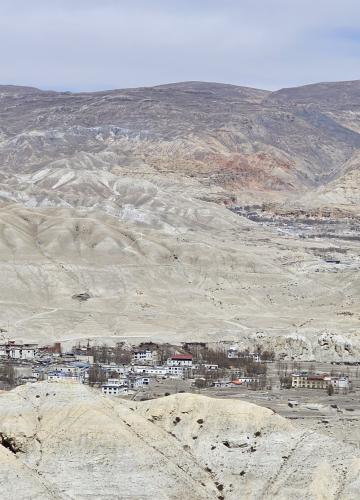
Often called "Little Tibet," Dolpo is one of the most remote places in Nepal. You can only get there by tough treks or short flights. This has kept its wild nature and old way of life safe. Far from the busy Everest and Annapurna trails lies Dolpo Himalaya, a quiet land of snow-capped peaks and deep spirituality. It is tucked in the Dolpa District near Tibet and feels like a place frozen in time.
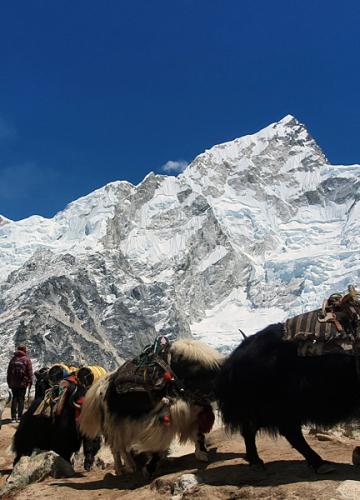
Here, you’ll see windswept valleys, old Bon monasteries, and bright turquoise lakes. The people follow Tibetan traditions, herding yaks and chanting prayers carried by the wind. Trekking in Dolpo Nepal, is more than a walk; it’s a journey into culture, faith, and strength. Each step takes you into a wild land few have seen, far away from modern life.
Are you ready to follow the path of Upper Dolpo explorers and find the spirit of Nepal’s wild north? Let’s start your adventure in the Dolpo Himalaya.
Dolpo Himalaya Map and Location
Dolpo lies in Nepal’s far northwest, bordering Tibet and enclosed by towering Himalayan peaks. On the Dolpo map, it sits within the Dolpa District of Karnali Province, Nepal’s largest yet least populated area. From Dunai, the district headquarters, trails lead toward Phoksundo Lake, Shey Gompa, and the high passes of Upper Dolpo.
Dolpo Himalaya sits within Shey Phoksundo National Park, Nepal's largest protected area, bordering Tibet. This influences its deep Tibetan Buddhist culture. You’ll see barren cliffs rising over turquoise lakes, yak caravans crossing windswept passes, and prayer flags fluttering along ancient trails. Here, isolation has preserved authenticity as a living museum of Himalayan heritage.
Unlike busy trekking areas, Dolpo Nepal, gives you total peace and quiet. You can walk for days without seeing other people, surrounded only by tall snowy mountains and the soft sound of wind moving prayer flags.
Highlights of Dolpo Himalaya
1. Phoksundo Lake: Nepal's Turquoise Jewel
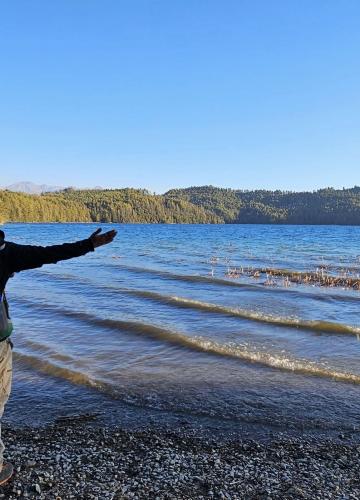
At 3,611 meters, Phoksundo Lake is one of Nepal's most stunning natural wonders. Its turquoise water glows against stark brown cliffs, a view so surreal it feels painted. This is Nepal's deepest lake, changing color throughout the day.
The nearby Ringmo Village offers authentic glimpses into Dolpo Himalaya life. Traditional stone houses and ancient Bon monasteries sit peacefully together. Despite having little, locals welcome travelers with warm butter tea and genuine smiles.
2. Shey Gompa: The Crystal Monastery
Deep in Dolpo Himalaya at 4,343 meters sits Shey Gompa, the centuries-old "Crystal Monastery." Founded in the 11th century, this sacred site draws pilgrims every twelve years for the Shey Festival, celebrating Lord Buddha and the ancient Bon religion.
The monastery houses ancient scriptures and artifacts that have witnessed centuries of prayer. Many trekkers describe feeling profound peace they've never experienced before.
3. High Passes and Hidden Valleys
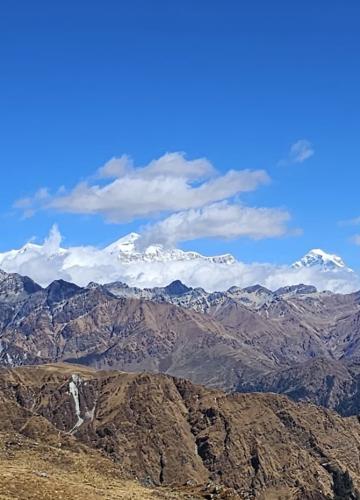
The Upper Dolpo trek crosses spectacular passes like Numa La (5,190m) and Baga La (5,070m). Each offers jaw-dropping Himalayan panoramas leading into remote, quiet valleys untouched by modernization.
Standing atop these passes, you'll understand why explorers call this "the roof of the world". The 360-degree views make you feel small yet deeply connected to something greater.

Tip: Don’t rush when crossing the mountain passes. Take your time to add stones to the cairns, tie prayer flags, and enjoy the fresh, thin mountain air. These quiet moments will be some of your best memories.
4. Tibetan-Influenced Culture
People here speak their own dialect and follow both Bon and Tibetan Buddhist faiths. You'll find prayer flags everywhere, stone shrines marking passes, and locals chanting ancient mantras. Their hospitality is humble yet deeply heartwarming.
In Saldang village, one of the highest settlements at 3,770 meters, life continues as it has for centuries. This authentic culture isn't performed for tourists; it's simply how people live.
The Dolpo Himalaya Trek Experience
Trekking in Dolpo Himalaya is an adventure if you’re seeking solitude and authenticity. The trails are challenging, often above 4,000 meters, but the rewards are unmatched. Expect long walking days through dry valleys, alpine meadows, and yak herder camps. You have two trek options.
1. Lower Dolpo Trek
Duration: 14-18 days | Difficulty: Moderate
The Lower Dolpo trek route takes you to beautiful Phoksundo Lake through traditional villages. It’s great for first-time high-altitude trekkers who want to enjoy nature and local culture. Along the way, you will stay in tea houses and camp out under the stars.
2. Upper Dolpo Trek
Duration: 24-32 days | Difficulty: Challenging
The Upper Dolpo trek crosses multiple high passes, reaching the sacred Shey Gompa. Ideal for experienced trekkers, this route takes you into areas that see only a handful of visitors yearly. The Dolpo Himalaya distance covers 300-350 kilometers of challenging terrain.
When studying a Dolpo map, you'll notice a few connecting roads. This remoteness is its greatest asset, unchanged for centuries.
Full Camping Adventure
Because there are few facilities, this trek is all about camping. Your team carries everything: food, tents, and gear, just like explorers did long ago. This gives you freedom to camp in beautiful spots with great views, enjoy fresh meals made for you, and experience true wilderness that you can’t get in lodges.
At Dolpo Caravan Trek, we provide the facility of porter hiring and guides. So you can enjoy your hassle-free journey. Book your Upper Dolpo Trek now.
Why Dolpo Himalaya Remains Nepal’s Hidden Gem
Dolpo Himalaya is very different from popular trekking places. It is far away and mostly untouched by many tourists. This keeps its nature safe and protects the old traditions of its people. There are no fancy hotels or big crowds, just pure nature and deep spirituality.
Because of this, many filmmakers and explorers call Dolpo “the last paradise”. The Oscar-nominated movie Caravan (Himalaya) was filmed here, showing its stunning scenery and strong, friendly people.
The famous book The Snow Leopard by Peter Matthiessen also made Dolpo famous. It tells the story of his spiritual journey in 1973. His words about the land, people, and his inner change still inspire adventurers today.
When to Visit Dolpo Himalaya
The best time to visit Dolpo Himalaya is during the spring and autumn seasons. However, you can also visit it during the monsoon season, as Dolpo is in a rain-shadow area.
Spring (April to June):
Spring is one of the most colorful seasons for the Dolpo trek. Wildflowers start blooming across the lower valleys, giving the trails a fresh, vibrant look. The days are mild, the skies stay mostly clear, and the overall weather is stable for long walking days. May and June are considered the ideal months since early April can still have leftover snow on the higher passes, which may slow you down. If you want a mix of good weather and beautiful landscapes, spring is perfect.
Autumn (September to October):
Autumn is the classic trekking season in Dolpo. The monsoon clears away dust and haze, leaving the air crisp and the mountain views sharp. The weather is dry, comfortable, and reliable, making long trekking days easier. Villages are lively with harvest activities, so you get to witness more local culture along the way. Even though it’s the busiest time of year, Dolpo remains a remote region, so you’ll still experience quiet trails compared to other trekking routes in Nepal.
Monsoon (July to August):
Dolpo sits behind the Himalayan rain shadow, so it receives much less monsoon rainfall than most regions of Nepal. This means trekking is still possible when other trails are muddy or closed. The landscape turns green and serene, and there are very few trekkers around, which gives a peaceful, off-the-beaten-path experience. Prices also tend to be lower during this period. However, flights to and from Juphal can face delays or cancellations due to weather, so it’s important to keep some buffer days and stay flexible with your schedule.
Discover the beauty of Dolpo—join our Phoksundo Tea House Trek and experience the Himalaya like never before!
Dolpo Himalaya Itinerary Overview
Here’s a quick Dolpo Himalaya itinerary combining the highlights of Upper and Lower Dolpo treks:
- Day 1–2: Fly to Nepalgunj, then Juphal → trek to Dunai Dolpa
- Day 3–6: Trek through Tarakot and Dho Tarap Valley
- Day 7–10: Cross Numa La and Baga La passes
- Day 11–14: Visit Shey Gompa and Phoksundo Lake
- Day 15: Return to Juphal for the flight back to Kathmandu
Average Dolpo Himalaya distance: 300–350 km.
How to Get to Dolpo Himalaya
Flight Route:
- Kathmandu → Nepalgunj (1 hour)
- Nepalgunj → Juphal (30 minutes)
The Juphal landing between towering mountains is dramatically scenic. Flights are frequently delayed due to weather, so always build buffer days. One alternative option you have is that some agencies offer road trips from Nepalgunj to Dunai Dolpa (12-14 hours), especially during the monsoon when flights are unreliable. From Juphal, trek through Tarakot, Dho Tarap Valley, and onward to Phoksundo Lake or Shey Gompa.
Important: Flights to Juphal are frequently delayed or cancelled due to weather, especially during the monsoon. Always build buffer days into your itinerary. This isn't an inconvenience; it's part of the adventure.
Travel Tips in Dolpo Himalaya
- Respect culture: remove shoes, ask before taking photos, dress modestly, and carry out trash.
- Climb slowly, drink water, watch for altitude sickness, and carry emergency gear.
- Hire local guides, buy crafts locally.
- Pack a warm jacket, a waterproof shell, good boots, a sleeping bag, and sunscreen.
- Use trusted agencies like Dolpo Caravan Trek; expect $3,500-$6,000 packages covering guides, food, and permits.

Extra Tip: Nights can get extremely cold, so pack a reliable Dolpo jacket that is windproof and warm.
Final Thoughts
Dolpo Himalaya is more than just a place. It is a journey that can change your life. Here, mountains, monks, and old traditions live quietly together. If you want adventure, peace, or to see real culture, Dolpo shows the true Himalayas, pure and timeless.
In Dolpo, you’ll find:
- Deep silence where you hear your own heartbeat
- Stunning beauty that moves you
- Real culture that feels like stepping back in time
- A chance to discover new parts of yourself
At 5,000 meters high, with prayer flags flying and mountains all around, you’ll feel it in your heart. Dolpo doesn’t just change your pictures, it changes your soul. Leave only footprints, and take home stories and memories forever.
Your adventure begins here — explore exclusive Dolpo Himalaya trek packages with Dolpo Caravan Trek and step into Nepal’s untouched frontier. Contact us for further inquiry.
FAQs
What is Dolpo famous for?
Dolpo is renowned for its remote high-altitude landscapes, including snow-capped peaks, lakes, and wildlife like snow leopards. It's also famous for Tibetan Buddhist culture, ancient monasteries such as Shey Gompa, and its portrayal in The Snow Leopard and the film Himalaya.
Who are the Dolpo people in Nepal?
The Dolpo people are an ethnic Tibetan community in Nepal's Dolpa District, practicing Bon and Tibetan Buddhism while leading semi-nomadic lives herding yaks and trading salt. They preserve ancient traditions like polyandry and festivals amid the Himalayan isolation.
What is the kingdom of Dolpo?
The Kingdom of Dolpo was a semi-independent Tibetan-influenced realm in Nepal's Dolpa region from the 14th to 20th centuries, ruled by local leaders under Buddhist principles. It was annexed by Nepal in the early 1900s, leaving a legacy in monasteries and fortified villages.
How to reach Dolpo, Nepal?
To reach Dolpo, you’ve to fly from Nepalgunj or Pokhara to Juphal Airport, then trek to the inner areas like Phoksundo Lake. Overland, take a 2-3 day jeep from Nepalgunj to Dunai, followed by trekking. The permits are required, and it’s best to visit Dolpo in April-October.
How far is Dolpa from Pokhara?
Dolpa is about 250-300 km northwest of Pokhara by air, with flights to Juphal taking 45 minutes. Overland routes exceed 400 km and 10-14 hours by jeep to Dunai due to the terrain.
How much is the Upper Dolpo trek permit?
The Upper Dolpo permit costs USD 500 for the first 10 days, plus USD 50 per extra day, plus TIMS (USD 20) and national park fees (USD 30). Groups of at least two are required to trek in the Dolpo route.

Leave Your Comment