
Hidden Trails of West Nepal: Offbeat Treks in the Far West
Nepal's far western region is home to some of the country's most stunning and untouched trekking destinations. While many trekkers choose the popular Everest and Annapurna circuits, the hidden trails of west Nepal offer a unique experience away from the crowds.
These trails provide genuine wilderness adventures and deep cultural experiences rarely found on the busier routes. These are considered the best hidden trails in far west Nepal, perfect for trekkers seeking authentic culture, wild beauty, and the most offbeat trails of west Nepal that few outsiders ever reach.
The Dolpo region has high-altitude desert that resembles the Tibetan plateau, with ancient Buddhist monasteries scattered across quiet valleys. It’s also a place where rare wildlife roams freely in pristine natural surroundings. Trekking in these remote parts of far western Nepal (Dolpa) offers an unforgettable journey if you’re seeking something truly special.
Along the way, you can stay in simple teahouses or homestays and enjoy the warm hospitality of local people. This area is perfect if you want an authentic adventure while helping protect Nepal’s beautiful and untouched nature.
Our Eco Lodge in Dolpo: Shey Phoksundo Gateway Hotel
Plan Your Trek to the Hidden Trails of West Nepal – Inquire Now
Why Trekking Far West Nepal is Worth It?
The hidden trails of west Nepal offer a rare trekking experience with peace and authentic local culture. Unlike busy routes like Annapurna or Everest, you’ll see very few trekkers, even in peak seasons. This keeps the area's nature and traditions well-preserved.
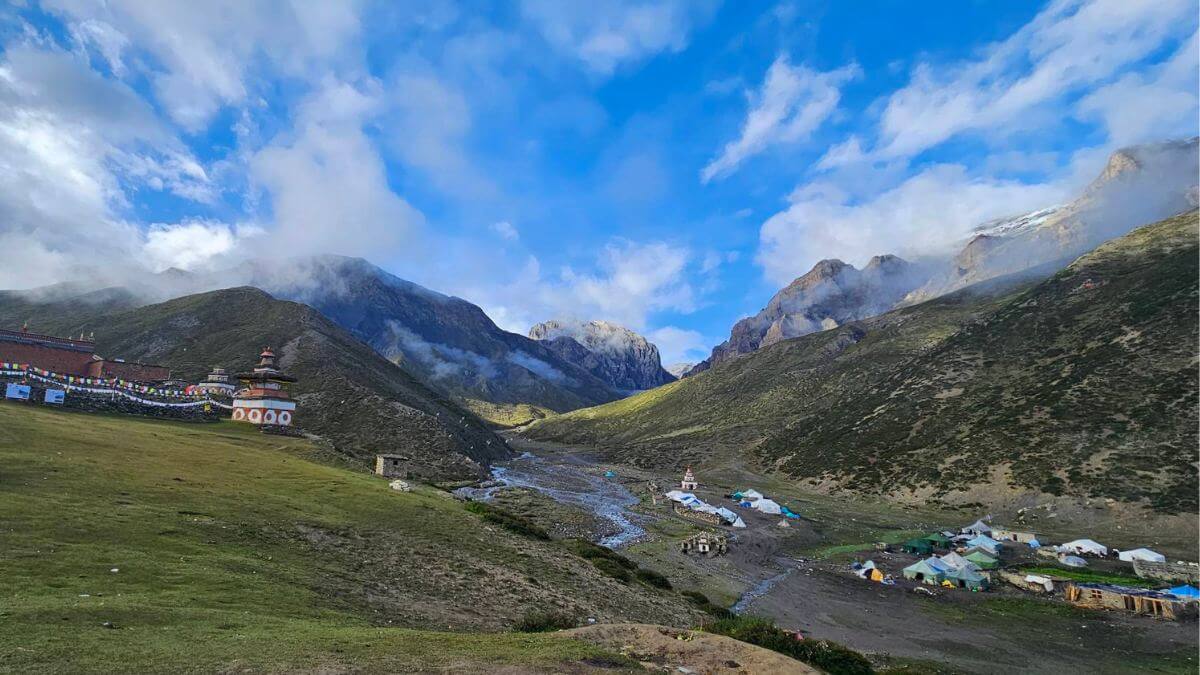
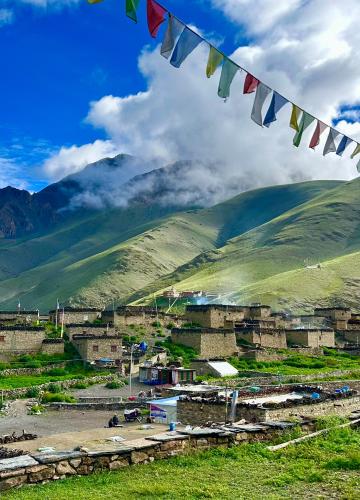
In Dolpo, you’ll find remote villages where Tibetan Buddhist customs have stayed the same for centuries. People here still live by traditional farming and herding, and the landscapes remain as wild as when explorers first visited.
Far west Nepal’s geography is unique, with dry, desert-like areas in Upper Dolpo and beautiful glacial lakes and high peaks. The region’s location in the rain shadow creates special habitats for rare animals like snow leopards and musk deer.
More travellers now choose far west Nepal to experience real adventure away from crowds. These hidden trails offer a peaceful and challenging journey while helping protect the region’s nature and culture for the future.
Best Hidden Trails of West Nepal – Trekking Far West Nepal’s Wild Beauty
1. Upper Dolpo Trek – Remote Passes and Ancient Monasteries
- Duration: 25–30 days
- Difficulty: Challenging – one of the best treks in far west Nepal
- Highlights: Shey Gompa, Sela Pass, high-altitude desert landscapes
- Why it’s special: A hidden trail of west Nepal with deep Tibetan-Buddhist heritage
- Best Time to go: Spring (April to June) and Autumn (September to November) offer clear skies and stable weather, perfect for crossing high passes and enjoying the stunning views.
Featured Trip: Upper Dolpo Trek - 27 Days
Along the way, you’ll visit Shey Gompa, also called the 'Crystal Monastery,' famous for its ancient murals and a large Buddha statue that draws monks and pilgrims alike.
You’ll also pass near Crystal Mountain and the peaceful village of Saldang, where local life feels untouched by time. The Tarap Valley offers stunning desert-like landscapes and a glimpse into unique farming and herding traditions.

The Upper Dolpo Trek is a long and challenging adventure in far western Nepal, lasting about 25-30 days. It crosses high passes above 5,000 meters and visits ancient Tibetan Buddhist monasteries like Shey Gompa.
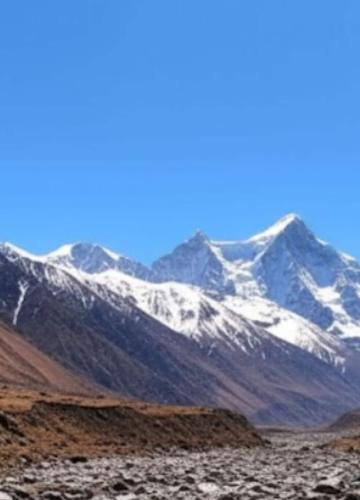
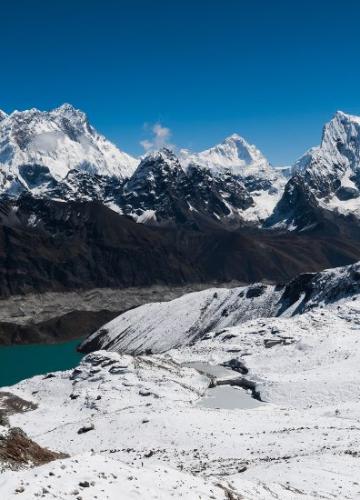
You’ll have a rare chance to see traditional communities living as they have for centuries and explore stunning desert-like valleys, turquoise lakes, and snowy peaks. The Sela Pass, at 5,094 meters, is the toughest part, but it offers amazing views.
The best times to visit are spring and autumn. Since Upper Dolpo is a restricted area, you will need special permits and guides. This trek is perfect if you’re seeking a deep cultural and wilderness experience.
Ready to cross high passes and visit Shey Gompa? Let us help you plan. Contact us Now!
2. Beni Dolpo Trek via Dhorpatan – A Unique Combination
- Duration: 20–25 days
- Difficulty: Moderate to challenging – gradual altitude gain for good acclimatisation
- Highlights: Dhorpatan Hunting Reserve, diverse landscapes from green hills to high desert, chance to see blue sheep and Himalayan tahr
- Why it’s special: Combines lush farming villages and rhododendron forests with the dry Tibetan Buddhist region of Dolpo, showcasing nature, culture, and conservation in one trek
- Best Time to go: Spring and Autumn are ideal for this trek, providing good weather for exploring diverse landscapes from green hills to high desert areas.
The Beni Dolpo Trek is a special route that combines the green hills around Beni with the high, dry desert of Dolpo. This trek shows the amazing natural variety of far western Nepal.
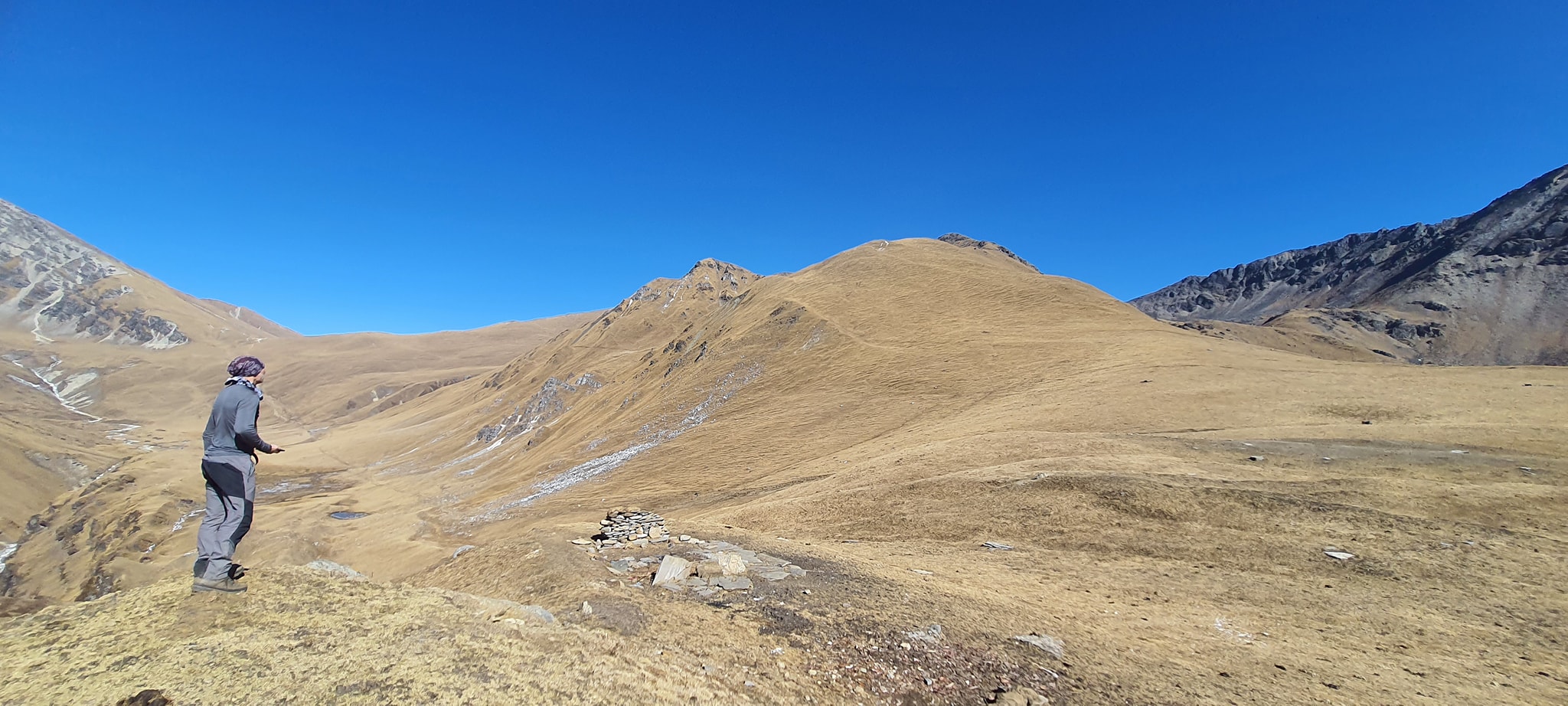
Starting from Beni, you’ll walk through farming villages and rhododendron forests before reaching the high Dolpo region. The trek goes through Dhorpatan Hunting Reserve, Nepal’s only hunting reserve, where you might see animals like blue sheep, Himalayan tahr, and sometimes snow leopards.
The trek usually takes 20-25 days and helps your body adjust well as you slowly climb from warm, lower hills to cold alpine deserts. Along the way, you’ll notice a big cultural change too, from Hindu farming villages to Tibetan Buddhist communities that live by herding and trading.
In Dhorpatan, you can learn about traditional hunting (where allowed) and see how locals and conservationists work together to protect wildlife while respecting old traditions. This mix of nature, culture, and conservation makes the Beni Dolpo Trek truly unique.
Also learn about Where to Buy Trekking Gear in Nepal for this hidden Wastern trails.
3. Phoksundo Lake Tea House Trek – Stunning Turquoise Lake
- Duration: 12–15 days
- Difficulty: Moderate – comfortable with teahouse stays
- Highlights: Phoksundo Lake’s bright blue waters, Shey Phoksundo National Park, traditional Dolpo-pa villages
- Why it’s special: Combines natural beauty, wildlife, culture, and comfort on a remote trail without heavy camping
- Best Time to go: The months of Spring and Autumn give the best weather, with clear skies highlighting the bright turquoise lake and surrounding landscapes.
The Phoksundo Lake Trek is a great way to explore hidden trails in far west Nepal while still staying comfortable. It follows the beautiful turquoise waters of Phoksundo Lake, one of Nepal’s most stunning natural sights, located at 3,611 meters high. The lake’s bright blue colour comes from its depth and minerals, surrounded by cliffs and snowy mountains.
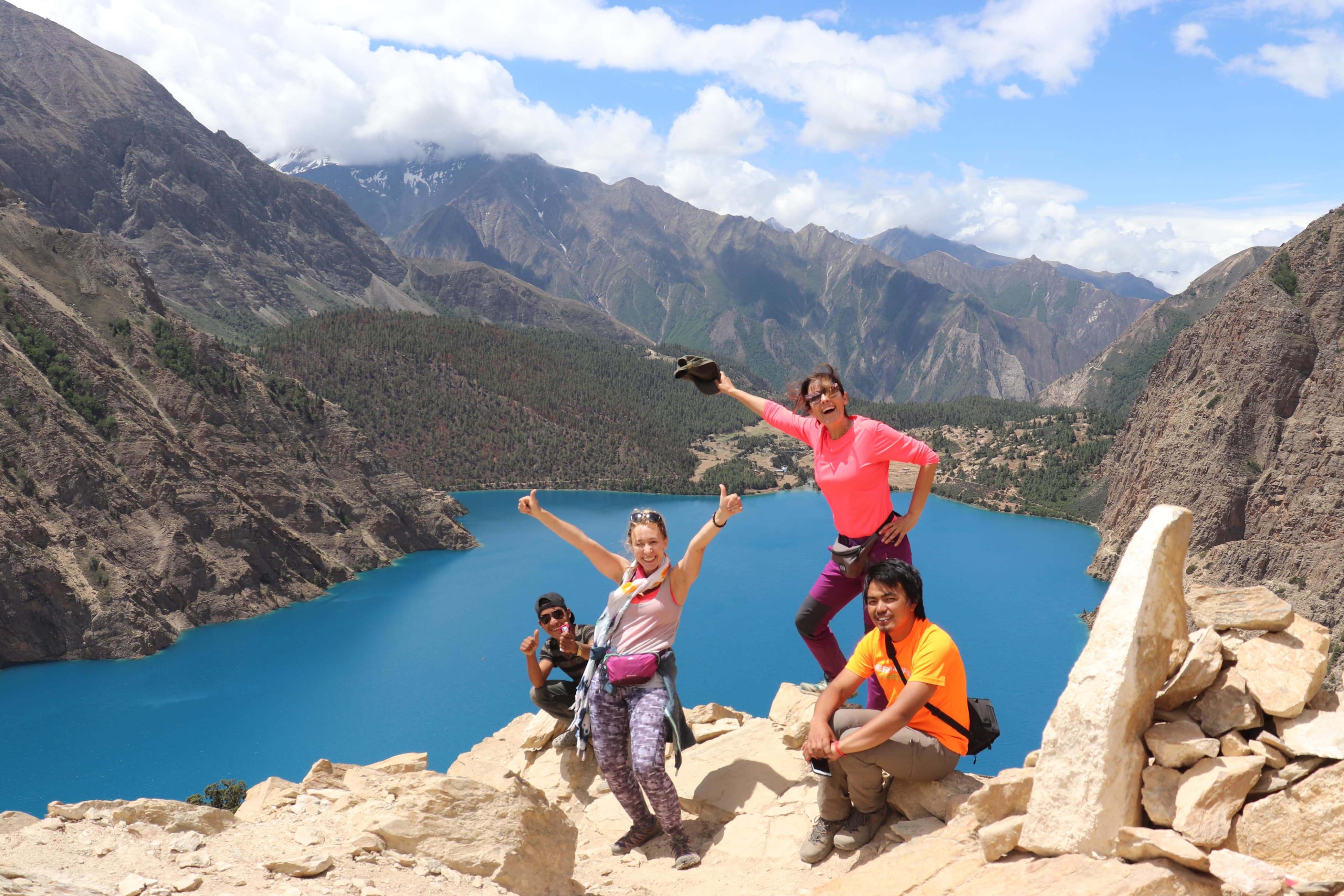
This trek usually takes 12-15 days and offers simple teahouse stays along the way, so you don’t have to carry heavy camping equipment. You’ll pass through traditional Dolpo-pa villages where people follow Tibetan Buddhism and Bon traditions.
The path will pass by the largest park of Nepal, Shey Phoksundo National Park, where there are high possibilities of wildlife observation and excellent photography. It is perfect for moderate trekkers who want a mix of nature, culture, and comfort on a remote trail.
Don’t miss Ringmo village, a charming place with stone houses and friendly locals, and the nearby waterfall, where the fresh mountain water cascades into the valley. These spots highlight the natural beauty and culture surrounding the lake.
Phoksundo’s turquoise glow is unforgettable — ask us how to get there.
4. Phoksundo Bon Cultural Trek – Immersive Cultural Experience
- Duration: 12–15 days (typical)
- Difficulty: Moderate
- Highlights: Ancient Bon monasteries, traditional villages, stone houses, sacred sites
- Why it’s special: Offers a deep cultural experience with unique Bon religion practices and strong Tibetan Buddhist traditions in quiet, less crowded far west Nepal
- Best Time to go: Spring and Autumn are best to experience the ceremonies at Bon monasteries and enjoy moderate trekking conditions in this culturally rich region.
The Phoksundo Bon Cultural Trek is great for those who want to learn about the ancient Bon religion, older than Buddhism. You may also visit Bon monasteries and participate in ceremonies as long as you come at the right time. Along the way, you’ll see traditional villages where people still follow old farming, crafts, and spiritual traditions. The area has stone houses and sacred sites that show a strong local culture. This trek offers beautiful nature and a deep cultural experience.
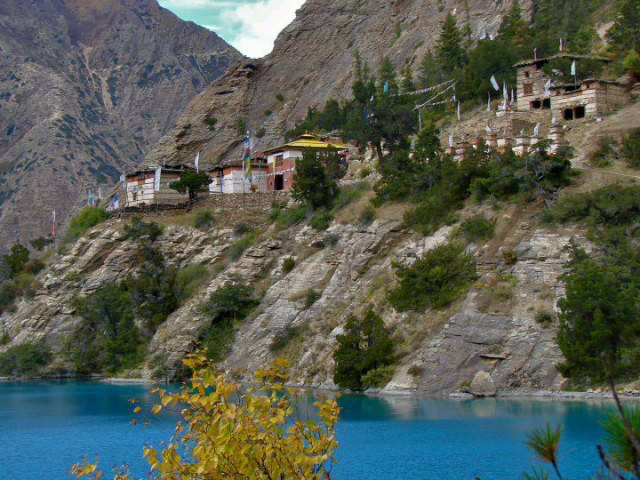
The hidden trails of west Nepal are peaceful and less crowded than popular routes like Annapurna or Everest. Dolpo has remote villages where Tibetan Buddhist traditions remain the same as centuries ago. The region has dry desert-like areas and stunning lakes, with rare animals like snow leopards living there. More travellers are choosing these trails for a quiet, authentic adventure that helps protect nature and culture.
Also, view our tailor-made Package on Snow Leopard Trek, Upper Dolpo
5. Mugu Dolpo Trek via Great Himalaya Trail – Extensive Adventure
- Duration: 30–40 days
- Difficulty: Challenging – very remote, high passes
- Highlights: Great Himalaya Trail section, diverse ethnic cultures, impressive wildlife, including blue sheep and snow leopards
- Why it’s special: One of the longest and wildest treks in far west Nepal for serious trekkers seeking solitude and deep nature immersion
- Best Time to go: Spring and Autumn seasons provide safer trail conditions and clearer views for this long, challenging trek through remote villages and high passes.
The Mugu Dolpo Trek is one of the longest and most remote treks in far west Nepal, often lasting 30-40 days. It follows part of the Great Himalaya Trail, passing high mountain passes and many traditional villages.
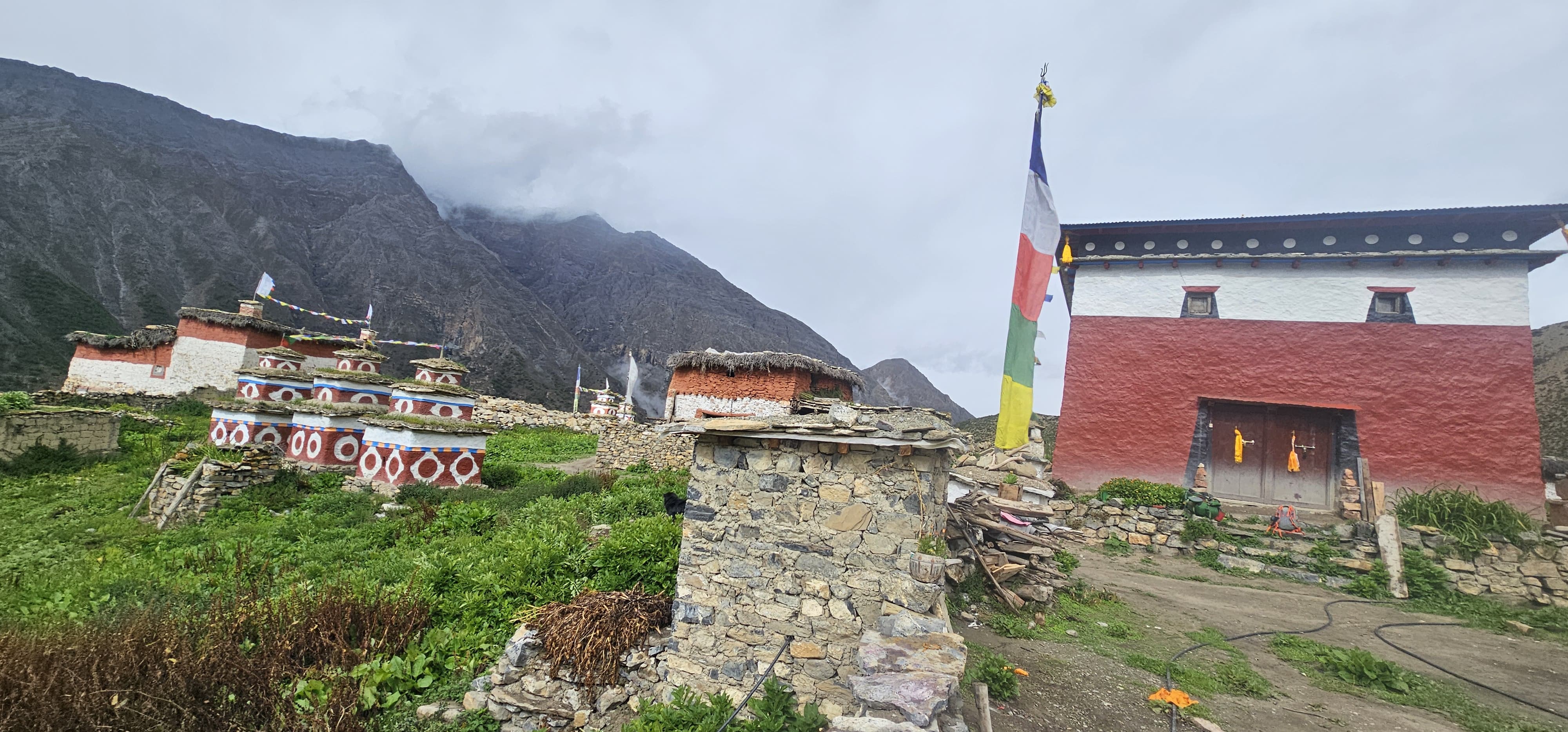
This trek lets you experience different local cultures and meet various ethnic groups. It’s a great choice for those wanting a long, adventurous journey in wild, untouched nature.
You will be able to see some wildlife, such as blue sheep, mountain goats, wolves, and (luckily) snow leopards. It is an excellent route to the deepest parts of Nepal and is suited to serious trekkers.
6. Lower Dolpo Trek – Rich Culture and Scenic Beauty
- Duration: 18–21 days
- Difficulty: Moderate to challenging
- Highlights: Phoksundo Lake, high passes Baga La and Numa La, mixed ethnic cultures (Khas, Magar, Dolpo-pa)
- Why it’s special: Less crowded than Upper Dolpo, it offers an authentic mountain lifestyle, wildlife, and options to stay in teahouses or homestays for cultural exchange
- Best Time to go: Spring and Autumn are the best seasons to enjoy this quieter trail with comfortable weather suited for both cultural exploration and wildlife spotting.
This trek is perfect if you want to enjoy peaceful trails, see snow leopards if lucky, and experience authentic mountain life in a quieter, welcoming environment.
The Lower Dolpo Trek is a great way to see beautiful Phoksundo Lake and cross high passes like Baga La (5,169m) and Numa La (5,309m). It’s easier than Upper Dolpo but still offers wild, peaceful landscapes full of blue sheep and maybe even snow leopards.
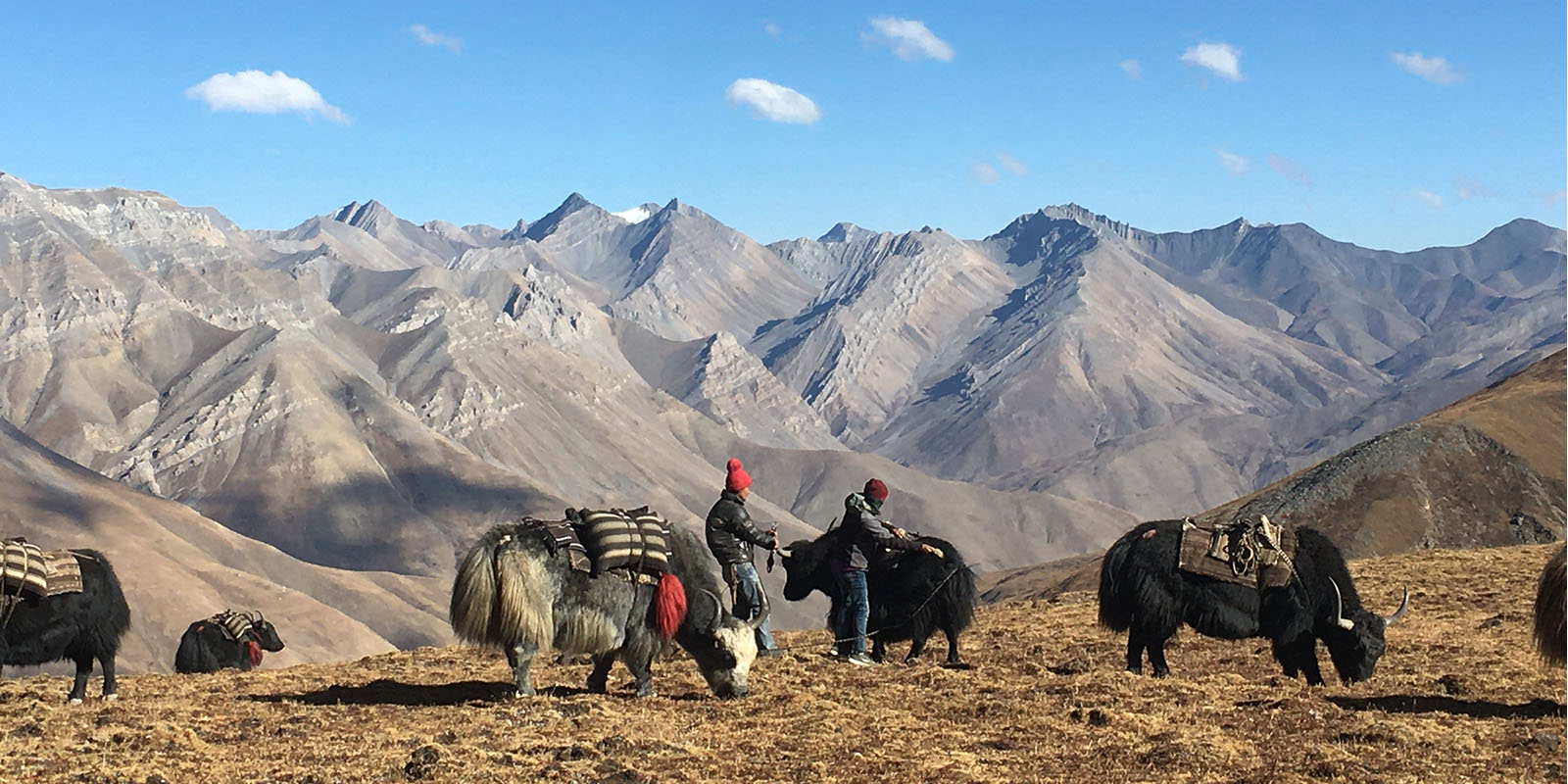
This 18-21-day trek follows a less crowded path through a mix of cultures, including Khas, Magar, and Dolpo-pa people. The villages here keep old traditions and show how people live well in the mountains.
You can stay in simple teahouses or with local families in homestays for a more personal experience. This trek is perfect for those wanting nature and culture in a quieter setting.
These trails aren’t just about mountains; they also represent the best hidden trails in far west Nepal for culture and wildlife. From Bon monasteries to snow leopards, trekking in far west Nepal offers more than landscapes.
Cultural & Natural Highlights Along the Trails
Tibetan-Bon Heritage and Monasteries
Far western Nepal’s hidden trails are rich in religious heritage, with Tibetan Buddhist and Bon sites that have lasted over 1,000 years.
Shey Gompa in Upper Dolpo is a famous monastery with a large Buddha statue and ancient murals. It remains a centre for Buddhist learning and practice.
Bon monasteries show an older Tibetan religion with unique buildings and rituals different from Buddhism. The Bon religion, which predates Buddhism, is still practiced here, alongside Tibetan Buddhist schools like Nyingma and Kagyu.
You may meet Thakuri people in the region and encounter nomadic groups like the Rautes, who live by hunting and gathering. The area also includes the Chhetris, Thakuris, and Dalits, each with distinct traditions.
Religious traditions are still part of daily life here, with festivals, prayers, and ceremonies that give visitors a real feel for these ancient cultures.
Unique Wildlife of the Far West (snow leopards, blue sheep, musk deer)
Far western Nepal’s hidden trails are home to some of the Himalayas’ rarest and most secretive animals. Because the area is remote and protected, many species live here in natural conditions.
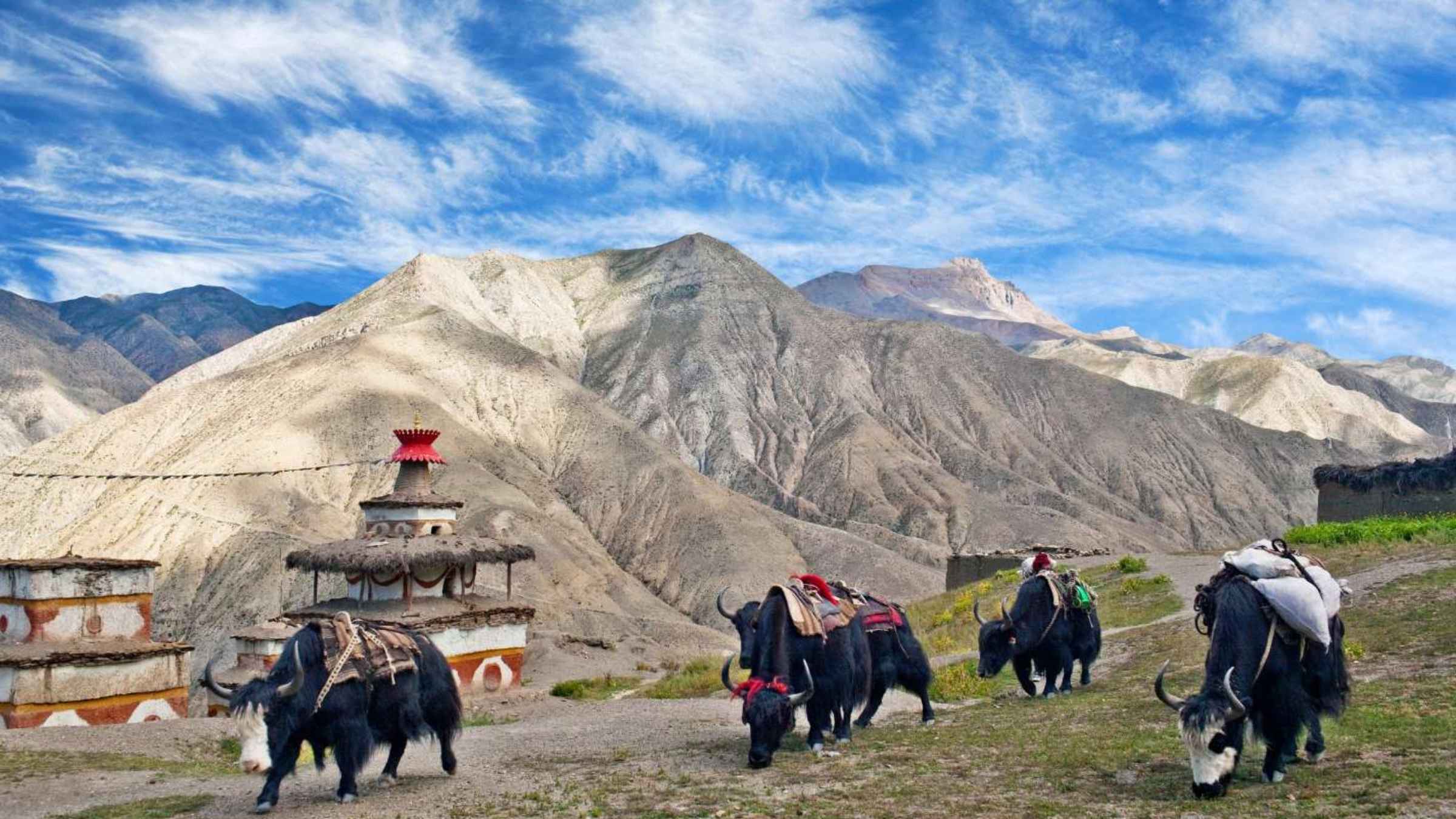
Snow leopards are the most sought-after wildlife, but spotting them is very hard and needs luck and patience. They come to lower areas in winter, but that’s also the toughest time for trekking.
Blue sheep, or bharal, are seen more often and are a main food source for snow leopards. Musk deer live here too, though they are shy and mostly noticed by their tracks. They produce musk used in traditional medicine.
Other animals include Himalayan wolves, red foxes, small rodents called pikas, and many birds adapted to high mountains. The variety of wildlife comes from the region’s mix of different mountain habitats.
Festivals and Local Traditions in Far Western Nepal
Far western Nepal has many special festivals and traditions tied to Tibetan Buddhist and Bon beliefs. These celebrations include dances, prayers, and rituals that protect the community and honour nature. They take place at monasteries and villages, following old calendars and customs.
Seasonal festivals, often involving dances, prayers, and ceremonies at monasteries, reveal the spiritual heartbeat of far western Nepal. Visiting during these festivals lets travelers join unique celebrations deeply tied to nature and local beliefs.
People here live simply, farming, herding, weaving, and making crafts as their ancestors did. Local languages include Tibetan dialects and Nepali, creating a rich cultural mix.
Wild animals like snow leopards and musk deer are part of local stories and beliefs. Conservation often involves the community’s traditions and knowledge.
Visiting during festivals and staying in villages gives travellers a chance to see real, ancient culture alongside beautiful mountains and wildlife. It is a quiet and special experience to reach the lost legacy of Nepal.
Planning Your Trek in Far West Nepal
Getting There – Flights & Trailhead Access
Getting to the hidden trails of west Nepal requires careful planning and multiple transport steps. Most treks start with flights to Nepalgunj or Juphal, then continue by road to the trailheads.
- Nepalgunj is the main gateway for Dolpo treks, with daily flights from Kathmandu during busy seasons. From there, small planes fly to Juphal, but flights can be delayed by weather, so backup plans are important.
- Some routes now have better road access, but drives from Kathmandu can still take 12-15 hours and often need overnight stops.
- Charter helicopters are available for quicker, direct access to base camps and for emergencies, but they are costly and weather-dependent.
- Within trekking areas, most travel is on foot. Porters or pack animals may carry gear on some parts. Since resupply is limited, you need to bring all essential equipment from the start.
Permits & Regulations for Trekking Far West Nepal
- Trekking in the Dolpo region needs special permits because it is a restricted and remote area in the Himalayas’ rain shadow.
- Upper Dolpo requires a Restricted Area Permit costing $500 for the first 10 days plus $50 per extra day. Permits must be arranged through registered trekking agencies. Guide and porter fees vary but expect to pay about $30–50 per day for guides and $15–25 for porters. These costs help support local communities and ensure a safer trek.
- Lower Dolpo needs standard trekking permits plus extra fees for special areas.
- Most Dolpo treks require entry permits for Shey Phoksundo National Park to support conservation.
- Some monasteries or cultural sites need additional permits, usually arranged locally.
- Rules limit group sizes and require hiring licensed guides and porters to support local jobs and ensure safety.
- Strict environmental rules apply: no campfires in unauthorized spots, proper waste disposal, and Leave No Trace practices.
- Breaking rules can lead to permit loss or legal trouble.
Best Season and Weather for Hidden Trails of West Nepal
The seasonal timing for the best hidden trails of west Nepal adventures requires careful consideration of weather patterns, trail accessibility, and cultural factors. The region's position in the Himalayan rain shadow creates unique conditions different from other Nepal trekking areas.
- Spring season (April-June) offers the most reliable weather conditions with clear skies and stable temperatures. Daytime temperatures in lower elevations can be comfortable, while nights remain cold at higher altitudes. This season provides the best wildlife viewing opportunities as animals are active after winter.
- Autumn season (September-November) represents the second-best window, with excellent visibility and stable weather patterns. Post-monsoon clarity offers spectacular mountain views, though some high passes may retain snow from early winter storms. Cultural festivals often occur during this period.
- Winter trekking (December-February) is possible but extremely challenging, with severe cold, heavy snow, and limited daylight hours. Some high passes become impassable, though lower elevation routes may remain accessible to experienced and well-equipped parties.
- Summer monsoon season (June-September) brings challenges including trail washouts, leech activity at lower elevations, and reduced visibility due to cloud cover. However, the rain shadow effect means some areas receive less precipitation than other parts of Nepal.
Accommodation – Teahouses vs Homestays
Accommodation on the hidden trails of far west Nepal is usually very basic and often less comfortable than on popular trekking routes. Some areas, like the Phoksundo Lake trek, have simple teahouses with shared rooms, limited heating, and basic food options. Homestays with local families offer a better experience, providing more comfortable rooms and traditional meals, along with a chance to learn about local culture.
Most trails require camping with full equipment, such as strong tents and warm sleeping bags, and guides usually take care of camping logistics for groups. In some places, trekkers can stay in monasteries, which offer a unique cultural experience but require respect for religious rules and customs.
Connectivity is limited in these remote areas, with basic internet available only in some villages. Solar charging stations are common in places like Ringmo and Saldang, but carrying power banks is essential. Food on the trails often includes buckwheat bread, yak butter tea, dried meat, and fresh apple products from Jumla and Mugu.
Essential Gear & Safety Tips for Remote Trekking
Given the remoteness, having evacuation insurance is highly recommended. Licensed guides who know the terrain are required in restricted areas and can assist with emergencies. Helicopter evacuation is available but weather-dependent and costly, so proper preparation is key.
- Equipment needs for the far west Nepal trekking are higher than standard treks due to remoteness, cold nights, strong winds, and limited rescue options.
- Sleeping bags rated for at least -20°C are essential because nights can get very cold even in good seasons.
- Four-season mountaineering tents are required to handle strong winds and snow.
- Navigation tools like GPS, detailed maps, and compass skills are important since trails can be unclear and weather may hide landmarks.
- Emergency communication devices, such as mobile phones, are critical for safety.
- Medical kits should cover first aid and altitude sickness prevention/treatment, with evacuation insurance strongly advised.
- Water purification systems must work against different contaminants; having backup methods is important in case the main system fails.
Why Choose the Hidden Trails in Far West Nepal?
Escape from crowds of Everest/Annapurna, Authentic cultural immersion, Opportunities for eco-tourism & sustainable travel.
Escape from Crowds of Everest/Annapurna
The best reason to choose hidden trails in far west Nepal is the chance for true solitude. Unlike busy Everest or Annapurna routes, these trails are quiet and peaceful, like when early explorers first came.
This calm lets you connect deeply with nature and see more wildlife. You’ll also have real, friendly interactions with local communities that welcome fewer visitors.
Photographers love these trails because the quiet settings offer perfect natural light and authentic scenes without crowds.
Authentic Cultural Immersion
The region has a real, traditional culture and important Buddhist sites in high mountain villages. Isolation has kept old ways alive.
Locals speak Tibetan dialects and some English, letting visitors connect through language.
You can see or join crafts, cooking, and animal care that sustain life here.
Religious ceremonies follow ancient traditions, offering a true cultural experience.
Opportunities for Eco-tourism & Sustainable Travel
Trekking in far west Nepal supports sustainable tourism. Small numbers of visitors help local communities without harming nature or culture.
Permits and fees protect the environment and fund conservation and community projects.
Jobs for guides, porters, and hospitality workers help locals earn money while keeping their traditions.
Visitors can also join research and volunteer to help protect wildlife and culture.
Best Places to Visit in Far Western Nepal Beyond Trekking
While the best hidden trails of west Nepal are the main draw, there are also incredible places to visit in far western Nepal, from Khaptad National Park to remote mountain villages.
Khaptad National Park & Khaptad Baba Ashram
Khaptad National Park in far west Nepal protects a high mountain plateau with rich nature and spiritual importance. It covers 225 square kilometres at an altitude of 1,400 to 3,300 meters.
Khaptad National Park, known for its high grasslands and the serene Khaptad Baba Ashram, is a must-visit for nature and spiritual seekers. The Dhorpatan Hunting Reserve offers a rare chance to witness Nepal’s only controlled hunting area, home to blue sheep and Himalayan tahr.
Khaptad has over 270 bird species, many mammals, and many medicinal plants used in traditional healing. Trekking here is easier than in Dolpo but still offers a true far west Nepal experience with day hikes and camping options.
Dhorpatan Hunting Reserve
Dhorpatan Hunting Reserve is Nepal’s only hunting reserve, covering 1,325 square kilometres of high mountain land. Controlled hunting helps fund wildlife protection and supports local communities.
Hunting is strictly controlled with limits to keep animal numbers healthy. Animals like blue sheep and Himalayan tahr can be hunted, but permits are costly and limited.
Visitors who don’t hunt can trek and watch wildlife in this quiet, natural area, with great chances for photos.
The reserve also supports research on how controlled hunting can help protect mountain ecosystems.
Remote Mountain Villages Worth Exploring
Far western Nepal has many traditional mountain villages rarely visited by foreigners, offering real cultural experiences. Villages like Simikot, Hilsa, and Yari show daily life using old farming, animal care, and crafts.
The stone houses and community buildings are well-built for high mountain living and fit naturally into the landscape.
Local festivals keep their true spiritual meaning, giving visitors a chance to see authentic celebrations. Outdoor enthusiasts can enjoy rafting on the Karnali and Bheri rivers, both known for thrilling rapids and rich cultural history along their banks.
Other places to explore include Khaptad National Park and its Baba Ashram, as well as Dhorpatan Hunting Reserve.
The Phoksundo Lake and Lower Dolpo treks are the most hidden trails in west Nepal to the beginners. They offer moderate challenges with comfortable teahouse options. Trekkeers who have experienced trekking and want to explore in extreme paths and altitude, should look at the Upper Dolpo, Mugu Dolpo or Saipal Himal region that require high fitness and proper planning.
Final Thoughts
Whether you choose the best hidden trails in far west Nepal, like Upper Dolpo, or the more accessible best trails of west Nepal, like Phoksundo, trekking here guarantees one of the most authentic Himalayan experiences left today.
While tourism grows, these remote areas stay fresh and natural because they are carefully protected. For serious trekkers, these trails offer unforgettable challenges, stunning landscapes, and real cultural experiences far from busy popular routes.
Though the trek needs time, money, and fitness, it rewards you with unique memories and insights into nature and local life. As tourism develops, these places may change, so early visitors have a special chance to see them in their pure form. Visiting these areas responsibly helps protect nature and culture while giving you a meaningful adventure.
Your adventure to the best hidden trails of west Nepal starts here. Contact Dolpo Caravan Treks today to design your trek. If you’re dreaming of the best hidden trails in Far West Nepal, now’s the time. Reach out and start your journey.
Travel to the West Dolpo Himalayas
Dolpo Jomsom Trek | Beni Dolpo Trek via Dhorpatan | Dolpo Dhorpatan Trek via West Dhaulagiri | Trekking in Dhorpatan Hunting Reserve | Limi Valley Trek
FAQs
What are the best hidden trails of West Nepal?
The Dolpo Trek is one of the best hidden trails in West Nepal, known for its remote landscapes, ancient Tibetan Buddhist culture, and stunning high-altitude scenery including Shey Phoksundo Lake. Other excellent options include the Upper Dolpo Trek for extreme adventure seekers, the Phoksundo Lake Tea House Trek for more accessible remote trekking, and the Mugu Dolpo Trek via Great Himalaya Trail for extended wilderness adventures.
Why trek in the far west of Nepal?
Trekking in far west Nepal, especially Dolpo, offers a unique blend of untouched wilderness, rich cultural heritage, and a chance to explore one of the most isolated regions in the Himalayas. The region offers real experiences that are not dominated by mainstream trails, and one gets to experience traditional Tibetan Buddhist and Bon cultures that have been preserved over the centuries.
What is the best time to trek the hidden trails of West Nepal?
The best time for the Dolpo Trek and other far west Nepal routes is during spring (April to June) and autumn (September to November) when the weather is stable, and the skies are clear for spectacular mountain views. These seasons offer the most reliable conditions for high-altitude trekking and the best opportunities for wildlife viewing.
Are permits required for trekking far west Nepal?
Yes, trekking in Dolpo requires a special Restricted Area Permit, which must be obtained before the trek, along with the standard Annapurna Conservation Area Permit (ACAP). Upper Dolpo requires expensive restricted area permits costing $500 for the first 10 days, while Lower Dolpo has different permit requirements. All permits must be arranged through registered trekking agencies.
Is far west Nepal trekking suitable for beginners?
The Dolpo Trek is considered challenging due to high altitudes and remote terrain, so it is more suitable for experienced trekkers or beginners with excellent fitness and proper acclimatization. These treks are not suitable to individuals who lack extensive mountain experience, or who have not properly trained these expeditions since they are too remote, have very little chance of rescue, and the nights are too cold and the wind too strong.
What are the best hidden trails in far west Nepal for beginners?
Lower Dolpo and Phoksundo Lake are the most accessible hidden trails, making them the best trails of west Nepal for new trekkers.
Which trek is considered the best trek in far west Nepal?
Many consider Upper Dolpo Trek the best trek in far west Nepal because of its remote high passes, monasteries, and wild beauty.

Leave Your Comment