
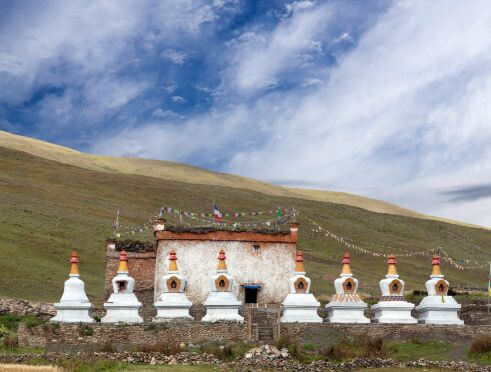
Tarap Valley Dolpo: The Hidden Himalayan Valley Beyond Time
Tarap Valley Dolpo is one of those places that still feels untouched. While most trekkers head straight to Annapurna or Everest, this valley just sits there quietly in Dolpa District, almost hidden, yet full of raw beauty, strong culture, and real human stories.
And honestly, this isn’t just another mountain valley. It’s a place where people have lived the same way for centuries. Old monasteries still echo with morning prayers, and the whole landscape feels like it belongs to another time. If you’re tired of crowded trekking routes, Tarap Valley might be exactly what you’re looking for.
Tarap Valley Adventure Snapshot
- Tarap Valley is a remote, high-altitude alternative to Nepal's mainstream trekking routes
- The region features the ancient Tibetan culture and traditions of Dho Tarap
- It sits between 3,900m and 4,300m as one of the world's highest inhabited areas
- Trekkers must obtain Restricted Area and National Park permits before visiting
- Infrastructure is basic and provides a rugged experience away from modern crowds
- Spring and autumn are the best seasons, with October being the peak month
- The landscape offers stunning natural beauty and historically significant trade routes
Where is Tarap Valley Dolpo Located?
Tarap Valley Dolpo lies in Dolpa District in western Nepal. It’s one of the biggest yet least populated districts in the country. The valley sits inside or close to Shey Phoksundo National Park, which is the largest national park in Nepal and part of a protected trans-Himalayan ecosystem.
- Elevation: Around 3,900 meters to 4,300 meters above sea level
- Access point: Most people fly to Juphal Airport, then trek through Dunai before reaching the valley
- Region: Upper Dolpo Tarap Valley is a restricted area, so special permits are needed
- Distance from Kathmandu: Usually reached by flying to Nepalgunj and then to Juphal
Getting there isn’t easy. You walk through deep gorges, cross rivers, and pass waterfalls. But that’s what makes it feel so real and rewarding.
What Makes Tarap Valley Unique?
Tarap Valley stands out, even in a country full of mountains.
- It’s one of the highest places in Nepal where people live all year
- Life here hasn’t changed much, so traditions and customs are still strong
- The valley is wide and open, not narrow like many Himalayan trails
- You get big views of dry landscapes and high peaks all around
- Very few trekkers come here, so it still feels pure and uncrowded
So, if you’re into real adventure and culture, Dolpo Tarap Valley trekking offers something very different from the usual trekking routes.
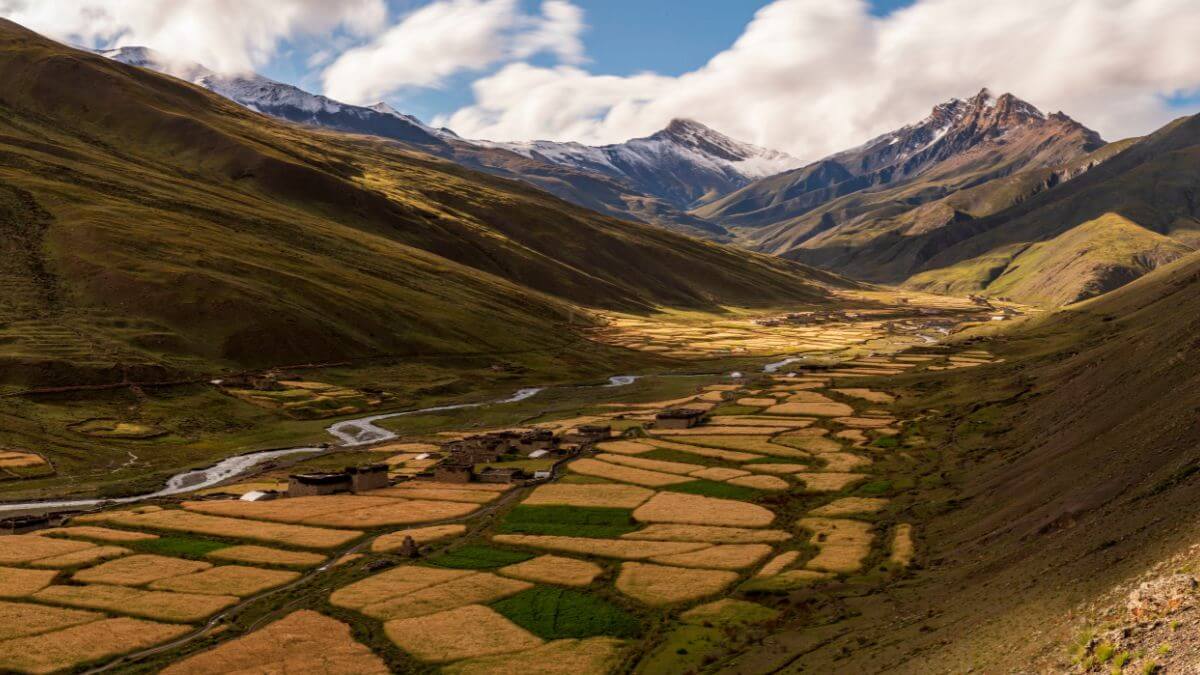
Dho Tarap and the Valley System
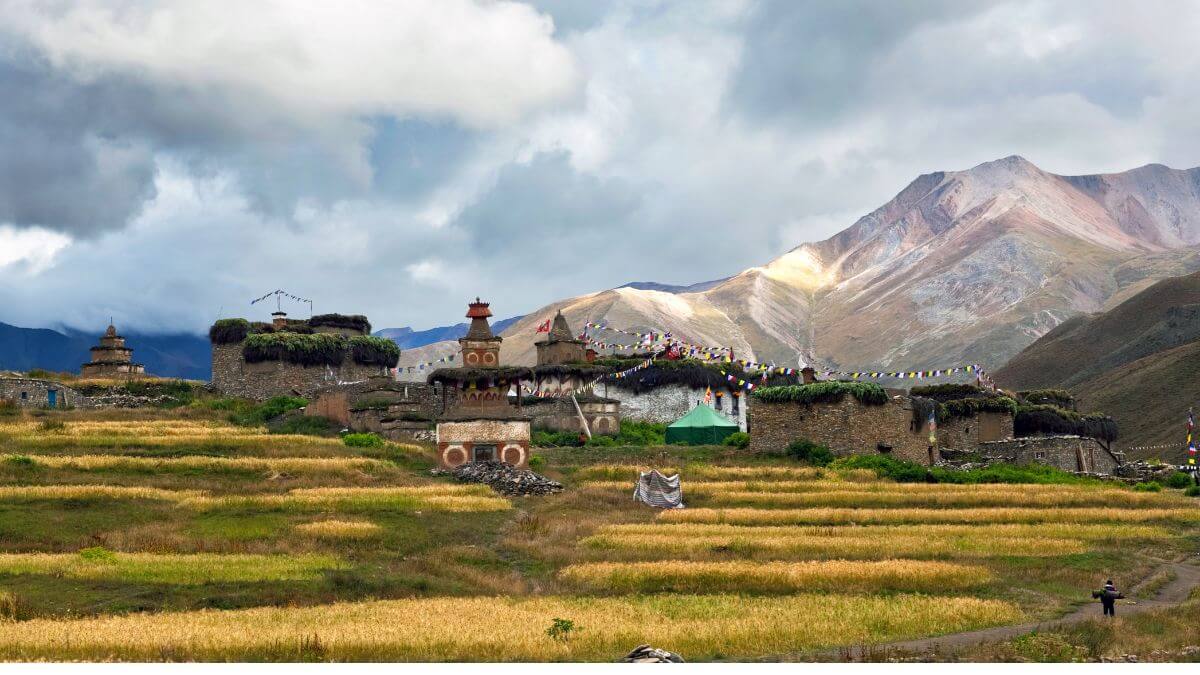
Dho Tarap is the main village in the valley. It’s the heart of everything here, both socially and culturally. Sitting at about 4,080 meters, it’s also one of the highest permanent settlements in the world.
- The village has stone houses, monasteries, and a close-knit community
- Nearby places like Tokyu and Lang are also part of the valley system
- Families have lived here for generations, farming the same land
- It’s a key stop for trekkers passing through Upper Dolpo
Spending even a short time here gives you a real feel of how life works in such a remote place.
Geography and Landscape of Tarap Valley
The landscape in Tarap Valley, Dolpo, feels totally different from what most people imagine about Nepal.
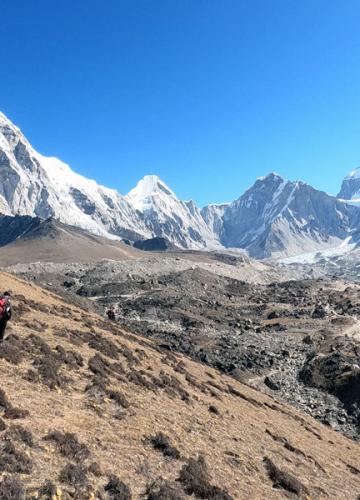
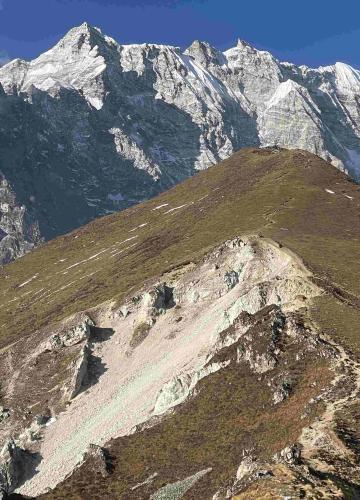
- Wide open plains surrounded by dry, high mountains
- The Tarap River runs through the valley, helping small farms survive
- High passes like Num La (5,190m) and Baga La (5,070m) connect the region
- The Tarap Gorge is narrow and dramatic before the valley suddenly opens up
- The terrain feels more like the Tibetan Plateau than typical green hills
In simple words, the land itself tells a story. Tough, raw, and beautiful.
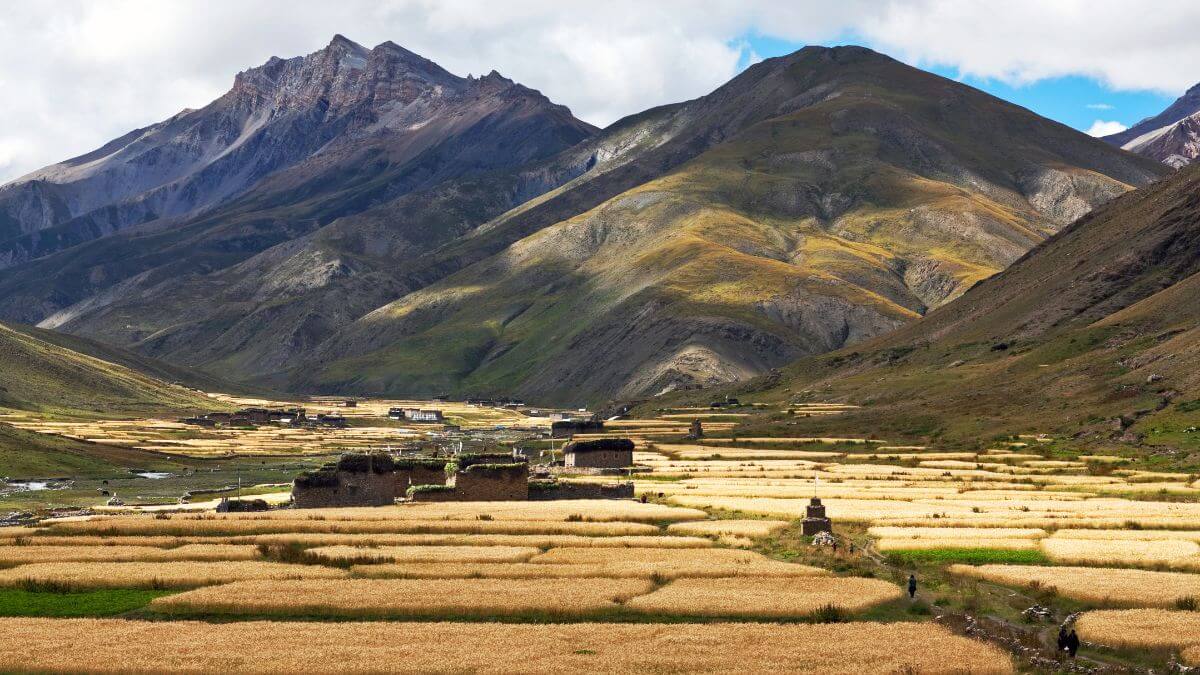
What are the Culture and Lifestyle in Tarap Valley Dolpo?
Life here in Tarap Valley Dolpo is shaped by Tibetan traditions and the harsh environment.
- People speak Tibetan dialects and follow Buddhist culture
- Most families depend on yak herding, barley farming, and trade
- Houses are made of stone, built low to keep warmth inside
- Flat roofs are used to dry grains
- The community is very close; people help each other in daily life
- Some families move to lower areas during winter
Visiting Tarap Valley feels less like tourism and more like stepping into real life.
What is the Religion in Tarap Valley?
Tarap Valley religion is mainly Tibetan Buddhism and Bon religion. Religion here isn’t separate from life. It’s part of everything people do.
- Both Tibetan Buddhism and Bon religion are practiced side by side
- Monasteries and gompas are found across the valley
- Prayer flags, chortens, and mani walls are everywhere
- Festivals and rituals guide farming and herding cycles
If you get the chance to see a local ceremony, it stays with you for a long time.
How to Trek Through Tarap Valley Dolpo?
The route to trek through Tarap Valley starts from Juphal, then Dunai, then Taraph Gorge, continuing onto Dho Tarap, and finally reaching Upper Dolpo. The Tarap Valley Dolpo trek is not easy, but it’s worth it if you’re prepared.
- Route: Juphal → Dunai → Tarap Gorge → Dho Tarap → Upper Dolpo
- Duration: Around 2 to 3 weeks
- Highlights: Gorge, high passes, village life, open landscapes
- Difficulty: Moderate to hard due to altitude and long walking days
- Crowds: Very few people, which makes it special
There are no fancy lodges or WiFi here. Just nature and real experiences.
Ready to experience Tarap Valley for yourself? Book your Dolpo trek with Dolpo Caravan Treks, specialists in Upper Dolpo expeditions with experienced local guides who know this land intimately.
What are the Major Attractions Around Tarap Valley Dolpo?
The Tarap Valley Dolpo region is packed with natural beauty like the Phoksundo Lake, Ringmo village, Num La and Baga La Himalayan ranges, and more. Here you will get to witness these natural beauties like never before.
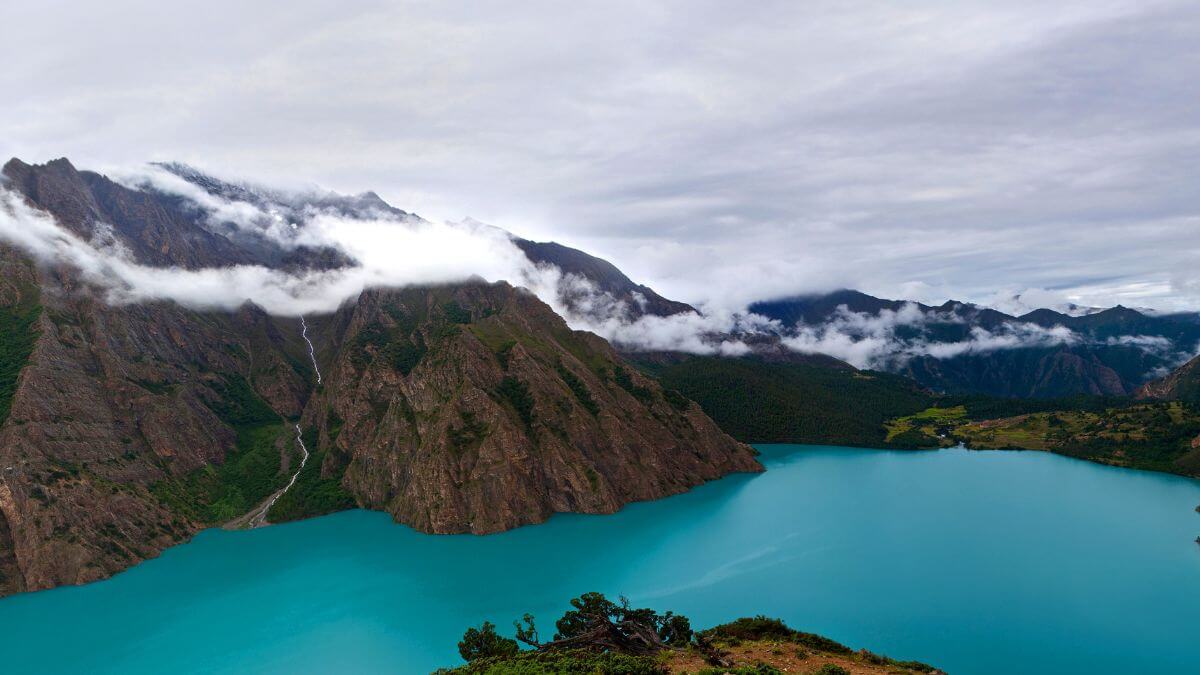
- Phoksundo Lake arguably Nepal's most beautiful lake, a surreal turquoise jewel accessible on the approach to Tarap Valley
- Ringmo Village, the lakeside settlement near Phoksundo, offering a taste of Dolpo culture before entering the deeper valley
- Scenic mountain passes, Num La and Baga La provide panoramic views across the Himalayan range
Surrounding villages, smaller communities throughout the Tarap Valley system offer spontaneous cultural encounters that no guided tour can fully replicate. Every turn feels like something new.
When is the Best Time to Visit Tarap Valley?
The best time to visit Tarap Valley Dolpo is during spring and autumn, when the climate and weather are the most suitable for any given trek in Nepal. Tarap Valley altitude and climate demand careful timing as well.
- Spring (March to May): Ideal, stable weather, clear skies, and wildflowers on lower slopes
- Autumn (September to November): Equally excellent, post-monsoon clarity and comfortable temperatures
- Winter (December to February): Extremely challenging; passes may be blocked by snow and temperatures drop severely; not recommended unless you have significant cold-weather expedition experience
- Monsoon (June to August): Rain is lighter here than in eastern Nepal due to the rain shadow effect, but trail conditions and visibility can still be difficult
For most trekkers, October is the single best month with crisp air, excellent visibility, and post-harvest activity in the villages.
What are the Permits and Travel Requirements for Tarap Valley Trek?
The permits required for the Tarap Valley trek are mainly the RAP permit and the Shey Phoksundo National Park entry permit. Upper Dolpo is a restricted area, so it requires more paperwork than standard Nepal treks.
- Restricted Area Permit (RAP): Required for Upper Dolpo, currently USD 500 per person for the first 10 days, then USD 50 per additional day
- Shey Phoksundo National Park Entry Permit: Mandatory for all trekkers passing through the park
- Licensed guide: Legally required for all trekkers in restricted areas; solo trekking is not permitted
- TIMS card: Trekkers' Information Management System card is also required
- Advanced logistics: Given the remoteness, food, accommodation, and equipment must be planned carefully before departure
This whole process is much easier when you work with a well-known trekking organization like Dolpo Caravan Treks.
What are the Challenges of Visiting Tarap Valley?
Tarap Valley is not a destination to take lightly. Here's what to prepare for:
- High altitude: Sustained time above 4,000 meters requires proper acclimatization to avoid altitude sickness
- Limited infrastructure: There are no luxury lodges, limited medical facilities, and unreliable communication networks
- Remote access: The trek itself is long; reaching the valley takes several days of walking from Juphal
- Weather unpredictability: Conditions can change rapidly at high altitude; proper gear is non-negotiable
- Supply constraints: Food variety is limited; trekkers should carry supplemental snacks and any special dietary items
These challenges are real, but they're also precisely what keeps Tarap Valley as pristine and authentic as it is.
What Makes Tarap Valley the Cultural Heart of Dolpo?
Historically, Dho Tarap served as a key node in trans-Himalayan salt and grain trade routes, connecting Tibetan plateau traders with lowland Nepal. This commercial history gave the valley a cultural richness that purely agricultural or pastoral communities often lack.
Today, that heritage lives on in the valley's strong spiritual identity, its blend of Buddhist and Bon traditions, and its remarkably intact social fabric. Tarap Valley hasn't just survived modernization; it has quietly resisted it, maintaining a balance between isolation and cultural depth that is increasingly rare in a connected world.
Book your Tarap Valley Trek with an experienced trekking agency like Dolpo Caravan Treks for comfort and safety. Contact us today!
Final Thoughts
Tarap Valley Dolpo is not just a trekking spot. It’s a place where nature, culture, and daily life all come together in a very real way.
You might come for the mountains or the famous lake, but what stays with you is the feeling of walking through a place that hasn’t rushed into modern life. Plan your journey into Tarap Valley with Dolpo Caravan Treks. From permits and guides to full itinerary planning, our team brings local expertise and deep respect for Dolpo's communities to every expedition.
Contact us today to start planning your Upper Dolpo Tarap Valley trek.
FAQs
What is Dho Tarap?
Dho Tarap is the main village settlement in Tarap Valley, situated at approximately 4,080 meters above sea level. It is one of the highest permanently inhabited villages in the world and serves as the cultural center of the valley.
How high is Tarap Valley Dolpo?
Tarap Valley altitude ranges from approximately 3,900 meters to 4,300 meters above sea level, placing it firmly in high-altitude Himalayan terrain.
How difficult is the Tarap Valley Dolpo trek?
The Tarap Valley trek is rated moderate to strenuous. It involves high altitude, remote terrain, long daily distances, and high mountain passes, including Num La and Baga La. Good physical fitness and prior trekking experience are strongly recommended.
What is Tarap Valley famous for?
Tarap Valley is famous for its extraordinary cultural preservation, the high-altitude village of Dho Tarap, its coexistence of Tibetan Buddhism and Bon religion, and its remote, trans-Himalayan landscape. It is also known for being one of the most highly inhabited valleys in Nepal.
When is the best time to visit Tarap Valley?
The best time to visit Tarap Valley is during spring (March to May) or autumn (September to November). October is widely considered the optimal month for clear skies, stable weather, and the most rewarding trekking conditions.

Leave Your Comment