
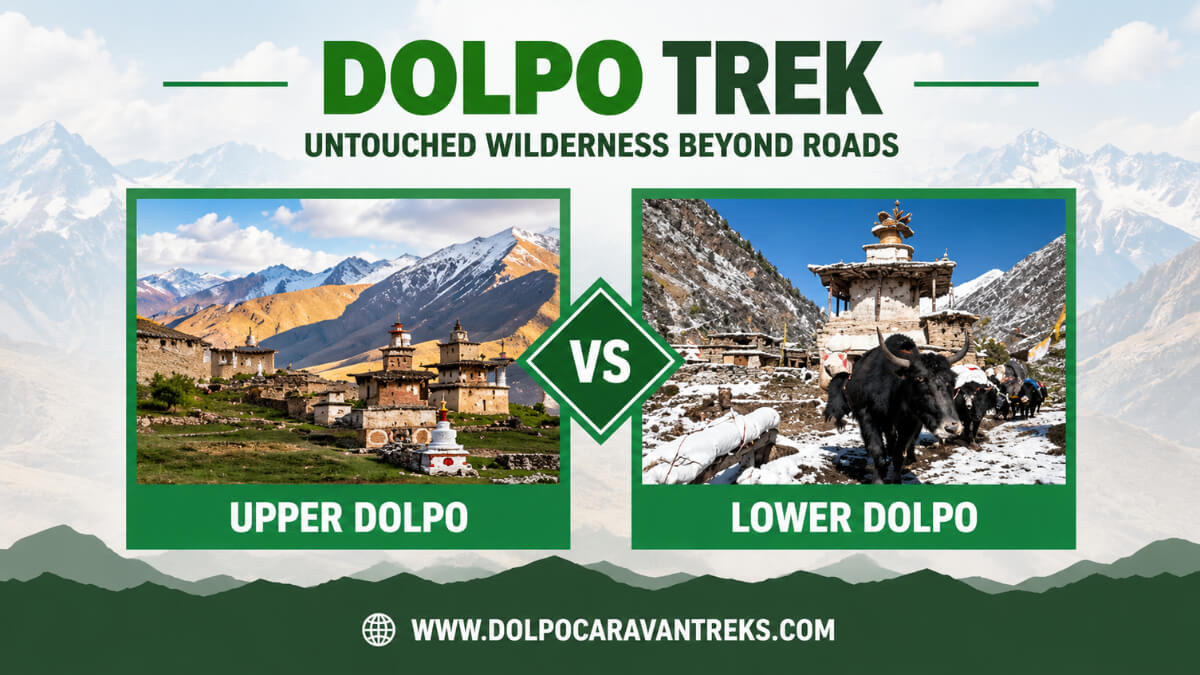
Upper Dolpo vs Lower Dolpo Trek: Which One Should You Choose?
Choosing between the upper dolpo vs lower Dolpo trek is one of the most common planning questions for trekkers heading into western Nepal. Both routes pass through the remote Dolpa District, both require special permits, and both offer a level of isolation that few trekking destinations in the world can match. Yet the two treks are very different in character, difficulty, cost, and what they actually deliver on the trail.
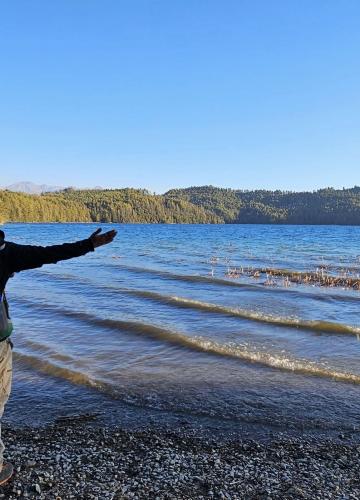
Upper Dolpo pushes deep into restricted Tibetan Plateau territory, a landscape of high passes, ancient Bon monasteries, and villages that feel genuinely cut off from the modern world. Lower Dolpo is more accessible, shorter, and centers on the extraordinary Shey Phoksundo Lake, one of Nepal’s deepest and most beautiful alpine lakes, ringed by pine forest and turquoise water.
This guide compares the Upper Dolpo vs Lower Dolpo trek across every dimension that matters to a trekker: route, difficulty, itinerary, cost, permits, scenery, culture, wildlife, and accommodation. By the end, you should have a clear picture of which option fits your time, budget, and experience level.
Upper Dolpo vs Lower Dolpo Trek Quick Comparison
| Factor | Upper Dolpo | Lower Dolpo |
| Duration | 25 days | 18 days |
| Difficulty | Strenuous | Moderate to Strenuous |
| Max Altitude | ~5,360 m (Kang La Pass) | ~5,190 m (Numa La) |
| Permit Cost | USD 500/10 days (restricted area) / (plus USD 50/day after) | USD 20/week (restricted area) / (plus USD 5/day after) |
| Best For | Experienced expedition trekkers | First-time Dolpo trekkers |
| Crowd Level | Very few trekkers | Low but slightly more than Upper |
| Accommodation | Primarily camping (very limited basic teahouses) | Teahouses with some camping |
| Main Highlight | Shey Gompa, Crystal Mountain | Shey Phoksundo Lake |
| Shey Phoksundo Lake | Yes (included) | Yes (centerpiece) |
Understanding the Upper Dolpo vs Lower Dolpo Trek Differences
Upper and Lower Dolpo refer to distinct geographic and cultural zones within the same Dolpa District of western Nepal. The divide is not just about altitude, it reflects differences in landscape, culture, permit requirements, and the depth of isolation a trekker will experience.
Where is Upper Dolpo?
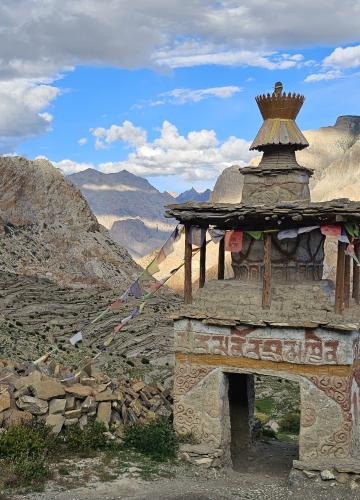
Upper Dolpo occupies the northern section of the Dolpo region, bordering Tibet. The terrain shifts to a high Tibetan plateau landscape, including wide open valleys, semi-arid ridgelines, and mani walls that mark the edge of inhabited Nepal. It is a restricted trekking zone, meaning trekkers require a special Restricted Area Permit (RAP) in addition to national park fees.
Key destinations in Upper Dolpo include Shey Gompa, one of the most sacred spiritual sites in Nepal; the remote village of Saldang; and Crystal Mountain (locally called Ribo Drugta), which pilgrims circuit during certain festival periods. The ancient villages here follow centuries-old traditions largely unchanged by outside influence.
Where is Lower Dolpo?
Lower Dolpo covers the southern portion of Dolpa District and is more accessible from Juphal Airport. It falls within Shey Phoksundo National Park, and trekkers need a restricted area permit. The landscape is greener, with pine forests, river valleys, and the dramatic turquoise waters of Phoksundo Lake as the centerpiece.
Main stops include Ringmo village on the edge of Shey Phoksundo Lake, the valley of Dho Tarap, and the trail along the Suligad River from Dunai. Lower Dolpo is also the entry point for trekkers who later continue into the Upper Dolpo restricted zone on combined itineraries.
Planning your Dolpo adventure? Explore Dolpo Caravan Treks for expertly guided treks, local expertise, and customized itineraries across the remote Dolpo region.
Upper Dolpo vs Lower Dolpo Trek Route Comparison
The routes for both treks share the same starting point, Juphal Airport, and the town of Dunai but diverge significantly from there. Upper Dolpo continues north through restricted territory, while Lower Dolpo loops through the national park before returning via a different trail.
Upper Dolpo Trek Route
The Upper Dolpo Trek itinerary typically spans 25 days and follows a massive circuit through some of the most remote terrain in Nepal. To ensure safe acclimatization, the classic counter-clockwise route heads north from Juphal along the Suligad River directly to the turquoise waters of Phoksundo Lake.
From the lake, the trail tracks north into restricted territory, climbing steeply through high glacial valleys. The crossing of Kang La Pass at approximately 5,360 meters is the physical and psychological crux of the route, dropping trekkers directly into the mystical clearing of Shey Gompa near Crystal Mountain. Beyond the pass, the trail loops east through Saldang village before turning south to cross Jeng La Pass into the wide valley of Dho Tarap. Trekkers then follow the rugged Tarap Khola gorge back down into the tree line to close the loop at Dunai.
Key stops: Juphal → Dunai → Phoksundo Lake → Kang La Pass → Shey Gompa & Crystal Mountain → Saldang → Dho Tarap → Tarap Khola Gorge → Tarakot → Dunai → Juphal.
Lower Dolpo Trek Route
The Lower Dolpo Trek itinerary typically runs 18 days and focuses on the southern sections of Shey Phoksundo National Park. To allow the body to adjust to the high altitude gradually, the itinerary travels counter-clockwise, walking east from Dunai through the historic village of Tarakot and following the Tarap Khola upstream into the high, wide valley of Dho Tarap (4,100m).
The true test of the Lower Dolpo route lies immediately after leaving Dho Tarap, where trekkers must conquer two consecutive high mountain passes: Numa La Pass (5,190m) and Baga La Pass (5,169m). Sweeping ridges lead down from these passes directly into Ringmo village on the shores of Shey Phoksundo Lake. The trek finishes with a scenic descent back down along the Suligad River to Dunai.
Key stops: Juphal → Dunai → Tarakot → Dho Tarap → Numa La Pass → Baga La Pass → Phoksundo Lake (Ringmo) → Suligad River → Dunai → Juphal.
Trek Difficulty and Itinerary Comparison
Upper Dolpo is harder than Lower Dolpo across almost every measure: higher altitude, longer daily stages, more remote terrain, and fewer options for emergency evacuation. That said, both treks require solid fitness and prior high-altitude experience, neither is suitable for beginners.
| Factor | Upper Dolpo | Lower Dolpo |
| Duration | ~25 | ~18 |
| Daily walking hours | 6-9 hours | 5-7 hours |
| Maximum altitude | ~5,360 m (Kang La Pass) | ~5,190 m (Numa La) |
| High passes | Multiple (Kang La and others) | Numa La Pass and Baga La Pass |
| River crossings | Multiple, some technical | Moderate |
| Remote conditions | Extreme, very limited infrastructure | Remote but more accessible |
| Emergency evacuation | Very difficult and slow | Difficult but more manageable |
| Fitness required | High (expedition level) | Good (above average) |
| Prior altitude exp. | Strongly recommended | Helpful but less critical |
The remoteness of Upper Dolpo adds a layer of difficulty beyond pure physical effort. Trail conditions can deteriorate with weather, river crossings after rainfall become genuinely hazardous, and the nearest medical facility is hours away by air. Trekkers with prior Himalayan high-pass experience are far better prepared to handle these conditions.
Ready for Nepal's ultimate wilderness expedition? If the challenge, remote landscapes, and cultural richness of Upper Dolpo appeal to you, explore our detailed Upper Dolpo Trek itinerary, pricing, inclusions, and departure options.
Which Trek Has Better Scenery?
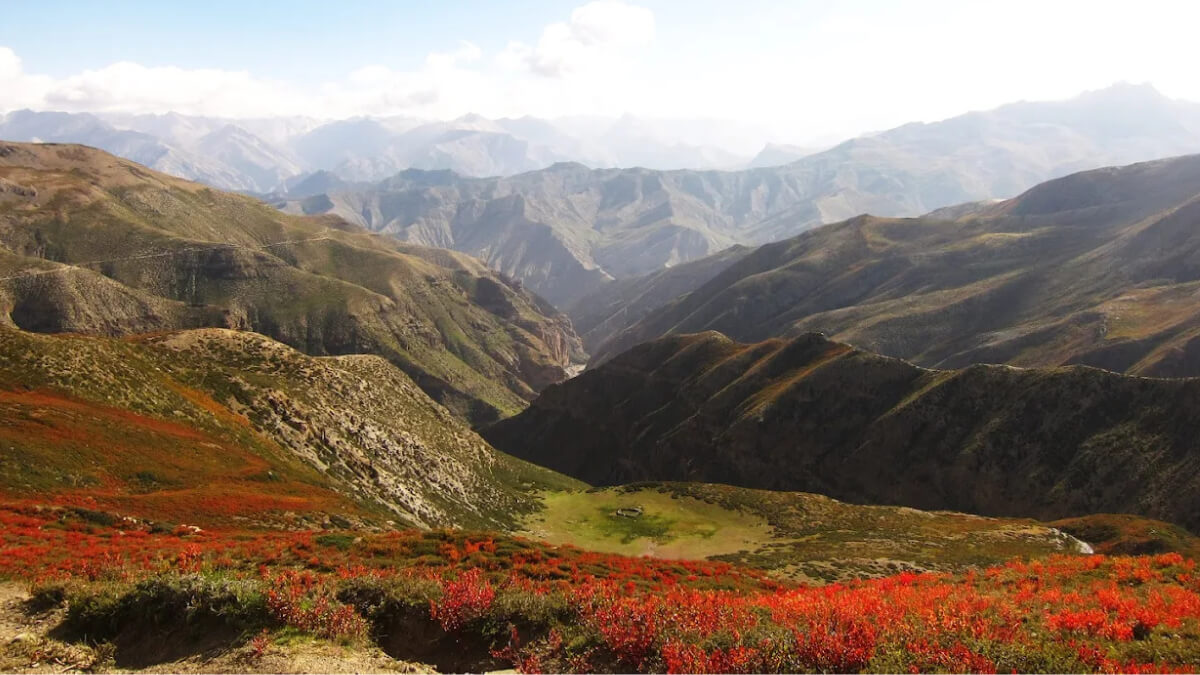
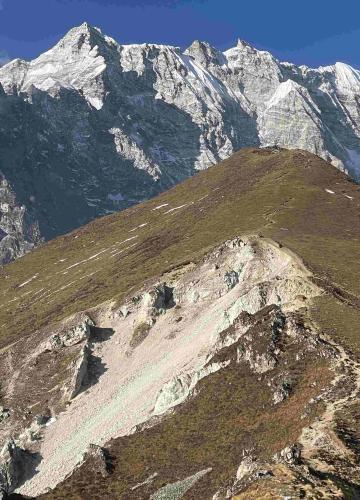
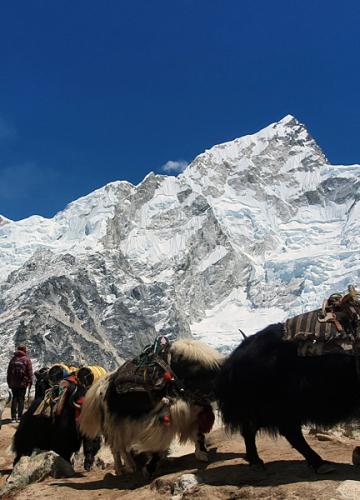
Both treks offer exceptional scenery, but the type of landscape is fundamentally different. Upper Dolpo delivers open plateau panoramas, sacred peaks, and the raw scale of Tibetan-influenced terrain. Lower Dolpo's signature is the extraordinary color and setting of Shey Phoksundo Lake, one of the most photogenic natural sites in Nepal.
| Upper Dolpo Highlights | Lower Dolpo Highlights |
| Tibetan plateau landscapes | Shey Phoksundo Lake (turquoise, Nepal's deepest) |
| Crystal Mountain (Ribo Drugta) pilgrimage circuit | Dramatic waterfalls near Ringmo |
| Shey Gompa, one of Nepal's most ancient monasteries | Dense pine and birch forests |
| Multiple high-altitude passes above 5,000 m | Suligad River gorge |
| Hidden valleys with zero tourist presence | Tarap Valley lower sections |
| Panoramic views toward Tibet | Ringmo village with lake backdrop |
For trekkers who prioritize a single standout landscape feature, Lower Dolpo's Phoksundo Lake is hard to top anywhere in Nepal. For those who want sustained visual drama across weeks of walking, Upper Dolpo's variety, including gorges, passes, plateaus, and sacred peaks, builds into something cumulative and deeply memorable.
Cultural Experience Comparison
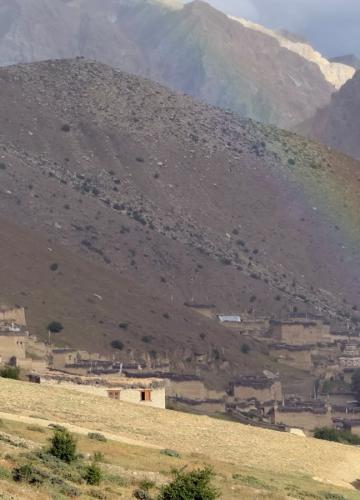
Upper Dolpo offers a more immersive cultural encounter with ancient Tibetan Buddhist and Bon traditions, while Lower Dolpo provides a softer blend of Tibetan and Nepali cultural influences that is easier to engage with as an outsider.
| Aspect | Upper Dolpo | Lower Dolpo |
| Primary religion | Predominantly Tibetan Buddhism alongside Bon | Strong Bon Po communities alongside Tibetan Buddhism |
| Monasteries | Historic Buddhist hubs like Shey Gompa | Central Bon institutions (e.g., in Dho Tarap & Ringmo) |
| Village character | Highly isolated, Tibetan-influenced | Traditional but more connected |
| Cultural interaction | Limited, deep language barrier | Easier and more accustomed to visitors |
| Local festivals | Rare, massive cycles (like the 12-year Shey Festival) | Regular local ceremonies and shamanic Bon rituals |
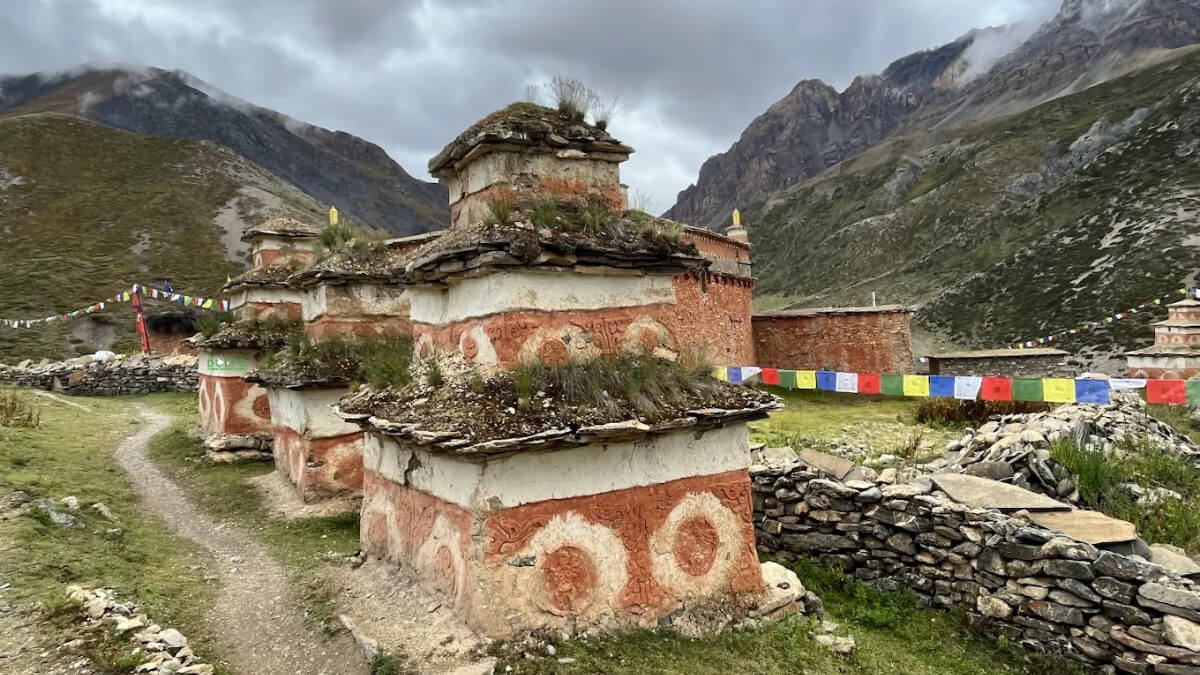
Shey Gompa in Upper Dolpo is particularly significant; it's one of the few functioning Tibetan monasteries remaining in Nepal and an active pilgrimage site for both Bon and Buddhist practitioners. Trekkers arriving here find an atmosphere that no amount of travel writing fully prepares them for. Lower Dolpo's Ringmo village, by contrast, is warmer and easier to connect with, which suits trekkers who prefer cultural exchange to cultural observation.
Upper Dolpo vs Lower Dolpo: Wildlife and Nature
Both treks pass through Shey Phoksundo National Park territory, which is one of the best protected wildlife zones in Nepal. The national park covers nearly 3,555 square kilometers and is home to several endangered or rare Himalayan species.
The snow leopard is the most celebrated resident of Dolpo's high terrain. Sightings are rare but possible on both routes, particularly in winter and early spring when prey species move lower. Blue sheep (bharal) are common in both Upper and Lower Dolpo, often visible in large herds on open hillsides. Himalayan griffon vultures are a constant presence overhead throughout the trek.
Upper Dolpo, given its higher altitude and deeper remoteness, tends to see more wildlife activity simply because fewer people travel through it. The plateau areas around Shey Gompa were historically significant snow leopard habitat, documented extensively in Peter Matthiessen's well-known account of the region. Lower Dolpo offers strong birdwatching around Phoksundo Lake and the river corridors. Both treks provide meaningful wildlife viewing for patient observers.
Upper Dolpo vs Lower Dolpo Permit Requirements
Permit requirements are the sharpest practical difference between the two treks. Upper Dolpo requires a Restricted Area Permit (RAP) that costs significantly more than what Lower Dolpo trekkers pay. Both routes require entry into Shey Phoksundo National Park and travel with a licensed guide.
| Permit / Requirement | Upper Dolpo | Lower Dolpo |
| Restricted Area Permit (RAP) | Required: USD 500 per person (first 10 days), USD 50 per day thereafter | Required: USD 20 per person per week, USD 5 per day thereafter |
| Shey Phoksundo National Park | NPR 3,000 per person | NPR 3,000 per person |
| e-TIMS Card | Included by Agency | Included by Agency |
| Licensed Guide | Mandatory | Mandatory |
| Minimum group size | 1 trekkers (required for RAP) | 1 trekker (guide still mandatory) |
Permit rules in Nepal's restricted areas do update periodically. It is always worth confirming the latest requirements directly with your trekking agency before departure, as fees and conditions can change between seasons.
Trek Itinerary and Cost Comparison
Upper Dolpo costs considerably more than Lower Dolpo, primarily because of the restricted area permit fee. Budget around USD 3,000–5,000 per person for Upper Dolpo and USD 1,500–2,500 per person for Lower Dolpo, depending on group size, season, and standard of service.
| Expense | Upper Dolpo (est. USD) | Lower Dolpo (est. USD) |
| Restricted Area Permit | 500–1,000 (Based on duration) | 20–40 (Based on weeks spent) |
| Shey Phoksundo National Park | ~25 (NPR 3,000) | ~25 (NPR 3,000) |
| TIMS / other permits | Minimal / confirm locally | Minimal / confirm locally |
| Licensed guide (per day) | 40–60 (Requires expedition experience) | 30–45 |
| Porter (per day) | 25–35 | 20–30 |
| Domestic flights (Kathmandu–Nepalgunj–Juphal) | 400–600 | 400–600 |
| Food and accommodation (per day) | 40–70 (Includes camp crew & supplies) | 25–45 (Teahouse / local homestay) |
| Emergency/contingency fund | 200–400 | 150–350 |
| Total estimate (per person) | 3,500–5,500+ | USD 2,000–3,500 |
Group size has a significant impact on per-person cost, particularly for the restricted area permit in Upper Dolpo. Traveling in a group of 4–6 trekkers spreads guide and logistics costs effectively. Solo trekkers on the Upper Dolpo route face the highest per-person expenditure.
Looking for a shorter but equally rewarding Dolpo experience? Our Lower Dolpo Trek package combines breathtaking scenery, authentic culture, and expert local guidance, making it an excellent choice for your first Dolpo adventure.
Accommodation and Food
Accommodation in Dolpo region is basic by international trekking standards, but Lower Dolpo offers more consistent teahouse availability. Upper Dolpo requires camping for significant portions of the route, so agencies typically include full camping equipment and kitchen staff.
Upper Dolpo Accommodation
Teahouses exist in Dho Tarap and a few other settlements, but many nights on the Upper Dolpo route involve camping. The menu at local teahouses is limited, dal bhat, noodle soup, and eggs form the core of what is available. Camping sections typically have better food prepared by a trek cook. Trekkers should expect cold nights, simple sleeping quarters, and no hot showers beyond the occasional heated water bucket.
Lower Dolpo Accommodation
Lower Dolpo has more established teahouse infrastructure, particularly around Ringmo and along the main trail from Dunai. Food options are still limited but slightly broader than the deep Upper Dolpo route. Camping is common near Phoksundo Lake, both for the experience and because overnight capacity in Ringmo is limited. Logistics are more predictable, which makes Lower Dolpo a more manageable first expedition into the region.
Best Time to Trek Upper and Lower Dolpo
Both treks sit in the Himalayan rain shadow, which means the monsoon has less impact here than on most Nepal trekking routes. This makes the Dolpo region one of the few areas in Nepal where summer trekking is realistic, though the shoulder seasons remain the most popular.
| Season | Upper Dolpo | Lower Dolpo |
| Spring (Mar–May) | Good (stable weather, clear views, wildflowers) | Excellent (best overall season) |
| Summer / Monsoon (Jun–Aug) | Possible (rain shadow reduces precipitation) | Possible (wetter trails, vibrant scenery) |
| Autumn (Sep–Nov) | Excellent (best season for Upper Dolpo) | Excellent (clear skies, dry trails) |
| Winter (Dec–Feb) | Not recommended (extreme cold, passes close) | Not recommended (very cold, limited services) |
Autumn is widely considered the best time for Upper Dolpo, combining stable weather, clear mountain views, and firm trail conditions before winter closes the high passes. Spring is better for Lower Dolpo, when the forests are in bloom and temperatures are comfortable. Because Dolpo lies in the Himalayan rain shadow, the region receives far less rainfall during the monsoon than Everest or Annapurna, making it a viable summer destination for experienced trekkers who cannot travel in spring or autumn.
Upper Dolpo vs Lower Dolpo Trek Benefits and Challenges
Understanding the trade-offs of each route helps trekkers set realistic expectations before departure. Both routes have genuine strengths, the differences come down to what a trekker is willing to invest in time, money, and physical effort.
| Upper Dolpo | Lower Dolpo | |
| Benefits | Deepest wilderness, very few trekkers, extraordinary cultural immersion, Crystal Mountain and Shey Gompa, multi-week expedition feel | More affordable, shorter duration, Phoksundo Lake, suitable for first Dolpo visit, more teahouse availability |
| Challenges | High cost (RAP fee), demanding altitude, long duration, limited infrastructure, difficult evacuation | Still remote by most standards, limited trail services, basic accommodation, weather uncertainty |
Which Dolpo Trek is Better for You?
Neither trek is objectively better, they serve different types of trekkers. The right choice depends on your experience, available time, budget, and what kind of experience you are looking for in western Nepal.
| Choose Upper Dolpo if you: | Choose Lower Dolpo if you: |
| Want true wilderness with almost no other trekkers | Are visiting the Dolpo region for the first time |
| Have 3–4 weeks available | Have 2 weeks or less |
| Have a higher budget (USD 3,500–5,500+) | Have a moderate budget (USD 2,000–3,500) |
| Have prior high-altitude and expedition trekking experience | Have general trekking experience but not extensive high-altitude background |
| Want immersive Bon and Tibetan Buddhist cultural encounters | Want outstanding lake scenery as the main highlight |
| Are interested in Crystal Mountain and Shey Gompa specifically | Prefer more reliable teahouse accommodation |
Recommended Read: Upper Dolpo vs Upper Mustang Trek
Why Choose Dolpo Caravan Treks for Your Dolpo Adventure?
Dolpo Caravan Treks is a locally owned and operated trekking agency with deep roots in the Dolpo region. Our team has guided trekkers through both Upper and Lower Dolpo for years, not as a side offering but as a specialty. That distinction matters when you are planning a trek in one of Nepal's most logistically demanding restricted areas.
- Local Guides Who Know the Route: Every Dolpo Caravan Treks itinerary is led by licensed guides who have personally completed the Upper and Lower Dolpo routes multiple times.
- Complete Permit Support: Navigating permit requirements for the Dolpo region, particularly the Restricted Area Permit for Upper Dolpo, requires correct paperwork, accurate timing, and liaison with the right government departments in Kathmandu. We handle the full permit process for every client.
- Customized Itineraries, Not Fixed Packages: Dolpo does not suit a one-size-fits-all approach. We build itineraries around your schedule, fitness level, and goals, then refine them based on the time of year and current trail conditions.
- Transparent Costs, No Hidden Charges: The cost of a Dolpo trek is significant, and trekkers deserve a clear breakdown of what they are paying for.
Final Thought
The upper vs lower Dolpo trek comparison ultimately comes down to four things: budget, time, trekking experience, and personal goals. Upper Dolpo is a genuine remote expedition. It demands more from your body, your budget, and your planning, but it delivers an experience that very few trekkers anywhere in the world ever get close to. The combination of the Tibetan plateau, Bon monasteries, Crystal Mountain, and the sheer isolation of the route is unlike anything else in Nepal.
Lower Dolpo is accessible wilderness. Shey Phoksundo Lake alone justifies the journey, and the cultural character of the region, even in its more accessible southern section, is far removed from the standard Nepal trekking circuit. For a first visit to Dolpo, it is the logical and rewarding starting point.
Still deciding between Upper and Lower Dolpo? Contact Dolpo Caravan Treks team for personalized recommendations, and let our local experts help you plan the perfect trek.
FAQs
Is Upper Dolpo harder than Lower Dolpo?
Yes. Upper Dolpo is more demanding due to higher altitude, longer daily stages, more difficult passes, and greater remoteness. Lower Dolpo is still challenging but manageable for trekkers with solid general fitness and some prior altitude experience.
How many days do you need for Upper Dolpo?
At Dolpo Caravan Treks, the Upper Dolpo Trek itinerary runs 25 days, including travel to and from Juphal by domestic flight. Shorter itineraries risk skipping key sections or rushing through high-altitude terrain.
Can beginners trek Lower Dolpo?
Lower Dolpo is not recommended for complete beginners. It requires reasonable fitness and altitude awareness. Trekkers with prior experience on moderate mountain routes, such as the Annapurna Circuit, are well suited for Lower Dolpo.
Is a guide mandatory on the Dolpo trek?
Yes. A licensed guide is mandatory for both Upper and Lower Dolpo treks. In the Upper Dolpo restricted area, the requirement is enforced at permit checkpoints and cannot be bypassed.
Which trek has better mountain views?
Upper Dolpo offers more panoramic mountain and plateau views, including Crystal Mountain and high-altitude passes with views toward Tibet. Lower Dolpo's scenery centers on Phoksundo Lake and forest landscapes rather than open mountain panoramas.
Which Dolpo trek has fewer tourists?
Upper Dolpo receives fewer visitors due to the high permit cost and logistical demands. Both treks see far fewer trekkers than Nepal's main routes, but Upper Dolpo is effectively one of the least-visited trekking destinations in the country.
What wildlife can I see on the Upper and Lower Dolpo trek?
Both treks pass through snow leopard habitat within Shey Phoksundo National Park. Blue sheep, Himalayan griffon vultures, and various high-altitude birds are regularly seen. Snow leopard sightings are rare but possible, particularly in Upper Dolpo's plateau regions.
Can I visit Shey Phoksundo Lake on both treks?
Yes. Phoksundo Lake is a key stop on the Lower Dolpo route and is also included in Upper Dolpo itineraries.
Which trek has better accommodation?
Lower Dolpo has more consistent teahouse availability throughout the route. Upper Dolpo relies heavily on camping for much of its duration. If teahouse accommodation is important to you, Lower Dolpo is the better option.

Leave Your Comment