
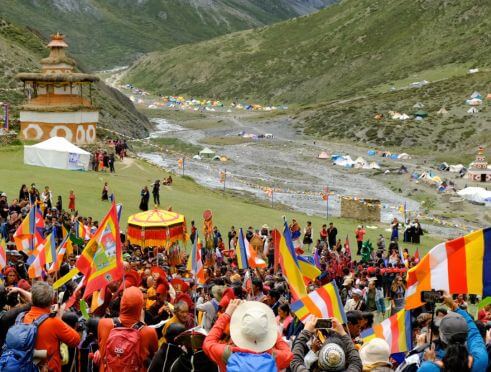
How Hard Is the Lower Dolpo Trek?
Lower Dolpo Trek is not your typical Nepal trek. No cozy teahouse at every corner, no well-marked trail with crowds ahead of you, and no mobile signal to check in with home. Lower Dolpo is raw, remote, and genuinely tough even for experienced trekkers who have completed routes like Everest Base Camp or the Annapurna Circuit.
If you're researching Lower Dolpo trek difficulty, you probably already sense it's not a casual Himalayan walk. And you're right. The high passes, camping-only stretches, unpredictable weather, and sheer isolation place this trek in a different league entirely.
But that's also what makes it unforgettable. This guide gives you the honest breakdown of altitude, terrain, fitness requirements, gear, and seasonal conditions so you can make a clear, informed decision about whether you're truly ready for one of Nepal's greatest wilderness adventures.
Thinking about the Lower Dolpo Trek? Learn what it really takes and see if you’re ready for one of Nepal’s toughest adventures with Dolpo Caravan Trek.
Lower Dolpo Trek Snapshot
- Difficulty: Strenuous (one of Nepal’s toughest treks)
- Duration: 17–20 days
- Distance: 180–200 km
- Highest Point: Numa La Pass (5,310m)
- Altitude Challenge: Long days above 4,000m
- Accommodation: Mostly camping, very basic facilities
- Fitness Level: High endurance and strong mental strength required
- Best Time: Spring (March–May) and Autumn (Sept–Nov)
Lower Dolpo Trek Difficulty Overview
So how difficult is the Lower Dolpo trek, really? Short answer: strenuous. Most agencies classify it in the hardest trekking category, sitting alongside routes like Manaslu Circuit and Upper Dolpo.
It's not just one thing that makes it hard. It's the combination of high altitude, long walking days, isolated terrain, limited support, and camping in cold conditions all at once.
What makes it hard:
- Crossing two major passes above 5,000m
- Multiple consecutive days above 4,000m
- Very few facilities along the route
- Long trekking days averaging 6–8 hours on rough trails
The Lower Dolpo trek for beginners is not recommended. If this is your first high-altitude experience, start with Langtang or the Annapurna Circuit first. Not sure if you’re ready for the Lower Dolpo Trek? Keep reading to understand the altitude, challenges, and preparation you’ll need to succeed.
Lower Dolpo Trek Altitude and Acclimatization
The Lower Dolpo trek's altitude and difficulty center on two major passes:
- Numa La Pass: 5,310m
- Baga La Pass: 5,175m
- Most of the trek sits between 3,500 m and 4,500 m.
At 5,300m, you're breathing roughly 50% less oxygen than at sea level. Every step feels heavier. Headaches, fatigue, and shortness of breath are normal. Serious conditions like HACE or HAPE are rare but possible if you push too fast.
How to Acclimatize Safely During the Lower Dolpo Trek
Acclimatization isn't optional here; it's survival. The altitude gains are significant, and rushing is the number one mistake trekkers make in Dolpo. Most well-planned itineraries build in rest days. Use them.
- Climb high, sleep low: gain no more than 300–500m of sleeping altitude per day above 3,000m
- Take rest days seriously; don't treat them as wasted time
- Stay hydrated: 2–3 liters daily minimum
- Carry Diamox if your doctor recommends it
- Never ignore symptoms; descend if needed
The trekkers who struggle most are the ones who feel fine early and push too hard. Listen to your body.
Seasonal and Weather-Related Difficulty Factors
Timing is everything in Lower Dolpo; the season you choose directly shapes your trail conditions, pass accessibility, and overall safety.
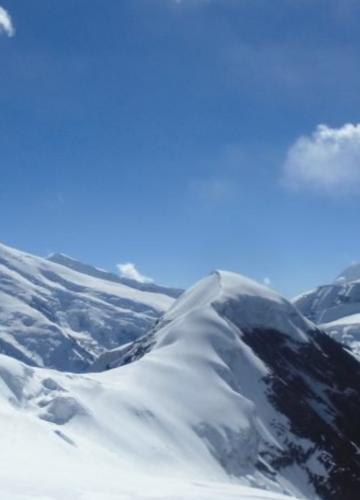
- Spring Season (March–May): One of the best times for the Lower Dolpo trek. Weather is stable, trails are accessible, and snow on the passes is manageable with crampons.
- Autumn Season (Sept–Nov): Arguably the best time for the Lower Dolpo trek. Post-monsoon skies are crystal clear. October is the sweet spot: dry days, cold nights, and excellent visibility on the high passes.
- Monsoon and Winter Challenges: Dolpo sits in a rain shadow, so monsoon (June–August) is drier than most of Nepal, but trails are muddier and rivers run higher. Winter (December–February) is harsh, with temperatures dropping to -20°C, not recommended without serious cold-weather experience.
Spring and autumn are your safest bets. Monsoon demands extra caution, and winter is for seasoned expeditioners only.
Practical Challenges on the Lower Dolpo Trek
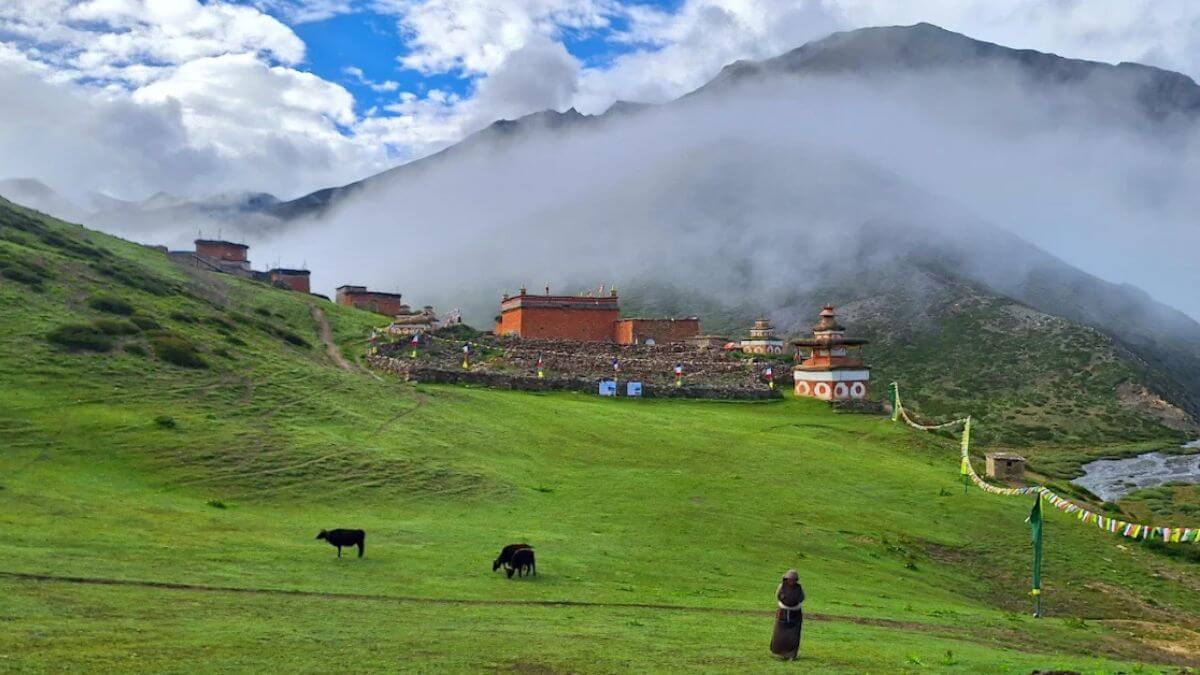
Lower Dolpo is not a trek you stumble into unprepared. From its extreme remoteness to its punishing high passes, every aspect of this journey demands careful planning, physical readiness, and the right support team.
Remote and Isolated Region
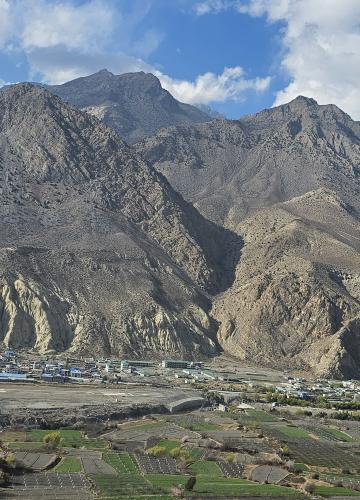
You're days from the nearest proper town with no mobile network, no ATM, and no pharmacy. If something goes wrong, helicopter evacuation is the main emergency option requiring both good weather and solid travel insurance with high-altitude coverage.
High Pass Crossings
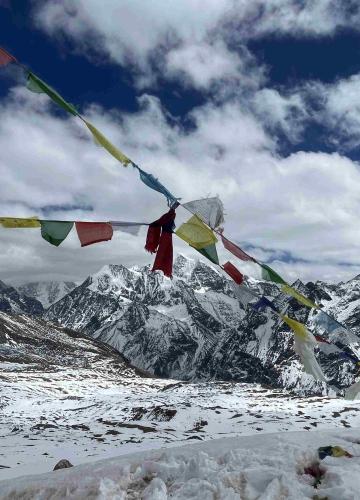
Numa La and Baga La are the defining Lower Dolpo trek challenges physically. Both involve steep, sustained climbs on rocky terrain. Descents are equally brutal on the knees. Trekking poles are non-negotiable.
Accessibility and Facilities
Getting here is an adventure in itself. Most routes involve a flight to Juphal, which is regularly delayed by weather. No paved paths, no signboards, minimal foot traffic.
Accommodation and Food Conditions
- Limited Teahouses and Lodges: Teahouses exist in some villages but are basic and unreliable. Don't expect private rooms or hot showers.
- Food and Water Supply: Dal bhat is your staple. Bring energy snacks, electrolytes, and water purification system tablets or a filter.
- Camping-Based Trekking: Most itineraries are camping-based. Your team carries tents, gear, and food. Porter support is essential.
- Carrying Essentials: Even with porters, you carry a daypack – warm layers, rain gear, first-aid basics, and personal snacks.
Permits Required to Access Lower Dolpo
Lower Dolpo is a restricted area. You'll need:
- Restricted Area Permit (RAP): Around $10/day for Lower Dolpo
- Shey Phoksundo National Park Entry Permit: ~NPR 3,000
- TIMS Card: (if applicable based on current regulations)
Permits must be arranged through a registered trekking agency. Solo trekking is not permitted.
Physical Fitness and Training Requirements for Lower Dolpo Trek
Lower Dolpo demands real fitness, not just enthusiasm. Build your body well before departure, or the trail will humble you fast.
- Stamina Requirements: Strong cardiovascular fitness is essential. Start training 3–4 months before departure with daily 60–90 minute hikes or runs with an incline focus.
- Strength and Endurance: Leg strength matters on steep pass climbs. Add squats, lunges, and weighted hikes. Knee stability exercises help with the long descents.
- Mental Strength: Underrated but critical. Days will be hard, weather can turn, and your body will feel beat up. Mental resilience matters as much as physical fitness here.
Consistent training before you go is what gets you through; motivation alone won't cut it on these passes.
Lower Dolpo Trek Distance and Duration
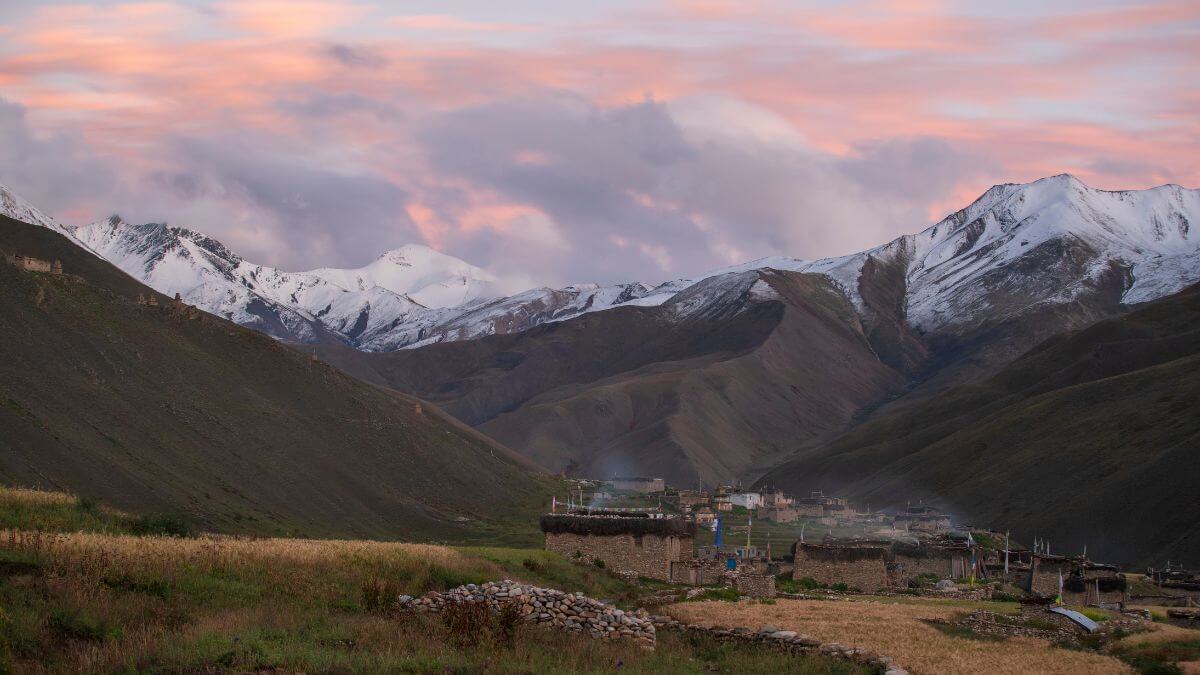
At 180–200 km over 17–20 days, this trek is as much about time and altitude as it is about distance.
- Daily Walking Distance: Expect 10–15 km per day on average.
- Why It Feels Longer Than It Is: On flat ground, 12 km is a 2–3 hour walk. At 4,500 m on a rocky trail with a pack, that same 12 km can take 6–7 hours. Plan by time, not distance.
In Dolpo, distance is deceptive; always plan your days around hours on trail, not kilometers on a map.
Comparing Lower Dolpo Trek Difficulty with Other Treks
Understanding where Lower Dolpo sits among other Dolpo treks helps you choose the right challenge for your experience level and timeframe. Here's how it compares:
| Trek | Difficulty | Max Altitude | Duration | Starting Price |
| Lower Dolpo Trek | Moderate to Demanding | 5,200 m | 18 days | USD 2,800 |
| Jumla Kagmara Dho Tarap Trek | Strenuous | 5,200 m+ | 25 days | USD 3,150 |
| Upper Dolpo Trek | Extreme | 5,500 m+ | 25 days | USD 3,900 |
| Mugu Dolpo Trek via GHT | Extreme | 5,500 m+ | 27 days | USD 4,500 |
Lower Dolpo is the ideal entry point into the Dolpo wilderness, demanding enough to be a true Himalayan adventure, yet achievable for fit trekkers without extreme expedition experience. If you're ready to step up from mainstream routes, this is where Dolpo begins.
Why Lower Dolpo's Difficulty Is Worth It
Here's the thing. Everything that makes Lower Dolpo hard is also what makes it unforgettable. You'll trek through the ancient Bon Buddhist culture – one of the oldest spiritual traditions in the world, barely touched by modern tourism. You'll cross passes with panoramic views that most trekkers never see. You'll spend nights under Himalayan skies far from light pollution. You won't be in a queue.
The Lower Dolpo trek challenges you in ways that comfort-zone treks don't. And that's exactly the point for many people who choose it.
Final Thoughts
The Lower Dolpo trek's difficulty is real; don't underestimate it. This isn't a trek you show up to with moderate fitness and a casual attitude. The high passes, remote trails, camping nights, and unpredictable weather will test you physically and mentally in ways that most popular Himalayan treks simply won't. But if you prepare well, train seriously, choose a reputable local agency, go in the right season, and respect the altitude, it is absolutely doable for fit and experienced trekkers.
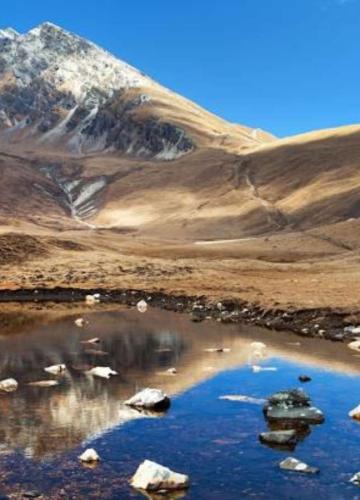
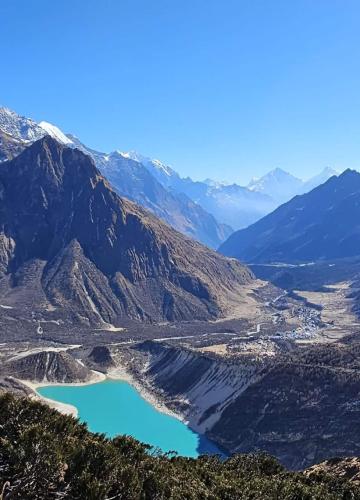
What awaits on the other side is something rare. The ancient culture, the yak caravans on century-old trade routes, the turquoise waters of Phoksundo Lake, and the raw Himalayan landscape combine to create an experience that feels truly untouched by time. Lower Dolpo is the kind of trek that stays with you long after you're back home. That alone makes the difficulty worth taking on.
Planning the Lower Dolpo Trek? Contact us today for expert guidance and a safe, well-planned journey into one of Nepal’s most remote regions.
FAQs
How many days does the Lower Dolpo trek take?
Typically 17–20 days, depending on the route and starting point (usually Juphal).
What is the highest altitude in the Lower Dolpo trek?
Numa La Pass at 5,310m is the highest point, followed by Baga La Pass at 5,175m.
Do you need prior trekking experience for Lower Dolpo?
Yes. Prior high-altitude trekking experience is strongly recommended. Not suitable for first-time trekkers.
Is the Lower Dolpo trek dangerous?
It carries real risks: altitude sickness, remote terrain, unpredictable weather, and limited emergency access. With proper preparation and good insurance, these risks are manageable.
What permits are required for the Lower Dolpo trek?
A Restricted Area Permit, Shey Phoksundo National Park Entry Permit, and TIMS card. All arranged through a registered trekking agency.
What kind of accommodation is available in Lower Dolpo?
Mostly camping. Some villages have basic teahouses but can't be relied on. Most trekking packages include full camping support.
Is the Lower Dolpo trek worth the difficulty?
For prepared trekkers seeking a genuine wilderness experience, yes, absolutely. The culture, scenery, and solitude are unlike anything else in Nepal.

Leave Your Comment