
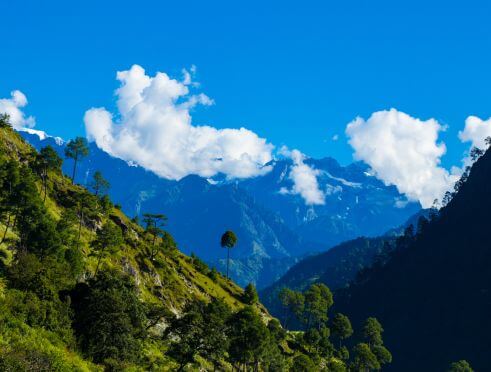
Limi to Api Saipal Base Camp Trek | Complete Route Guide
The Limi to Api Saipal Base Camp Trek is one of Nepal’s most remote and rewarding long-distance journeys, connecting the high-altitude Limi Valley to the base camps of two isolated 7,000 m peaks in far-west Nepal. This Api Saipal Base Camp trek from Limi Valley is one of the most remote routes in Nepal. The Limi to Api Saipal trek distance and duration typically range from 200 to 250 km over 20 to 28 days.
This trek is built for experienced trekkers who want raw Himalayan wilderness, Tibetan-influenced culture, and landscapes untouched by commercial tourism. This is one of the most remote treks in far-west Nepal.
Most trekkers have never heard of Api or Saipal, and even fewer have stood at the base of both in a single journey. This is not a trek you stumble into. It is one you plan for, train for, and earn. From ancient villages to high mountain passes and a rare inter-peak wilderness traverse. This guide walks you through every stage of the route and also works as a Limi Valley trekking guide in Nepal, helping you prepare for one of Nepal’s least explored and most powerful trekking experiences.
Planning this remote trek and not sure where to start? Talk to our experts for a clear route plan, permit guidance, and honest advice before you commit.
Limi to Api Saipal Trek at a Glance (Quick Facts You Should Know)
- Duration: 20–28 days (including travel and buffer days)
- Distance: Approx. 200–250 km across remote far-west Nepal
- Difficulty: Difficult to extreme — long days above 4,000m and high passes over 4,800m
- Max Altitude: ~4,800m (Api Base Camp) and up to ~4,900m (Saipal Base Camp)
- Trek Type: Mixed — tea houses until Jang, then full camping for 15+ days
- Route Highlights: Limi Valley villages, high mountain passes, Api & Saipal Base Camps
- Best Time: Spring (March–May) and Autumn (September–November)
- Permits Required: Restricted Area Permit (Humla) + Api Nampa Conservation Area permit
- Guide Requirement: Licensed guide is mandatory
- Why This Trek: One of the most remote and least-explored two-peak base camp treks in Nepal
Api and Saipal: Understanding the Two Peaks and Their Base Camps
A common misconception worth addressing immediately: Api and Saipal are not a single mountain. The term "Api Saipal" refers to the Api Nampa Conservation Area, the administrative region in Nepal's far west that encompasses both peaks. Understanding the distinction is essential before planning this trek.
Api stands at 7,132 m in the Darchula District of Sudurpashchim Province, making it Nepal's westernmost 7,000 m peak. It was first summited by a Japanese expedition in 1960. Api Base Camp sits at approximately 4,800 m and is approached from the northwest, through the high passes above Limi Valley. The approach terrain is characterized by glacial moraine, loose scree, and dramatic views of Api's northwest face.
Saipal, at 7,031 m, is a distinct massif located southeast of Api within the same conservation area. First climbed in 1963, Saipal Base Camp sits between approximately 4,600m and 4,900m and sees dramatically fewer visitors than Api Base Camp. The north-face views from Saipal Base Camp are among the most isolated mountain panoramas in Nepal, the kind that exist beyond the reach of conventional trekking circuits.
What makes this particular trek so rare is that it connects both base camps within a single itinerary. The inter-peak traverse between Api Base Camp and Saipal Base Camp is the most remote and least documented section of the entire route, a wilderness crossing that few trekkers have ever completed and even fewer have written about.
This is not a route found in mainstream guidebooks. It demands genuine wilderness competence, a licensed guide with route-specific knowledge, and full self-sufficiency for extended periods.
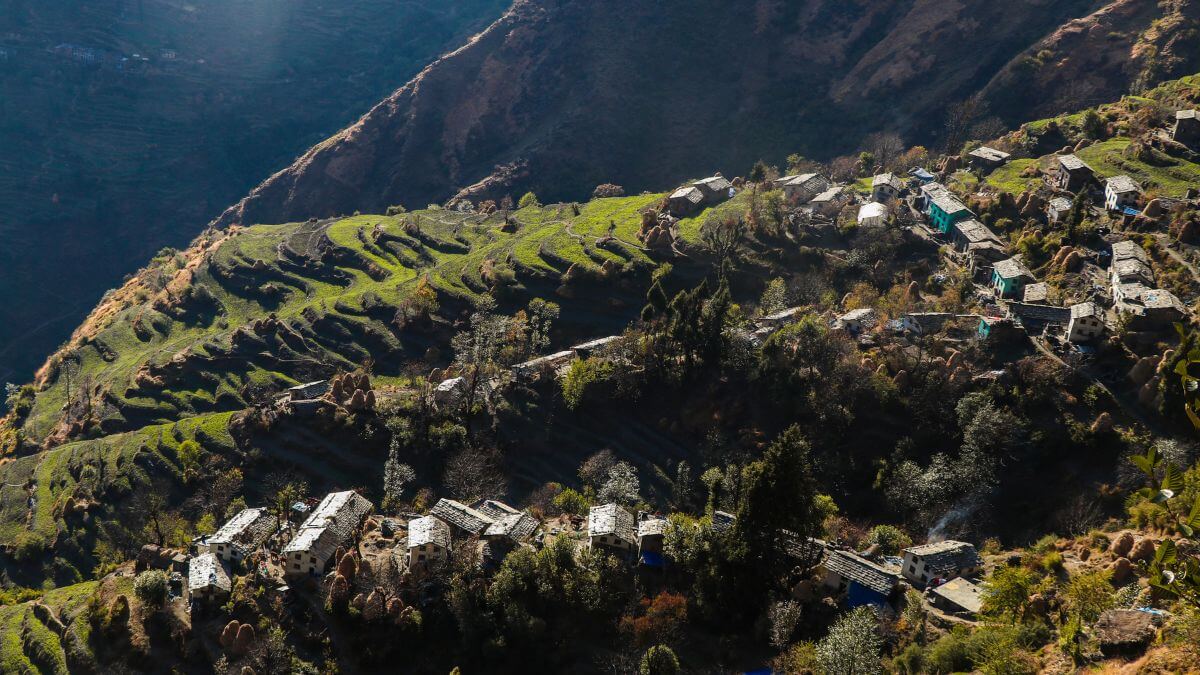
Full Route Overview: Limi Valley to Api and Saipal Base Camps
This Limi Valley to Api Saipal trek route, also known as the Humla to Api Saipal trekking route, follows three main phases, each with its own character, challenge level, and logistical demands.
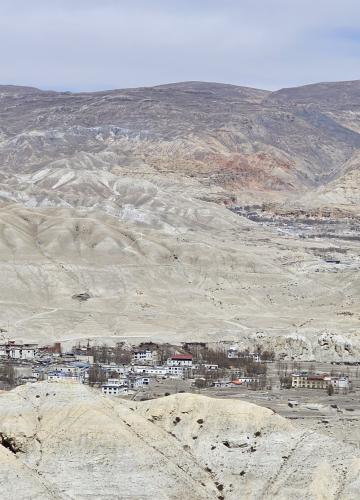
Phase 1: The Limi Valley Approach: Beginning in Simikot (the district headquarters of Humla), the route follows the Karnali River valley before climbing into the Limi Valley. The three ancient Tibetan villages of Til, Halji, and Jang mark this section, the last outpost of human infrastructure before the high wilderness begins. This phase covers roughly 5 to 7 days from Simikot and introduces trekkers to elevations between 2,500m and 3,800m.
Phase 2: High Passes and Api Base Camp: Beyond Jang, the route becomes fully self-supported. A series of high passes above 4,800m separate Limi Valley from the Api Base Camp zone. This section demands technical route-finding, sustained altitude exposure, and physical endurance. The total distance from Limi Valley to Api Base Camp is approximately 6 to 8 days of trekking.
Phase 3: Inter-Peak Traverse to Saipal Base Camp and Exit: The connecting traverse from Api Base Camp to Saipal Base Camp is the defining section of this itinerary, remote, barely documented, and requiring absolute reliance on guide knowledge. After exploring Saipal Base Camp, the exit descends toward the Darchula district, connecting to Dhangadhi by road or flight for return to Kathmandu.
The total route distance is approximately 200 to 240 km depending on the exact start point and exit variant chosen. The full journey spans three administrative districts: Humla, the Api Nampa Conservation Area corridor, and Darchula, crossing one of the most geographically and logistically complex trekking corridors in Nepal.
This trek is complex to plan: permits, logistics, and route knowledge matter. So, a detailed Limi to Api Saipal Base Camp trek map can help you understand the route more clearly, especially for the remote inter-peak section.
Plan your journey with Dolpo Caravan Treks so you can focus on the experience, not the stress.
Limi to Api Saipal Base Camp Trek Itinerary (Day-by-Day Guide)
This Api Saipal trekking itinerary in Nepal covers the complete route from Kathmandu to both base camps and return. All distances and altitudes are approximate, and individual trekking pace will affect the day count. Two buffer days are included for weather disruption, mountain airstrip delays are common in both Humla and Darchula.
| Days | Location / Stage | Altitude | Distance | Notes |
| 1–2 | Kathmandu → Nepalgunj → Simikot | 2,910m | Flight | Permit processing; acclimatise in Simikot |
| 3 | Simikot → Yalbang | 2,560m | ~18 km | Descend along Karnali River; first trail day |
| 4 | Yalbang → Muchu | 3,050m | ~16 km | Gradual ascent; enter Humla district interior |
| 5 | Muchu → Til (Limi Valley entry) | 3,700m | ~14 km | First Limi Valley village: Tibetan culture begins |
| 6 | Til → Halji | 3,670m | ~9 km | Visit Rinchenling Monastery: short but rich day |
| 7–8 | Halji → Jang (rest day) | 3,820 m | ~12 km | Last tea house village, final resupply point, rest |
| 9–10 | Jang → High Pass approach camps | 4,400m+ | ~15 km/day | Camping begins in technical terrain with route-finding |
| 11–12 | High passes (4,800m+) | 4,800m+ | ~12 km/day | Most demanding days; glacier views; scree and loose rock |
| 13 | Descend toward Api Base Camp zone | 4,500m | ~10 km | First views of Api (7,132m) northwest face |
| 14–15 | Api Base Camp (~4,800m) | 4,800m | Arrive / rest | Glacial moraine camp; acclimatise; blue sheep common |
| 16–18 | Api BC → Saipal Base Camp traverse | 4,600–4,900m | ~12–15 km/day | Rarest section; inter-peak wilderness traverse; guide essential |
| 19–20 | Saipal Base Camp: rest & explore | 4,600–4,900 m | Rest | Saipal (7,031m) north face views; glacial alpine terrain |
| 21–22 | Saipal BC → Darchula district descent | 3,200 m | ~18 km/day | Exit trail; first villages; road access approaching |
| 23–24 | Darchula → Dhangadhi (road/fly) | 700m | Drive/fly | End of trek; connect to Kathmandu via Dhangadhi |
| 25–26 | Buffer days | - | - | Weather contingency; flight delays from mountain airstrips |
Api Base Camp vs Saipal Base Camp: What to Expect at Each
When you stand at these two base camps, it feels like choosing between two different worlds in one journey. One gives you a raw Himalayan experience with some guidance, while the other throws you into true wilderness where nature makes the rules.
| Key Aspect | Api Base Camp | Saipal Base Camp |
| Overall Experience | Wild but slightly explored | Pure wilderness |
| Access Route | Reached from Limi Valley via high mountain passes | Reached only after crossing from Api via a remote traverse |
| First Impression | Rugged, rocky, and raw Himalayan terrain | Quiet, open, and deeply isolated alpine landscape |
| Terrain Type | Glacial moraine (loose rocks, debris, uneven ground) | Mixed terrain (meadows, ridges, rivers, glacier zones) |
| Difficulty Level | Physically demanding but more predictable | More complex and route-finding required |
| Camping Conditions | Limited flat space, but manageable with planning | Highly exposed, fewer safe camping spots |
| Wildlife Encounters | Chance to see blue sheep (bharal) and vultures | Rare due to extreme remoteness |
| Wind & Exposure | Cold but relatively stable | Strong winds and harsh exposure are common |
| Remoteness | Remote, yet slightly more visited | One of the least visited base camps in Nepal |
| Photography Moments | Golden sunrise on Api’s northwest face | Magical sunset glow on Saipal’s north face |
Best Time to Trek from Limi Valley to Api and Saipal Base Camps
Season selection on this route carries more consequence than on a standard Nepali trek. The inter-peak traverse between Api and Saipal base camps has a notably narrower viable weather window than the Limi Valley approach, and high pass closures, whether from snow or flood, can render the entire route impassable with no alternative.
Spring (March to May): Best Overall Season
Spring is the preferred season for most trekkers
- Weather systems are relatively stable
- Skies are clear
- Daytime temperatures at base camp level are manageable
- High passes at 4,800m are typically clear by late April
- Limi Valley looks alive with wildflowers below 4,000 m.
This season gives you the best balance: beauty + safety.
Autumn (September to November): Best for Clear Views
Autumn is the best season for mountain visibility and photography.
- Post-monsoon clarity produces the best mountain visibility of the year
- Rivers crossing become safer to cross as water levels stabilize
- Dry trails with better walking conditions
- October is often considered the perfect month for this route
If you want those “wow” mountain views, this is your time.
Monsoon (June to August): Not Recommended
This season brings serious risks and challenges.
- Heavy rain makes trails slippery and unstable
- High passes become dangerous from snow and rain
- River crossings flood, and leeches are prevalent in lower sections
- Poor visibility due to clouds and fog
Trekking now is like walking into trouble; it's best to avoid it.
Winter (December to February): Not Viable
Winter shuts down this route completely.
- Heavy snowfall blocks access to both base camps
- Temperatures at Api and Saipal Base Camps can fall to -25°C
- High passes become impassable
- Extreme cold increases risk of frostbite and exposure
The mountains go silent, and trekking becomes impossible.
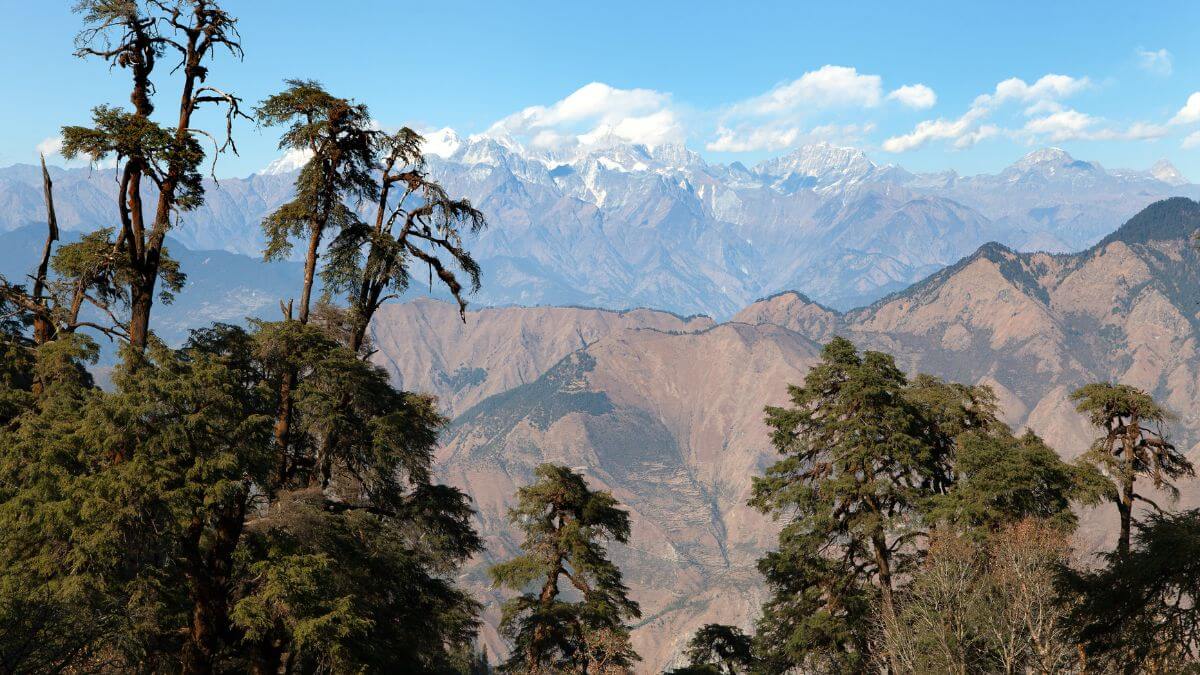
Permits Required for This Trek
This route passes through a restricted area and a protected conservation zone, requiring multiple permits obtained in advance. Processing in Kathmandu is strongly recommended over attempting to obtain permits in Simikot, where availability and processing times are unreliable.
| Permit | Approx. Cost | Notes |
| Restricted Area Permit (Humla) | USD 50/week | Solo Trekking is allowed but with licensed guide |
| Api Nampa Conservation Area | USD 15–23 | Covers both Api and Saipal zones |
| TIMS Card | USD 20 | Required for trekkers |
| Licensed Guide | USD 30–50/day | Legally mandatory for RAP zones |
The Restricted Area Permit (RAP) for Humla must be accompanied by a licensed Nepali guide. Note that permit fees and regulations are subject to change; confirm current requirements with the Department of Immigration in Kathmandu or a registered trekking agency before departure.
Accommodation and Food: What to Expect Across the Full Route
Accommodation on this trek clearly splits into two phases, and everything changes after Jang. Up to this point, you get basic village support, but beyond it, the trail turns fully remote. In simple words, you move from simple comfort to complete self-reliance.
Limi Valley (Simikot to Jang): Basic Tea House Experience
- Basic tea houses operate in the main villages: Yalbang, Muchu, Til, Halji, and Jang
- Expect simple dormitory-style lodging with shared spaces
- Limited menu options, meals are basic and repetitive
- Dal bhat is the staple food throughout the route
- Tibetan bread (tingmo) and butter tea are available in Limi Valley villages
- Standards are basic but functional, enough to rest and recover
- Hot showers are not available
Beyond Jang to Darchula Exit: Full Camping Phase (15–18 Days)
- Full camping for the remainder of the trek, approximately 15 to 18 days
- No infrastructure, no resupply point, and no emergency accommodation
- Entire journey becomes self-supported until reaching Darchula exit
- All camping equipment, food, fuel, and medical supplies must be carried from Simikot
Up to Jang, the trek offers basic comfort and local support. Beyond it, the journey becomes a true expedition with no safety net. If you prepare well, this shift turns from a challenge into one of the most rewarding parts of the entire trek.
Why Choose Dolpo Caravan Treks for Limi to Api Saipal Base Camp Trek
Choosing the right team for this trek is not optional; it’s critical. The route from Limi Valley to Api and Saipal Base Camps is remote, technical, and rarely documented. You need a team that doesn’t just guide but understands every step of this journey from experience.
Here’s what you get with Dolpo Caravan Treks:
- Real far-west Nepal experts: We specialize in remote regions like Humla and Darchula. Our team understands the terrain, weather patterns, and route challenges better than most operators.
- Route-specific experienced guides: You trek with licensed guides who have hands-on experience in high-altitude crossings and remote wilderness routes like Api-Saipal.
- Strong logistics management: From permits to transport to remote camping setup, every detail is handled so you don’t have to stress.
- No hidden costs, clear pricing: You know exactly what you are paying for, no surprises during or after the trek.
- Complete expedition support: Full camping setup, meals, staff, and gear logistics are managed for the entire journey.
- Safety-first approach: Proper acclimatization planning, emergency protocols, and real-time decision-making keep you safe in unpredictable terrain.
- Flexible itinerary options: We adjust the trek based on your pace, experience, and weather conditions when needed.
- Trusted by serious trekkers: Trekkers who choose remote routes trust us for reliability, honesty, and deep regional knowledge.
With the right team, this trek becomes more than just possible: it becomes smooth, safe, and deeply rewarding. Without it, even small mistakes can turn into big problems in such a remote environment.
Final Thoughts: Why This Trek Stands Apart
The Limi to Api and Saipal Base Camp Trek is one of the most rare and untouched journeys in the Himalayas. It may not be the highest or most technical, but the chance to stand at the base of two isolated 7,000m peaks in a single trip makes it truly special. With deep cultural roots, raw landscapes, and almost no crowds, this trek feels like stepping into a part of Nepal that still lives off the map. It is truly an off-the-beaten-path trek in Nepal.
At the same time, this is not a casual adventure. It demands strong preparation, careful planning, and real endurance over long remote days. But for those who are ready, the reward is simple: a journey few have done, in a place few have seen. This far-west Nepal trekking itinerary is rarely explored by most trekkers. When you reach that point, this trek is not just a trip; it becomes a story you carry for life.
Planning this trek? Contact us for a custom itinerary, permit assistance, and licensed guide booking for the Limi to Api and Saipal Base Camp route.
FAQs
How difficult is the Limi to Api Saipal Base Camp trek?
This trek is graded difficult, with long days above 4,000m, high passes over 4,800m, and more than two weeks of remote camping. It also includes a technical and rarely documented traverse between Api and Saipal base camps.
Do I need a guide for this trek?
Yes, a licensed guide is mandatory due to restricted permits, unclear trails, and complex terrain. Going without one is unsafe and not allowed.
What is the best time for the Api Saipal trek?
The best seasons are spring (March–May) and autumn (September–November). October is often the ideal month for clear views and stable conditions.
How long is the Limi to Api Saipal Base Camp Trek?
The full journey takes about 22-28 days, including travel from and back to Kathmandu. The trekking part alone is around 20-24 days, with buffer days recommended.
Is the Api Saipal base camp trek safe?
It is safe only for experienced trekkers with proper gear, insurance, and a guide. There are no rescue services between Jang and the Darchula exit, so preparation is key.
What is the altitude of Api Saipal Base Camp?
Api Base Camp sits at around 4,800m, while Saipal Base Camp ranges between 4,600m and 4,900m. Both involve extended time at high altitude and crossing high passes.
Can beginners do this trek?
No, this trek is not for beginners and requires prior high-altitude and camping experience. It’s best to first complete easier treks before attempting this route.
Is this trek harder than Everest Base Camp?
Yes, this trek is much harder than Everest Base Camp. It involves remote trails, high passes above 4,800m, and long self-supported camping sections. In simple terms, Everest Base Camp is a trek, but this is a full expedition.
Do I need prior camping experience?
Yes, prior camping experience is strongly recommended. You will spend many days without tea houses or support, so you must be comfortable with tents and basic conditions. If you have only done tea house treks, it’s better to gain some camping experience first.

Leave Your Comment