
How Expensive is Lower Dolpo Trek in 2026? Lower Dolpo Trek Cost Guide
Planning a trek to one of Nepal's last untouched corners shouldn't mean guessing at your budget. Lower Dolpo sits behind restricted-area rules, remote flight connections, and camping-only logistics, and that combination confuses even experienced trekkers who've budgeted for Everest or Annapurna before. Get the numbers wrong, and you either overpay an agency padding its margins or underbudget and get stuck negotiating for a helicopter evacuation you can't afford.
The good news: the Lower Dolpo trek cost in 2026 follows a predictable structure once you break it into permits, flights, guide and porter fees, food, camping, and insurance. This guide walks through every line item so you know exactly where your money goes before you commit to a Lower Dolpo Trek itinerary.
| Quick Answer The Lower Dolpo trek cost in 2026 typically runs between $2,800 and $4,200 per person for a 15-to-20-day guided camping trek from Kathmandu and up to $5,000 for smaller groups or higher-comfort packages. This covers domestic flights to Juphal via Nepalgunj, the Restricted Area Permit, Shey Phoksundo National Park entry, a licensed guide, porter or mule support, camping gear, meals on the trail, and two hotel nights in Kathmandu. Solo travelers and small groups of two to three people pay more per head since permit and staffing costs get split across fewer trekkers. |
Lower Dolpo Trek Cost Breakdown 2026
Here's roughly how the Lower dolpo trek cost in 2026 is split for a typical 15–20-day package from Kathmandu, assuming a group of four to six trekkers.
| Expense | Estimated Cost |
| Restricted Area Permit (RAP) (Lower Dolpo) | $20 first week + ~$5/day after |
| Shey Phoksundo National Park Permit | ~NPR 3,000 (~$20) | SAARC nationals: NPR 1,500 (~$10) |
| Kathmandu–Nepalgunj–Juphal Flights (Round Trip) | $350–$700 |
| Licensed Guide | $300–$900 |
| Porter or Mule Support | $250–$450 |
| Camping, Meals & Support Crew | $600–$1,000 |
| Travel Insurance | $100–$150 |
| Gear Rental | $50–$200 |
| Estimated Total Cost | $2,800–$4,200 per person |
Solo trekkers or pairs should expect the upper end of this range, sometimes exceeding $4,500–$5,000, because fixed costs like the guide fee and flight logistics aren't spread across as many people.
What Determines Lower Dolpo Trek Cost in 2026
Six factors influence the Lower Dolpo trek cost in 2026 and determine whether your total budget falls at the lower or higher end:
♦ Group size. Guide, porter, and permit-processing fees get divided among the group, so a party of eight pays less per person than a party of two.
♦ Trek duration. Longer routes through Dho Tarap and Tarap Valley add camping days, food, and staff wages.
♦ Season. Spring (March–May) and autumn (September–November) carry premium flight and staffing rates because demand is highest.
♦ Flight reliability. Nepalgunj–Juphal flights are weather-dependent; delays can add unplanned hotel nights and rebooking fees.
♦ Agency type. Local Nepal-based operators generally charge less than international resellers marking up the same ground services.
♦ Comfort level. Better tents, a private guide, or additional support staff raise the daily rate above the budget-camping baseline.
Planning your Lower Dolpo adventure? Explore expertly crafted trekking packages with Dolpo Caravan Treks and get transparent pricing from a trusted local operator.
Lower Dolpo Permit Cost: RAP and National Park Fees
The Lower Dolpo permit cost ranges between $60 and $90 per person, including the Restricted Area Permit and Shey Phoksundo National Park permit.
Restricted Area Permit (RAP). Lower Dolpo sits inside a government-designated restricted zone, so the Department of Immigration in Kathmandu issues this permit only through a registered trekking agency. The standard rate is $20 per person for the first week, with an additional daily charge after that. Budget roughly $5 per extra day for a trek running past seven days on restricted terrain.
Shey Phoksundo National Park Entry Permit. Since the route runs through Dolpa District, including Shey Phoksundo National Park, home to Phoksundo Lake and the trail toward Shey Gompa, a separate park entry fee applies, currently around NPR 3,000 (about $20) per person. SAARC nationals pay a reduced NPR 1,500 (about $10).
Example: A trekker on a 15-20 day Lower Dolpo itinerary with roughly 10 days inside the restricted zone would pay the base $20 RAP fee, plus about $15 to $20 in daily extensions and the flat $20 park fee, bringing total permit costs to somewhere around $60 to $90 per person. Your agency bundles these into the package price and handles the paperwork with the Department of National Parks and Wildlife Conservation.
One rule has stayed constant across policy reviews: independent trekking isn't permitted, but solo trekking with a licensed guide is permitted in Lower Dolpo. You need a licensed trekking guide and a registered Nepali agency to process your permits, regardless of how experienced a hiker you are. So confirm current requirements with your agency before booking flights.
Want a package that already includes permits, guides, flights, and camping logistics? Explore our Lower Dolpo Trek package and find the itinerary that fits your budget.
Guide and Porter Fees
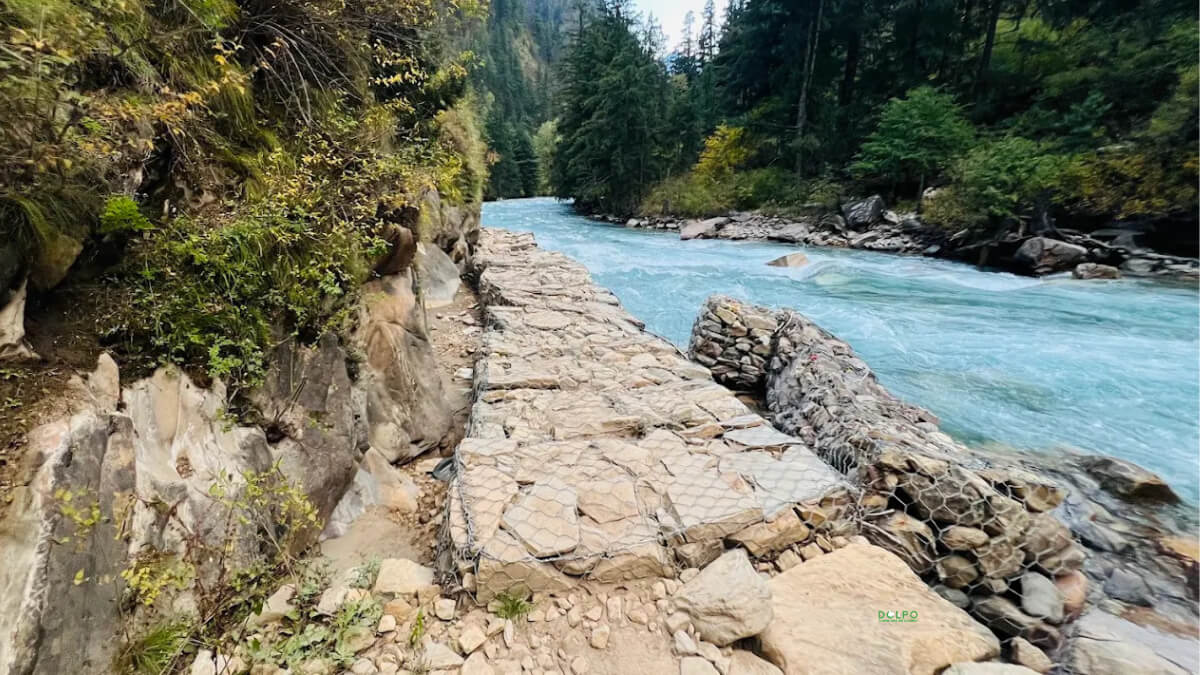
A licensed guide isn't optional in Lower Dolpo; it's a permit requirement, and honestly, it's also what keeps the trip safe on a route with limited cell signal and limited emergency medical facilities and delayed rescue access due to the remoteness of the region. Expect to pay $300–$900 for a guide across a two-week trek, a figure that scales with the guide's experience and language skills.
Porters or pack mules move tents, kitchen equipment, and food since there are no teahouses to resupply from along the way. Porter costs typically run $150–$500 per trekker on a shared basis. Groups sometimes save money by combining porter loads, but the remoteness of the region means you can't cut this cost entirely; the camping equipment and supplies must still be transported by porters or pack animals.
Flights: Kathmandu, Nepalgunj, and Juphal
Getting to the trailhead itself is a real budget line, not a footnote. The standard route to Dolpo is a flight from Kathmandu to Nepalgunj, an overnight stop, then a short hop from Nepalgunj to Juphal the next morning. Round-trip flights typically cost $350–$700 per person, and this is one of the more volatile numbers in your budget. Mountain airstrips such as Juphal are highly weather-dependent, and flight cancellations can force costly rebookings or extra hotel nights in Nepalgunj.
Real-world example: A trekker flying in during peak October season should build in a one-day buffer before and after the Juphal flights. Agencies that have run Dolpo trips for years typically pad the itinerary with this buffer already, which is one reason a "cheap" quote with zero flex days can end up costing more if weather forces a rebooking.
Accommodation and Food: Why Dolpo Is a Camping Trek
Unlike Everest Base Camp or Annapurna Circuit, Lower Dolpo has almost no teahouse infrastructure (there are a few simple lodges in villages such as Ringmo and Dho Tarap, but camping remains the standard for most organized expeditions). Your trekking team pitches camp each night, and a cook crew prepares meals using supplies carried in by porters or mules. This is baked into your package price rather than paid separately, which is part of why full-board Dolpo packages cost more upfront than teahouse-based treks of similar length.
Camping also means your comfort level depends heavily on your agency's equipment quality. Ask specifically about tent condition, kitchen hygiene standards, and how many support staff are assigned per trekker; a crew that's stretched too thin across a large group is a common source of a rough Dolpo experience.
Travel Insurance and Helicopter Evacuation Coverage
Nepal requires foreign trekkers to carry travel insurance, and Dolpo's remoteness makes this far more than a formality. There are no large hospitals in the district, and if something goes wrong at altitude, such as with altitude sickness, injury, or illness, a helicopter evacuation is often the only realistic option to reach proper medical care.
A solid policy covering high-altitude trekking above 5,000 meters plus helicopter evacuation typically costs $100–$180 for the duration of the trip. Two passes on the standard Lower Dolpo route, Numa La (5,309m) and Baga La (5,169m), sit well above that altitude threshold, so double-check your policy explicitly covers trekking at those elevations rather than a generic travel plan that caps out lower.
Note: Because Dolpo is in the far-western, remote corner of Nepal, a helicopter evacuation back to Nepalgunj or Kathmandu carries a massive flight distance surcharge. A single rescue flight here typically costs between $4,000 and $9,000 USD (compared to $3,000–$8,000 in the Everest region).
Hidden and Easy-to-Miss Costs
A few Lower Dolpo trek expenses catch first-time Dolpo trekkers off guard because they don't show up on the headline "trek cost" quote:
♦ Tips for guides and porters: expected but rarely included in the base package.
♦ Extra nights in Kathmandu or Nepalgunj caused by flight delays.
♦ Rescue or evacuation costs beyond your insurance cap, if your policy has a low ceiling.
♦ Gear rental for items like a proper sleeping bag or down jacket if you don't already own trek-rated gear.
♦ Visa fees on arrival in Nepal, separate from any trekking permit.
How to Reduce Lower Dolpo Trek Cost
Although the Lower Dolpo Trek is one of Nepal's more expensive trekking routes, you can reduce your overall expenses with smart planning. Here are some practical ways to keep your Lower Dolpo trek price in 2026 within your budget without compromising the experience:
♦ Join a group departure instead of booking a private trip, shared guide and porter costs bring the per-person price down significantly.
♦ Book directly with a Nepal-based trekking company rather than an international reseller, since local agencies skip the middleman markup.
♦ Travel in the shoulder season just before or after peak months for slightly lower flight and staffing rates while keeping reasonable weather.
♦ Rent gear in Kathmandu instead of buying new equipment for a one-time trek.
♦ Bring your own snacks and basic supplies from Kathmandu, where prices run far lower than at remote camps.
♦ Plan ahead, early booking gives your agency more room to secure better flight rates and permit processing slots.
Travel with local experts who know Dolpo inside out. Meet our experienced trekking team and see why trekkers trust us for safe and authentic Himalayan adventures.
Lower Dolpo vs. Upper Dolpo Trek Cost
Trekkers often compare the two routes before deciding which fits their budget and timeline.
| Factor | Lower Dolpo | Upper Dolpo |
| Typical duration | 15–20 days | 22–27 days |
| Typical cost per person | $2,800–$4,200 | $3,800–$6,500+ |
| Restricted Area Permit | $20/week + ~$5/day after | $500 for the first 10 days, $50/day after |
| Highlights | Phoksundo Lake, Ringmo, Kang La Pass | Shey Gompa, Saldang, Tarap Valley |
| Best suited for | Shorter, still-remote experience | Extended high-altitude, bigger budget |
Compared with Upper Dolpo, the Lower Dolpo trek cost in 2026 is significantly lower while still offering an authentic remote Himalayan trekking experience.
"If your schedule or budget can't stretch to three-plus weeks, Lower Dolpo delivers the core Dolpo experience, including Phoksundo Lake, Tibetan Buddhist villages, and high mountain passes, at roughly half the cost and time of the full Upper Dolpo circuit."
Common Mistakes That Inflate Lower Dolpo Trek Cost
Many trekkers end up spending more than expected because of poor planning or incorrect assumptions about the trek. Avoiding these common mistakes can help you stay within your budget and prevent unnecessary expenses during your Lower Dolpo adventure.
♦ Booking through a chain of resellers instead of the ground operator, adding unnecessary markup at every step.
♦ Skipping or underinsuring travel insurance, then facing a five-figure evacuation bill if something goes wrong.
♦ Ignoring flight buffer days, which turns a weather delay into an expensive scramble for extra Kathmandu or Nepalgunj nights.
♦ Traveling solo without checking current group-size rules, which can mean paying a premium to secure a permit alone.
♦ Assuming Dolpo works like a teahouse trek and underbudgeting for the camping-based food and accommodation model.
Choose Dolpo Caravan Treks for Lower Dolpo Trek
Booking Lower Dolpo through a local, experienced operator makes the difference between a smooth trek and a stressful one. Here's what sets Dolpo Caravan Treks apart:
♦ Licensed guides experienced specifically on the Lower Dolpo route
♦ Permits (RAP + Shey Phoksundo National Park) handled correctly, start to finish
♦ Skilled camping crews for a smooth, well-run tented trek
♦ Transparent, all-inclusive pricing with no hidden fees
♦ Flexible group and private trip options
♦ Direct local booking, no international reseller markup
Recommended Read: Nepal Wellness Tourism Dolpo
Final Thoughts on Lower Dolpo Trek Cost in 2026
Budgeting for Lower Dolpo comes down to six line items that determine the cost of trekking Lower Dolpo: permits, flights, guide and porter fees, camping and food, insurance, and gear. Once you have real numbers for each, the "how expensive is it?" question turns into a straightforward $2,800–$4,200 per-person range for a standard group departure, with solo travelers and premium comfort levels pushing toward $5,000.
The trek costs more than Nepal's classic teahouse routes, but for Phoksundo Lake, Tibetan Buddhist villages that see a few hundred visitors a year instead of tens of thousands, and mountain passes most trekkers never reach, it's a fair trade. Book through a registered Nepal-based agency, confirm what's included before you commit, and you'll walk into Lower Dolpo with a budget that actually holds.
Still have questions about your Lower Dolpo trek budget or itinerary? Contact Dolpo Caravan team today for a personalized quotation and expert trekking advice.
FAQs
How much does Lower Dolpo trek cost in 2026?
In 2026, Lower Dolpo trek costs for 15–20 day packages from Kathmandu run $2,800–$4,200 per person, with smaller groups and higher-comfort options pushing toward $5,000.
Do I need a guide for Lower Dolpo Trek?
Yes. A licensed trekking guide is a legal requirement for the Restricted Area Permit, not just a safety recommendation.
Is Lower Dolpo a camping trek or a teahouse trek?
Lower Dolpo is primarily a camping trek, although a few villages now offer basic lodge accommodation. Most organized expeditions still rely on camping for logistical reliability.
How long is the Lower Dolpo trek?
Most itineraries run 15–20 days from Kathmandu, including flight days to and from Juphal.
Is travel insurance mandatory for the Lower Dolpo trek?
Yes. Nepal requires foreign trekkers to carry travel insurance, and for Dolpo it should specifically cover high-altitude trekking and helicopter evacuation.
What's the highest point on the Lower Dolpo trek?
Numa La Pass (5,309m) and Baga La Pass (5,169m) are the trek's high points, both well above the altitude threshold most standard travel policies exclude.
What's the cheapest way to trek Lower Dolpo?
Join a group departure with a Nepal-based agency, travel in shoulder season, and rent gear locally instead of buying new equipment.
Does the Lower Dolpo trek cost include flights from my home country?
No. All figures here cover in-Nepal costs only, international flights to Kathmandu are a separate expense.
Are there ATMs or places to spend money along the route?
No. Once you leave Juphal, there's no reliable access to banking services, so carry any personal cash you'll need in advance.

Leave Your Comment