
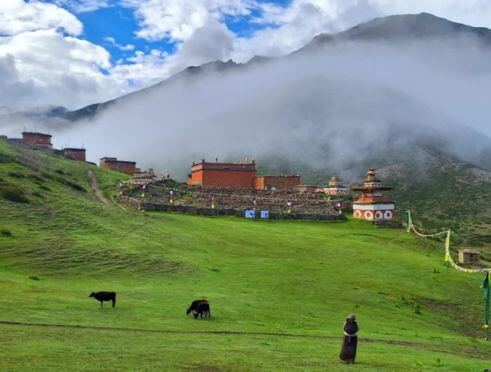
Upper Dolpo Trek in Spring: What to Expect
If you have ever dreamed of walking through one of the most remote and untouched corners of the Himalayas, the Upper Dolpo trek in spring might just be the experience of a lifetime. Tucked away in the far northwest of Nepal, Upper Dolpo sits behind towering mountain passes, ancient monasteries, and vast high-altitude deserts that look like they belong on another planet. When spring arrives between March and May, this wild land transforms into something truly extraordinary.
But what exactly should you expect? Is it the right season for you? Let's break it all down in a simple, honest way so you can plan your adventure with confidence.
At a Glance: Upper Dolpo Trek in Spring
- Best Time: March to May offers stable weather, clear skies, and safer trails.
- Temperature: Expect mild days (10°C to 18°C) but freezing nights (down to -10°C).
- Conditions: April is the "sweet spot" for views; March is snowy/quiet, and May is warmest.
- Difficulty: High; involves 6 - 8 hours of daily hiking and crossing passes over 5,000m.
- Highlights: Remote Himalayan scenery, blooming wildflowers, and deep cultural immersion.
Why Upper Dolpo Trek in Spring is the Best Choice?
Out of all the trekking seasons in Nepal, spring stands out as the most well-rounded option for this region. Here is why so many adventure lovers choose this time of year.
Balanced Weather for High-altitude Trekking
Spring hits the sweet spot between the bitter cold of winter and the heavy rains of the monsoon. During March, April, and May, the weather is neither too harsh nor too humid. You will get cool, crisp mornings and comfortable afternoons, ideal for long days of walking at high altitudes. The air feels fresh, the skies are mostly clear, and the overall climate works in your favor.
Clear Skies and Better Mountain Visibility
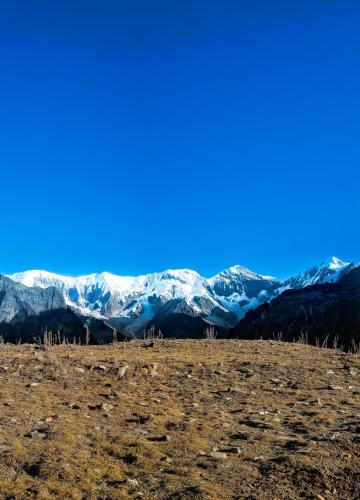
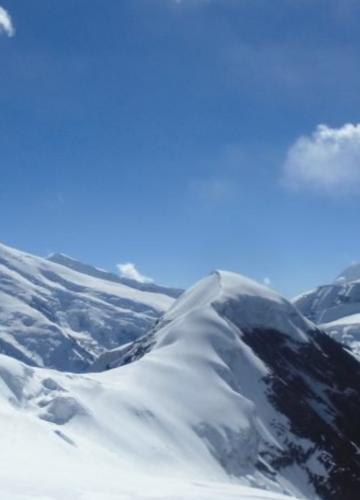
One of the biggest draws of this season is the visibility. The air before the monsoon is relatively dust-free, especially in April and May, giving you sweeping views of some of Nepal's most dramatic mountain landscapes. Peaks like Kanjiroba Himal and the vast valleys of Dolpo look stunning against a crisp blue sky.
Safer Trail Conditions Compared to Other Seasons
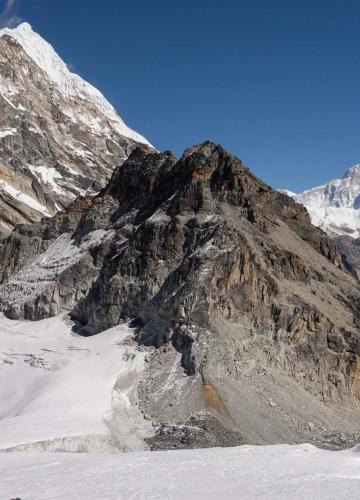
Winter in Upper Dolpo is brutal. Many high passes above 5,000 meters stay buried under deep snow and become dangerous. In spring, those same passes gradually clear up, making the trail conditions much safer. You are far less likely to get stuck or turned back compared to attempting the trek in late autumn or winter.
Fewer Trekkers and Peaceful Trails
Upper Dolpo is not a crowded destination; it is one of Nepal’s restricted trekking regions. But even by Dolpo standards, spring sees fewer visitors than places like Everest or Annapurna. If you want to feel like a true explorer, walking quiet trails with nothing but the sound of the wind, this is your season.
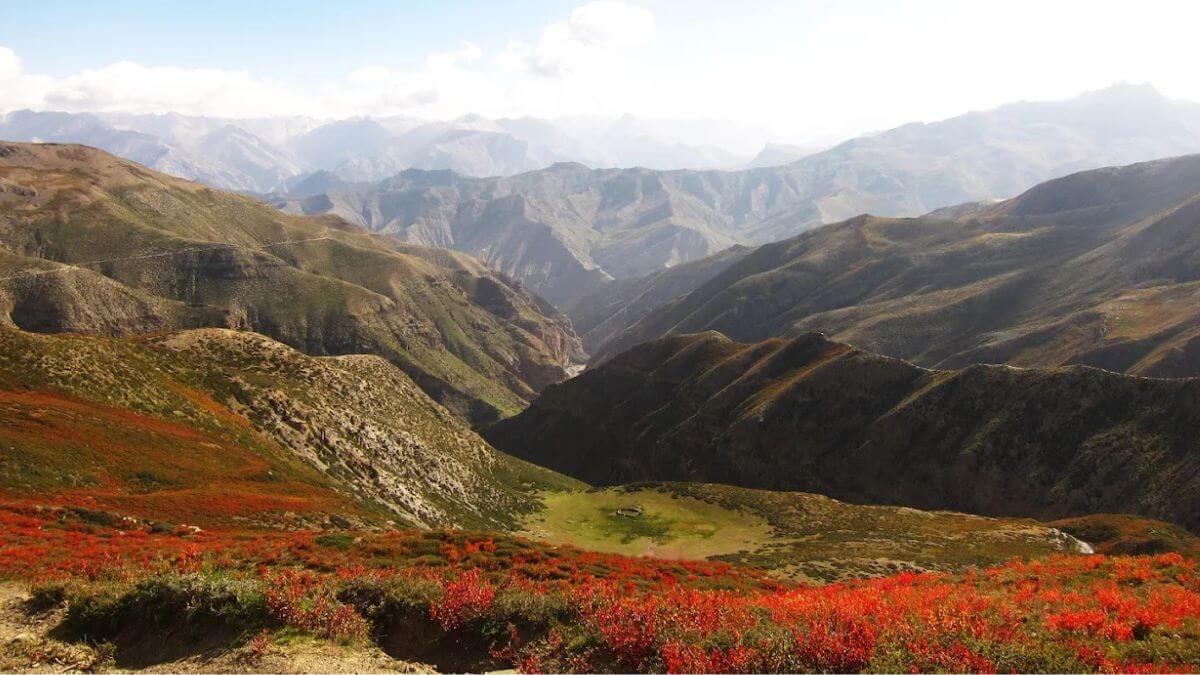
What is the Weather Like in Upper Dolpo During Spring?
Understanding the Upper Dolpo spring weather is key to packing right and setting realistic expectations.
- Daytime temperatures: In the lower valleys, temperatures sit between 10°C and 18°C. As you climb, it gets colder, but it is rarely unbearable during the day. You will likely walk in a light fleece or mid-layer most of the time.
- Night temperatures: Don’t let the pleasant days fool you. Nights are seriously cold. At higher elevations, temperatures can drop well below 0°C, sometimes reaching –10°C in March. A quality sleeping bag rated for -15°C is essential.
- Altitude variations: The region covers a huge range, from 3,000 meters to over 5,000 meters. Lower areas feel sheltered and warm, while the upper zones can feel like a different world with stronger winds and sudden temperature drops.
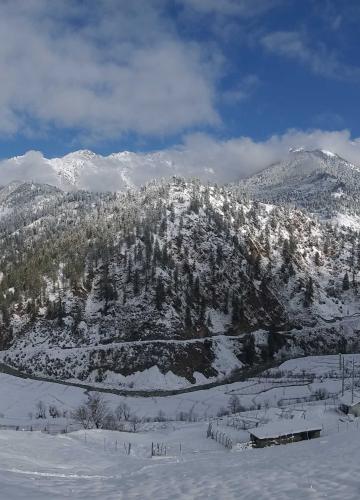
- Early spring snow: In March and early April, high passes may still have snow from winter. While trails are generally passable with a good guide, be ready for snowy stretches on passes like Numa La (5,190m).
- Dry air and wind: Spring is a dry season, which is great for visibility. However, this also brings strong afternoon winds. It is often smart to finish your day’s trek before these winds pick up.
Why is Spring the Best Season to Trek Upper Dolpo?
When you look at the practical factors, it is easy to see why spring is the best season to trek Upper Dolpo.
- Optimal pass crossings: The high passes are the main challenge here. Spring provides the golden window when these passes are either fully open or progressively clearing, making the crossing manageable.
- Accessible terrain: As March moves into April and May, the winter snow melts away. By mid-April, most trails are in excellent condition, firm and easy to follow without needing professional mountaineering gear.
- Longer daylight hours: By May, you get up to 14 hours of light. This gives you more time to cover ground safely, take photos, and reach camp without rushing.
- Active wildlife: This is a great time to spot blue sheep (bharal), vultures, and maybe even snow leopard tracks. The landscape is waking up, and small wildflowers begin to bloom in the lower valleys.
Monthly Breakdown: March to May
Trekking in Upper Dolpo in the spring season feels a bit different depending on which month you choose.
Upper Dolpo Trek in March
March is the start of the season, but it comes with some trade-offs.
- Conditions: It is still quite cold, especially at night. You might face snow on upper trails, and some passes could still be difficult to cross.
- Experience: It is the quietest month. If you want total solitude, March is it. However, it is suitable for experienced trekkers who are used to thin air and cold weather.
Upper Dolpo Trek in April
Many consider the Upper Dolpo trek in April to be the perfect choice.
- Conditions: The extreme winter cold has eased. Days are warm enough for comfortable walking, and the weather is very stable.
- Views: This month usually offers the clearest skies and the best mountain views of the year. It is the safest and most rewarding choice for most people.
Upper Dolpo Trek in May
The Upper Dolpo trek in May extends the season with warmer weather.
- Conditions: Most snow has melted, even at high elevations. It is a good choice if you prefer milder temperatures.
- Visibility: While the trails are easy to navigate, pre-monsoon moisture can create a light haze in lower valleys. However, views at the highest points remain excellent.
What Makes Spring Scenery in Upper Dolpo Unique?
The scenery here is unlike anything else in the trekking world. Because of its remote and off-the-beaten-path location, the trail is preserved. This makes the journey feel authentic and real, where crowds of trekkers have not disrupted the natural beauty of the trail.
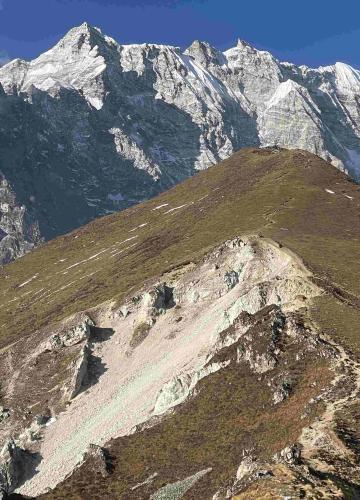
- The Desert Wakes Up: Dolpo has a dry, Tibetan feel. In spring, patches of green emerge from the brown earth, creating a beautiful contrast with the snowy peaks and blue sky.
- Shey Phoksundo Lake: This deep turquoise lake is a major highlight. In spring, the water is incredibly clear, reflecting the surrounding cliffs and mountains perfectly.
- Ancient Forests: In the lower sections, you will walk through old juniper forests where wildflowers start to pop up by April.
Cultural Richness and Spiritual Experience in Spring
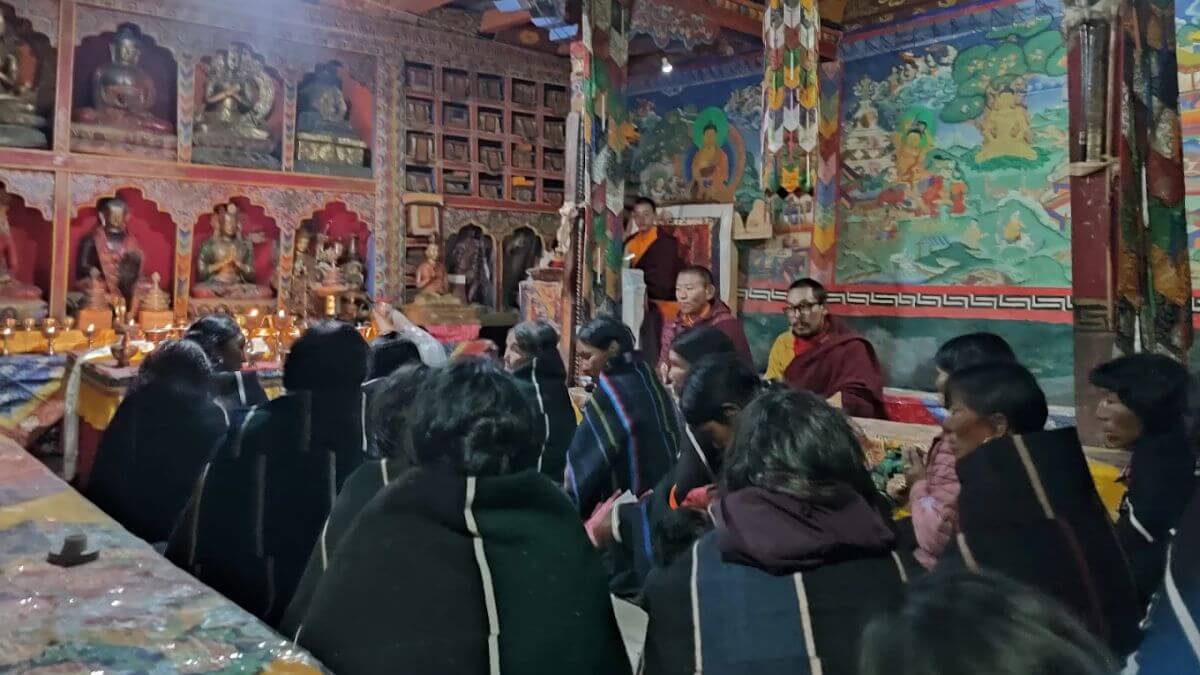
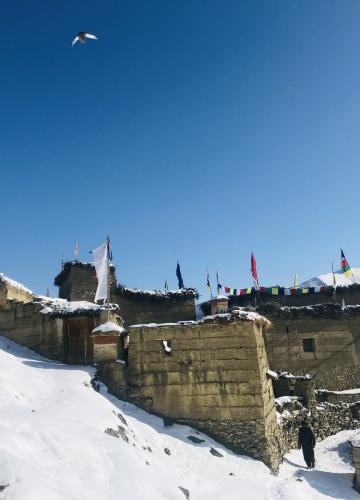
Upper Dolpo is a living cultural landscape with deep roots in Tibetan Buddhism and the ancient Bon religion.
- Monasteries: You can visit places like Shey Gompa, one of the most sacred sites in Nepal. In spring, these monasteries become active again as people return after the winter.
- Local Life: You will see villagers planting crops and preparing for the warmer months. Walking through villages like Saldang offers a look at a way of life that has remained unchanged for centuries.
What to Expect on the Upper Dolpo Trek in Spring?
- Long Days: Expect to walk 6-8 hours daily. The terrain is rugged, so every step counts.
- Basic Living: Tea houses are very simple. Think wooden beds, shared toilets, and basic meals like dal bhat. There is very little electricity, but the hospitality is warm.
- High Passes: You will cross several passes over 5,000 meters. This is a physical and mental test where you must take your time to avoid altitude sickness.
- True Wilderness: You might go days without seeing another group of trekkers. It is just you and the mountains.
Recommended Read: Upper Dolpo vs Upper Mustang Trek
How Difficult is the Upper Dolpo Trek in Spring?
The Upper Dolpo Trek can be considered pretty tough. Because of the remoteness of the trekking region as well as very few tea houses between trekking routes, accommodation and food become one of the major concerns as well.
- The Altitude: Most of the route is between 3,500 and 5,200 meters. Your body works much harder here, and even small tasks can leave you winded.
- The Ground: There are no paved paths. You will walk over rocks, steep slopes, and narrow trails that require your full attention.
- The Prep: This is not for beginners. You need a good level of fitness and ideally some previous experience with high-altitude hiking.
How to Prepare for Upper Dolpo Trek in Spring?
Trekking needs good preparation for a successful journey. That goes without saying that a remote and challenging trek like the Upper Dolpo Trek would need even better preparation. Here are some of the few things to look out for before you set off on your trekking adventure.
Essential Gear
- Layers: Use a "system" of clothes, a base layer to wick sweat, a fleece for warmth, and a waterproof shell for wind and rain.
- Sleeping Bag: You need a bag rated for at least –15°C.
- Boots: Sturdy, waterproof, broken-in boots are your best friend.
Physical and Mental Prep
Start training 2-3 months early with cardio (running or cycling) and leg exercises. Mentally, prepare for a "back-to-basics" lifestyle. You will be far from help and modern comforts, so resilience is key.
Permits and Logistics
- Permits: You need a Restricted Area Permit (RAP), which costs USD 500 for the first 10 days, plus a National Park permit.
- Guides: You cannot trek here alone. You must hire a licensed guide through a registered agency.
- Flights: Most treks start with a flight to Juphal. These are often delayed by weather, so always build a few "buffer days" into your schedule.
Final Thoughts: Is Spring the Right Time for You?
The Upper Dolpo trek in spring offers a top-tier adventure. The weather is reliable, the passes are open, and the cultural experience is deep. If you are looking for a genuine wilderness journey rather than a crowded tourist trail, this is the time to go. April and May are the best for most, while March offers a raw challenge for the experienced.
Plan your Upper Dolpo spring trek with expert local guides for a safe and unforgettable experience. One of Nepal's greatest adventures with Dolpo Caravan Treks.
FAQs
What is the best time for the Upper Dolpo trek?
April and May are the best months. You get stable weather, clear views, and open passes.
Is the Upper Dolpo trek in April better than May?
April usually has clearer skies, while May is warmer. Both are great, but April is favored for photography.
Can I trek to Upper Dolpo in March?
Yes, but it is much colder, and there may be deep snow on the passes. It is best for experienced trekkers.
What is the Upper Dolpo spring weather like?
Days are mild (10°C to 18°C), but nights are freezing (down to –10°C). It is generally dry but can be windy in the afternoons.
Do I need a guide for the Upper Dolpo trek in spring?
Yes. It is a restricted area, so you must have a licensed guide and at least two people in your group to get the permit.

Leave Your Comment