
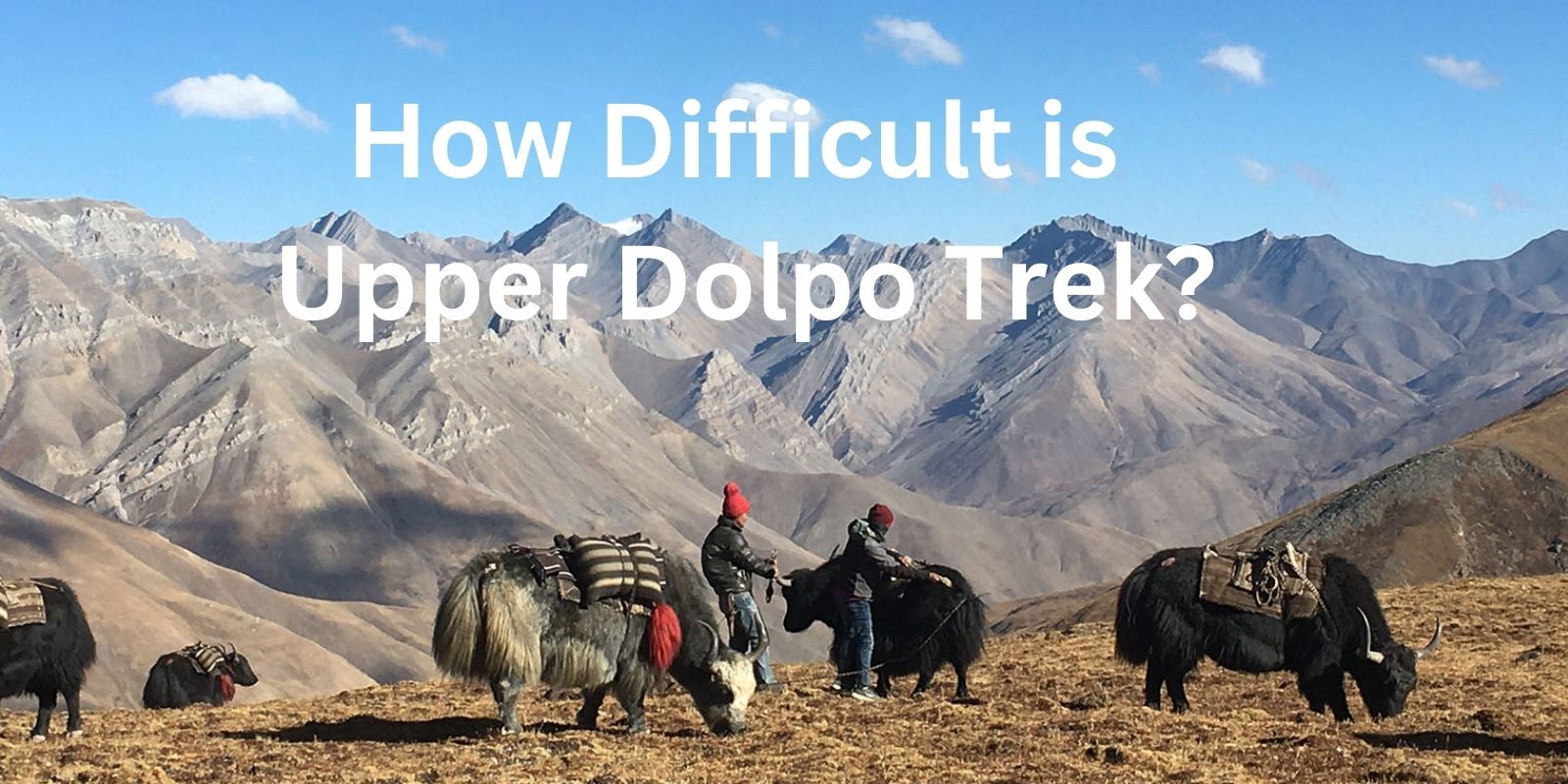
How Difficult is Upper Dolpo Trek?
The Upper Dolpo Trek Nepal is one of the hardest and most amazing adventures in the Himalayas because of extreme altitude, limited accommodation, and unpredictable weather. The Upper Dolpo trekking route challenges you with steep mountain paths, high passes above 5,000 meters, and rugged trails rarely visited by outsiders.
It takes you deep into Dolpo-Nepal, one of the last hidden kingdoms on Earth, where Tibetan culture and untouched landscapes still thrive. The Dolpo trek is set in the far northwest of Nepal, the country’s largest district, Dolpa, but also its most remote.
You will see why the Upper Dolpo Trek is very different from other treks in Nepal. Along the way, you will visit ancient Bon monasteries, the beautiful Shey Gompa, and enjoy colorful Tibetan festivals. You will also pass through quiet villages like Ringmo and Jhong. If you are lucky, you might spot rare animals like snow leopards and blue sheep in this untouched Himalayan wilderness.
To fully enjoy this journey into Nepal Dolpo, you must prepare carefully, both physically and mentally.
When you are planning a trek in Nepal, the Upper Dolpo Trek must be in your list of adventurous trip. It is a trek known to be a remote wilderness with difficult scenery and one that will demand a lot out of its climbers but will reward them with breathtaking views.
But, how difficult is the Upper Dolpo Trek?
In this blog, we’ll explore the difficulty level of the Upper Dolpo Trek, providing a comprehensive look at what you can expect.
Overview of Upper Dolpo Trek
The Upper Dolpo Trek which is located in far-western region of Nepal, is a dream trek of trekkers. At its highest points, it reaches altitudes of around 16,404 feet (5,000 meters). The trek often involves ascending to these high altitudes. It features stunning high-altitude landscapes, ancient Tibetan culture, and unique wildlife. This trek is not only about reaching your destination but also about experiencing the remote, untouched beauty of the Dolpo region.
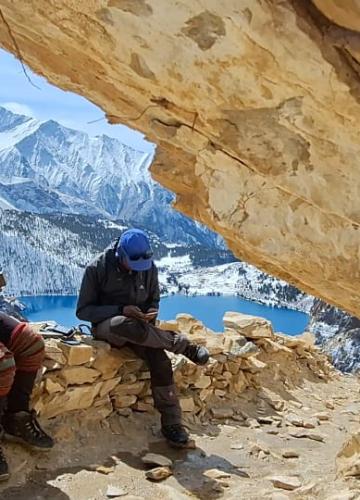
This region is home to Shey Phoksundo National Park, where you can find many plants and animals, including rare ones like the snow leopard and blue sheep. You can expect to see and experience the beautiful high-altitude Phoksundo Lake, Shey Gompa, Bon practitioners (a unique ancient religion), Buddhist monasteries, breathtaking mountain views, Crystal Mountain, and exciting wildlife.
Visit: Shey Phokshundo Tea House Trek
How Long is Dolpo Trek?
The Upper Dolpo Trek is a distance that usually takes between 28 days and is covered by a distance of 120 or 150 kilometers. This duration is an opportunity to acclimatize and discover the various sceneries and cultural places in the process.
How high is the highest point of the trek?
The highest point of the Upper Dolpo Trek is the Kang La Pass, which reaches a max altitude of 5,360 meters (17,585 feet). Hiking to such elevations may be a big task and must be done with proper acclimatization measures to prevent altitude sickness.
Recommendation Read: How Do I Get To Upper Dolpo
Weather and Temperature of Upper Dolpo
The weather in Dolpo upper can be rather changeable. When it is the trekking season, it is likely to be 15°C to -10°C in daytime. Days are mostly sunny although temperatures may drop considerably at night, particularly in higher altitudes.
At lower elevations, temperatures might range from about 10°C to 20°C (50°F to 68°F) during the day. At higher altitudes, especially near passes like Numa La and Baga La, temperatures can drop significantly, often reaching -10°C to -20°C (14°F to -4°F) or lower, especially at night.
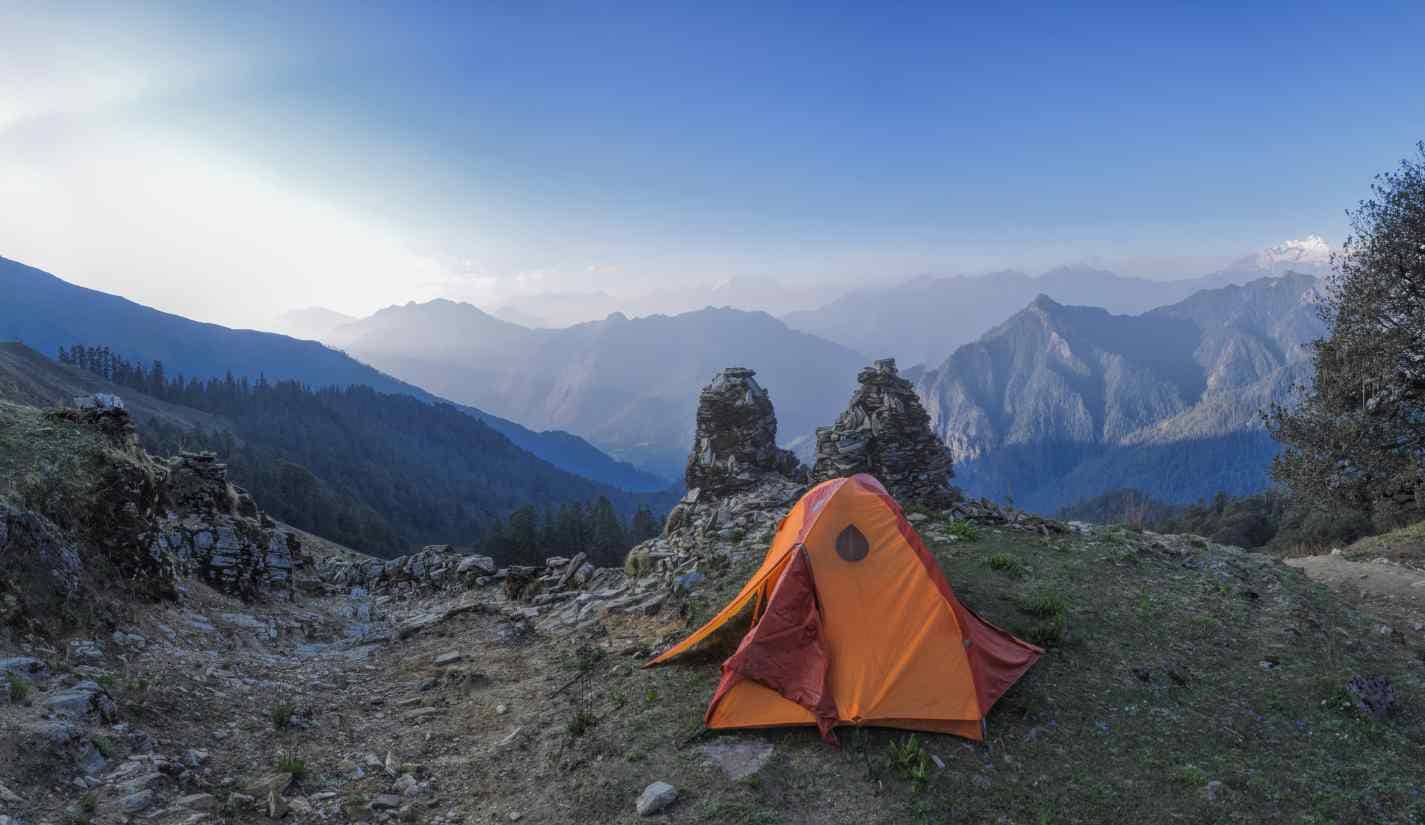
What Weather Can Be Expected During the Upper Dolpo Trek?
The weather during the Upper Dolpo Trek varies with the seasons. Spring (March to May) offers mild temperatures and clear skies, while autumn (September to November) provides stable weather and excellent visibility.
Winter (December to February) can be frigid, with heavy snowfall making trails challenging, and the monsoon season (June to August) brings heavy rains, which are best avoided. Trekkers should be prepared for unpredictable weather, including cold winds and snow at higher altitudes.
How Difficult is the Upper Dolpo Trek?
The Upper Dolpo Trek takes about 24 to 28 days through very remote, wild mountains. You will cross many high passes over 5,000 meters (16,400 feet) and camp most nights in the wilderness.
This trek is different from popular routes like Everest Base Camp because there are no lodges or tea houses. You must carry all your camping gear, food, and supplies, or hire porters to do so. The high altitude makes breathing harder, and the rocky, steep trails can be dangerous. Weather changes fast, so you must be ready for all conditions.
Most travelers reach Upper Dolpo by flying from Nepalgunj to the small mountain airstrip at Juphal Airport, followed by several days on remote trails. The upper dolpo trek difficulty is heightened by acute mountain sickness (AMS), hypoxia, and the need for proper acclimatization tips to ensure safety at altitudes above 4,000 meters.
You should train for months to build stamina and strength. Preparing well and having an experienced guide are very important for your safety on this remote and difficult trek.
Upper Dolpo Trek Difficulty at a Glance
- Trek Duration: 24–28 days
- Daily Walking: 6–10 hours
- Max Altitude: 5,360m (Kang La Pass)
- Trekking Grade: Strenuous (Grade 5)
- Accommodation: Camping only
- Required Fitness: High (multi-day trekking experience needed)
Hence, the Upper Dolpo Trek is considered a challenging trek with steep arise. It is difficult during the monsoon season (June to September). Trekkers need to be physically and mentally prepared for this demanding trek, which is more complex than popular routes like the Annapurna Base Camp Trek or Everest Base Camp Trek. So trekkers should be ready to handle extreme weather conditions and high-altitude passes.
Why is Upper Dolpo Known as One of Nepal’s Toughest Treks?
Upper Dolpo is one of the hardest treks in Nepal for many reasons. First, it is very far from towns and cities. Once you start the trek, there is no easy way to leave until you finish. There are no hospitals, no shops to buy supplies, and very few places to rest.
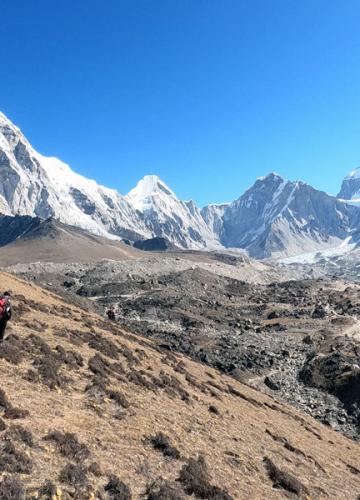
The trek mostly happens at very high places above 4,000 meters (about 13,000 feet). There are many mountain passes even higher than 5,000 meters (over 16,400 feet). At these heights, the air has less oxygen, which makes breathing hard. You must carry heavy backpacks and walk on trails that are often not clear or easy to follow.
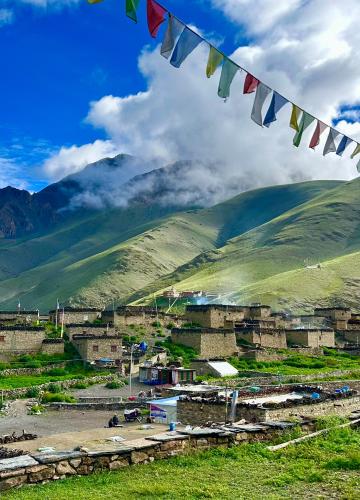
The trek leads through ancient Tibetan Buddhist villages such as Ringmo and Jhong, where Bon monasteries and the imposing Shey Gompa are spiritual highlights. Wildlife enthusiasts can be rewarded with sightings of snow leopards and blue sheep, rare inhabitants of this restricted area trekking zone. These remote trails and the high-altitude environment further intensify the trekking challenges.
The weather in Upper Dolpo can be very cold and change very quickly. All these things high altitude, long hours walking, rough paths, and being far from help make the Upper Dolpo Trek very tough. Only people who are very fit and prepared should attempt it.
Trekking Grade & Classification (Strenuous Level)
In Nepal, trekking routes are given grades to show how hard they are. The Upper Dolpo Trek is one of the hardest treks and is rated Grade 5, which means very strenuous. This is the highest difficulty level for trekking in Nepal. This means:
- You need excellent physical fitness and stamina.
- Experience in high-altitude trekking above 4,500 meters is essential.
- You must be able to navigate remote wilderness with minimal support.
- The trek involves weeks of camping, and self-sufficiency is critical.
Dolpo Caravan Treks ensures all logistics, from porters to camping gear, are professionally handled, so you can focus on trekking safely.
Key Factors That Make Upper Dolpo Trek Challenging
Trekking Duration & Daily Walking Hours
The Upper Dolpo trek usually takes 24 to 28 days. Each day, you will walk for 6 to 10 hours, depending on the weather and the land. The path is rough and changes a lot, so it can be tiring.
Because the trek is so long and you walk every day, you will feel tired as the days go by. Even strong and fit ones can start to feel the strain in the second week. There are no rest days in cozy lodges; instead, you camp outside in tough conditions. This means you must save your energy and stay strong in both body and mind to finish the trek.
High Altitude & Acclimatization Needs
Altitude is the biggest challenge on the Upper Dolpo Trek. The trek starts low but quickly climbs above 4,000 meters, where the air becomes thin and breathing gets hard. Most of the trek happens between 4,000 and 5,000 meters, with some passes going even higher, like Kang La Pass at 5,360 meters.
Because the altitude rises fast and there are few places to rest and adjust, altitude sickness is a big risk. You must watch your health carefully and be prepared for tough conditions as they push through the high mountains.
Altitude sickness, including AMS and hypoxia, poses serious risks on this trek. Proper acclimatization is vital and should be factored into your journey with adequate rest days and hydration. Need help preparing? Talk to our trekking experts at Dolpo Caravan Treks for tailored advice.
Remote Trails and High Mountain Passes (Above 5,000m)
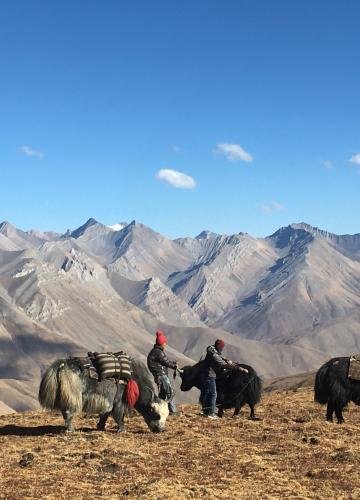
The trails in Dolpo are old trade routes that have stayed almost the same for hundreds of years. They are often just narrow paths used by yaks. You will walk over rocky ridges, loose stones, and glacier areas. The trails can be hard to follow because they sometimes disappear due to rockfalls or snow.
The trek crosses several very high mountain passes. The highest is Kang La Pass, at 5,360 meters. This pass needs careful climbing on loose rocks and can be dangerous in bad weather. Other passes like Saldang La (5,200m), Jyanta La (5,220m), and Shey La (5,000m) also require careful timing and respect because the weather can change fast and trap you in tough spots.
Limited Accommodation – Camping & Food Challenges
Unlike popular Nepal treks with tea houses, Upper Dolpo is a full camping trek. You need to carry or have porters carry all your camping gear, cooking equipment, and food for the whole trip. This makes the trek harder because the extra weight adds to your load.
Cooking food is also a challenge. You have to be careful with fuel since it runs out fast, and fresh food runs out early, too. Water can be hard to find or unsafe, so you must plan carefully and purify water before drinking.
Spending nearly three weeks camping without a warm bed, hot shower, or fresh meals can be tough both physically and mentally. It’s important to be prepared for these basic and sometimes harsh living conditions.
Camping for weeks without modern amenities is tough. But with Dolpo Caravan Treks support, you focus on trekking while we handle logistics, meals, and safety. Need help preparing? Talk to our trekking experts.
Permit Requirements and Restricted Area Regulations
To trek Upper Dolpo, you need a special permit called a restricted area permit. It costs $500 for the first 10 days and $50 for each extra day. You must travel with at least one other person and have a licensed guide with you.
In addition to the Upper Dolpo permit, you need a Lower Dolpo restricted area permit for about $20 per week and a Shey Phoksundo National Park permit costing around $30, valid for your entire trek.
Upper Dolpo Restricted Area Permit = USD 500 per person for the first 10 days, then USD 50/day.
Lower Dolpo RAP = USD 20/week. Plus Shey Phoksundo National Park = NPR 3,000.
All permits must be obtained through registered trekking agencies before the trek begins, as you cannot fix permit issues once on the trail. Required documents include your valid passport and visa.
Upper Dolpo restricted area permits must be secured in advance through registered trekking agencies an essential step as no permit issues can be resolved on the trail. The permit costs $500 for the first 10 days, plus $50 per extra day, along with additional permits for Lower Dolpo and Shey Phoksundo National Park. At Dolpo Caravan, we handle all permits for the Upper Dolpo Trek. Book with us today for a hassle-free journey!
Fitness and Experience Required for Upper Dolpo Trek
The Upper Dolpo Trek is very challenging and requires strong fitness and experience. You need excellent fitness to walk 6-10 hours daily on rocky, high-altitude trails above 5,000 meters. Experience in high-altitude trekking and awareness of altitude sickness symptoms are crucial to safely navigating this remote trekking adventure.
Good training includes hiking with a backpack, cardio exercise like running or cycling, and leg strength workouts like squats and lunges.
This trek is not for beginners. You need some high-altitude trekking experience and to know how to handle altitude sickness. Mental toughness is important because the trail is long, remote, and tough.
Physical Fitness & Training Recommendations
To get ready for the Upper Dolpo Trek, begin training 4-6 months ahead with cardio, strength, and hiking with weighted backpacks. Focus on exercises that make your heart and lungs stronger because you will be breathing thin mountain air. Prepare for self-sufficient trekking by building endurance for carrying all your gear over rugged terrain.
Strength training should work your legs, core (stomach and back muscles), and upper body since you'll carry a heavy pack over rough ground. Mental preparation is also important. You need to be able to push through tough times and stay motivated during hard days.
Good preparation will help you enjoy this challenging adventure safely and successfully.
Is Upper Dolpo Trek Suitable for Beginners?
No, the Upper Dolpo Trek is not for beginners. The extreme altitude, rough terrain, and complete remoteness require strong experience and the ability to handle emergencies. If you haven’t trekked high altitudes before, try easier routes like Everest Base Camp or Annapurna Circuit first.
Even experienced trekkers often find Upper Dolpo harder than expected. The isolation means small problems can turn serious since help is far away, so good fitness, skills, and preparation are crucial.
Caution Advice: This trek is not recommended for beginners due to altitude, remoteness, and difficult terrain. Consider acclimatizing on easier treks like Everest Base Camp or Annapurna Circuit first.
Tips for First-Time High-Altitude Trekkers
Upper Dolpo is not for first-time high-altitude trekkers.
- Beginners should do easier treks like Everest Base Camp or Annapurna Circuit first.
- Complete several high-altitude treks before trying Upper Dolpo.
- Start with hikes reaching 4,000-4,500 meters, then progress to harder treks.
- Learn to recognize altitude sickness symptoms.
- Practice emergency response skills.
- Invest in quality gear and test it before the trek.
- Build strong relationships with experienced guides and porters.
- Be ready to turn back if conditions become unsafe, so no ego in the mountains.
Seasonal Difficulty of Upper Dolpo Trek
The difficulty of the Upper Dolpo Trek varies with the seasons. Spring (March-May) and autumn (September-November) offer the best weather with clearer skies and moderate temperatures, making trekking conditions more stable. The monsoon season brings heavy rains, slippery trails, and added risks, while winter is extremely cold with deep snow that blocks passes, making trekking very hard and often dangerous.
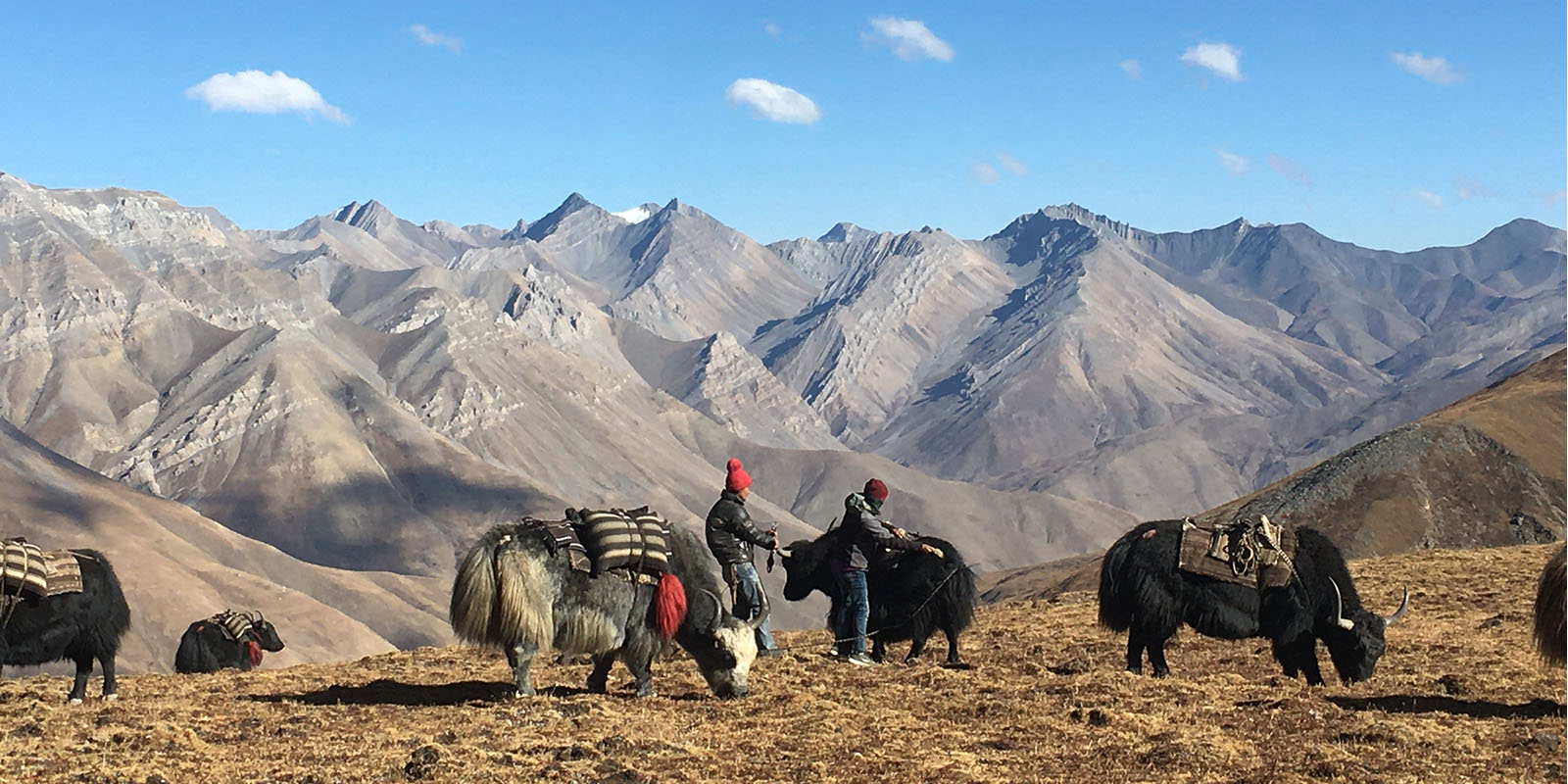
Trekking in Spring (March–May) – Best Conditions
Spring (March-May) is the best time to trek in Upper Dolpo because the weather is mostly stable and the mountain views are clear. Days are warm enough for comfortable hiking, and nights are cold but manageable. This season offers the best balance of good weather and access.
However, the weather can still change quickly, with snowstorms possible even in late spring. You should always be ready for sudden bad weather. While spring is more popular, meeting other trekkers is still rare in this remote area.
Trekking in Summer/Monsoon – Remote Challenges
The summer monsoon (June to August) brings extra challenges to the Upper Dolpo Trek. Although this high-altitude desert gets less rain than other areas, clouds often hide mountain views and make navigation harder. Rivers swell, making crossings riskier, while trails face more rockfalls and washouts.
Despite these difficulties, experienced trekkers who seek solitude will enjoy the untouched beauty and isolation of Dolpo during summer. Proper preparation and gear are essential to handle slippery trails and sudden weather changes safely.
Trekking in Autumn (Sept–Nov) – Peak Season
Autumn is one of the best times to visit Nepal Dolpo, with stable weather along with spring. The weather is stable, and the mountain views are clear, perfect for photography. After the monsoon, the air is clean and visibility is excellent, which helps with navigating tricky trails.
As autumn goes on, temperatures drop, and November can be very cold. Still, strong high-pressure weather systems make autumn the most reliable time to cross the high mountain passes safely.
Trekking in Winter – Harsh and Extreme Conditions
Winter trekking in Upper Dolpo is extremely difficult and only for very experienced mountaineers. Temperatures can drop below -30°C, mountain passes may be blocked by heavy snow, and daylight hours are very short. The challenging conditions make emergency evacuation nearly impossible.
Because of these dangers, winter treks here require advanced mountaineering skills and self-rescue abilities. For most trekkers, winter in Upper Dolpo is not recommended. Choose the best season for your Dolpo adventure with our guidance.
What are the Main Challenges of the Upper Dolpo Trek?
1. Physical Challenges
The Upper Dolpo Trek is considered moderate to challenging. It involves long days of walking, often over rough and uneven terrain, and trekkers need to be in good physical condition to handle its demanding aspects.
You should be prepared to walk 5-8 hours daily and cover 10-15 km while gradually gaining altitude. To build the required fitness level, concentrate on increasing your strength, stamina, and cardiovascular endurance and doing extended hiking sessions for at least 8-12 weeks before the trek.
In order to enhance cardiovascular fitness, increase your athletics stamina with swimming, cycling and running. Do not forget to focus on your core (planks, sit-ups) and leg muscles (squats, lunges) during the use of a backpack and climbing hills.
2. Mental Challenges
Physical fitness is not more important than mental endurance. Hiking in the isolated areas such as Upper Dolpo involves having a positive mind and attitude to deal with the isolation, unpredictable weather, and strain. The strong will to not to give up before the challenges and uncertainties of the trek will also assist you in overcoming the changes and enjoying the trip.
3. Altitude Sickness
Altitude sickness is a significant concern on the Upper Dolpo Trek. The trek reaches altitudes of over 5,000 meters (16,404 feet), where oxygen levels are lower. Symptoms typically appear above 2500 meters (8202 feet), although minor issues such as breathing difficulties can begin as low as 2,000 meters.
Symptoms of altitude sickness include:
- Headaches
- Nausea
- Dizziness
- Breathing problems
- Loss of appetite
- Difficulty in sleeping
- Being ill and feeling unwell
Proper acclimatization, including a gradual ascent and staying hydrated, is crucial to minimize the risk. Drink plenty of water, and avoid alcohol and smoking, as they can worsen symptoms.
Comparing Upper Dolpo Trek with Other Popular Treks
Unlike more accessible treks like Everest Base Camp, Upper Dolpo requires full self-sufficiency and advanced skills, trekking through an isolated landscape rich with Tibetan culture and wildlife. This is a cultural trekking experience in addition to the fact that it is a high altitude experience which makes it a unique demanding experience.

Upper Dolpo vs Everest Base Camp Trek Difficulty
Everest Base Camp is more affordable yet more difficult, with tea houses, set paths, and frequent resupply and evacuation services. It is appropriate to moderate trekkers.
Upper Dolpo is much harder, requiring full self-sufficiency, advanced technical skills, and mental toughness to cope with three weeks of camping in harsh, remote conditions. Although both have high altitudes, Upper Dolpo’s isolation makes it far more demanding in every aspect.
Upper Dolpo vs Annapurna Circuit Trek Difficulty
The Annapurna Circuit is much easier than the Upper Dolpo Trek. Annapurna offers village lodges, vehicle access, well-marked trails, and regular escape routes. While Thorong La Pass at 5,416 meters is higher than Dolpo’s passes, it is just one high point and less physically demanding than crossing multiple 5,000+ meter passes while camping.
Upper Dolpo is far more challenging due to its harder terrain, longer duration, and complete isolation. Annapurna can be done by fit beginners with good preparation, while Upper Dolpo requires advanced skills, endurance, and self-sufficiency.
How Upper Dolpo Compares with Upper Mustang
Upper Dolpo vs Upper Mustang, both require special permits and are remote areas. Upper Mustang offers some vehicle access and basic lodges, while Upper Dolpo demands complete camping self-sufficiency.
Upper Dolpo is more physically and technically challenging, with higher altitudes, tougher terrain, and total isolation. Both treks provide amazing cultural experiences and beautiful landscapes, but Upper Dolpo is the more demanding adventure.
| Trek | Max Altitude | Duration | Accommodation | Difficulty Level | Best For |
| Upper Dolpo Trek | 5,360m (Kang La Pass) | 24–28 days | Camping only | Very Challenging (Grade 5) | Experienced trekkers seeking remote, cultural adventure |
| Everest Base Camp Trek | 5,364m (EBC) | 12–14 days | Tea houses/lodges | Challenging (Grade 4) | Trekkers with moderate experience |
| Annapurna Circuit | 5,416m (Thorong La) | 12–18 days | Tea houses/lodges | Moderate–Challenging (Grade 3–4) | Fit beginners and intermediates |
| Upper Mustang Trek | 4,200m | 10–14 days | Tea houses/lodges | Moderate (Grade 3) | Cultural explorers, easier remote trek |
Preparation & Safety Tips for Upper Dolpo Trek
The Upper Dolpo Trek is a remote and difficult adventure that requires proper preparation. You must be physically fit, possess the appropriate equipment and must be mentally prepared to face the high mountains and rough tracks.
Staying safe means knowing about altitude sickness, having guides who know the area well, and being ready for emergencies because this is a very isolated region. Planning carefully helps make sure your trek is safe and successful while exploring this beautiful but tough part of Nepal.
Training & Pre-Trek Fitness Plan
- Start training 4 to 6 months before the trek.
- Build cardiovascular fitness by running, cycling, or hiking regularly.
- Do hikes with a weighted backpack, slowly increasing the weight and distance.
- Strength train with exercises like squats, lunges, and step-ups to strengthen legs and core.
- Practice mental toughness by staying motivated and making smart choices when tired or stressed.
Essential Gear and Equipment for Remote Trekking
- Heavy layer technical mountaineering clothing on four seasons of warmth and waterproofing.
- Sleeping bags rated for -20°C or colder
- Good camping equipment to support the bad weather.
- Navigation devices GPS, compass, and topographic maps.
- Communication gadgets such as satellite phones or personal locator beacons as emergencies.
Managing Altitude Sickness and Health Risks
It's important to acknowledge altitude sickness for safety. You must know when to rest or descend and about early signs such as headache, nausea, and dizziness. For emergencies, keep drugs like dexamethasone and acetazolamide (Diamox) on hand.
Learn effective first aid techniques and pack a comprehensive medical kit appropriate for isolated situations. Recognize that helicopter rescue may not be feasible in many places, but practice emergency and evacuation protocols nonetheless.
Ascending gently, adhering to the "climb high, sleep low" principle, drinking plenty of water, eating enough carbohydrates, abstaining from alcohol, and taking acclimatization days are all ways to prevent altitude sickness. You must always listen to your body and react promptly.
Importance of Experienced Guide & Porter
The difficulty and dangers involved in the Upper Dolpo Trek make informed local guides and porters necessary. Guides who understand Dolpo deeply are required to provide navigation, weather forecasting, and emergency response. Quality guides ensure safety and success.
Experienced porters familiar with the region carry your gear, interpret weather, and provide emergency support, making a huge difference in this remote and tough environment.
Understanding AMS, hypoxia, and acclimatization is vital. Always heed your body’s signals and be prepared for emergencies in this restricted area trekking zone. With Dolpo Caravan Treks, your safety and comfort are our priority. Contact us for customized itineraries and experienced guides.
Can I Do the Upper Dolpo Trek Independently?
No, independent trekking in Upper Dolpo is not allowed. Due to its remote and restricted nature, trekkers must travel with a licensed guide or agency. This requirement ensures the safety and proper management of the trek.
Guides are experienced in navigating challenging terrain, handling high-altitude conditions, and managing emergencies. They also help in the process of getting required permits to trek including the Restricted Area Permit and TIMS (Trekkers information management system) card. They help on daily logistics, accommodation, meals and route directions.
No one is allowed to travel or trek independently. A guide or agency like Dolpo Caravan Treks and Expedition is needed to guarantee safety, not to mention they pay a more rewarding experience of the hidden beauty of the Dolpo valley and its cultural background.
Final Thought
The Upper Dolpo Trek Nepal is one of the toughest journeys you can take in the Himalayas. It requires excellent fitness, high-altitude experience, and mental toughness to handle weeks of camping in remote mountains. Covering 24 to 28 days and crossing several 5,000+ meter passes, the Dolpo trek is far more demanding than popular routes like Everest Base Camp or Annapurna.
Yet, with challenge comes reward. The Dolpo Nepal journey is a journey of incomparable Himalayan views, Tibetan culture, and fulfillment. Unlike other trails, Upper Dolpo trekking is untouched, remote and authentic, a unique opportunity to explore the backcountry of Nepal Dolpo.
If you prepare well, travel with experienced guides, and respect the mountains, the Upper Dolpo Trek is not just worth the challenge, it may become the most unforgettable adventure of your life.
The Upper Dolpo Trek offers unmatched Himalayan adventure with deep cultural immersion. With proper preparation and expert support from Dolpo Caravan Treks, this strenuous journey can become your most unforgettable adventure. Plan your Upper Dolpo Trek Nepal with us today!
Planning a Dolpo Trek in Nepal? Explore the remote trails, traditional villages, and unique cultural experiences of the Dolpo region with Dolpo Caravan Treks. Contact our team to learn more about trekking opportunities in Dolpo and plan your Himalayan adventure.
FAQs
Is Upper Dolpo Trek very difficult?
Yes, Upper Dolpo trekking is one of the most difficult treks in Nepal due to its high altitude, remote terrain, and long duration. You should be prepared for rugged trails, limited facilities, and variable weather conditions.
What fitness level is required for Upper Dolpo Trek?
A good to excellent fitness level is recommended for the Upper Dolpo Trek. You should have experience with multi-day hikes and be able to handle long days of walking at high altitudes.
Can beginners do Upper Dolpo Trek?
No, beginners cannot do Upper Dolpo Trek due to its difficulty and remoteness. However, well-prepared and guided beginners with good fitness may attempt it with proper acclimatization and support.
What is the maximum altitude in Upper Dolpo Trek?
The maximum altitude on the Upper Dolpo Trek is around 5,360 meters (17,580 feet) at Kang La Pass, which is the highest pass you will typically cross on this route.
When is the best season to do Upper Dolpo Trek?
The best seasons for the Upper Dolpo Trek are spring (March to May) and autumn (September to November). The weather is stable, the skies are clear, and the temperatures are moderate.
How does Upper Dolpo compare with Everest Base Camp Trek?
Upper Dolpo is far more remote and less crowded than the Everest Base Camp Trek. It offers a more rugged and culturally immersive experience. While Everest Base Camp is more accessible and popular, Upper Dolpo demands higher fitness and preparation, but it rewards with untouched landscapes and unique Tibetan culture.
Is Upper Dolpo trekking the hardest trek in Nepal?
Upper Dolpo Trek is among the most challenging treks in Nepal due to its high altitude, remoteness, and rugged terrain. While it is very demanding, some other treks like Kanchenjunga or Manaslu Circuit can also be equally or more difficult depending on conditions.
How does the Dolpo trek compare with other remote Nepal treks?
Dolpo Trek has its extreme remoteness, unique Tibetan culture, and pristine landscapes, making it one of the most untouched treks in Nepal. Compared to other remote treks like Upper Mustang or Manaslu, Dolpo offers a deeper cultural immersion but requires more logistical planning and physical endurance.
How much does the Upper Dolpo Trek cost?
On average, the trek costs $4,000–$7,000 per person, depending on group size, duration, and services (permits, guide, porters, food, camping gear, etc.). Costs are higher than popular treks like Everest Base Camp because of the remoteness and logistics.

Leave Your Comment