
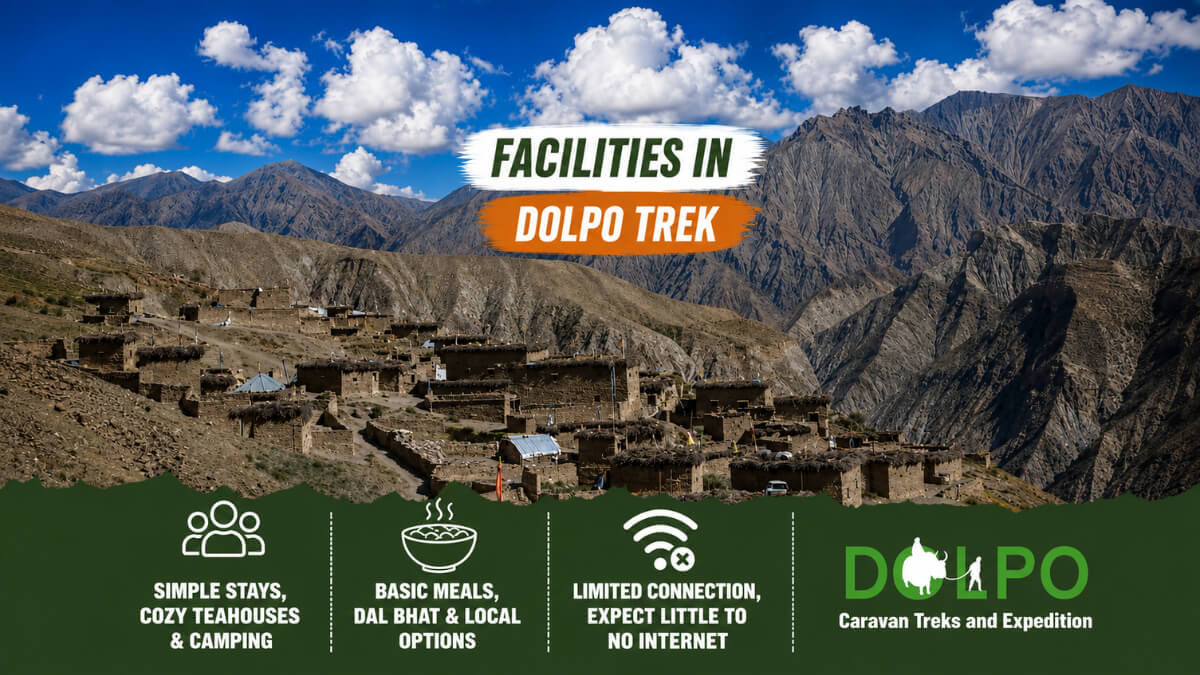
Facilities in Dolpo Trek: What to Really Expect | 2026
Dolpo is one of the last places in Nepal where trekking still feels like a genuine expedition rather than a scenic holiday. If you're mapping out your route, the facilities in Dolpo Trek are probably the first practical question on your mind: where you'll sleep, what you'll eat, whether your phone will work, and how you'll manage without a hot shower for two weeks straight.
Facilities in Dolpo Trek are basic by design. Expect simple teahouses in a handful of villages or fully organized camping elsewhere, dal bhat-based meals, boiled or filtered drinking water, solar-charged electricity you usually pay for, and little to no internet. The Lower Dolpo trek has more teahouses near Dunai and Phoksundo Lake; the Upper Dolpo trek relies mostly on camping.
The facilities in Dolpo Region vary considerably between Lower and Upper Dolpo, so your route plays a major role in determining what you can expect each day.
Key Takeaways
♦ Teahouses exist in Lower Dolpo (Dunai, Juphal, and Phoksundo Lake area); Upper Dolpo trekking is still mostly camping-based.
♦ Electricity comes from small solar setups. Charging is possible in most villages but often costs a small fee.
♦ Wi-Fi is essentially absent. Mobile coverage is limited to a few lower villages and disappears at higher altitudes.
♦ Toilets are squat-style with bucket flushing; hot showers are occasional and rarely free.
♦ A registered agency, a licensed guide, and the correct restricted-area permits are mandatory for both Upper and Lower Dolpo.
Facilities in Upper Dolpo vs Lower Dolpo: A Quick Comparison
Comparing the facilities in Dolpo Region is especially useful when deciding between Lower and Upper Dolpo, as accommodation, connectivity, and other services become more limited in the higher and more remote areas.
| Facility | Lower Dolpo | Upper Dolpo |
| Accommodation | Teahouses in Dunai, Juphal, Ringmo, Tarap | Mostly camping; a few basic homestays |
| Electricity | Solar, paid charging common | Solar via crew, less predictable |
| Mobile network | Faint signal near Dunai/Juphal | Almost no coverage |
| Wi-Fi | Rare, slow, unreliable | Essentially none |
| Hot showers | Occasional, paid | Rare to none |
| Toilets | Outdoor squat toilets | Dedicated crew-managed toilet tents |
| Food variety | Moderate | Limited, repetitive rotation |
Accommodation Facilities in Dolpo Trek
Accommodation on the Dolpo trek falls into two categories: teahouse lodging in the villages that have it and organized camping everywhere else. Which one you get depends almost entirely on where you are on the route.
Facilities in Lower Dolpo
The facilities in Lower Dolpo include the region's best teahouse infrastructure. Villages such as Dunai, Juphal, Chhepka, Ringmo (by Phoksundo Lake), and Tarap have simple lodges with shared rooms, wooden or foam mattresses, and basic blankets. Rooms are small and unheated, so a reliable sleeping bag is essential even when you're not camping.
♦ Private rooms are rare; expect twin-share or dormitory-style setups.
♦ Dining halls double as the only heated common space, usually around a wood or dung-fired stove.
♦ A few teahouses near Phoksundo Lake have developed more thanks to steady trekker traffic in peak season.
Facilities in Upper Dolpo
Upper Dolpo is a different story. Beyond a handful of settlements, there is no teahouse network to rely on, so camping is the standard mode of travel. A support crew carries and pitches sleeping tents, a dining tent, and a kitchen tent and sets up a private toilet tent at each camp.
♦ Camping provides full control over hygiene, food safety, and campsite location.
♦ Trekkers sleep in four-season tents with insulated mats provided by the trekking crew.
♦ A handful of villages, including Saldang, Dho Tarap, and Shey, have basic homestay-style rooms as a backup option.
Planning to experience remote Dolpo with the right camping support? Explore our Dolpo Trek packages and find an itinerary that fits your adventure.
Food and Meal Facilities During the Dolpo Trek
Meals on the Dolpo trek are simple, filling, and built around what's actually available at altitude. Dal bhat (lentils, rice, and vegetable curry) is the trekking staple, alongside Tibetan bread, noodle soups, potatoes, and seasonal vegetables carried in or grown locally. In camping sections, the kitchen crew cooks everything fresh at each site.
Menus shrink as you gain altitude and move further from Dunai. In Upper Dolpo, expect a smaller, more repetitive rotation of dishes rather than the varied menus common on the Annapurna Circuit. That's a trade-off worth planning for, not a shortfall in service; the crew is working with what the region can realistically supply.
Pro Tip: Bring a stash of energy bars, electrolyte powder, and a few familiar snacks. They're not a substitute for local meals, but they help on long trekking days when appetite drops at altitude.
Drinking Water Facilities in Dolpo
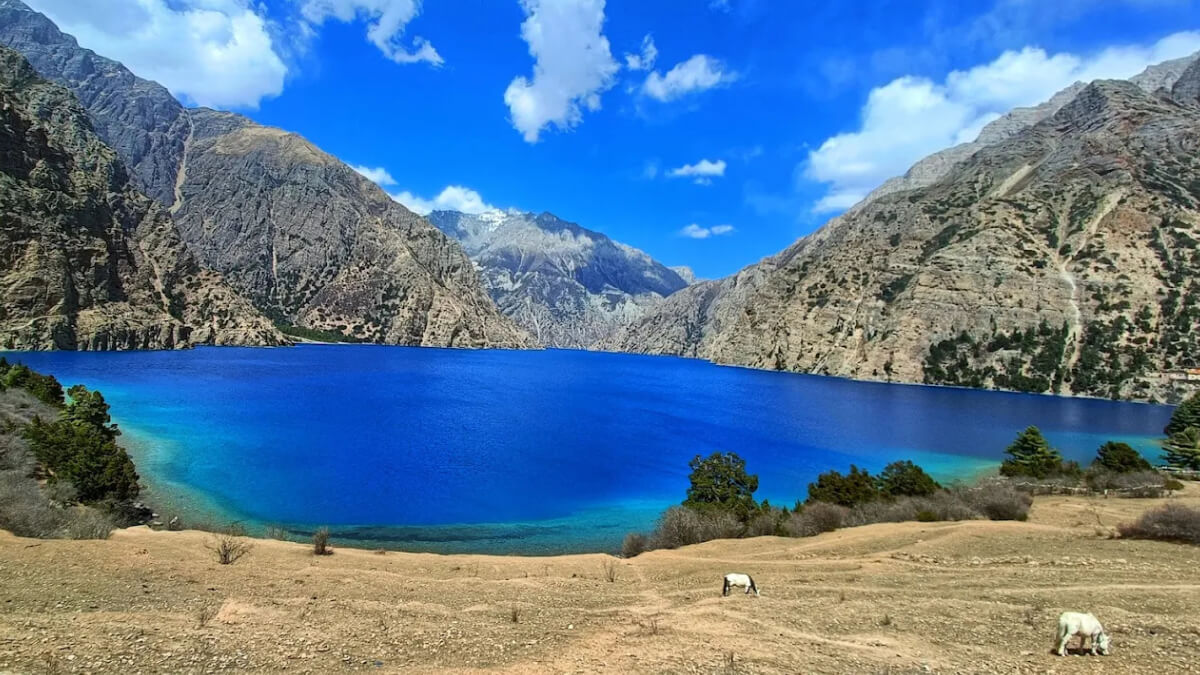
Natural water sources are abundant throughout Dolpo, drawn from glacial streams and rivers, but none of it is safe to drink untreated. Every reputable operator treats water before serving it, typically by boiling it at teahouses and camps or by using portable filters and purification tablets on the trail.
♦ Boiled water is usually available in teahouse dining halls, sometimes for a small fee.
♦ Camping treks carry filtration systems so the crew can prepare safe water at each site.
♦ Bottled water exists in a few Lower Dolpo villages but disappears entirely in Upper Dolpo.
Safety Tip: Carry a personal water bottle with a built-in filter or purification tablets as a backup. Relying only on bottled water isn't realistic once you're a few days into Upper Dolpo, and single-use plastic also works against the region's conservation goals.
Electricity and Charging Facilities in Dolpo Trek
Electricity in Dolpo comes almost entirely from small solar installations, not a grid connection. Most teahouses and camps can charge a phone or camera battery, but output depends on the weather, the size of the panel, and how many trekkers are drawing power on a given evening.
♦ Charging is usually available for a small fee, roughly NPR 100–300 per device in teahouses.
♦ On camping treks, the support crew often carries a portable solar panel or battery bank for guest use.
♦ Cloudy days and higher camps mean slower charging and, occasionally, none at all.
Packing Tip: A 20,000mAh power bank, charged fully before you leave Kathmandu or Nepalgunj, is the single most useful piece of gear for staying powered through Dolpo. Pack a couple of spare batteries for cameras too, since charging windows can be short and unpredictable.
Is There Wi-Fi on the Dolpo Trek? Internet and Mobile Network Facilities
There is no reliable Wi-Fi on the Dolpo trek. A few of the more developed teahouses near Dunai or Phoksundo Lake occasionally advertise a connection, but it's slow, unpredictable, and not something to plan around. This is one of the clearest differences between Dolpo and better-connected routes like Everest Base Camp or Annapurna Base Camp, where paid teahouse Wi-Fi is now standard.
Mobile network coverage follows a similar pattern. NTC (Nepal Telecom) and Ncell both have a presence in Nepal's lower and mid-altitude trekking regions, but in Dolpo their signal barely reaches beyond Dunai and Juphal. Once you move into Upper Dolpo or the higher passes of Lower Dolpo, expect no signal at all.
Toilet and Shower Facilities in Dolpo Trek
Toilets in Dolpo are functional rather than comfortable. Teahouses typically have outdoor squat toilets with a bucket of water for flushing rather than a plumbed system. On camping sections, the crew pitches a dedicated toilet tent at each site and manages waste responsibly, which is often more hygienic than what a village teahouse can offer.
Is there hot water on the Dolpo trek? Sometimes, but don't expect it as standard. A few lower-altitude teahouses offer bucket showers with solar-heated water for a small charge. In Upper Dolpo and at higher camps, hot water for bathing is occasional at best, and some days there simply isn't any.
Health, Safety, and Emergency Facilities
There are no hospitals or pharmacies along the Dolpo trekking route. Guides carry a first-aid kit and are trained to recognize and manage altitude sickness, but serious medical issues require evacuation to Nepalgunj or Kathmandu, usually by helicopter. This is standard practice across Nepal's remote restricted areas, not something unique to Dolpo.
♦ Comprehensive travel insurance with helicopter evacuation cover is non-negotiable for this trek.
♦ Guides carry a satellite phone or similar device for emergency communication where mobile networks fail.
♦ A gradual, well-paced itinerary with built-in acclimatization days remains the single best defense against altitude sickness on a trek that regularly crosses 5,000 meters.
Trekking remote Dolpo is easier with an experienced local team. Learn about Dolpo Caravan Treks and see how our guides and crew support you on the trail.
Recommended Read: Nepal Flood 2026 Effect on Dolpo
Permit and Cost Factors That Affect Dolpo Trek Facilities
Facilities on this trek can't really be separated from the permit system, since the fees you pay largely fund the crew, logistics, and conservation work that make any facilities possible at all.
Both Upper and Lower Dolpo sit inside restricted areas and require permits arranged through a registered trekking agency. While solo foreign trekkers are permitted, you must still be accompanied by a licensed local guide. Truly independent, guide-free trekking is not allowed in either zone.
| Permit | Cost | Notes |
| Shey Phoksundo National Park Entry | NPR 3,000 (~USD 22–25) per foreign trekker | Required for both Upper and Lower Dolpo; SAARC nationals pay NPR 1,500. |
| Lower Dolpo Restricted Area Permit | USD 20 per person for the first week, plus USD 5 per extra day | Arranged through a government-registered agency. |
| Upper Dolpo Restricted Area Permit | USD 500 per person for the first 10 days, plus USD 50 per extra day thereafter | Mandatory minimum USD 500 base rate for up to 10 days; agency arrangement required. |
Common Mistakes First-Time Trekkers Make About Dolpo Facilities
Most facility-related frustration on the Dolpo trek comes down to mismatched expectations, not the region itself. Knowing where first-timers usually trip up can save you a rough week on the trail.
♦ Assuming Dolpo will feel like Everest Base Camp or Annapurna, where paid Wi-Fi and hot showers are routine, is a common mistake.
♦ Packing a single power bank instead of enough capacity for several days without reliable charging.
♦ Skipping water purification because "the stream looks clean."
♦ Not warning family in advance about several days of complete unreachability.
♦ Choosing Upper Dolpo without acclimatization days, underestimating how remote medical evacuation really is out there.
Packing Tips to Offset Limited Facilities
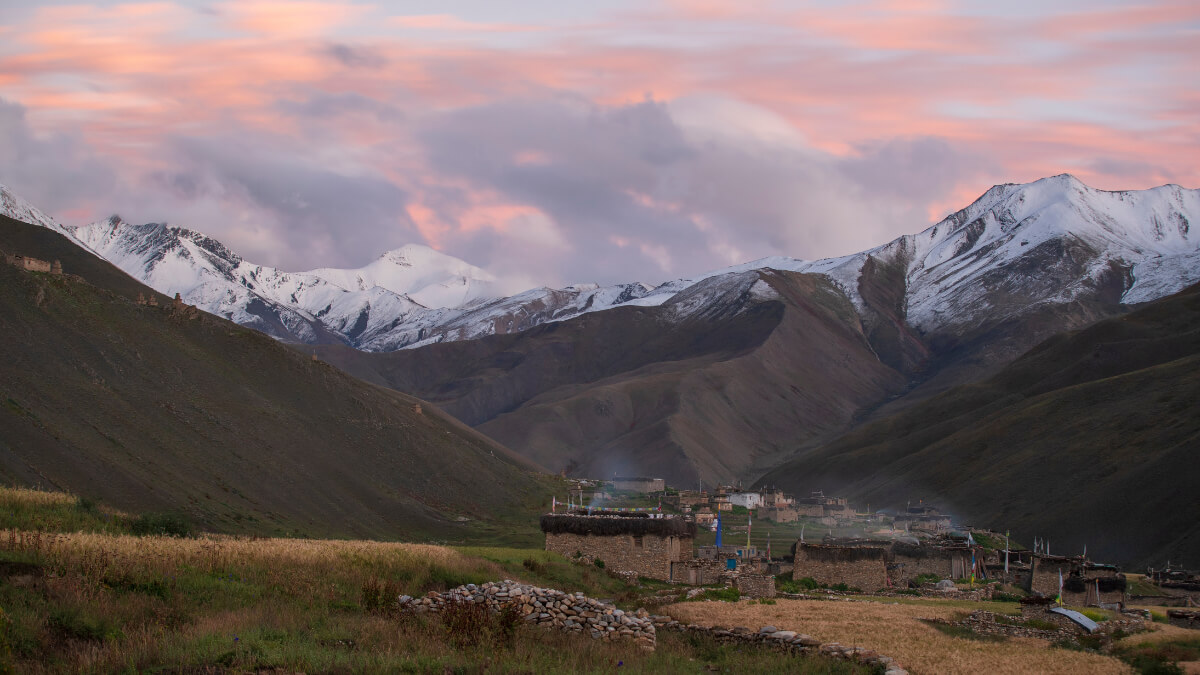
The good news is that almost every gap in Dolpo trekking facilities can be planned around with the right gear. A little extra preparation before you leave Kathmandu goes a long way toward comfort on the trail.
♦ A four-season sleeping bag rated well below expected night temperatures.
♦ A 20,000mAh+ power bank and spare camera batteries.
♦ A personal water filter or purification tablets as backup.
♦ Wet wipes, a quick-dry towel, and hand sanitizer for days without a shower.
♦ Offline maps, downloaded books, or music, since there's no internet to fall back on.
♦ A basic personal first-aid and blister kit in addition to your guide's supplies.
Trek Dolpo With Dolpo Caravan Treks
At Dolpo Caravan Treks, our guides and crew are chosen for their firsthand knowledge of this specific region, not general Himalayan experience, which matters when the nearest teahouse is days away and camp logistics have to work the first time.
♦ Experienced local guides and crew who know Upper and Lower Dolpo's villages, water sources, and campsites firsthand.
♦ Reliable camping logistics in Upper Dolpo, including sleeping, dining, kitchen, and toilet tents set up and managed by a trained support team.
♦ Proper water treatment and food safety practices maintained at every camp and teahouse stop.
♦ Realistic, well-paced itineraries built around acclimatization, not just distance covered.
♦ Honest pre-trip briefings on what to expect, including charging, connectivity, and hot water limitations, so there are no surprises on the trail.
♦ Full support with restricted-area permits and paperwork, handled correctly and in advance.
Recommended Read: Nepal Wellness Tourism Dolpo
Final Thoughts
The facilities in Dolpo Trek are basic, but they are enough to support you through one of Nepal’s most remote and rewarding trekking regions. Lower Dolpo offers a few simple teahouses, while Upper Dolpo is largely camping-based. You can expect filling local meals, treated drinking water, limited solar charging, basic toilets, and little to no internet as you move deeper into the region.
The key is to understand the facilities during Dolpo Trek and prepare for limited comforts rather than expect the amenities available on more developed routes. Carry enough power, water purification supplies, warm clothing, hygiene essentials, and snacks, and be prepared for days without mobile connectivity or hot showers. With realistic expectations and the right support, these limitations become part of what makes the Dolpo experience so unique.
Ready to plan your Dolpo adventure? Contact Dolpo Caravan Treks to discuss your route, permits, camping support, and trek requirements.
Frequently Asked Questions
What facilities are available on the Dolpo trek?
The Dolpo trek offers basic teahouse accommodation in Lower Dolpo and organized camping in Upper Dolpo, dal bhat-based meals, boiled or filtered drinking water, solar-powered electricity for charging, minimal internet, and squat toilets with bucket showers. Facilities are functional rather than comfortable, which is part of what keeps the region so unspoiled.
Is there wifi on the Dolpo trek?
Wi-Fi on the Dolpo trek is essentially unavailable outside a few teahouses near Dunai or Phoksundo Lake, and even there it's slow and unreliable. Most trekkers plan for a complete digital detox once they move beyond the lower villages.
How basic are Dolpo trek teahouses?
Dolpo trek teahouses are basic, with shared or twin rooms, simple mattresses, no in-room heating, and outdoor squat toilets. They're comfortable enough for a night's rest but far from the amenity-rich lodges found on Nepal's more developed trekking routes.
Is there hot water on the Dolpo trek?
Hot water on the Dolpo trek is available occasionally, mainly as a paid solar-heated bucket shower at a handful of lower-altitude teahouses. In Upper Dolpo and at higher camps, hot water for bathing is inconsistent and sometimes unavailable.
Is there mobile network coverage in Dolpo?
Mobile network coverage in Dolpo is very limited, with NTC and Ncell signals reaching only as far as Dunai and Juphal in Lower Dolpo. Beyond those villages, and throughout most of Upper Dolpo, there is no mobile signal at all.
Do Upper Dolpo and Lower Dolpo have different facilities?
Upper Dolpo and Lower Dolpo do have different facilities: Lower Dolpo has a small teahouse network around Dunai, Juphal, and Phoksundo Lake, while Upper Dolpo relies almost entirely on organized camping with a support crew carrying tents, food, and toilet facilities.
Can I charge my phone during the Dolpo trek?
You can charge a phone during the Dolpo trek at most teahouses and camps, usually via solar power for a small fee. Charging speed and availability depend on weather and altitude, so a personal power bank is strongly recommended.
Are there toilets on the Dolpo trek?
Toilets on the Dolpo trek are available at every stop, either as outdoor squat toilets in teahouses or as dedicated toilet tents set up by the trekking crew at camping sites. Flush systems and running water aren't part of the setup.
Is camping required for the Dolpo trek?
Camping is required for most of an Upper Dolpo trek, since teahouse infrastructure exists in only a handful of villages there. Lower Dolpo has more teahouse options, though some operators still recommend camping support for flexibility and hygiene.
How much should I budget for facilities-related costs like charging and hot showers?
Budget roughly USD 2–5 per device for phone or camera charging and a similar amount for an occasional hot bucket shower, where available. These small extras add up over a two-to-three-week trek, so carrying spare Nepali rupees in small denominations is worth planning for.

Leave Your Comment