
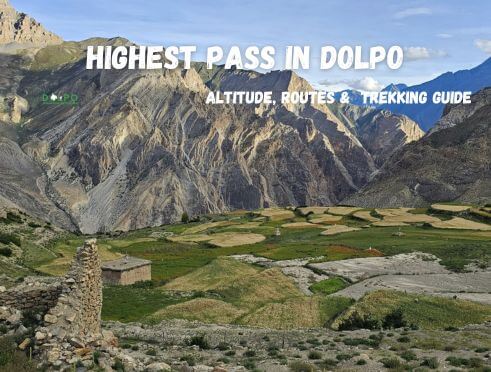
Highest Pass in Dolpo: Altitude, Routes & Trekking Guide
Dolpo is one of Nepal's most remote and unexplored regions far beyond from Everest and Annapurna. This Dolpo region offers an unforgettable trekking experience rich in natural beauty, culture, and rugged adventure. Known for its high passes in Dolpo, steep mountain routes, and traditional Tibetan communities, the area feels more like a hidden Tibetan land than typical Nepal.
The highest pass in Dolpo takes trekkers into dramatic landscapes of snow-capped peaks, sacred monasteries, and pristine lakes, while also providing a glimpse into the unique lifestyle of the Dolpo people. It is regarded as one of the most difficult high pass treks in Nepal and its paths are so difficult that even experienced adventurers can be confused. Standing on a Dolpo high pass, with prayer flags fluttering and crisp mountain air around you, is an experience you’ll carry for life.
This guide covers Dolpo routes, altitude, permits, difficulty, best seasons, and cultural highlights to help you plan your journey to the Dolpo highest pass and beyond.
Spots on the Dolpo high pass treks are limited due to permits. Contact us to reserve early to secure your place.
High Passes in Dolpo: What Makes Them Special
Dolpo is famous for the highest pass and many other tough mountain passes that challenge even experienced trekkers. These passes are more than just mountain paths; they lead to ancient Buddhist culture, amazing wildlife, and some of the most beautiful views you will ever see.
What makes these high passes special is that you are walking where ancient traders once carried goods between Tibet and Nepal. The trails are not always clear, the weather can change fast, and you might walk for days without seeing anyone else. This makes trekking the high passes in Dolpo a very special and rewarding adventure.
The land here is different from other parts of Nepal. Instead of green valleys and forests, you’ll find a high mountain desert. Huge mountains rise all around, prayer flags fly in the steady wind, monasteries sit on cliffs, and the quiet is almost complete. Trekking here means experiencing the wild beauty and peaceful silence of one of Nepal’s last untouched places.
Ngada La, also called Nyima Gyaltsen or Daldong La, is the highest pass in Dolpo at 5700 meters above sea level. This pass lies on the trekking route from Dolpo to Mugu and comes after crossing Phot Village, one of the last human settlements before the high mountains.
Note:
While Kang La (5,306–5,360m) is the most trekked and popular “highest pass in Dolpo,” technically Kanji La (5,320m) is slightly higher. However, Kanji La is rarely crossed because it is extremely remote and requires special expedition-style trekking.
Which is the Highest Pass in Dolpo?
Kang La Pass is the highest pass in the Dolpo that most hikers experience, reaching 5,306 meters (17,408 feet). When people talk about the highest pass in Dolpo in the context of standard Upper Dolpo treks, they're usually referring to Kang La Pass. This is the pass that you will encounter, and it's the one that offers the most dramatic introduction to Dolpo's high-altitude world.
What makes Kang La special isn't just its elevation. This pass serves as the gateway to Shey Gompa, one of Dolpo's most sacred sites. The approach to the pass takes you through some of the most remote and beautiful terrain in the Himalayas, and the views from the top are simply unforgettable.
Major High Passes in Dolpo (with Elevation & Routes)
Each of these high passes in Dolpo has its own character and challenges.
Kang La Pass (5,360m) – The Roof of Dolpo
Kang La Pass sits at 5,306-5,360 meters and is often considered the crown jewel of high pass in Dolpo crossings. Located in Upper Dolpo along the route to Shey Gompa, this pass is where you get your first real taste of Dolpo's extreme altitude and stunning beauty.
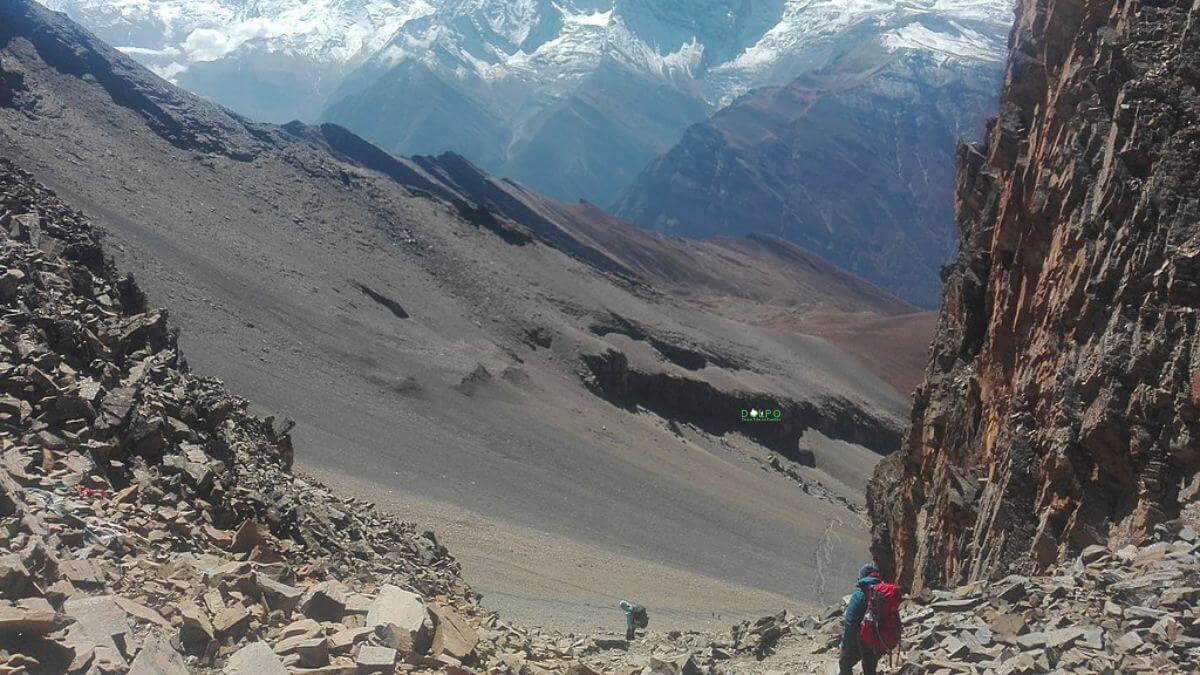
The trail to Kang La goes up slowly but steadily. Most people start very early in the morning because the weather can get bad later. The trail zigzags up rocky slopes, and as you gain elevation, the landscape becomes increasingly barren and otherworldly.
What makes this pass truly special is what awaits you on the other side. The descent leads to Shey Gompa, a monastery that's been a spiritual center for over 800 years. The contrast between the harsh, rocky world of the pass and the relative sanctuary of the gompa is striking.
Trekking difficulty: This is definitely a hard pass crossing. You should let your body adjust slowly to the high altitude. Some people feel it more, so take your time Some of you might find the thin air challenging, while others can struggle with the rocky, uneven terrain.
Best time to visit: The best and suitable months are May-June and September-October. During these periods, the weather is most stable, and the pass is usually free of snow. Winter crossings are extremely difficult and dangerous, while the monsoon season (July-August) brings unpredictable weather.
Nagdalo La (5,350m) – Gateway Between Dolpo and Mustang
Nagdalo La, at 5,350 meters, is a historic high mountain pass connecting Dolpo to the Mustang region. This challenging pass replaced older routes like Newar Pass and Jungbeni Pass with a new trail. Trekkers face demanding ascents over rocky and loose scree terrain, often as part of long expedition-style treks lasting 3 to 4 weeks.
Featured Trip: Dolpo Jomsom Trek
From the top of Nagdalo La, the views are simply spectacular. On clear days, you can see deep into Tibet, and the sense of being on the edge of the world is overwhelming. Prayer flags mark the summit, placed there by countless trekkers and local people over the years.
This pass is especially important culturally because it connects two regions with deep Tibetan Buddhist traditions. The villages on either side of the pass have maintained their ancient ways of life, and crossing Nagdalo La feels like traveling through time.
Also, learn on "How to Go to Dolpo from Mustang"
Remote and challenging: This isn't a pass for beginners. The remoteness means that if the weather turns bad or someone gets altitude sickness, help is far away. Proper planning and experienced guides are essential.
Join experienced guides who’ve crossed Kang La dozens of times, your safety is our priority.
Numa La Pass (5,190m) – High Trail to Dho Tarap
Numa La Pass, also called Numa La, reaches 5,310 meters, making it another significant Dolpo high pass. This pass provides access to the Dho Tarap valley, one of the highest permanently inhabited valleys in the world.
The route to Num La takes you through some of Dolpo's most pristine wilderness. You'll cross high plateaus where blue sheep graze and golden eagles soar overhead. The landscape is harsh but incredibly beautiful, with colorful rock formations and distant snow peaks creating a natural gallery of mountain art.
What makes Num La special is its connection to Dho Tarap village. This settlement sits at over 4,000 meters and represents one of the last places where traditional Tibetan culture thrives. The people here still practice ancient farming techniques and maintain customs that have been passed down for generations.
Scenic but strenuous: The climb to Num La is long and gradual, but the altitude and distance make it challenging. The reward is incredible views of the surrounding peaks and access to one of Nepal's most unique cultural experiences.
Featured Trip: Jumla Kagmara Dho Tarap Culinary Trek
Jeng La Pass (5,110m) – Route to Saldang
Jeng La Pass sits at 5,100-5,110 meters and connects Shey Gompa with Saldang village. This pass is famous for its prayer flags flying against the mountain backdrop and offers some of the most panoramic Himalayan views in the region.
The trail to Jeng La starts with a steep climb from Shey Gompa. Very few trekkers have actually reached the top of this pass, making it one of the more exclusive high passes in Dolpo. The approach involves scrambling over rocky terrain and navigating loose scree.
From the summit, the views are incredible. You can see across vast valleys to distant peaks, and on clear days, the visibility seems to go on forever. The descent to Saldang is steep but takes you into a completely different world – a high-altitude oasis where ancient Bon and Buddhist traditions blend together.
Steep trail: The approach to Jeng La is quite steep, and the altitude makes every step feel harder than usual. However, it's popular on Upper Dolpo treks because it provides access to Saldang, one of the region's most fascinating villages.
Saldang La (5,200m) – Cultural Trekking Route
Saldang La Pass reaches 5,200 meters and provides another route in the Saldang region. This pass is surrounded by incredible Tibetan culture and ancient monasteries that have survived in this remote corner of the world.
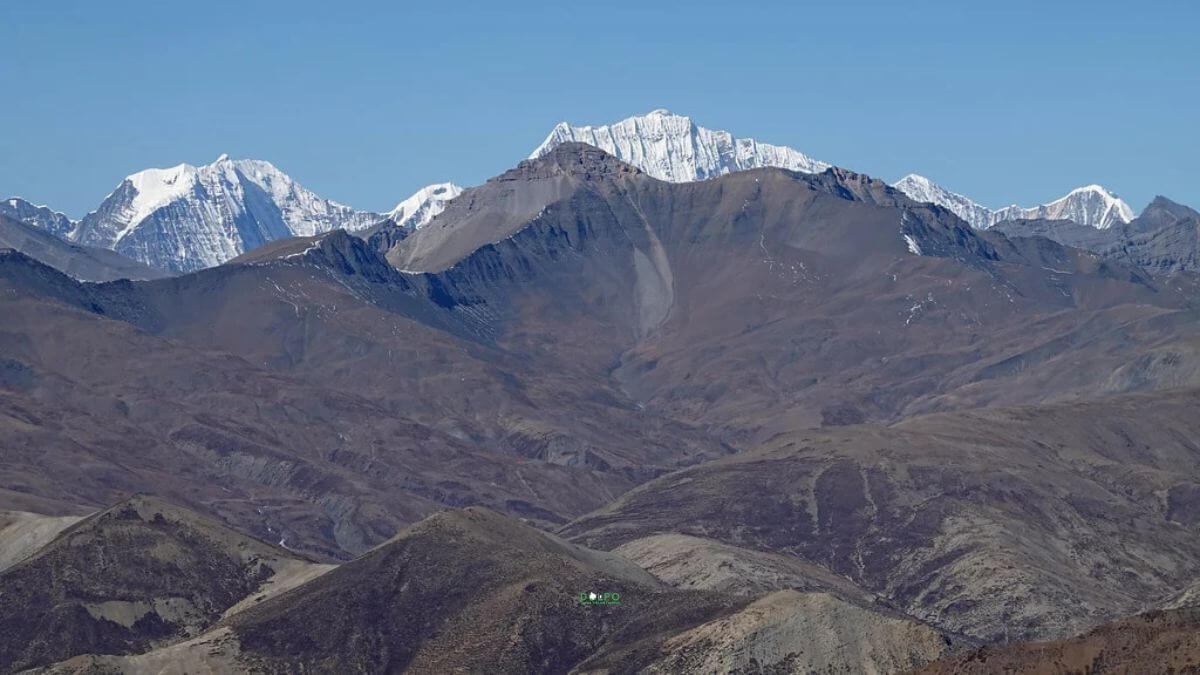
The area around Saldang La is dotted with ancient settlements where people still practice traditional agriculture and animal husbandry. The monasteries here contain priceless artifacts and murals that have been preserved by the dry climate and isolation.
What makes this pass culturally significant is its connection to the greater Saldang valley, where multiple villages maintain traditional Tibetan Buddhist practices. The people here speak Tibetan dialects and follow customs that have remained unchanged for centuries.
Elevation, Routes, and Difficulty of Dolpo’s High Passes
Here’s a quick look at Dolpo’s major high passes, their elevations, and difficulty levels. Remember, even “moderate” passes can be tough due to altitude and remoteness.
| Pass Name | Elevation (meters) | Elevation (feet) | Main Trekking Route | Difficulty |
| Kang La | 5,306-5,360m | 17,408-17,580ft | Upper Dolpo/Shey Gompa Trek | Hard |
| Nagdalo La | 5,350m | 17,552ft | Dolpo to Mustang Circuit | Hard |
| Numa La | 5,190-5,310m | 17,028-17,421ft | Dho Tarap Connection | Hard |
| Jeng La | 5,100-5,110m | 16,732-16,765ft | Shey Gompa to Saldang | Moderate-Hard |
| Saldang La | 5,200m | 17,060ft | Saldang Region Circuit | Moderate-Hard |
| Nyima Gyaltsen La (Daldong La) | 5,700m | 18,701ft | Dolpo to Mugu Trek | Hard |
The routes where these passes are crossed include the famous Upper Dolpo trek, which typically takes 18-21 days and covers multiple high passes in Dolpo. The Shey Gompa trek is another popular route that includes several of these passes.
When we talk about a high pass trek in Nepal in Dolpo, we're dealing with some serious altitude. You can spend about two weeks above 4,000 meters, which requires careful acclimatization and physical preparation.
The ratings of difficulty do not only concern the physical difficulty, but also the distance and the possibility of quick weather change. Passes that are classified as moderates in Dolpo may get very dangerous in case the conditions are not favorable.
Explore our Dolpo Region Trek Packages
Best Time to Cross High Passes in Dolpo
Timing is everything when it comes to tackling the high passes in Dolpo. Get it wrong, and your dream trek could turn into a nightmare of bad weather and dangerous conditions.
Spring Season (May-June): This is one of the best times for crossing high passes in Dolpo. The winter snow has mostly melted, but the monsoon hasn't arrived yet. Days are generally clear and sunny, though afternoons can bring clouds and wind. Temperatures are manageable, typically ranging from 5°C to 15°C at high elevations.
Autumn Season (September-October): Many consider this the absolute best time for Dolpo high pass crossings. The monsoon has ended, leaving crystal-clear skies and stable weather. The air is crisp, visibility is excellent, and the risk of snowfall is minimal. This is peak trekking season, though "peak" in Dolpo still means very few people.
Challenges during other seasons
Winter (November-April) brings heavy snow and extreme cold, making most passes impassable or extremely dangerous. The trek takes you from 150 meters in Nepalgunj to over 5,000 meters, and winter conditions at these elevations are brutal.
Monsoon season (July-August) presents different challenges. While Dolpo is in the rain shadow of the Himalayas and receives less rainfall than other parts of Nepal, the passes can still be affected by clouds, fog, and unexpected snow at high elevations.
If you’re planning high passes in Dolpo from Kathmandu, timing becomes even more important because of flight schedules. Weather delays are common, and having flexible dates is essential. The small aircraft that fly to Juphal (the gateway to Dolpo) can't operate in bad weather, so build buffer days into your itinerary.
How to Reach Dolpo and Start the Trek from Kathmandu
Getting to Dolpo isn't straightforward, it's part of what makes this region so special and remote. Here's your step-by-step guide to reaching the high passes in Dolpo from Kathmandu.
Step 1: Kathmandu to Nepalgunj: Your journey starts with a domestic flight from Kathmandu to Nepalgunj. Nepalgunj sits at just 150 meters above sea level and is heavily influenced by India, creating quite a contrast to where you'll end up. There are daily flights on this route, and the journey takes about 1.5 hours.
You can also reach Nepalgunj by bus, but it's a long, uncomfortable journey that takes 8-10 hours. Most trekkers opt for the flight to save time and energy for the actual trekking.
Step 2: Nepalgunj to Juphal: From Nepalgunj, you'll take a smaller aircraft to Juphal airport. This flight is weather-dependent and can be quite bumpy, but the views of the Himalayas are incredible. The flight takes about 45 minutes on a clear day.
Juphal airport is tiny, basically a grass strip with a small building. But it's your gateway to one of the world's last great wilderness areas.
Recommedation Read:
How to get to Dolpo from Kathmandu
Step 3: Permits Required:
- Dolpo Restricted Area Permit (expensive but necessary)
- Shey Phoksundo National Park Entry Permit
- TIMS (Trekkers' Information Management System) card
These permits must be arranged through a registered trekking agency. The restricted area permit helps protect Dolpo’s fragile environment and supports local communities.
Note: Let our Dolpo Caravan team handle your permits and flights so you can focus on the adventure!
Why the restrictions? The Nepalese government restricts entry in order to preserve the delicate environment and culture of Dolpo. The permit fees are high to assist in conservation activities and make sure that the local population is benefiting through tourism.
Important Tips:
- Flights to Juphal are small and can be canceled without much notice, so flexibility is key.
- Booking your trek with an experienced agency can help manage permits, flights, and local logistics smoothly.
- Allow extra days in your schedule to accommodate possible flight delays.
- Weather conditions can change rapidly, so always be prepared for sudden changes during your trek.
Understanding these travel logistics will help you prepare better for your adventure and ensure a smoother journey to Dolpo’s spectacular high passes.
Also, If you are travelling Dolpo from Pokhara and wondering how to reach Dolpo from Pokhara, Click here.
Cultural & Natural Highlights Around Dolpo’s High Passes
The high passes in Dolpo aren't just about the physical challenge; they're gateways to incredible cultural and natural experiences that you won't find anywhere else.
Monasteries and Spiritual Sites:
Shey Gompa is the crown jewel of Dolpo's spiritual heritage. This 800-year-old monastery sits at over 4,300 meters and houses priceless artifacts, ancient texts, and stunning murals. The monastery is built around Crystal Mountain, a towering rock formation that's considered sacred by local Buddhists.
The gompa isn't just a tourist attraction; it's a living, breathing spiritual center where monks still practice ancient rituals. During certain times of the year, pilgrims from across the Himalayas come here to perform kora (circumambulation) around Crystal Mountain.
Other important monasteries include the one at Samling, which offers incredible views across the Dolpo landscape, and smaller gompas scattered throughout the region. Each has its own unique character and spiritual significance.
Wildlife Encounters:
The high-altitude environment around Dolpo's passes supports unique wildlife adapted to extreme conditions. Blue sheep (bharal) are commonly spotted on the slopes leading to passes. These sure-footed animals are perfectly adapted to the rocky terrain and thin air.
Snow leopards roam these mountains, though spotting one requires incredible luck. Their presence is more often indicated by tracks in the snow or sightings of their prey. The region is actually one of the better places in Nepal for snow leopard research and conservation.
Himalayan birds add color and life to the stark landscape. You might spot golden eagles soaring on thermal currents, or catch glimpses of snow pigeons and alpine choughs. The variety of bird life is surprising given the harsh environment.
The landscape itself is a natural wonder. The geological formations around the passes tell the story of massive tectonic forces that pushed these rocks skyward millions of years ago. The colors range from deep reds and oranges to pale yellows and grays, creating a natural art gallery against the backdrop of snow-capped peaks.
Tips for Trekking Dolpo’s Highest Pass
Successfully crossing the highest pass in Dolpo requires more than just physical fitness; it demands careful planning, proper gear, and smart decision-making.
Preparing for the Dolpo high pass means packing for sudden weather changes and high altitude. Make sure your gear is suitable for cold nights and rocky trails.
Here are the essential tips that could make or break your adventure.
- Acclimatization is key. Spend about two weeks above 4,000 meters and avoid climbing too fast to prevent altitude sickness. Gain no more than 300-500 meters of sleeping elevation each day once above 3,000 meters.
- Gear up well. When trekking the high pass in Dolpo, such as Kang La, bring a sleeping bag rated for -15°C or colder to handle the extreme conditions. And don’t forget glacier glasses to protect your eyes from strong UV rays. (Note: trekking gear in Nepal)
- Watch the weather. Start crossing passes early to avoid afternoon storms. Always have a backup plan and shelter options if conditions worsen.
- Prepare mentally. Expect long stretches of silence and isolation in this remote region with different cultural norms – respect local customs and stay curious.
- Stay safe. Carry a special telephone that will work everywhere since ordinary telephones will not get a connection. Travel insurance covering high-altitude evacuation is essential since rescue operations can be costly and delayed.
Final Takeaway: Trekking Dolpo’s Highest Pass
Trekking the highest pass in Dolpo is more than just a physical adventure. It is a journey into one of Nepal’s last untouched wilderness regions. From Kang La to Numa La and Jeng La, each Dolpo high pass offers breathtaking scenery, Tibetan Buddhist culture, and the kind of solitude that makes Dolpo so special.
It is truly a journey of the rewards: with the right timing, acclimatization and proper preparation, you will be rewarded by panoramic views of the Himalayas, old monasteries and cultural experiences that are an unmatched part of Nepal. If you’re searching for the ultimate high pass trek in Nepal, Dolpo is unmatched for its raw beauty and sense of discovery.
Ready to experience the high passes in Dolpo from Kathmandu? At Dolpo Caravan, we organize fully guided treks that cover Kang La, Numa La, Jeng La, and more — complete with permits, logistics, and experienced local guides. Contact us today and start planning your Dolpo adventure.
FAQs
What is the Dolpo highest pass?
The highest pass in Dolpo is Kang La Pass, reaching about 5,320 meters (17,450 feet). It is a part of the Upper Dolpo trek and leads to Shey Gompa, one of the region’s most sacred monasteries.
How high is the highest pass in Dolpo?
Kang La Pass is approximately 5,320 meters (17,450 feet) above sea level, making it one of the highest trekking passes in Nepal.
Which trek includes Dolpo’s highest pass?
The Kang La Pass is part of the Kang La Trek, which connects Upper Dolpo to the lower Dolpo region and is often included in extended Dolpo trekking itineraries.
What is the difficulty of crossing Dolpo’s highest pass?
Crossing Kang La Pass is considered very difficult due to its extreme altitude, steep ascents and descents, and unpredictable weather patterns. You must have strong physical endurance, proper acclimatization, and experience with high-altitude trekking to safely navigate this challenging route.
When is the best time to cross high passes in Dolpo?
The best time to cross high passes in Dolpo is during the pre-monsoon season (late April to early June) and the post-monsoon season (late September to November). The weather is generally stable, skies are clear, and the trails are mostly free of snow, making for safer and more enjoyable trekking conditions.
How do you reach Dolpo’s high passes from Kathmandu?
You can reach Dolpo’s high passes fom Kathmandu by flying from Kathmandu to Nepalgunj or Juphal, the gateway to Dolpo, followed by a trek or jeep ride to the high pass regions. The journey involves multiple days of trekking through remote and rugged terrain.
What are other high passes in Dolpo besides the highest one?
Dho La Pass (around 5,000 meters) and the Yari La Pass are the other high passes in Dolpo besides the highest one. These passes also offer challenging routes and spectacular views within the Dolpo region.
Can I book a Dolpo trek with a travel agency?
Yes, you can book the Dolpo high pass treks through a registered trekking agency(Dolpo Caravan) in Kathmandu. We help with restricted area permits, logistics, guides, and safety so you can focus on the adventure.
How many days does a Dolpo high pass trek take?
Most Dolpo high pass treks take 18–25 days depending on the route and number of passes crossed. The classic Upper Dolpo and Shey Gompa trek is about 21 days, while longer circuits including Mustang may take a month.
What gear is essential for crossing a high pass in Dolpo?
In Dolpo highest pass, the necessary equipment is layered clothes, strong footwear, -15°C sleeping bag,and glacier glasses, trekking poles to cope with the altitude and rough conditions.

Leave Your Comment