
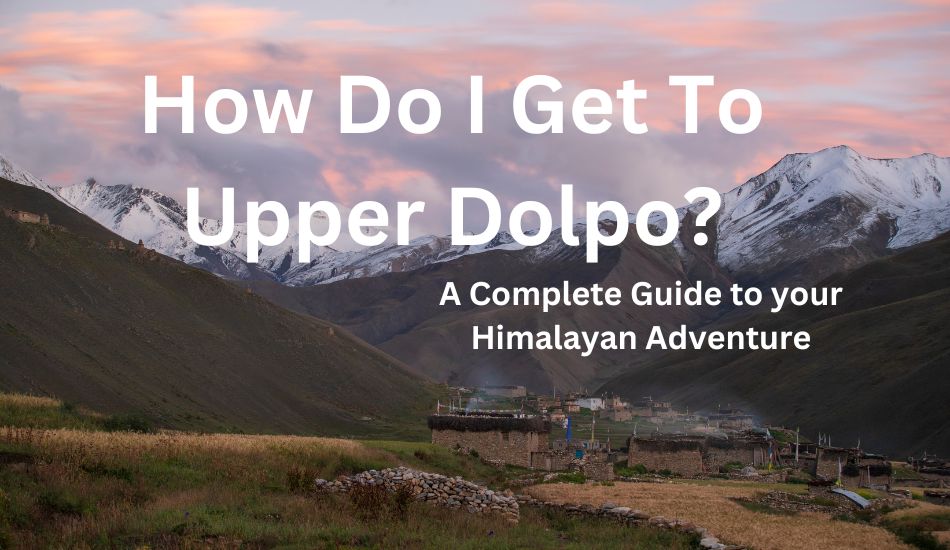
How Do I Get to Upper Dolpo? A Complete Guide to Your Himalayan Adventure
You can reach Upper Dolpo by first flying from Kathmandu to Nepalgunj, then taking another flight from Nepalgunj to Juphal in Dolpo. From Juphal, the only way to reach Upper Dolpo is by multi-day trekking through villages, passes, and valleys with the required permits and a licensed guide.
Upper Dolpo is one of the most hidden and untouched trekking regions of Nepal. It is remote, mysterious, and full of natural beauty. Many travelers dream of reaching Upper Dolpo, but the first question they ask is simple — how do I get there? Unlike popular trekking areas such as Everest or Annapurna, Dolpo does not have direct road access. Getting there takes careful planning, flights, and days of trekking through mountains and valleys.
In this guide, I will explain the different ways to reach Upper Dolpo, what permits you need, the trek itinerary, cost, and everything you should know before starting this unforgettable adventure.
What Makes Upper Dolpo So Special?
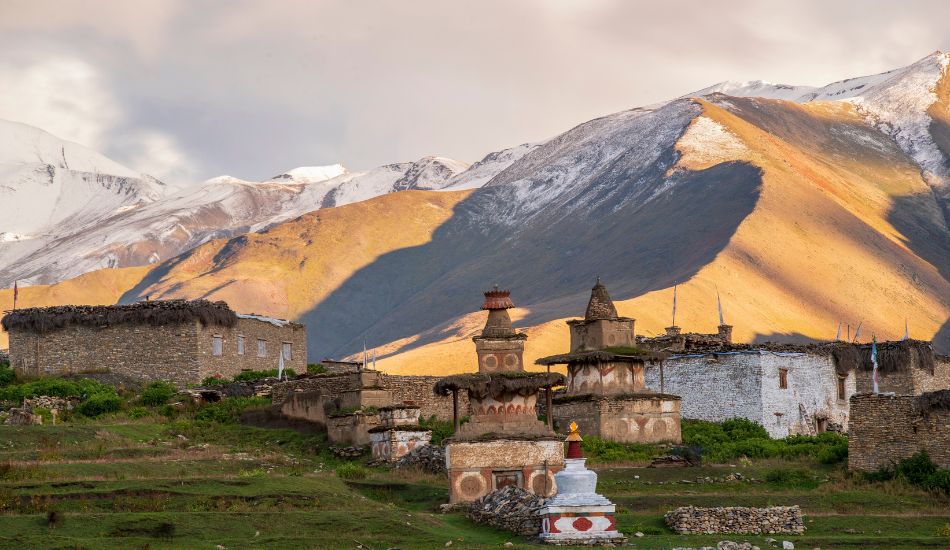
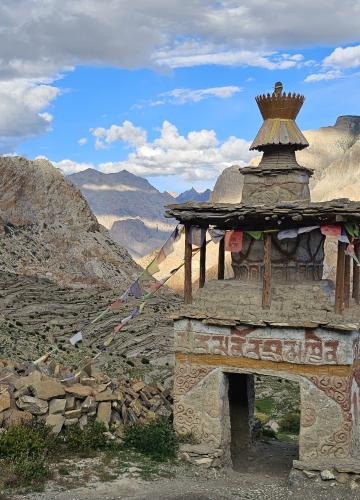
Before we talk about how to get there, let’s see why Upper Dolpo is so amazing. This area is one of the last places in Nepal where Tibetan culture is untouched by the outside world. Ancient monasteries cling to the mountains, local traditions are very much alive, and it feels like time moves slower here.
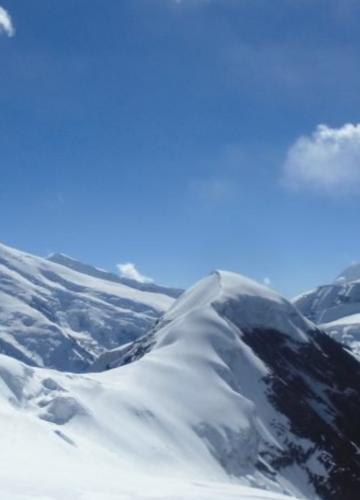
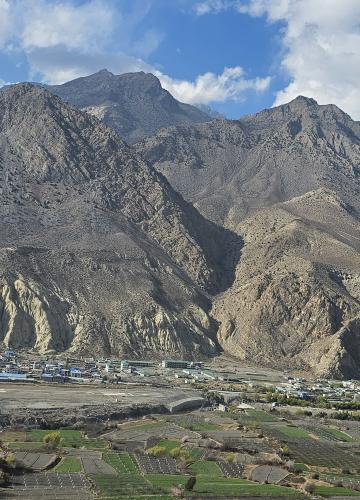
The scenery is just as incredible. You’ll find wide, empty valleys, towering snow-covered peaks, turquoise lakes, and small villages that look like they were carved out of the mountains. No wonder adventurers from around the world dream of visiting this hidden gem.
Getting to Upper Dolpo: The Journey Begins
So, how do you actually get to Upper Dolpo? It’s not easy, but that is a part of the adventure! Here’s a simple step-by-step guide:
Step 1: Arrive in Kathmandu
Your journey starts in Kathmandu, You will organize trekking permits in Kathmandu, purchase supplies and assemble with your guide or trekking team. And aslo plan to spend a few days here to get everything ready before heading to the mountains.
Recommednation Read:
Where to Buy Trekking Gear in Nepal?
Permits You’ll Need:
- Restricted Area Permit: Upper Dolpo is a restricted area, which means you’ll need a special permit to trek here. This permit is more expensive than regular trekking permits and must be arranged through a registered trekking agency.
- Trekking Information Management System (TIMS) Card: This is a standard requirement for all trekkers in Nepal.
Step 2: Fly to Nepalgunj
From Kathmandu, take a short flight to Nepalgunj, a town in southwestern Nepal near the Indian border. Nepalgunj is the gateway to Dolpo and other remote regions.
Step 3: Fly to Juphal
Next, you’ll take a small flight to Juphal, the starting point of your trek. There are no roads to Upper Dolpo, so flying is the fastest way to reach this remote region. Flights can sometimes be delayed due to weather, so keep your schedule flexible.
Expert Advice: Flights to Juphal can be delayed or canceled due to weather conditions, so it’s wise to have some flexibility in your schedule.
The Trekking Route: Step-by-Step to Upper Dolpo | Itinerary
Once you reach Juphal, it’s time to start trekking. The Upper Dolpo trek is challenging, but every step is worth it. Here is a typical short and sweet itinerary:
Day 1: Juphal to Dunai
- Distance: 3-4 hours trekking
- Elevation: 2,850 meters
You will start with a short walk from Juphal to Dunai, the capital of district. This short walk is a comfortable day to acclimatize to the altitude and get into the trekking rhythm.
Day 2-3: Dunai to Chhepka to Renje
- Distance: 6-7 hours trekking each day
- Elevation: 3,040 meters
The trail takes you through beautiful forests and along the banks of the Phoksundo River. You’ll pass through small villages, where you can get a glimpse of local life. These days are more about getting deeper into the remote wilderness.
Day 4: Renje to Ringmo and Phoksundo Lake
- Distance: 5-6 hours trekking
- Elevation: 3,600 meters
One of the highlights of the trek is reaching Phoksundo Lake, a stunning turquoise lake surrounded by mountains. The village of Ringmo, located near the lake is a perfect spot to rest and acclimatize.
Day 5-6: Rest and Acclimatization at Phoksundo Lake
Acclimatization is key to a successful trek, so take these days to explore the area around Phoksundo Lake. You can visit the nearby monastery or simply relax and take in the views.
Day 7-8: Phoksundo Lake to Shey Gompa via Kang La Pass
- Distance: 8-9 hours trekking
- Elevation: 5,150 meters (Kang La Pass)
This is one of the most challenging parts of the trek, crossing the high Kang La Pass. The climb is steep but once you reach the top, the views are unforgettable. You’ll then descend to Shey Gompa, an ancient monastery and a major pilgrimage site.
Day 9-10: Shey Gompa to Saldang
- Distance: 6-7 hours trekking each day
- Elevation: 3,903 meters
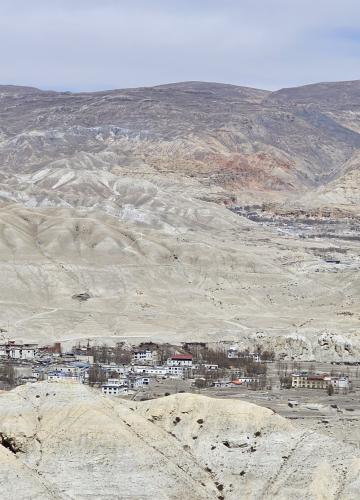
From Shey Gompa, the trail takes you through the heart of Upper Dolpo. You’ll pass through high-altitude deserts and small, isolated villages. Saldang is one of the largest villages in the region and a great place to learn about the local culture.
Day 11-14: Saldang to Juphal
- Distance: 6-7 hours trekking each day
The return journey takes you back to Juphal, following a different route that offers new scenery and experiences. By the time you reach Juphal, you’ll have completed an incredible journey through one of the most remote regions in the world.
Explore Our Dolpo Region Trekking Packages:
- Snow Leopard Trek, Upper Dolpo - 14 Days
- Upper Dolpo Trek - 27 Days
- Beni Dolpo Trek via Dhorpatan - 26 Days
- Phoksundo Lake Tea House Trek - 12 Days
- Mugu Dolpo Trek Via GHT - 27 Days
- Lower Dolpo Trek - 18 Days
How Much Upper Dolpo Cost?
Trekking in Upper Dolpo is a significant investment, both in time and money. So, let’s break down the Upper Dolpo cost:
Permits and Fees:
- Restricted Area Permit: Approximately $500 per person for a 10-day trek.
- TIMS Card: $10-$20 per person.
Flights:
- Kathmandu to Nepalgunj: Around $150 one way.
- Nepalgunj to Juphal: Around $180 one way.
Guide and Porter:
- Guide: $25-$30 per day.
- Porter: $20-$25 per day.
Accommodation and Food:
- Lodges/Teahouses: $5-$10 per night.
- Meals: $20-$30 per day.
Total Cost:
Assuming a 20 day trip, that is approximately between 3,000-4,000 dollars a person, depending on what services you want.
What to Expect: The Dolpo Experience
Not everyone can go trekking in Upper Dolpo. The roads are rough, the terrain is elevated and the area is extremely isolated. However, when you are willing to take up the challenge, then you will have a time of your life.
The People
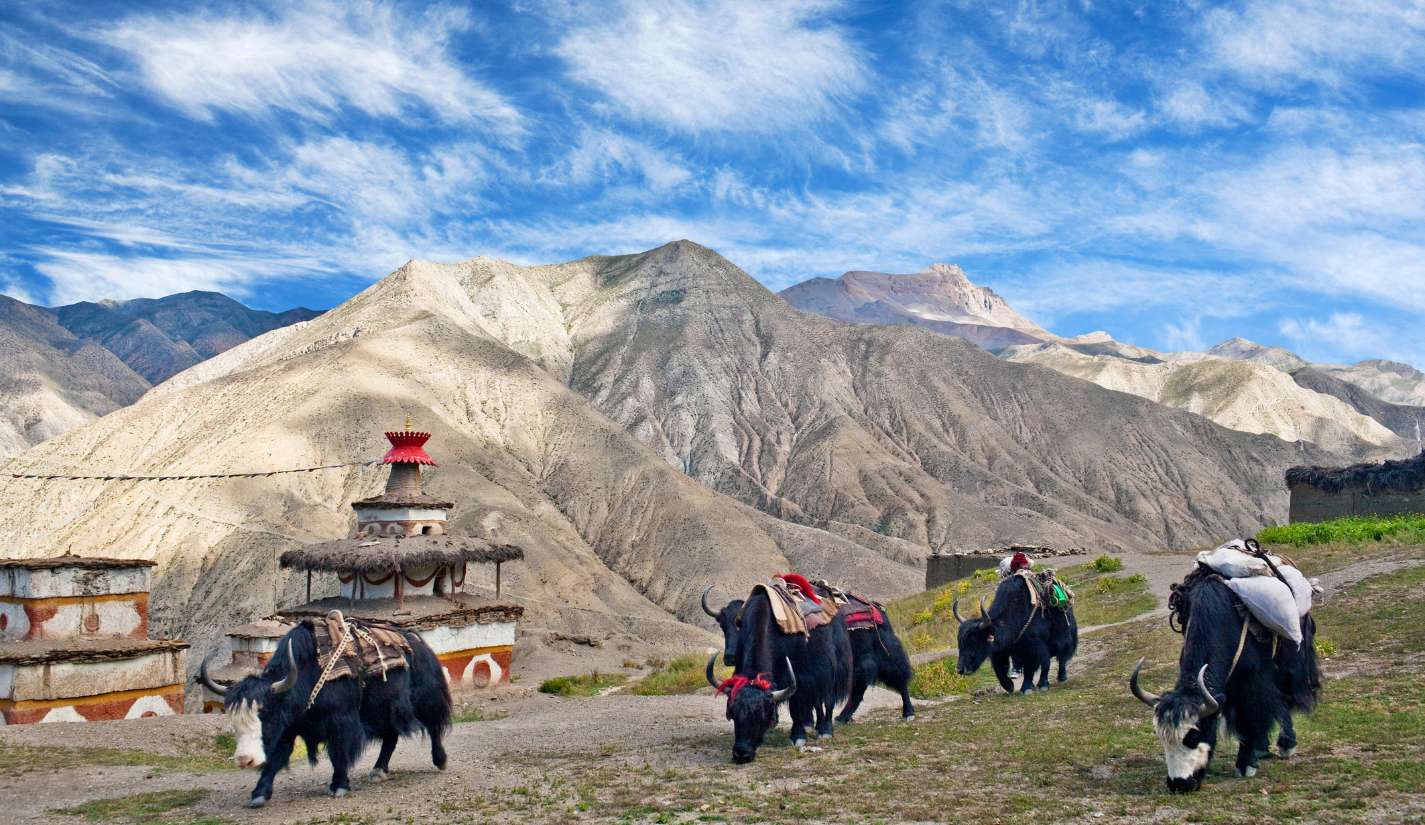
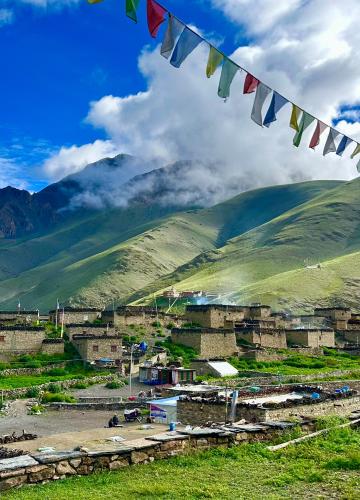
The locals are mostly of Tibetan descent, and their culture is deeply linked to Tibetan Buddhism.You will also see prayer flags flying, go to old monasteries and perhaps even attend traditional festivals.
The Wildlife
Upper Dolpo is part of Shey Phoksundo National Park, a protected area home to rare animals like snow leopards, blue sheep, and Himalayan griffons. Keep your eyes open while trekking—you never know what you might see!
The Culture
The culture here is spiritual and closely tied to Buddhism. You’ll get the chance to visit important monasteries, like Shey Gompa, which is considered the spiritual heart of the region.
Recommended Read: Upper Dolpo vs Upper Mustang | Best Dolpo Treks in Nepal
Best Time to Trek to Upper Dolpo
The best time for trekking in Dolpo is during the spring (April-May) and autumn (September-October) seasons. The weather is not unpredictable during these months, and the skies are also clear, which provides the best conditions to trek.
Best Seasons for Upper Dolpo Trek
Prepare for Your Trek
Trekking in Upper Dolpo requires a good level of fitness and preparation. Here are some tips to help you get ready:
- Physical Preparation: Start training a few months before. Focus on cardio, strength, and hiking with a backpack.
- Gear: Get good gear—warm sleeping bag, sturdy boots, and layered clothing.
- Health: Check with your doctor before the trek, update vaccinations, and consider bringing medicine for altitude sickness.
Read Blog: How Difficult is Upper Dolpo Trek
Final Thought: Upper Dolpo Awaits You!
Reaching Upper Dolpo is not easy, but that is exactly what makes the journey so special. You cross high passes, encounter local people who are living near Tibetan culture and you walk in the land where nature still feels to be wild and pure. The trek is long and demanding, but it rewards you with experiences you cannot find anywhere else in Nepal.
Dolpo Caravan Treks is also ready to organize your permits, flights, guides and entire trekking support in case you are willing to take this adventure. Your vision of traveling to Upper Dolpo can be realised with proper planning and a reliable crew.
FAQs
How difficult is the trek to Upper Dolpo?
The trek is quite challenging. The trails are rough, the altitude is high, and the region is very remote. You need good physical fitness and some trekking experience. With the right guide and preparation, it is possible for adventurous trekkers.
How long does it take to complete the Upper Dolpo trek?
Most itineraries take around 25 to 30 days. This includes trekking, acclimatization, and return days. Some treks may be shorter or longer depending on the route.
Can I trek to Upper Dolpo independently, or do I need a guide?
Due to the restricted nature of Upper Dolpo, trekking independently is not allowed. You must trek with a licensed guide and be part of a group organized by a registered trekking agency. This rule helps preserve the area and ensures the safety of trekkers.
What is the best time of year to trek to Upper Dolpo?
The best time to trek to Upper Dolpo is during the spring (April-May) and autumn (September-October) seasons. These months offer comfortable temperatures, stable weather and clear skies. Monsoon season (June-August) and winter season (December-February) are not recommended.
How much does it cost to trek to Upper Dolpo?
The cost of trekking to Upper Dolpo can range from $3,000 to $4,000 per person, depending on various factors such as the length of the trek, the level of service, and the number of people in your group. This cost typically includes permits, flights, guide and porter fees, accommodation, and meals.
What kind of accommodation is available in Upper Dolpo?
Accommodation in Upper Dolpo is basic. You’ll mostly stay in teahouses or lodges, which offer simple rooms and shared facilities. In some remote areas, camping might be necessary. The focus here is more on the experience than luxury, so be prepared for modest living conditions.
Is altitude sickness a concern on the Upper Dolpo trek?
Yes, there is the issue of altitude sickness because of the elevation where the trek takes place, some of the passes are above 5,000 meters. It is essential to acclimatize properly, stay hydrated, and be aware of the symptoms of altitude sickness. If symptoms persist, descending to a lower altitude is crucial.
Do I need travel insurance for trekking in Upper Dolpo?
Actually, it is strongly advised to get travel insurance when walking in the Upper Dolpo. Make sure that emergency evacuation, medical treatment, and high-altitude trekking are all covered by your coverage. Having trustworthy insurance is crucial for your safety and comfort of mind, especially considering how remote the expedition is.
What kind of food can I expect during the trek?
Food is simple but filling. You can expect dal bhat (rice and lentils), noodles, potatoes, eggs, and sometimes meat. Carrying some energy bars or snacks is a good idea.
Can I charge my electronic devices during the trek?
Charging facilities are limited in Upper Dolpo, especially in remote areas. Some teahouses might offer charging for a fee, but it's not always reliable. It’s a good idea to bring extra batteries or a portable solar charger if you need to keep your devices powered.
What should I pack for the Upper Dolpo trek?
Pack essentials like a warm sleeping bag, trekking poles, sturdy hiking boots, layered clothing, a good-quality backpack, first aid kit, water purification tablets, and personal hygiene items. It’s also important to carry cash, as ATMs are nonexistent in this remote region.
How safe is trekking in Upper Dolpo?
In general, trekking in Upper Dolpo is safe, especially when done so with a certified guide who is familiar with the area. However, there are not many hospitals or rescue services in the area due to its remoteness. It is crucial to hike with a reliable organization and be ready for the difficulties that come with hiking at high altitudes.
How do I get a Restricted Area Permit for Upper Dolpo?
Only authorized trekking agencies in Nepal are able to provide the Upper Dolpo Restricted Area Permit. You are unable to apply on your own. The organization will submit your application on your behalf; typically, it will need copies of your passport, visa, and identification.
What cultural norms should I be aware of in Upper Dolpo?
Upper Dolpo is a region deeply rooted in Tibetan Buddhism, so it’s important to respect local customs. Always ask for permission before photographing people, dress modestly, and be mindful when visiting monasteries. Avoid touching religious objects or stepping over them.
Can solo trekkers go to Upper Dolpo?
No. Solo trekking is not allowed in Upper Dolpo because it is a restricted area. You must join a group and trek with a licensed guide through an authorized trekking agency.
Do you need a guide for Upper Dolpo?
Yes. A guide is compulsory in Upper Dolpo. The region is remote, the trails are long, and special permits are required. A guide helps with navigation, safety, and communication with locals.
What is the highest altitude point on the Upper Dolpo trek?
The trek usually crosses Kang La Pass at about 5,150 meters (16,896 ft). This is the highest point on the route and one of the most challenging sections of the trek.
How safe is Upper Dolpo for first-time high-altitude trekkers?
Upper Dolpo is a tough trek and not ideal for complete beginners. The high altitude, remote trails, and long duration make it more suitable for trekkers with some experience. If it’s your first high-altitude trek, prepare well, travel with an experienced guide, and allow enough days for acclimatization.

Leave Your Comment