
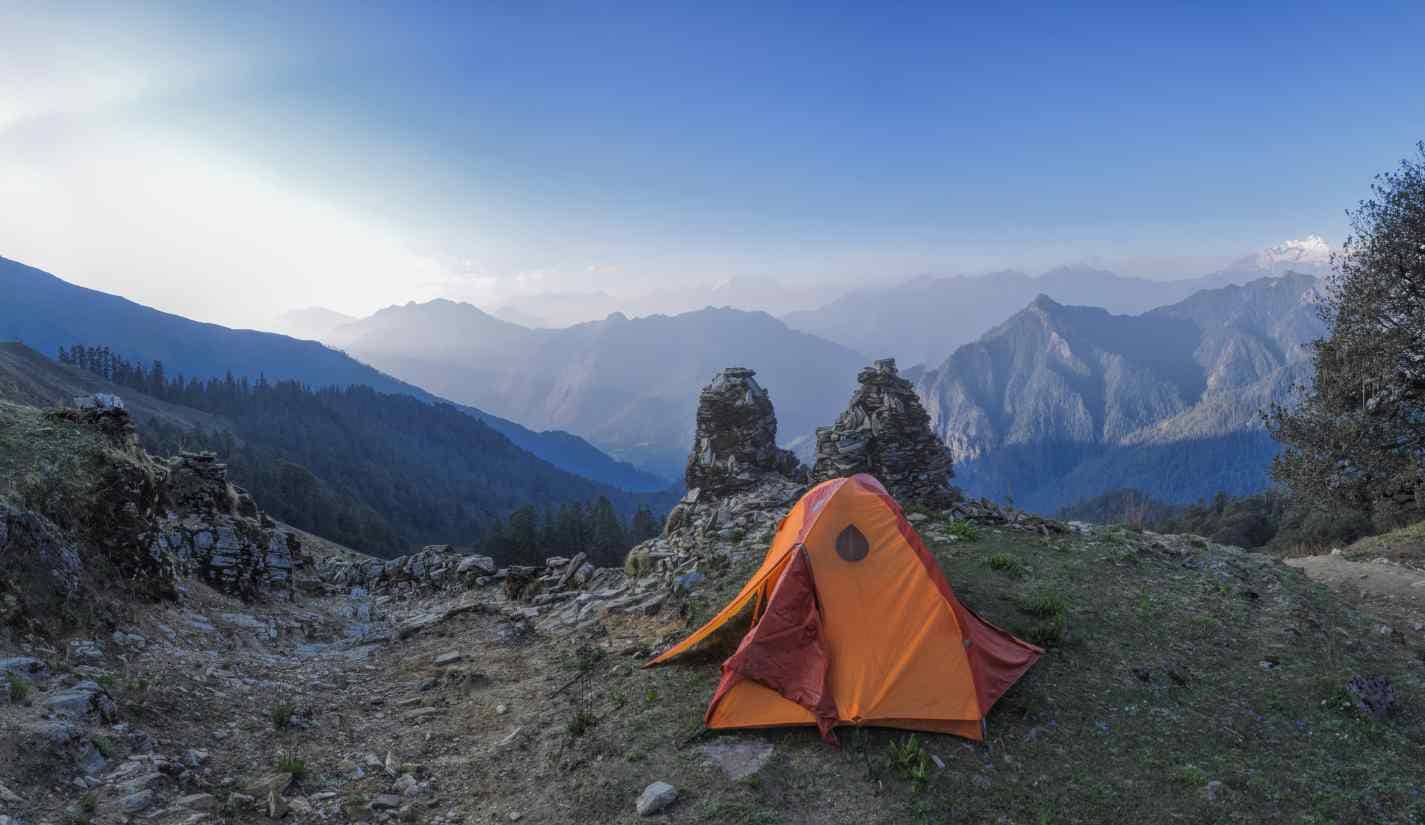
Best Season for Upper Dolpo Trek: (Updated Guide 2025)
The best time for the Upper Dolpo trek is mid-April to May in spring and mid-September to late October in autumn. These months offer clear skies, safe mountain passes, and comfortable weather, making them the most reliable and rewarding periods for trekking in this remote region of Nepal.
Choosing the right season can make or break your Upper Dolpo adventure. Knowing the best time to trek in Nepal and the best season for trekking in Nepal ensures safer trails, better weather, and a more enjoyable journey.
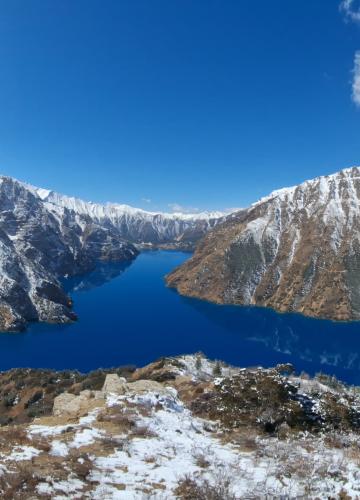
The region is one of the most remote and culturally unique parts of Nepal. Famous for its ancient monasteries, Tibetan influence, and dramatic landscapes, this Upper Dolpo Trek is both rewarding and demanding. Harsh weather, high passes like Shey La, Jeng La, and Kang La, and limited facilities mean that timing your journey is very important.
This guide explains the best season for Upper Dolpo Trek. We will explore the climate, weather conditions, recommended months, and even what to pack for each season.
General Climate and Weather Throughout the Year
The Upper Dolpo region lies in the rain shadow of the Himalayas, which means it gets much less rainfall than most parts of Nepal. This makes the weather different compared to other trekking destinations. While it is drier, it is also colder and harsher at high altitudes.
- Winter (December to February): Very cold with heavy snow, making trails almost impassable.
- Spring (March to May): Pleasant days with blooming flowers, but chilly nights and snow on higher passes.
- Summer or Monsoon (June to August): Although Upper Dolpo is dry compared to other parts of Nepal, lower areas can get rain and flights are often delayed.
- Autumn (September to November): Clear skies, dry trails, and moderate temperatures make this the best season for trekking.
Understanding Upper Dolpo trek weather and climate helps you plan the safest and most enjoyable journey.
Quick Comparison on Best Season of Upper Dolpo Trek
If you are looking for a direct answer, here is a summary of the Upper Dolpo trekking season:
| Season | Best Months | Avg. Temp (Day/Night) | Highlights | Challenges | Difficulty |
| Spring | Mid April to May | 10–17°C / –5 to 5°C | Colorful flowers, warmer days, fewer trekkers | Snow at high passes, cold nights | Moderate |
| Summer | June to August | 15–20°C / 5–10°C | Green valleys, cultural festivals, dry trails in rain shadow | Flight delays, leeches in lower areas | Moderate |
| Autumn | Mid September to late October | 12–18°C / –3 to 5°C | Clear skies, stable weather, best trekking conditions | Crowded trails, chilly nights | Easy |
| Winter | November to February | –5 to 5°C / –15 to –5°C | Quiet trails, snowy landscapes | Extreme cold, closed passes, limited lodges | Hard |
From this overview, autumn stands out as the ideal season for Upper Dolpo trek, with spring as the second best option.
Overview of Seasons in Upper Dolpo
Upper Dolpo sits behind the high Himalayan wall, creating a rain shadow. It receives far less rain than many other regions of Nepal. This makes trekking possible even during the summer monsoon, while other trails remain very wet. The weather is still serious though. At high passes the wind can be strong and nights can be very cold. Every season changes how the trail feels, how safe the passes are, and how easy it is to fly in and out.
Think of the year in four clear parts.
- Spring brings warmer days and flowers.
- Summer brings clouds and some rain in lower areas but the core Dolpo valleys stay much drier.
- Autumn brings the most stable skies and the best clarity for views.
- Winter brings deep cold and heavy snow that can close the passes.
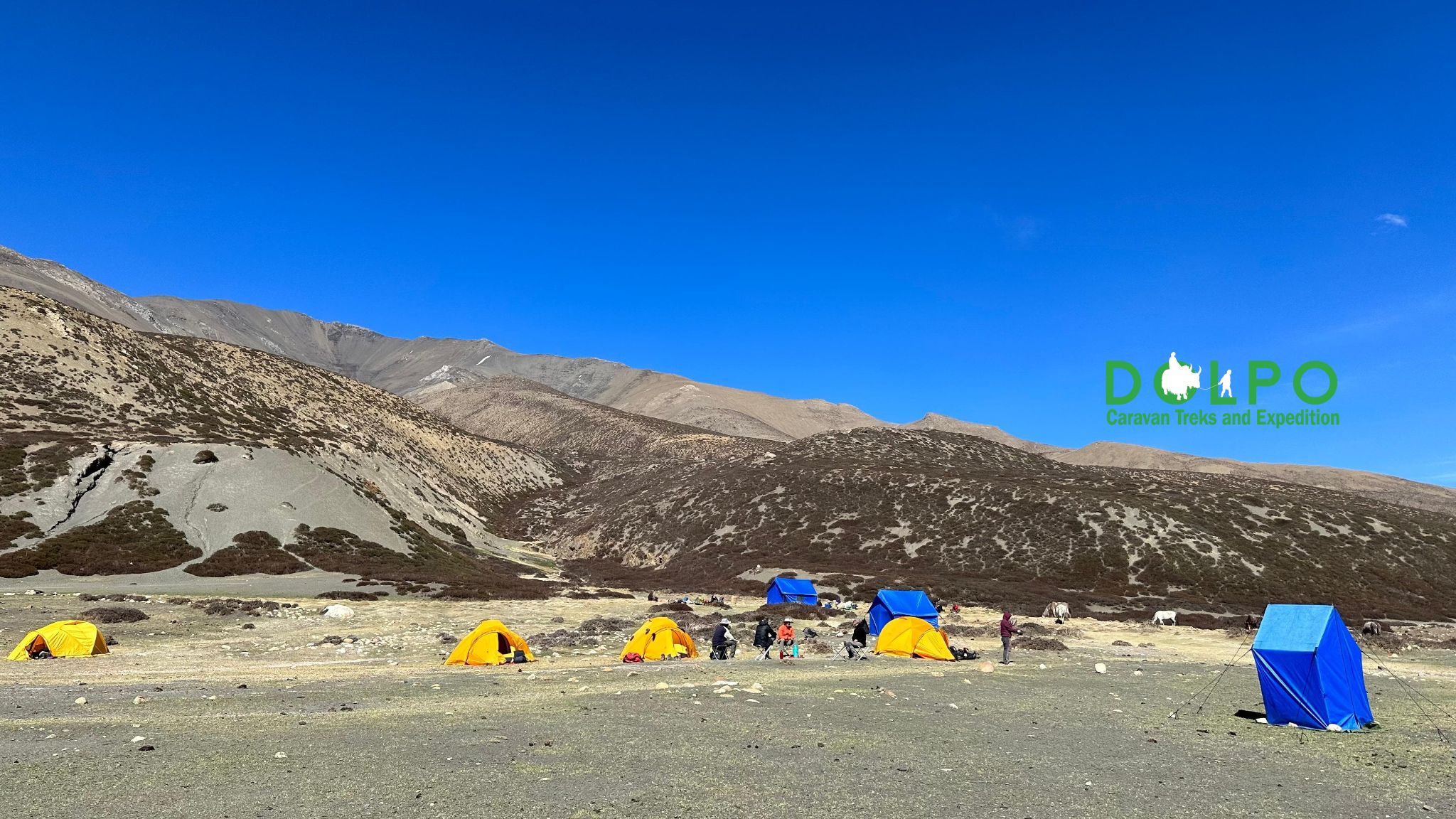
If you are wondering about the best time to trek in Nepal, this is a great example of how timing changes the whole journey. Choosing the right window gives you safer trails, reliable flights, and a smoother plan.
Trekking in Spring from mid April to May
Weather and Temperature
Spring in Upper Dolpo feels fresh. Days are usually comfortable and nights are cold but not harsh. At lower elevations you can expect a daytime range from about 10 to 17 degree Celsius. At night the range is from about -5 to 5 degree Celsius. The sky is often clear in the morning with some clouds in the afternoon. Wildflowers begin to bloom and the hills show more color each week.
Trail Conditions and Scenery
Snow from winter still hides in shaded places, especially on the north side of high passes. By the second half of April most of the snow on the main routes becomes firm or melts away. Streams carry more water as the ice softens. Forest sections and meadows around villages turn green. This is a wonderful time for photography because you get fresh color and clean air.
Advantages
- Views are wide and bright which is perfect for photos and for enjoying the landscape.
- Daytime walking feels easier because the temperature stays in a friendly range.
- Flowers and alpine plants begin to bloom which gives the valleys a lively look.
- Trails are quieter than in peak autumn so you enjoy more peace while walking.
Challenges
- Early April can still bring patches of snow on the big passes like Shey La and Kang La which can slow the team.
- Weather at Nepalgunj and Juphal can shift quickly. Morning flights are usually best but they can still be delayed.
- Nights remain cold so you need proper layers and a warm sleeping bag.
Who should pick spring
Choose spring if you want color, mild days, and fewer people. If you like nature and do not mind chilly nights, this is a very good choice for upper dolpo trekking. It is also one of the best times for trekking in Nepal in general.
Trekking in Summer or Monsoon from June to early September
Weather and Temperature
Dolpo is in a rain shadow, so it stays much drier than places like the Annapurna foothills during the monsoon. Daytime temperatures often sit between 15 to 20 degree Celsius. Nights are usually between 5 to 10 degree Celsius. Expect more cloud cover and some mist on ridges. Lower sections outside the core Dolpo valleys can still get rain, so the approach days may feel humid.
Trail Conditions and Scenery
This is the season of green. Terraces and pastures glow with new grass. Rivers run stronger. Wildflowers continue to bloom in high meadows. The air feels full of life in the villages. You may meet more local people on the trails as they move between fields and pastures.
Advantages
- Trails are quiet. You may walk for hours without meeting other groups which gives a deep feeling of solitude.
- Traditional events and village life are in full swing. This is a great time to learn about culture.
- Valleys look rich and green which gives a different beauty than the dry look of late autumn.
Challenges
- Flights from Nepalgunj to Juphal and back can face delays because of clouds or wind. Always keep two to three buffer days in your plan.
- Lower approach sections can be muddy and may have leeches after rain. Salt, gaiters, or anti leech socks help.
- Views from high ridges can be blocked by cloud. If your goal is sharp mountain photos, this season is not the best.
Who should pick summer
Choose summer if you value culture, green valleys, and empty trails, and if you can accept a flexible plan. Dolpo is one of the few places where monsoon trekking can still work. It is not the best season for trekking in Nepal overall, but the unique dry climate makes the dolpo trek possible for patient travelers.
Trekking in Autumn from mid September to late October
Weather and Temperature
Autumn is the champion season for the upper dolpo trek. After the monsoon retreats the air turns clear and calm. Daytime temperatures range from about 12 to 18 degree Celsius. Nights are from about -3 to 5 degree Celsius. The sky is often deep blue with long windows of stable weather.
Trail Conditions and Scenery
Trails are firm and dry. Streams are easier to cross. High passes are open most days with good footing. The light is perfect for photography from sunrise to late afternoon. The land looks golden and the air feels crisp. Many trekkers consider this the finest walking weather of the year.
Advantages
- Highest success rate for completing the full route and crossing the big passes because weather is steady.
- Ideal for photography with bright skies and long views.
- Flights are more reliable than in summer which supports a tight schedule.
- Villages are active after harvest which adds warm cultural moments.
Challenges
- This is the most popular time. Flights, guides, and permits can sell out early. Book in advance to get your preferred dates.
- Prices for logistics can be higher due to demand.
- Nights grow colder toward late October, so pack strong layers.
Who should pick autumn
If you want the safest plan, the best chance of smooth flights, and the clearest skies, choose autumn. This is the best season for trekking in Nepal and the top choice for upper dolpo trekking.
Trekking in Winter from November to March
Weather and Temperature
Winter in Dolpo is beautiful but very severe. Daytime temperatures can sit from 15 to 5 degree Celsius. Nights often drop from -15 to -5 degree Celsius. Storms can arrive with little warning at high ground.
Trail Conditions and Scenery
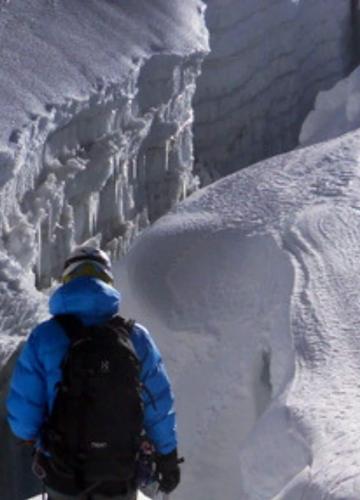
Fresh snow paints the valleys white and makes everything quiet. The air can be crystal clear after a snow event. However deep snow often blocks the main passes for long periods. River crossings can freeze and side hills can turn icy which is risky without proper traction.
Advantages
- True solitude with almost no other trekkers on the route.
- On clear days the winter light can be stunning for photos.
Challenges
- Many lodges and camps shut down for winter which limits places to stay and resupply.
- Major passes can be closed by deep snow which can stop progress.
- Extreme cold increases risk of frostbite and makes camping difficult.
Who should pick winter
Winter is only for very experienced teams with full cold weather equipment, flexible schedules, and strong support. For most travelers it is better to choose spring or autumn.
Recommended Season for Upper Dolpo Trek
If you want the best overall experience, choose autumn from mid September to late October. This is the ideal season for Upper Dolpo trek because of clear skies, stable weather, and safe trail conditions. Spring is also a very good alternative for those who want a quieter journey and to see flowers in bloom, but you may face snow at high passes in early spring.
No matter which season you choose, keep in mind that Upper Dolpo is a remote and high altitude trek. The trail is challenging, and preparation is very important.
However, considering the difficulty of the Upper Dolpo Trek, it is essential to prepare for challenging terrain and high altitudes, regardless of the season.
Given the trek's challenging terrain and high altitudes, you must be well-prepared, regardless of your chosen season. For more information on the best trekking routes, see our post on the Best Dolpo Treks in Nepal.
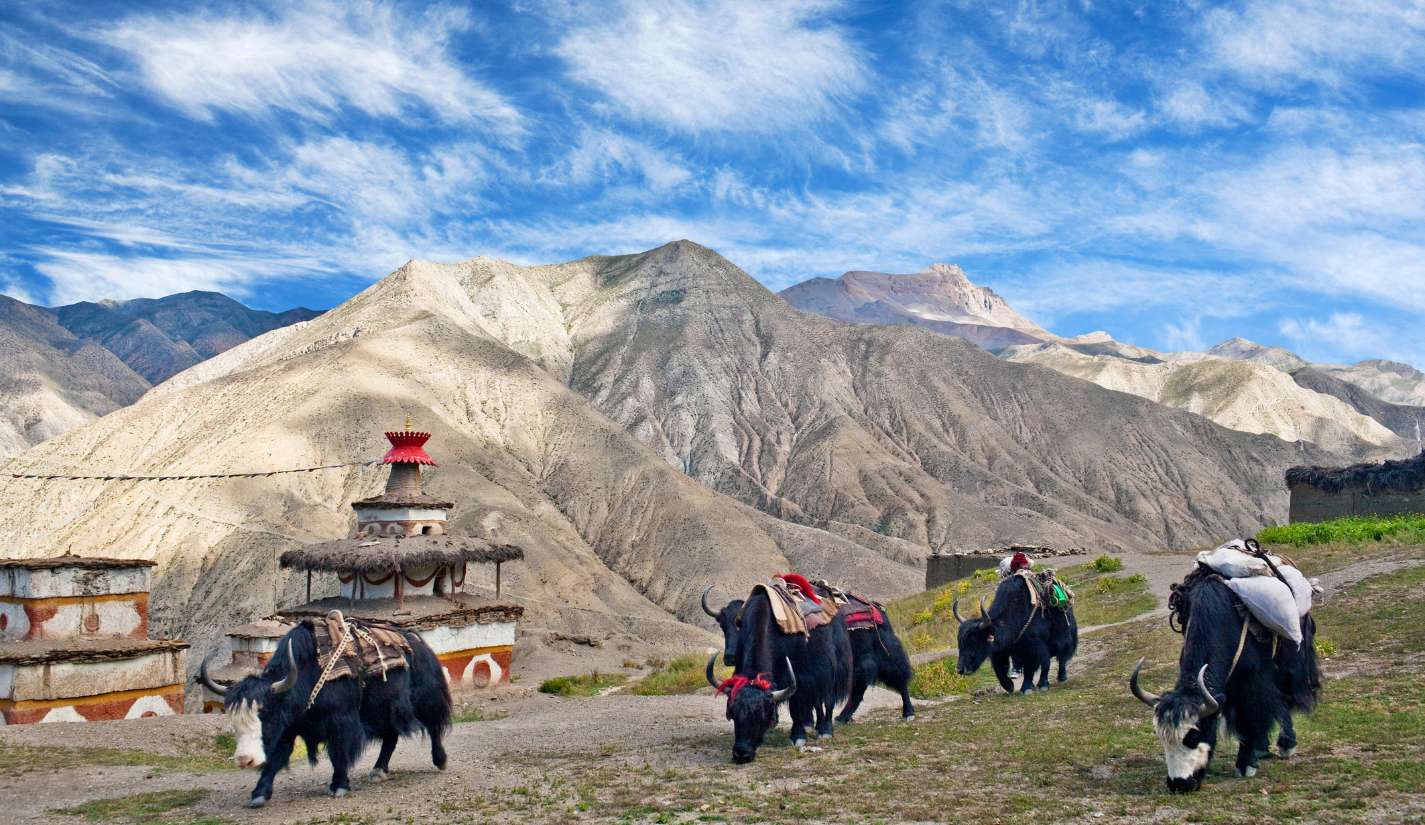
Tips for Trekking in Different Seasons: What to Pack for Each Season
Spring Packing List:
- Light layers for warm days and insulated clothing for cold nights
- Waterproof jacket and pants
- Sunglasses, sunscreen, and hat for sun protection
- Trekking poles for snow patches
Summer/Monsoon Packing List:
- Breathable clothes and rainproof gear
- Insect repellent or anti leech socks
- Waterproof boots
- Extra patience for flight delays
Autumn Packing List:
- Warm layers for changing temperatures
- A quality down jacket for nights
- Camera for capturing clear views
- Comfortable trekking boots
Winter Packing List:
- Thermal base layers and heavy down jacket
- Four season sleeping bag
- Micro spikes or crampons for icy trails
- Extra batteries as the cold drains them faster
Recommended Read: Equipment for Trekking in Nepal
Permit Information for Upper Dolpo Trek
Upper Dolpo is a restricted area to protect culture and nature. You must travel with a registered trekking agency and a licensed guide. There are two main permits.
- Restricted Area Permit: The usual cost is about five hundred United States dollars for the first ten days and about fifty United States dollars for each extra day. Your agency arranges this in Kathmandu.
- Shey Phoksundo National Park entry: This is a separate fee that supports conservation and park services.
Permit processing takes time, so speak with your agency a few weeks before your start date. Carry your passport, insurance details, and several passport photos. Your guide will carry the permits and show them at check posts during the dolpo trek.
Important Note on Permits
Upper Dolpo is a restricted area, and trekkers need a special permit. It costs about 500 US dollars for the first 10 days, with extra fees for additional days. You also need Shey Phoksundo National Park entry. Permits must be arranged through a registered trekking agency, and the process usually takes a couple of weeks.
Practical Tips for Choosing the Best Time
- Add two to three buffer days to your plan, especially in summer, to handle flight delays in Nepalgunj or Juphal. This simple step removes a lot of stress.
- For safety and the highest chance of success, pick autumn from mid September to late October. This is often the best time for trekking in Nepal and it fits Upper Dolpo perfectly.
- For beauty, flowers, and quieter trails, pick spring from mid April to May. This is also one of the best seasons for trekking in Nepal for those who enjoy nature.
- For deep culture and solitude, summer can work in Dolpo because of the rain shadow. Be flexible with your flights and carry leech protection for lower approach days.
- Pack for cold nights in every season. Bring a warm sleeping bag, good down or synthetic insulation, windproof outer layers, sun hat, sunglasses, and sunscreen.
- Eat well and drink plenty of water. Plan rest days for acclimatization. High passes demand patience and steady pacing.
Book flights and permits early for autumn since demand rises fast. - Travel with a reliable local team. A good guide improves safety, helps with permits, and connects you with the local culture that makes the upper dolpo trek so special.
Wondering about how to reach Upper Dolpo, here is our complete detailed blog on "How do I get to Upper Dolpo?".
Final Thoughts
The best time for Upper Dolpo trek is in spring and autumn, when weather is stable, passes are open, and visibility is at its best. While summer and winter have their own beauty, they come with added risks and challenges.
Trekking in Upper Dolpo is not just about walking through mountains. It is about stepping into an untouched world of Tibetan culture, sacred monasteries, and dramatic landscapes. Each season offers something unique, but autumn stands as the best time for Upper Dolpo trek with its stable weather and unmatched views. Spring follows as another good choice for nature lovers who prefer fewer crowds.
Whichever season you choose, plan ahead, prepare properly, and give yourself extra days for travel and acclimatization. Choosing the best time for trekking in Nepal, especially for Upper Dolpo, guarantees clear skies, safer passes, and a memorable adventure. With the right timing, your Upper Dolpo journey will be one of the most memorable adventures of your life.
If you are searching for the best time to trek in Nepal, Dolpo proves that timing is everything. Choosing the right season ensures a safe, memorable, and culturally enriching trekking adventure.
Plan your Upper Dolpo trekking with experienced guides to make the most of your journey. Contact Us Now!
Explore Our Packages for the Dolpo Region Trek
Ready to plan your trek? Contact us to find the best itinerary and season for your Dolpo adventure.
FAQs
What is the best season for Upper Dolpo trek?
The best season for Upper Dolpo trek is autumn from mid September to late October. This period offers stable weather, clear skies, and the safest trail conditions.
What is the best season for trekking in Nepal including Upper Dolpo?
The best season for trekking in Nepal, including Upper Dolpo, is autumn from mid September to late October. Spring from mid April to May is also favorable for milder weather and blooming flowers. Summer and winter are less ideal due to unpredictable conditions and snow at high passes.
Can I trek Upper Dolpo in spring?
Yes, spring from mid April to May is also a good time. The weather is milder, flowers bloom across the valleys, and trails are less crowded than in autumn.
Can I trek Upper Dolpo during summer or monsoon?
Yes, the Upper Dolpo trek is possible in summer because the region is in a rain shadow. Daytime temperatures are mild, and trails remain drier than most parts of Nepal. However, flights may face delays, lower sections can be muddy, and leeches are present in humid areas. Autumn and spring remain safer and more ideal seasons for trekking in Nepal.
Why is winter not recommended for Upper Dolpo trekking?
Winter brings heavy snowfall and extreme cold that can block mountain passes. Many lodges close, making the trek very challenging and suitable only for highly experienced trekkers.
Which months should I avoid for Upper Dolpo trek?
Late November through February is best avoided due to heavy snow and freezing temperatures. Early monsoon can also be tricky because of flight delays and less predictable conditions.
Do I need special permits to trek Upper Dolpo?
Yes, Upper Dolpo is a restricted area and requires a special permit that costs around 500 US dollars for the first ten days. You also need a Shey Phoksundo National Park entry permit.
Is winter trekking in Dolpo possible?
It is possible but risky. Heavy snowfall blocks passes and extremely cold nights make it unsafe for most trekkers.
Which month has the highest success rate for Dolpo trek?
Mid September to late October has the highest success rate for Upper Dolpo trekking because trails are dry, passes are safe, and weather is stable. Spring from mid April to May also has good visibility and fewer trekkers, making it another ideal option.
Is Dolpo trek different from other treks in Nepal?
Yes, Dolpo trek is more remote and culturally unique, offering landscapes and Tibetan Buddhist heritage not found in other regions.

Leave Your Comment